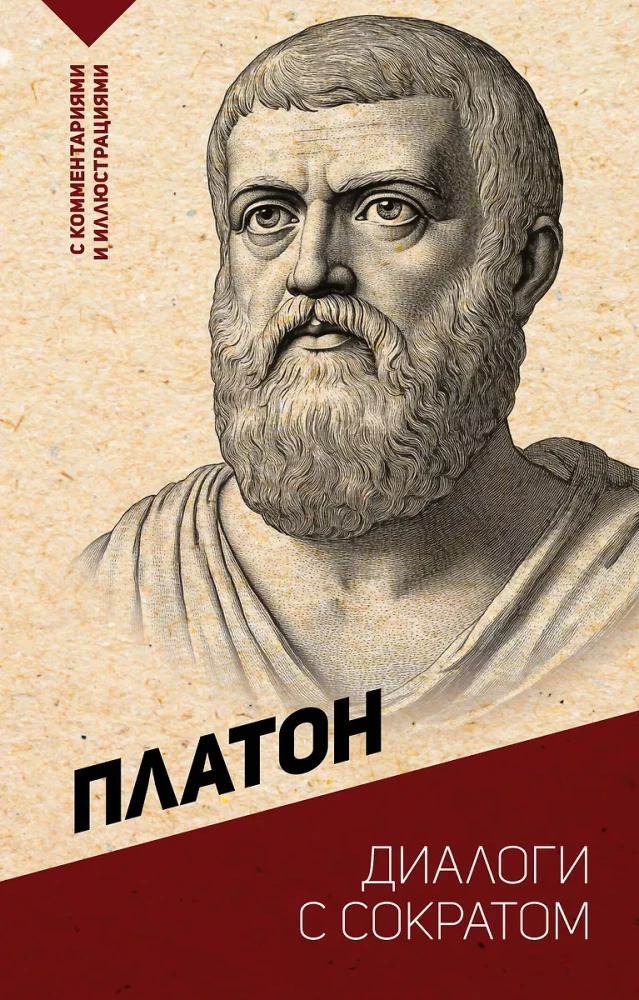
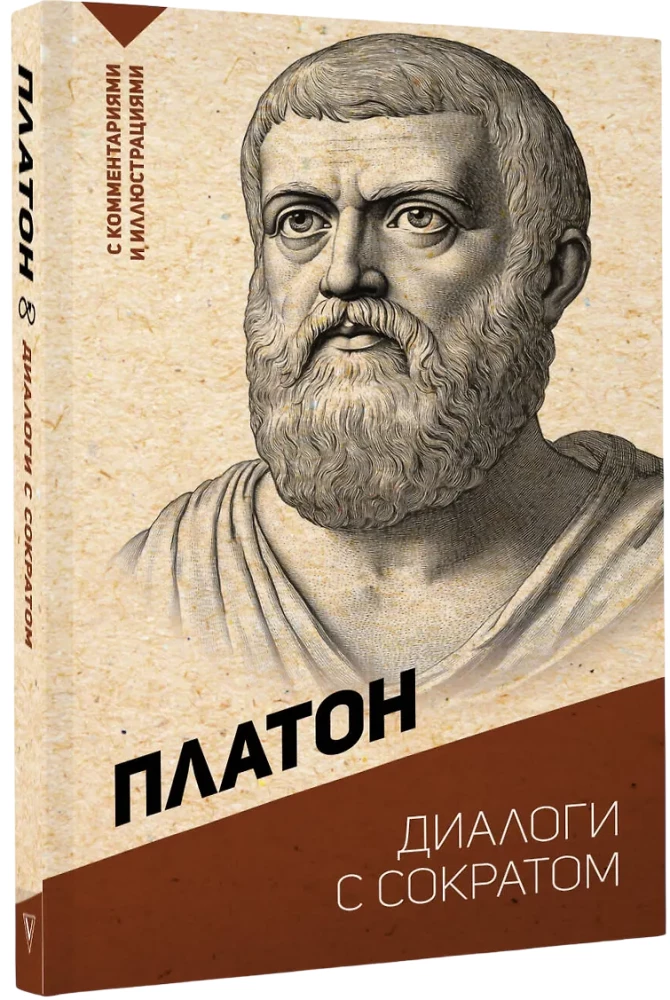
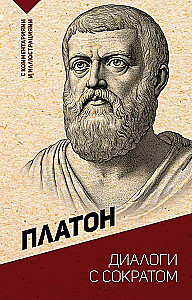
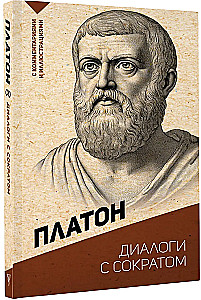
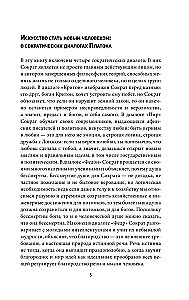
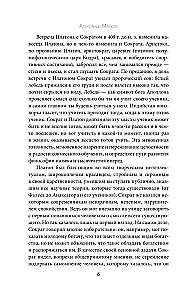
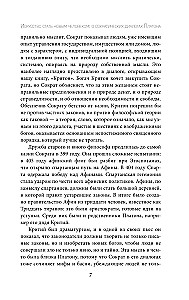
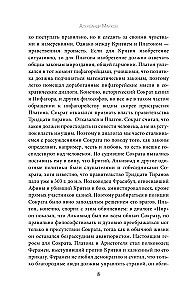
Dialogues with Socrates. With Comments and Illustrations
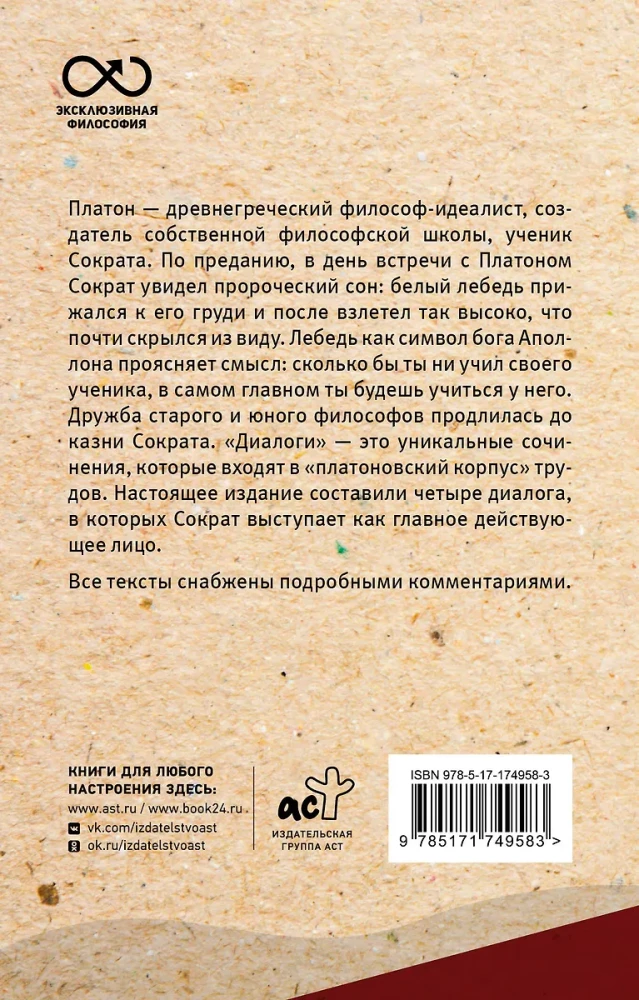
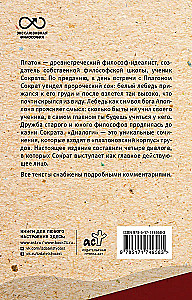
Plato (c. 428-348 BC) — an ancient Greek idealist philosopher, founder of his own philosophical school, and student of Socrates. According to legend, on the day of his meeting with Plato, Socrates had a prophetic dream: a white swan pressed...
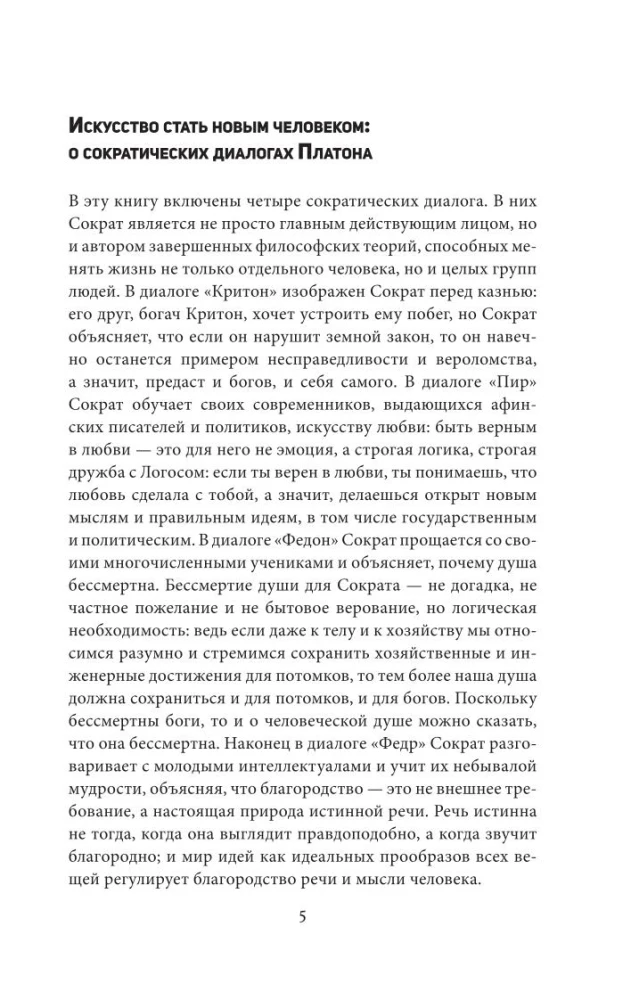
against his chest and then soared so high that it almost disappeared from view. The swan, as a symbol of the god Apollo, clarifies the meaning of the dream: no matter how much you teach your student, in the most important matters, you will learn from him. The friendship between the old and young philosophers lasted until the very execution of Socrates in 399 BC. The “Dialogues” are unique works that are part of the so-called “Platonic corpus” of writings that have survived to this day. This edition consists of four dialogues in which Socrates acts as the main character. In the “Crito,” he explains that one should not commit injustice not only against people but also against the laws. In the “Symposium,” he believes that in love we should see not just emotions but also a cultural element. And in the “Phaedrus,” continuing his thought, he states that it is love that perfects the immortal soul of a person and awakens in him the best qualities and aspirations. In the “Phaedo,” Socrates reveals his idea that one must respect the sense of justice of another, without imposing one's own. All texts are accompanied by detailed comments.
Author: Платон
Printhouse: AST
Series: Exclusive Philosophy
Age restrictions: 12+
Year of publication: 2025
ISBN: 9785171749583
Number of pages: 224
Size: 180x120x19 mm
Cover type: мягкая
Weight: 158 g
ID: 1707418
Available from suppliers
Expected delivery time – up to 2 weeks
€ 5.09
Available from suppliers
Expected delivery time – up to 2 weeks
€ 5.09
Bestsellers



€ 13.29
In stock
12 Weeks in a Year. How to Achieve More in 12 Weeks Than Others Do in 12 Months
Майкл Леннингтон, Брайан Моран

€ 7.89
In stock
Choice. On the Freedom and Inner Strength of a Person
Эдит Ева Эгер, Эсме Швалль-Вейганд

€ 6.99
In stock
Publishers "AST" recommends






Bestseller
€ 12.39
In stock
Intensive Korean Language Course for Beginners
Анастасия Погадаева, Чун Ин Сун