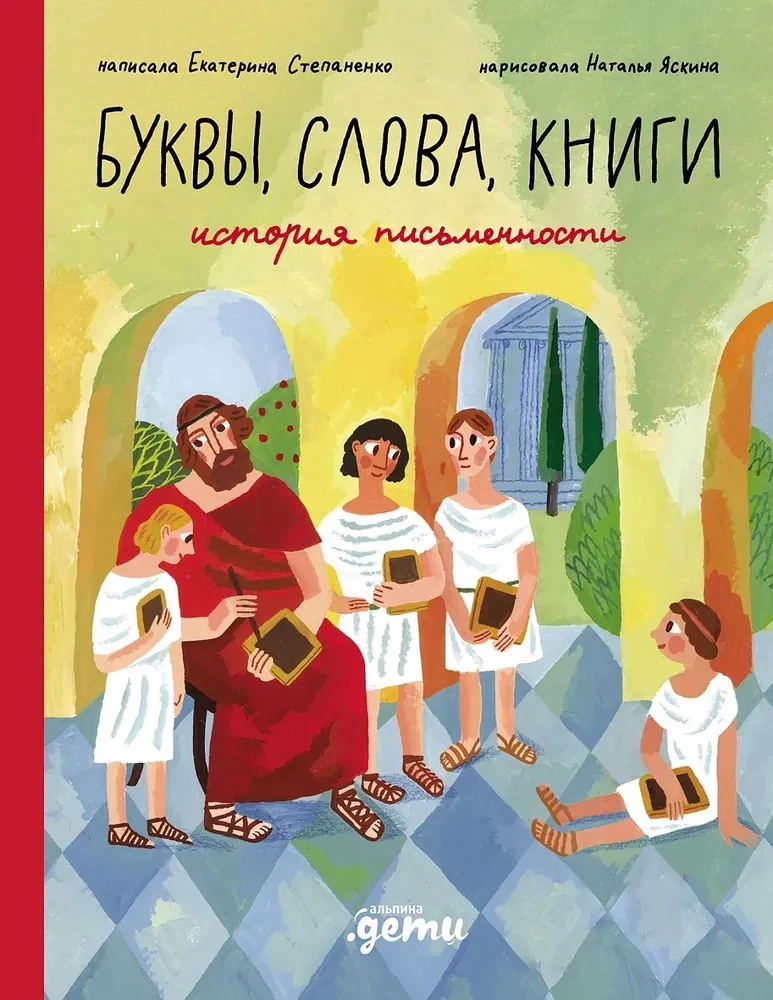

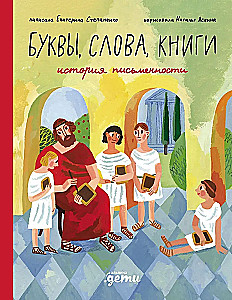
Letters, Words, Books. The History of Writing
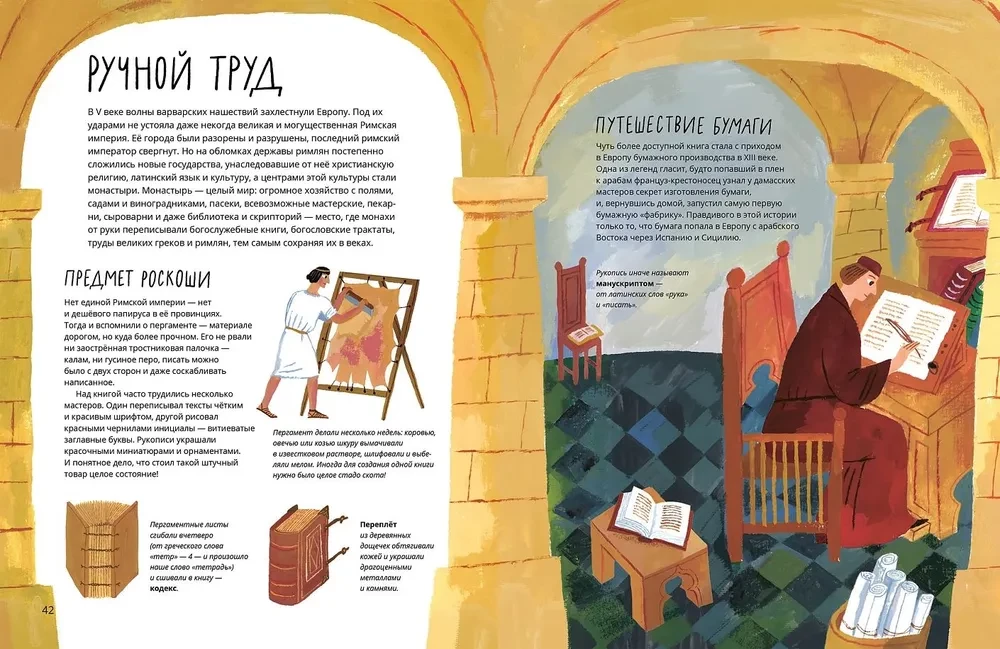
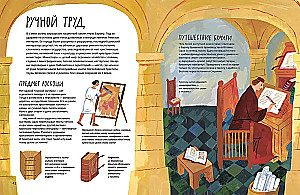
Writing has been with us for so long that we perceive it as an integral part of our lives. It helps us learn new things and remember the old, preserve and pass on knowledge, and communicate with people all over...
the world. Thanks to it, we know what Pythagoras thought, where Alexander the Great led his armies, how to solve a quadratic equation, or how to make a lemon cake. But what was writing like thousands of years ago when it first appeared? How has it changed and what has changed because of it? Let’s trace its amazing history, without which the world would not be as it is today.
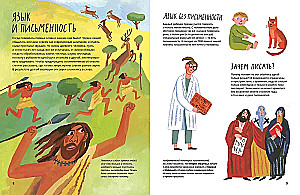
Today we know who discovered the law of universal gravitation, who isolated antibiotics, who was the first to take to the air in an airplane, and who built the first computer. But none of these great achievements would have happened if, in the distant past, people whose names we will never know hadn’t invented agriculture, metalworking, and of course, writing.
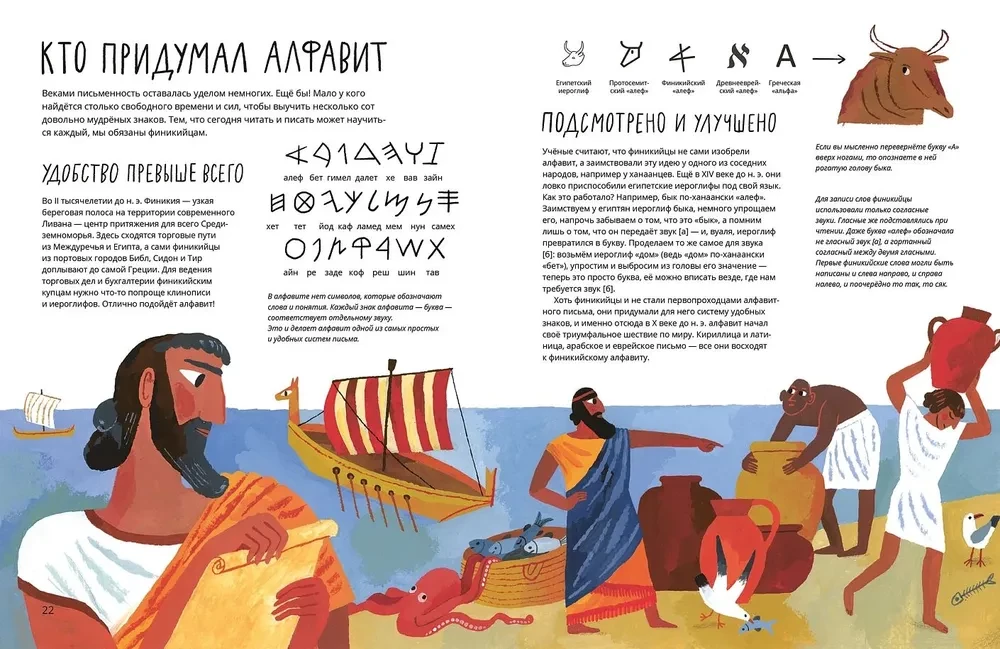
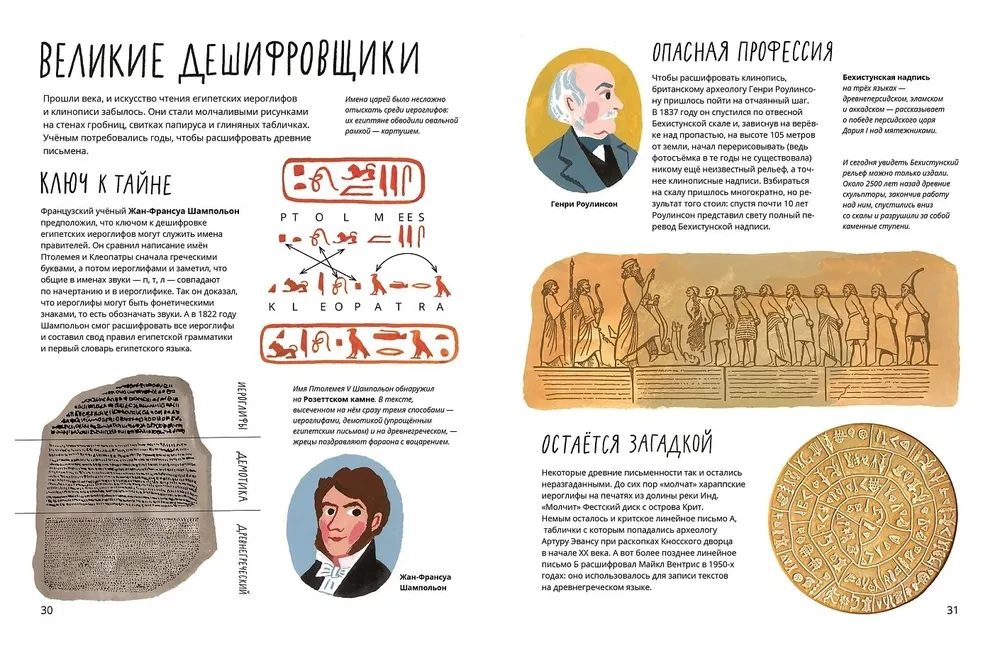
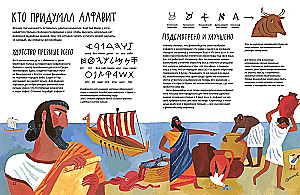
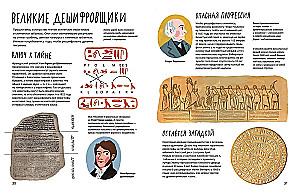
You will learn: - Who and why invents new languages; - How to do without vowels; - What we know about ancient languages and how they were deciphered; - What is the difference between alphabetic and hieroglyphic writing. If the Sumerians invented writing for bookkeeping, and the Egyptians for glorifying their rulers, then the Chinese learned to write in order to communicate with spirits.
Why read: - To learn the history of writing; - To try to decipher ancient inscriptions; - To invent your own language
Today we know who discovered the law of universal gravitation, who isolated antibiotics, who was the first to take to the air in an airplane, and who built the first computer. But none of these great achievements would have happened if, in the distant past, people whose names we will never know hadn’t invented agriculture, metalworking, and of course, writing.
You will learn: - Who and why invents new languages; - How to do without vowels; - What we know about ancient languages and how they were deciphered; - What is the difference between alphabetic and hieroglyphic writing. If the Sumerians invented writing for bookkeeping, and the Egyptians for glorifying their rulers, then the Chinese learned to write in order to communicate with spirits.
Why read: - To learn the history of writing; - To try to decipher ancient inscriptions; - To invent your own language
Author: Екатерина Степаненко, Наталья Яскина
Printhouse: Al'pina Pablisher
Age restrictions: 6+
Year of publication: 2024
ISBN: 9785961497380
Number of pages: 72
Size: 286x221x10 mm
Cover type: hard
Weight: 450 g
ID: 1678642
In stock
€ 8.99
Will be delivered to United States on :
Unfortunately, we are currently unable to deliver orders to your region.
In stock
€ 8.99
Will be delivered to United States on :
Unfortunately, we are currently unable to deliver orders to your region.
Bestsellers




€ 9.89
In stock