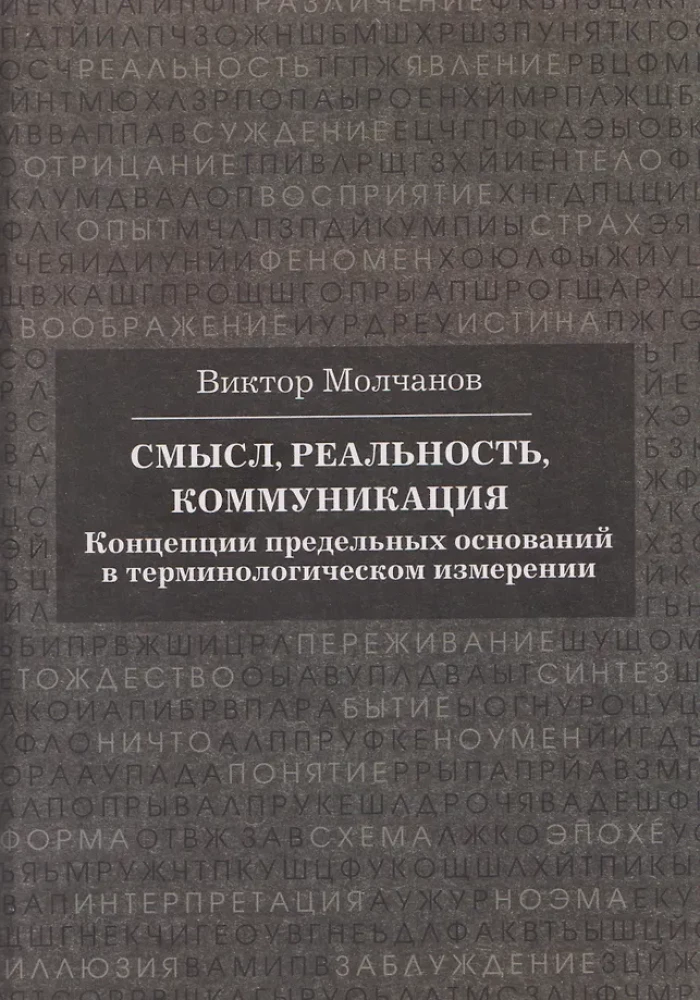
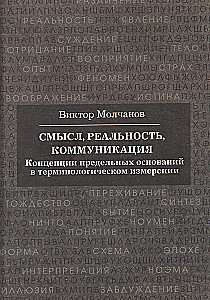
Смысл, реальность, коммуникация
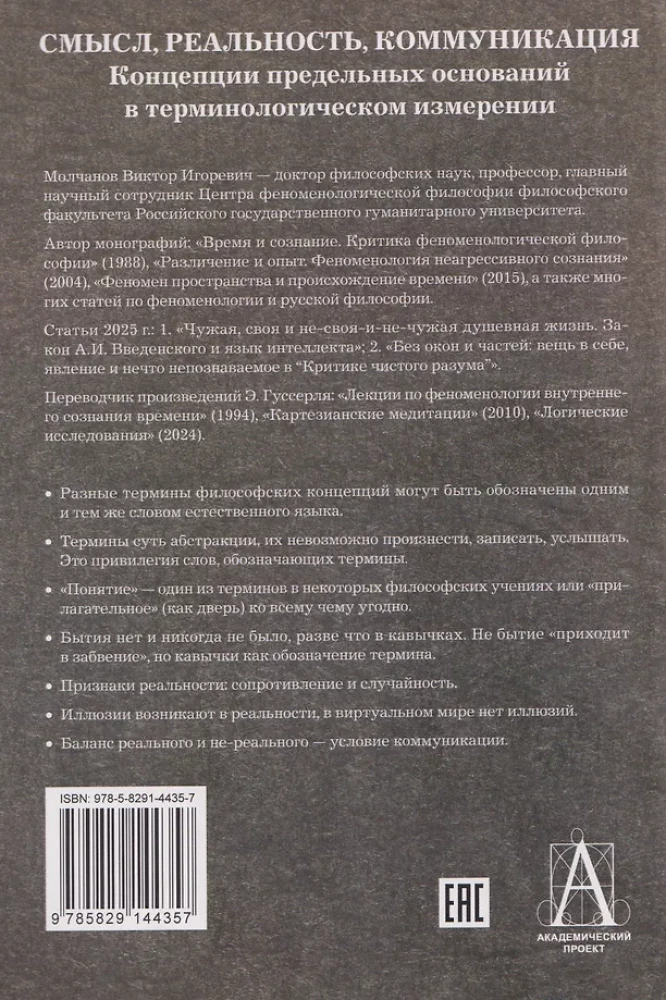
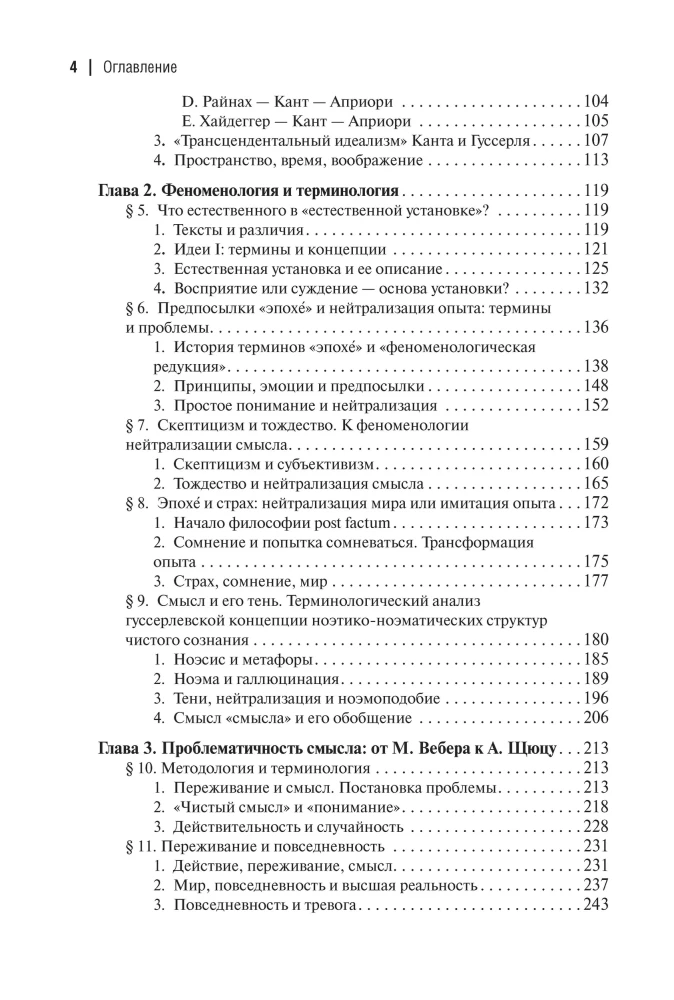
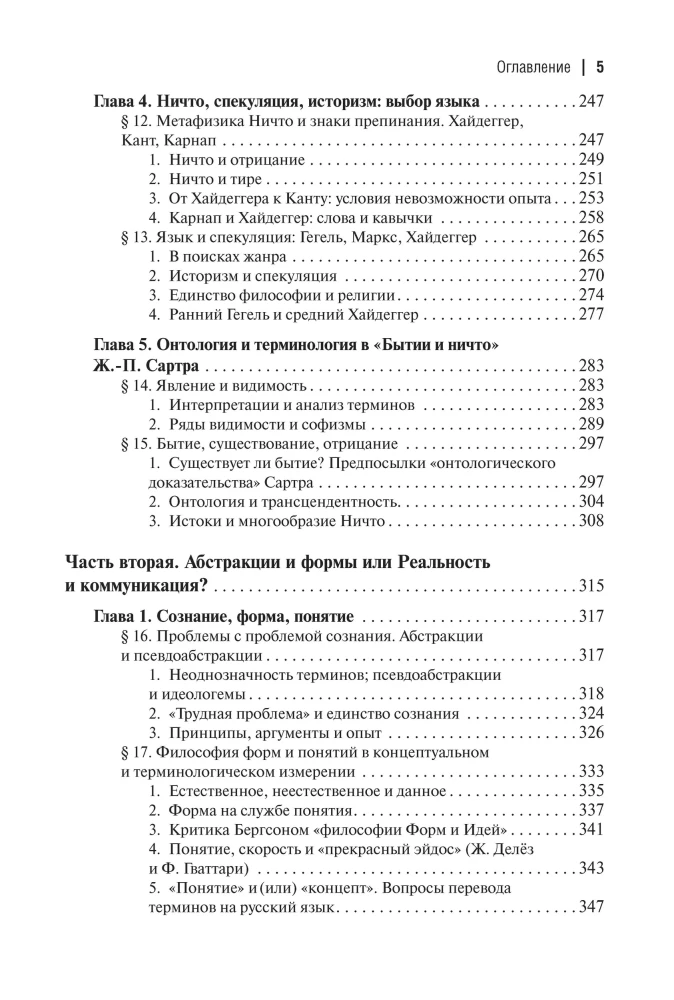
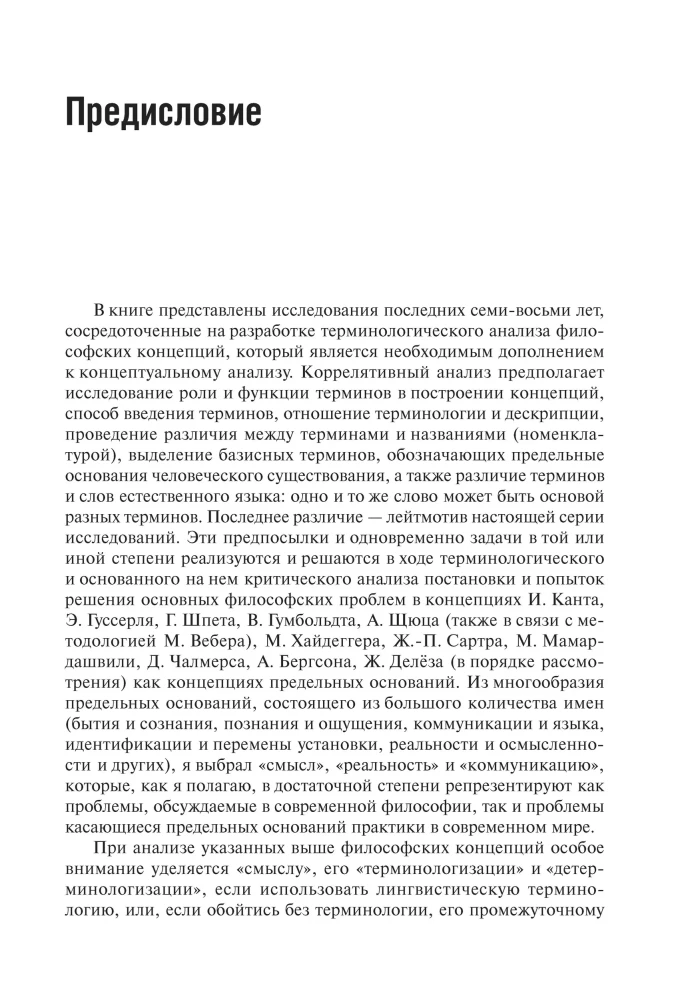
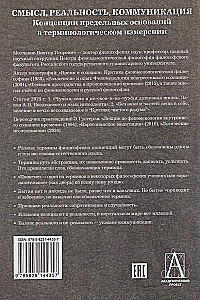
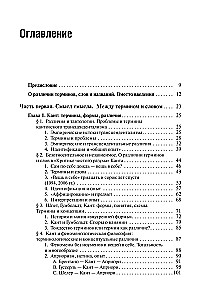
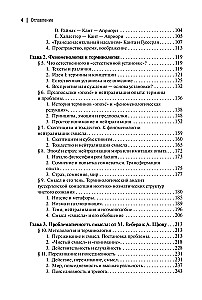
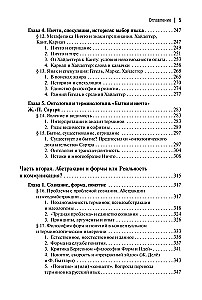
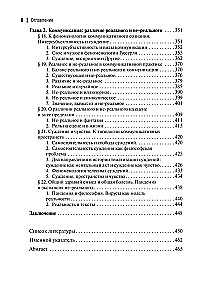
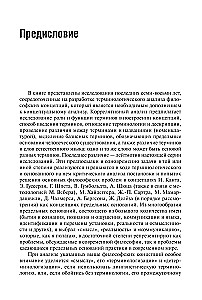
«Meaning», «reality», «communication» as necessary conditions and ultimate foundations of human life in the world are considered from a conceptual and terminological point of view. A terminological and critical analysis of the concepts of I. Kant, E. Husserl, G. Shpet,...
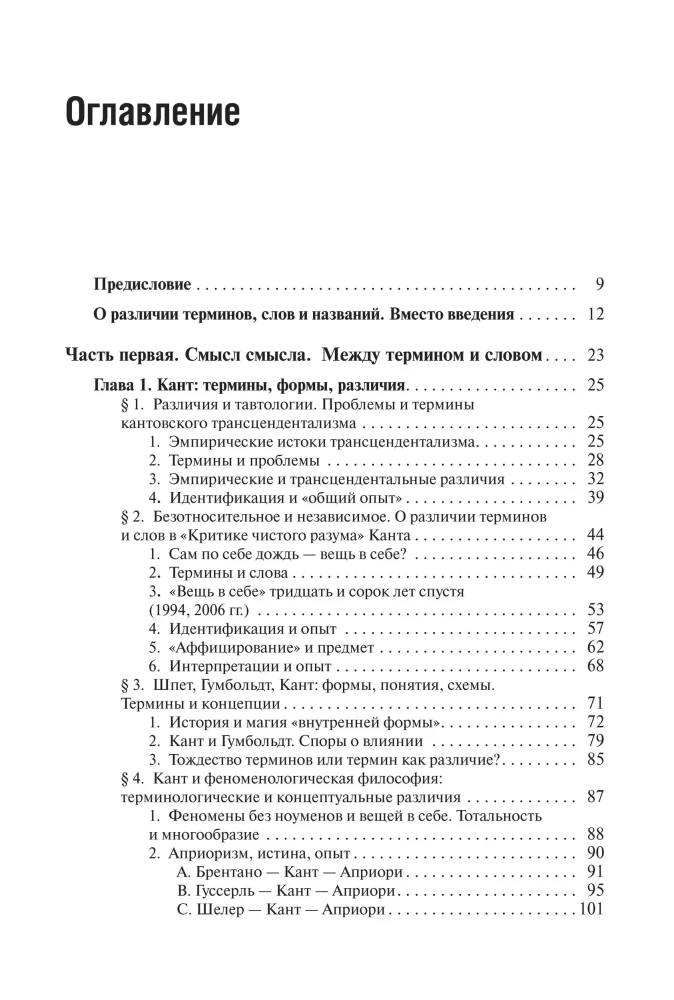
V. Humboldt, A. Schutz (also in relation to the methodology of M. Weber), M. Heidegger, J.-P. Sartre, M. Mamardashvili, D. Chalmers, A. Bergson, J. Deleuze (in the order of consideration) is based on the premise of the difference between terms and words of natural language. The initial thesis of the analysis: different terms can be expressed by the same word. Special attention is paid to the word and term «meaning» as a mediator between natural language and philosophical terminology.
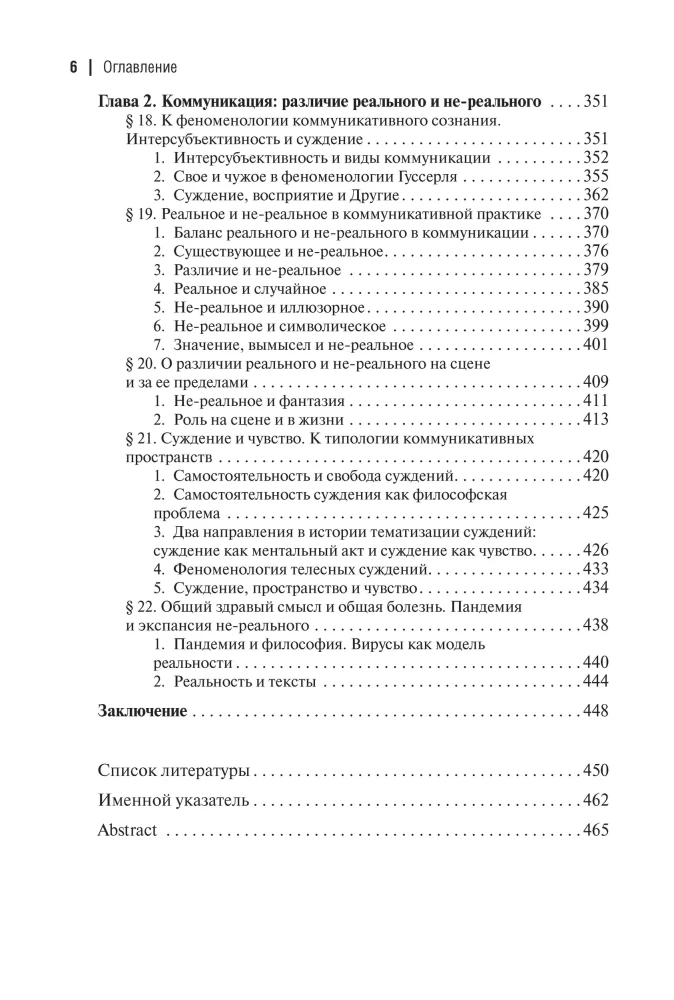
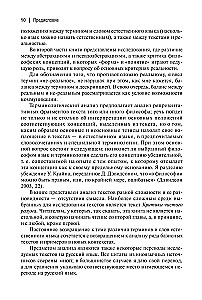
Judgment and communication, as well as the correlation of the real and non-real - are the main themes of the second part of the book. A distinction is made between abstractions and pseudo-abstractions in a number of philosophical concepts, and concepts in which «form» and «concept» play a leading role are subjected to criticism. The question of the main criteria of reality is posed. The term «non-real» is introduced to denote that which is opposite and correlatively related to the real - as a system of meanings, but not as illusory. The balance between the real and the non-real is considered as a condition for the possibility of communication.
The book is intended for teachers and students of philosophical and humanities faculties, as well as for all who appreciate communication and distinguish reality from fiction.
Judgment and communication, as well as the correlation of the real and non-real - are the main themes of the second part of the book. A distinction is made between abstractions and pseudo-abstractions in a number of philosophical concepts, and concepts in which «form» and «concept» play a leading role are subjected to criticism. The question of the main criteria of reality is posed. The term «non-real» is introduced to denote that which is opposite and correlatively related to the real - as a system of meanings, but not as illusory. The balance between the real and the non-real is considered as a condition for the possibility of communication.
The book is intended for teachers and students of philosophical and humanities faculties, as well as for all who appreciate communication and distinguish reality from fiction.
Autorius: Viktor Molčanov
Publisher: Triksta
Amžiaus ribos: 16+
Išleidimo metai: 2025
ISBN: 9785829144357
Puslapių skaičius: 474
Dydis: 216h152h28 mm
Viršelio tipas: Hard
Svoris: 596 g
ID: 1733412
Išparduota
€ 35.19
Išparduota
€ 35.19
Bestsellers


Bestseleris
€ 14.99
Yra sandėlyje
Švelniai sau. Knyga apie tai, kaip vertinti ir saugoti save
Olga Primačenko

€ 13.29
Yra sandėlyje
12 savaičių per metus. Kaip per 12 savaičių padaryti daugiau, nei kiti spėja per 12 mėnesių
Majkl Lennington, Brajan Moran

€ 7.89
Yra sandėlyje
Pasirinkimas. Apie laisvę ir žmogaus vidinę jėgą
Edit Eva Eger, Esme Švall-Vejgand