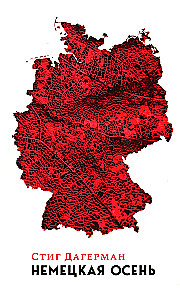
Немецкая осень
Autor: Стиг Дагерман
Väljaandja: ID Ivana Limbakha
Vanusepiirangud: 16+
avaldamise aasta: 2023
ISBN: 9785890594921
lehekülgede arv: 256
Suurus: 183х112х15 mm
Kaanetüüp: Hard
Kaal: 230 g
ID: 1735407
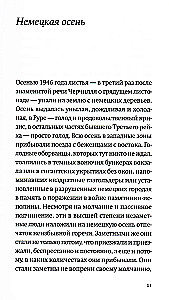
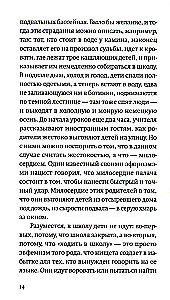
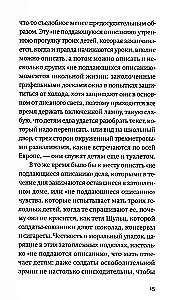
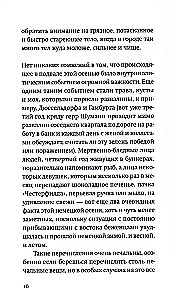
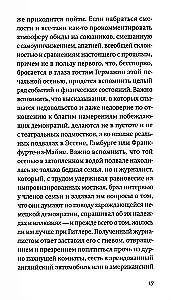
The book is a documentary-publicistic work based on the author's trip to Germany immediately after the end of World War II. Dagerman describes life in a ruined country, where people face hunger, cold, homelessness, and moral exhaustion.
The author shows the everyday life of ordinary Germans: women, children, elderly people, who found themselves among the ruins of cities and the consequences of defeat. The focus is not on politics or military actions, but on the human condition after the catastrophe: fear, guilt, confusion, and attempts to survive.
Dagerman avoids direct accusations and justifications. Instead, he explores the complex question: how to relate to the suffering of a people that was recently part of an aggressive regime. The book raises a moral dilemma — is it possible to sympathize with the defeated, without forgetting their responsibility.
It is not so much a report as a philosophical reflection on guilt, humanism, and the consequences of war. «German Autumn» shows that after destruction, there remains not only a physical void but also a profound inner crisis of a person and society.
Bestsellers