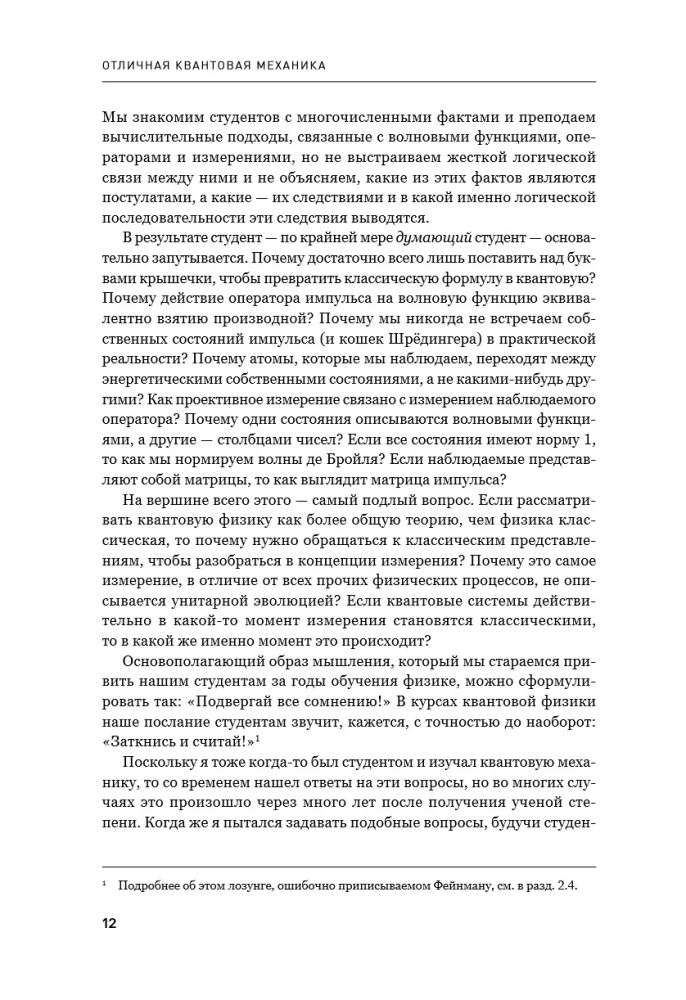
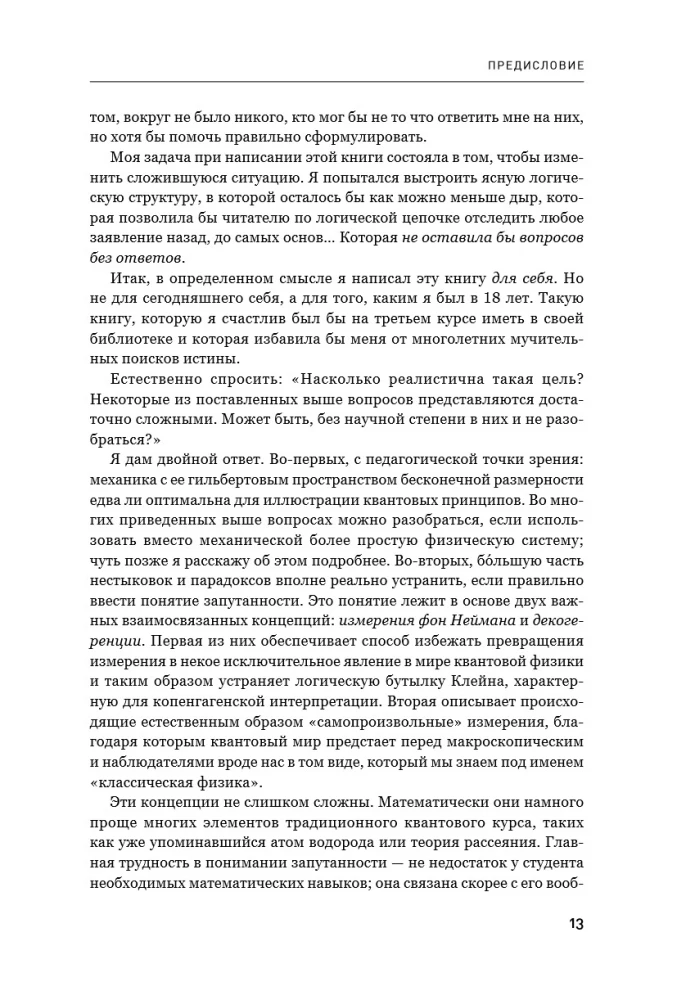
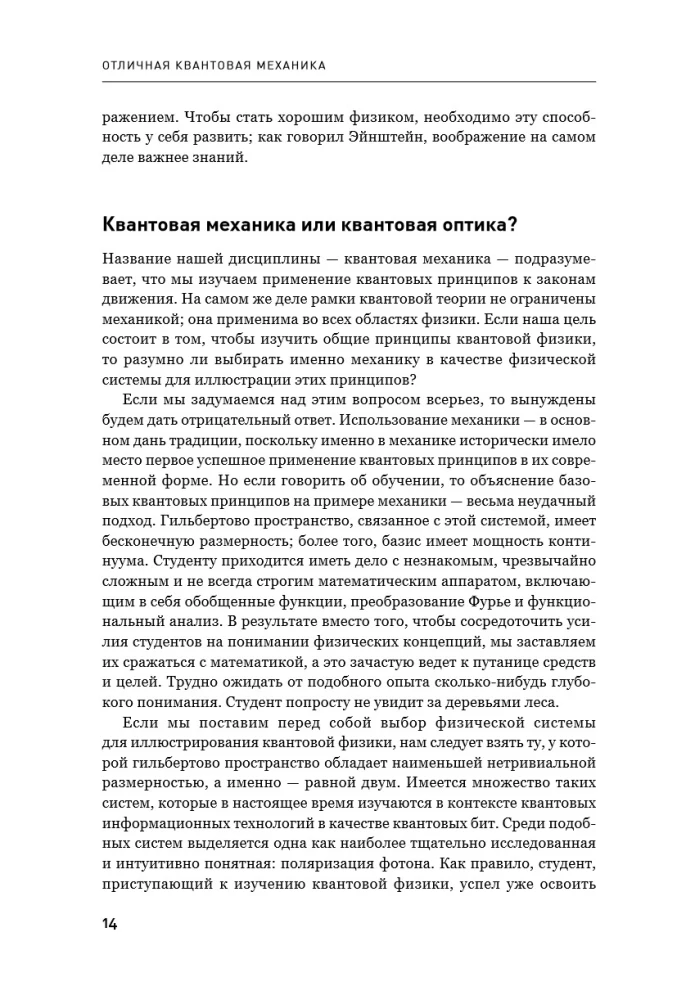
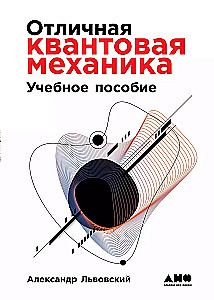
Great Quantum Mechanics. Textbook (set of 2 books)
No circulation
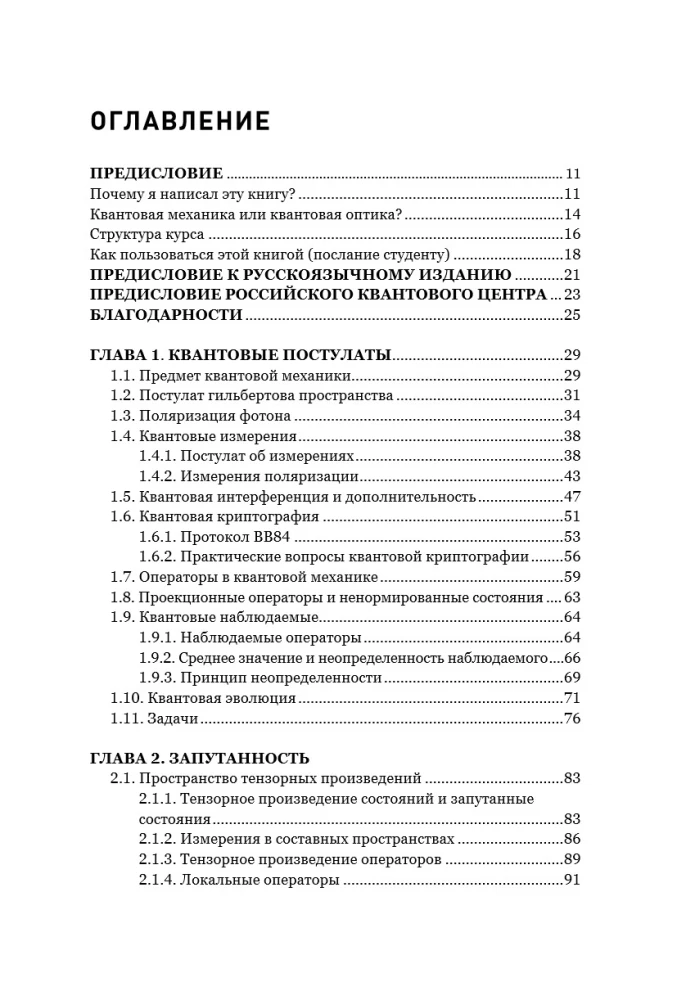
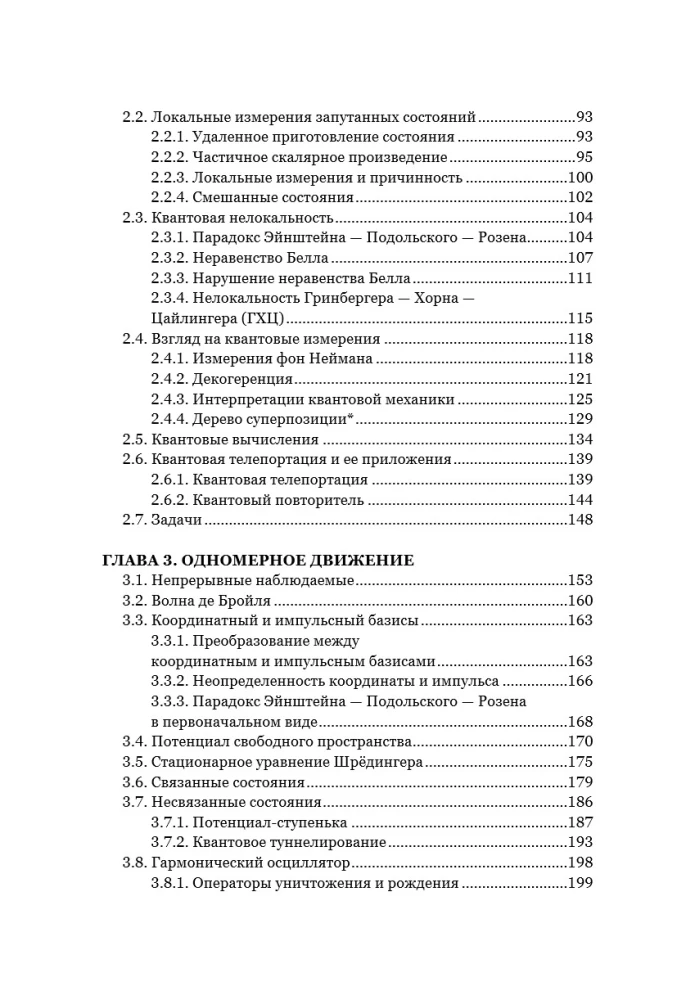
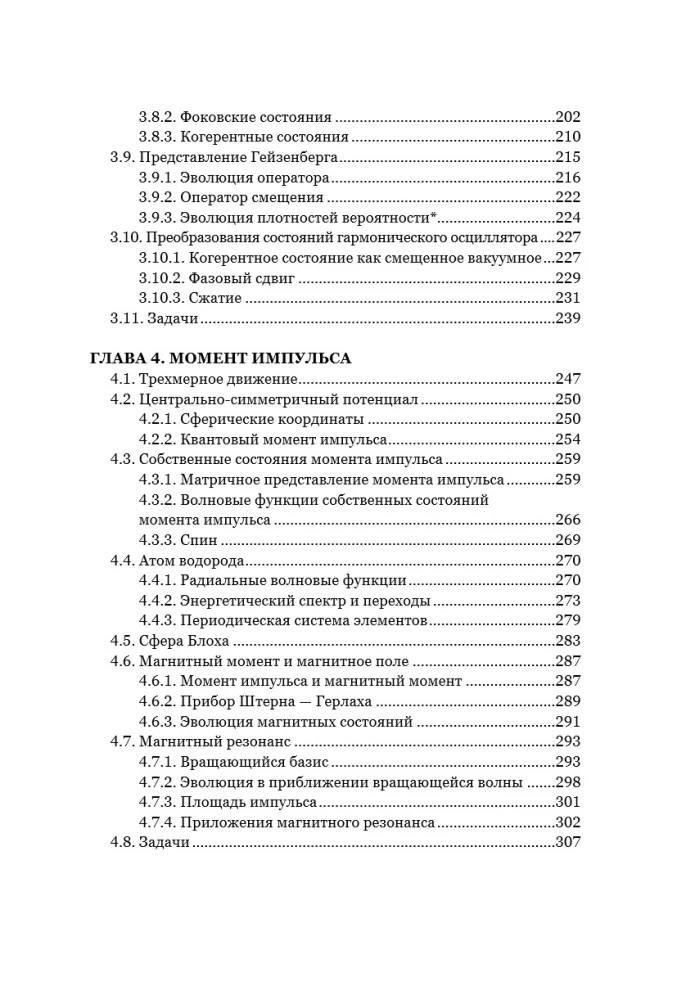
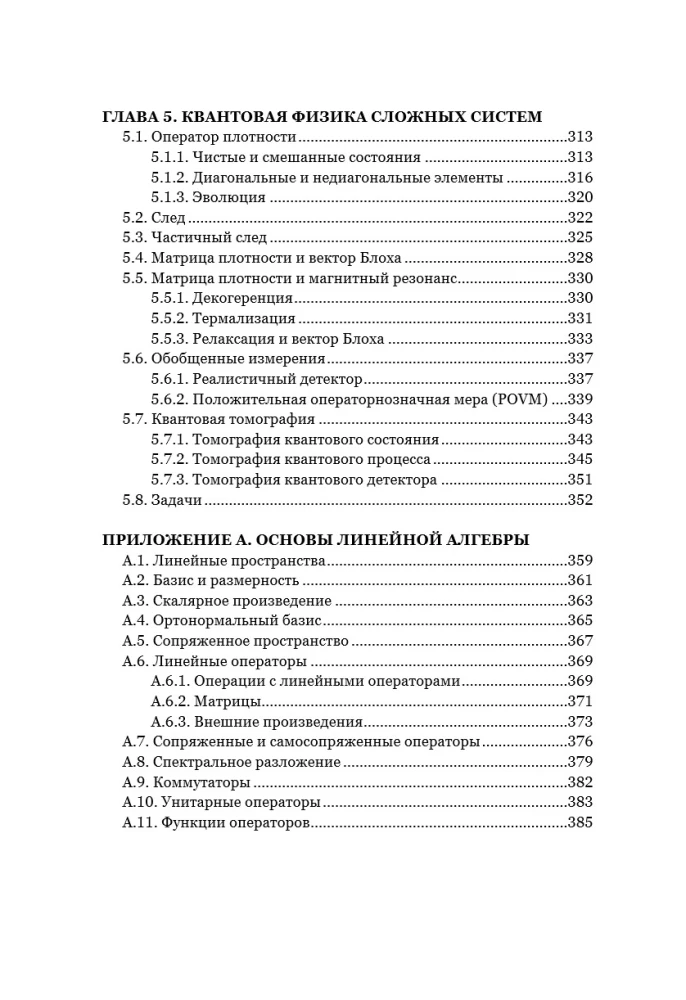
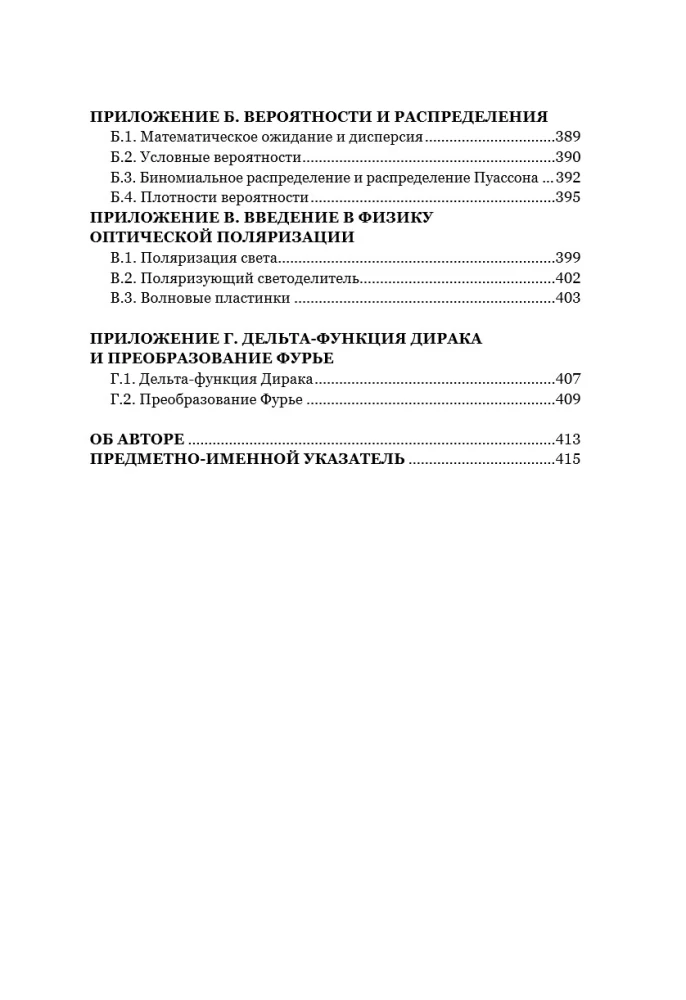
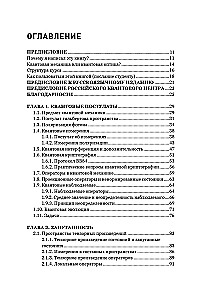
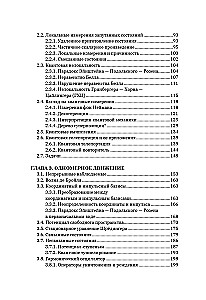
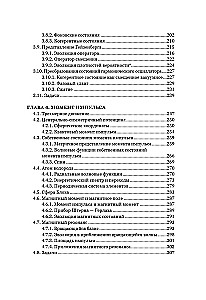
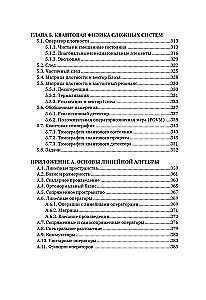
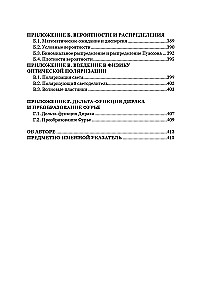
Along with the traditional material covered in the quantum mechanics course (states, operators, the Schrödinger equation, hydrogen atom), the book offers an in-depth discussion of concepts such as Hilbert space, quantum measurement, entanglement, and decoherence. These concepts are crucial for...
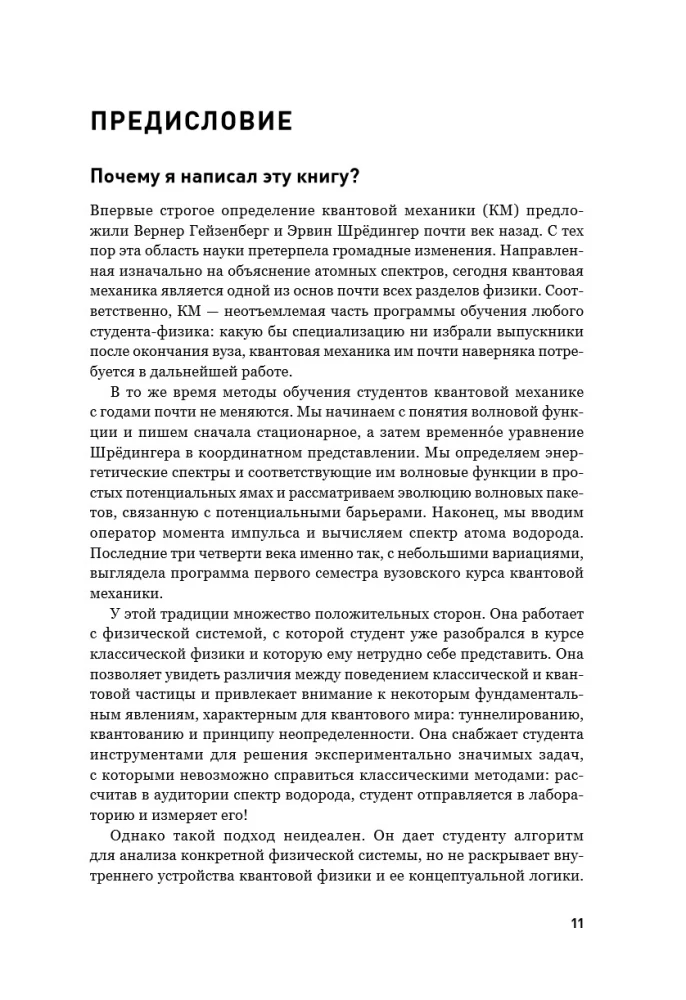
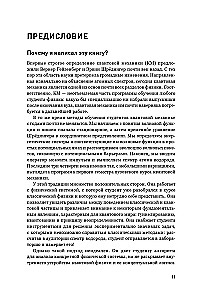
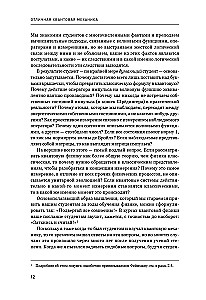
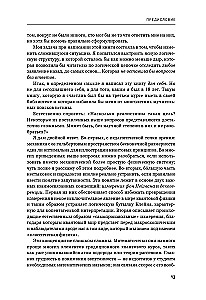
understanding quantum physics and its connection to the macroscopic world, but are rarely covered in introductory textbooks. The author uses a mathematically simple physical system — the polarization of photons — as a visualization tool, allowing students to see the intricate beauty of the quantum world from the very first pages. The formal concepts of quantum physics are illustrated with examples from current experimental research, such as quantum computers, communications, teleportation, and non-locality. The material in the book has been successfully used as a primary textbook in a two-semester quantum mechanics course for physics students. However, the potential readership is much broader and includes both undergraduate and graduate students studying the exact sciences, as well as anyone interested in quantum physics and quantum technologies. The mathematical apparatus required for understanding the book does not go beyond the curriculum of a technical university or a mathematical school. The author — a professor at the University of Oxford, a world-renowned experimentalist in the field of quantum optics and quantum informatics — employs Socratic pedagogy: the student is invited to develop the apparatus of quantum physics by sequentially solving carefully constructed problems. Detailed solutions are presented in the second volume of the textbook.
Along with the traditional material covered in the quantum mechanics course (states, operators, the Schrödinger equation, hydrogen atom), the book offers an in-depth discussion of concepts such as Hilbert space, quantum measurement, entanglement, and decoherence. These concepts are crucial for understanding quantum physics and its connection to the macroscopic world, but are rarely covered in introductory textbooks. The author uses a mathematically simple physical system — the polarization of photons — as a visualization tool, allowing students to see the intricate beauty of the quantum world from the very first pages. The formal concepts of quantum physics are illustrated with examples from current experimental research, such as quantum computers, communications, teleportation, and non-locality. The material in the book has been successfully used as a primary textbook in a two-semester quantum mechanics course for physics students. However, the potential readership is much broader and includes both undergraduate and graduate students studying the exact sciences, as well as anyone interested in quantum physics and quantum technologies. The mathematical apparatus required for understanding the book does not go beyond the curriculum of a technical university or a mathematical school. The author — a professor at the University of Oxford, a world-renowned experimentalist in the field of quantum optics and quantum informatics — employs Socratic pedagogy: the student is invited to develop the apparatus of quantum physics by sequentially solving carefully constructed problems. Detailed solutions are presented in the second volume of the textbook.
Be the first to know about our current discounts, offers and new products!
Check icon
You have added to your basket
Check icon
You have added to favourites
Sold out
The item is currently out of stock.
In stock
Available in warehouse. You will receive the exact delivery date from the operator after the order confirmation.
To order
The product is delivered directly from the publisher. The order processing time is up to 14 days, you will receive the exact delivery date from the operator after the order confirmation.