New

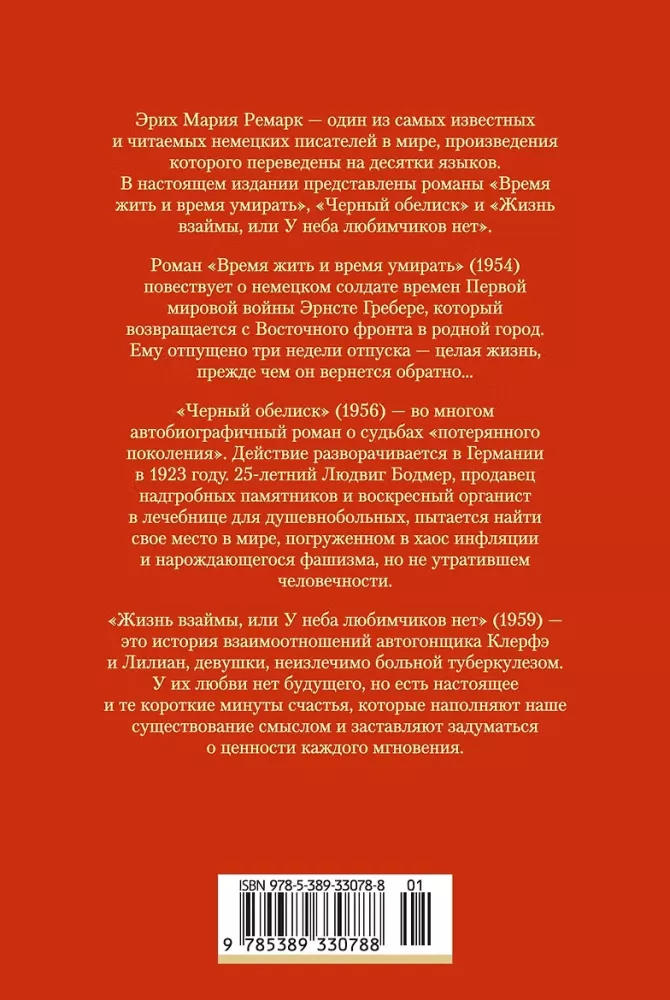
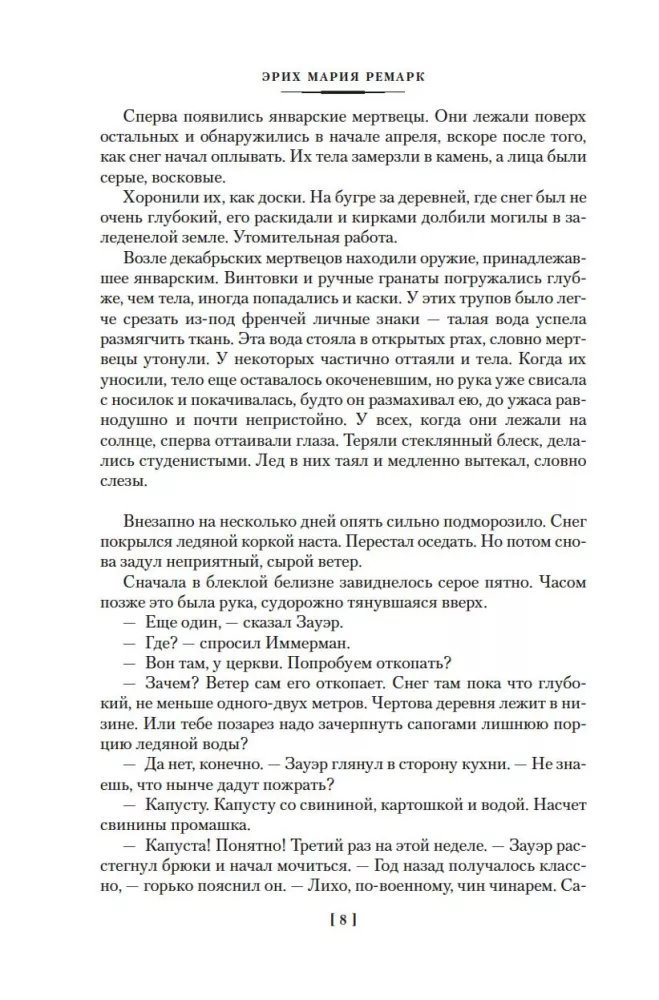
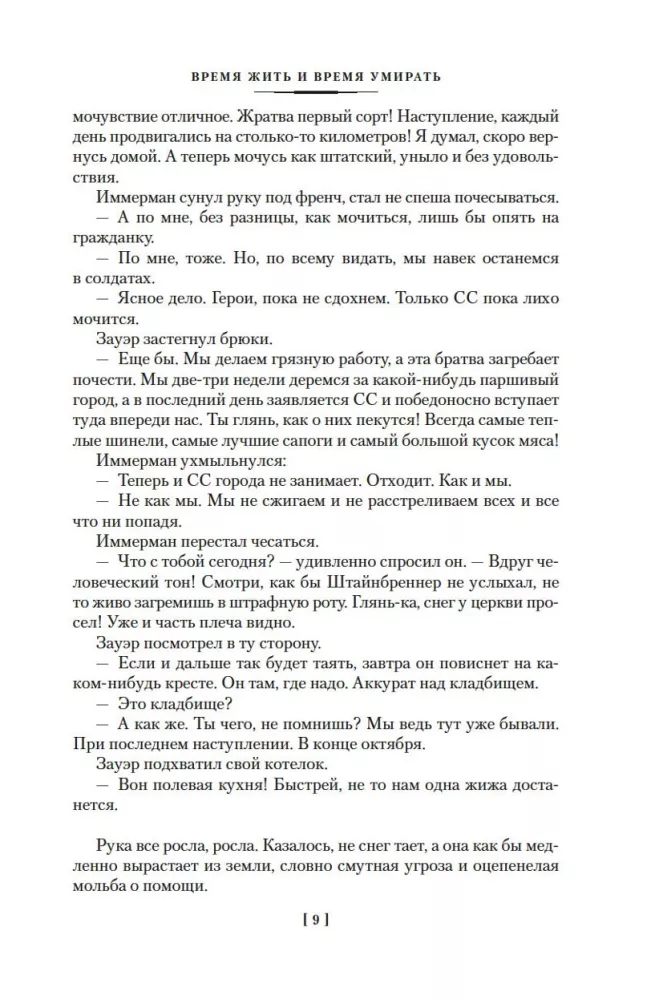
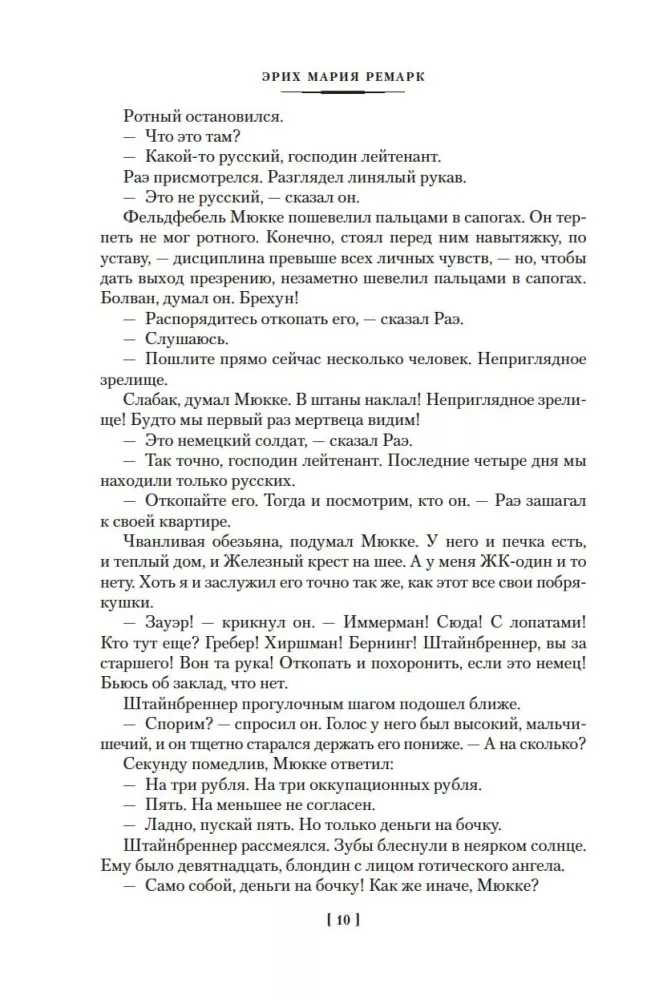
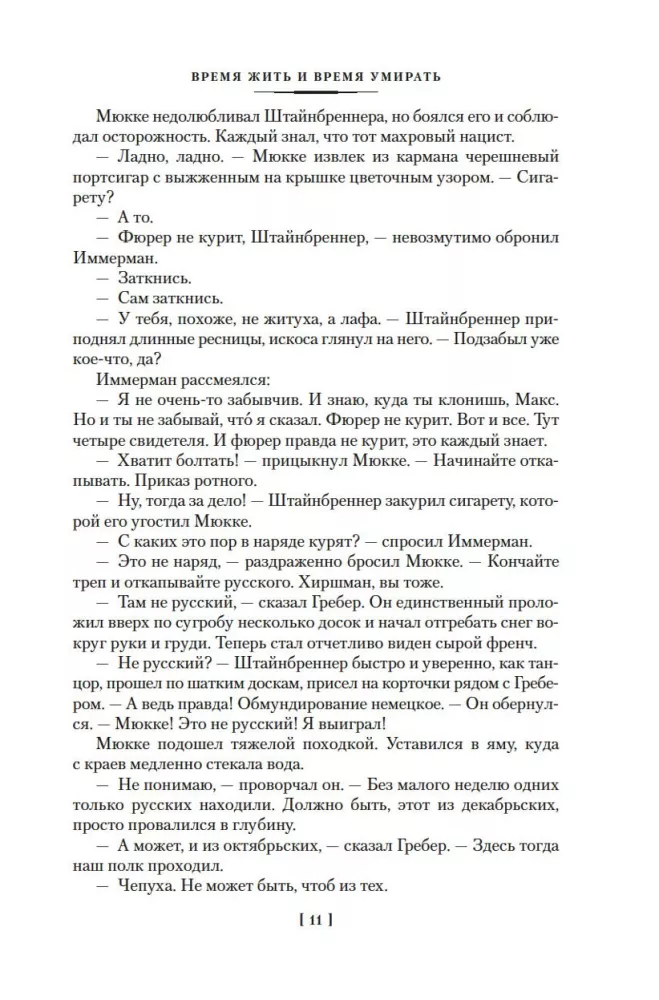
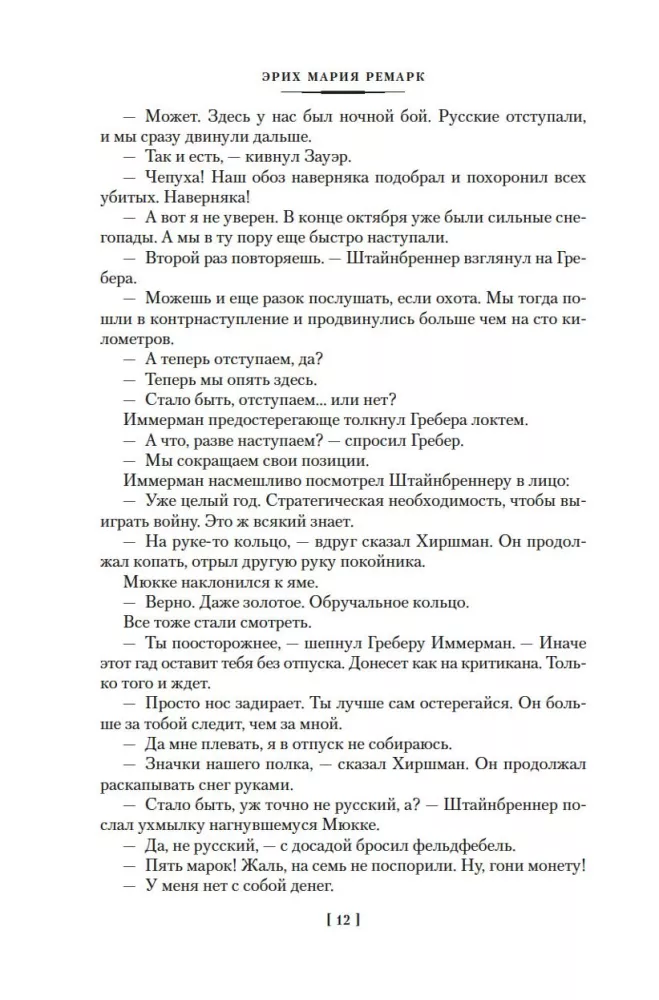
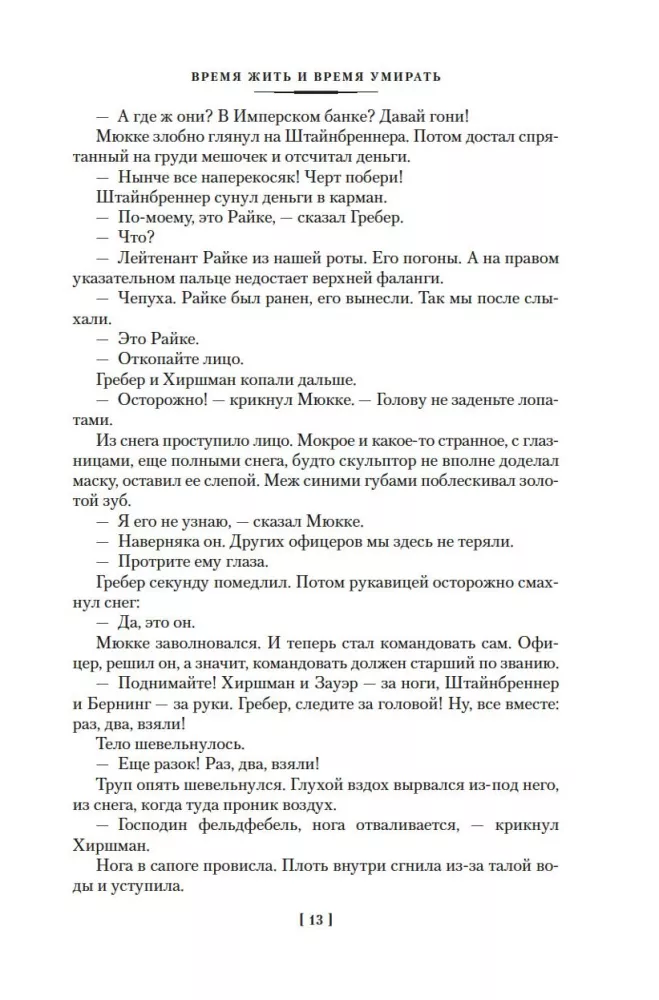
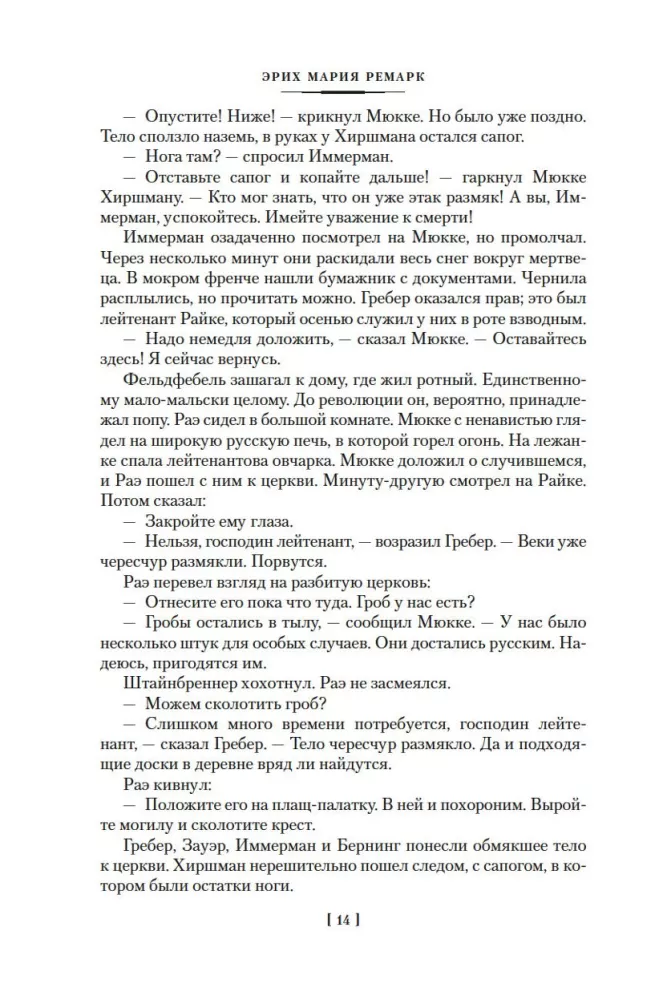
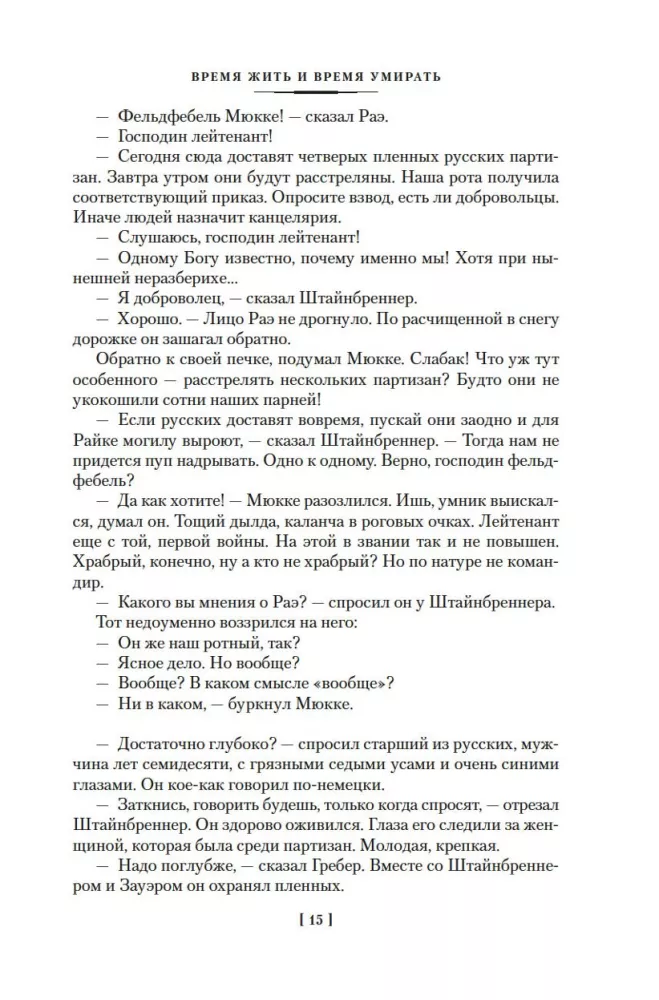

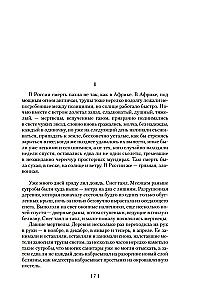
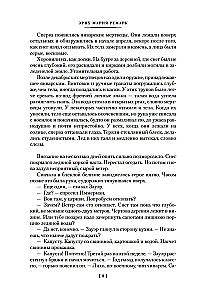
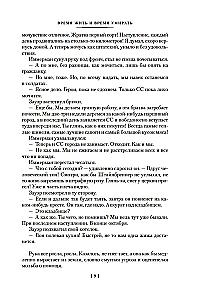
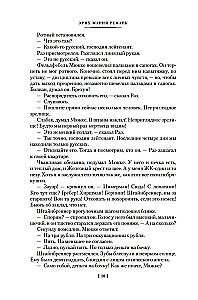
Time to Live and Time to Die. The Black Obelisk. Life on Credit, or There Are No Favorites in Heaven
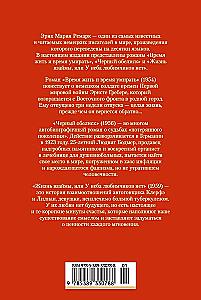
«Time to Live and Time to Die», «The Black Obelisk» and «Life on Credit, or There Are No Favorites in Heaven» — novels by Erich Maria Remarque, which have firmly entered the golden fund of world literature and are considered...
timeless classics. This collection of works allows us to trace how the writer reflects on the turning points of European history and reveals the inner world of a person against the backdrop of large-scale social upheavals.
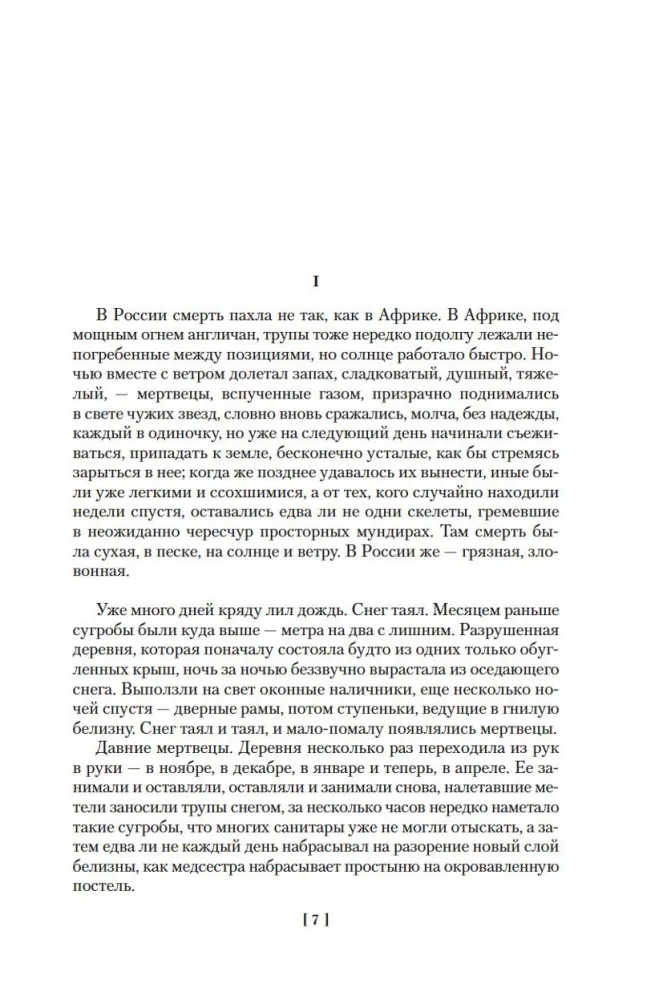
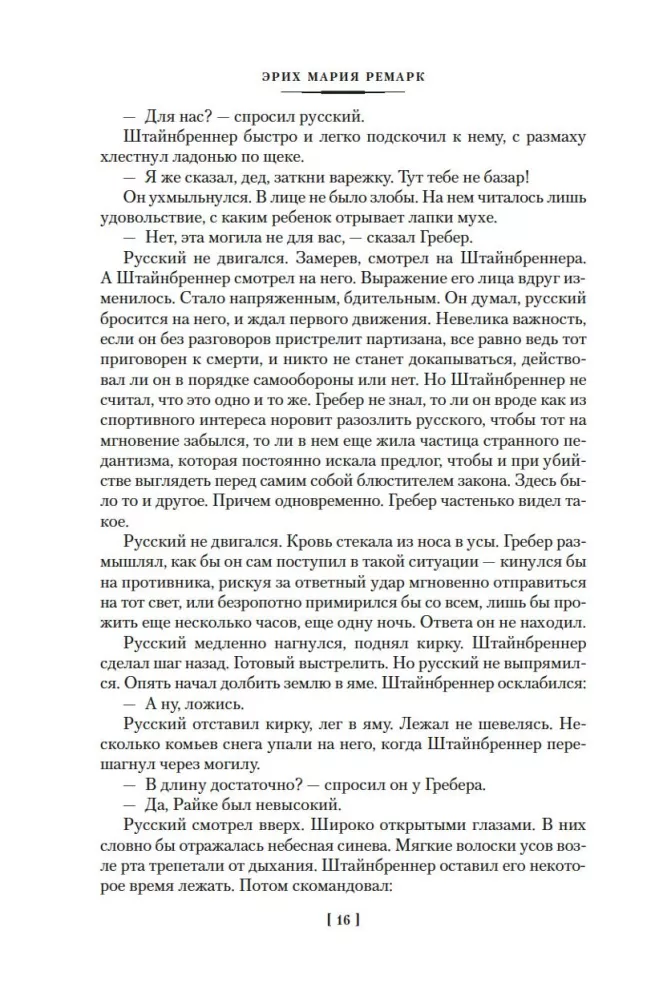
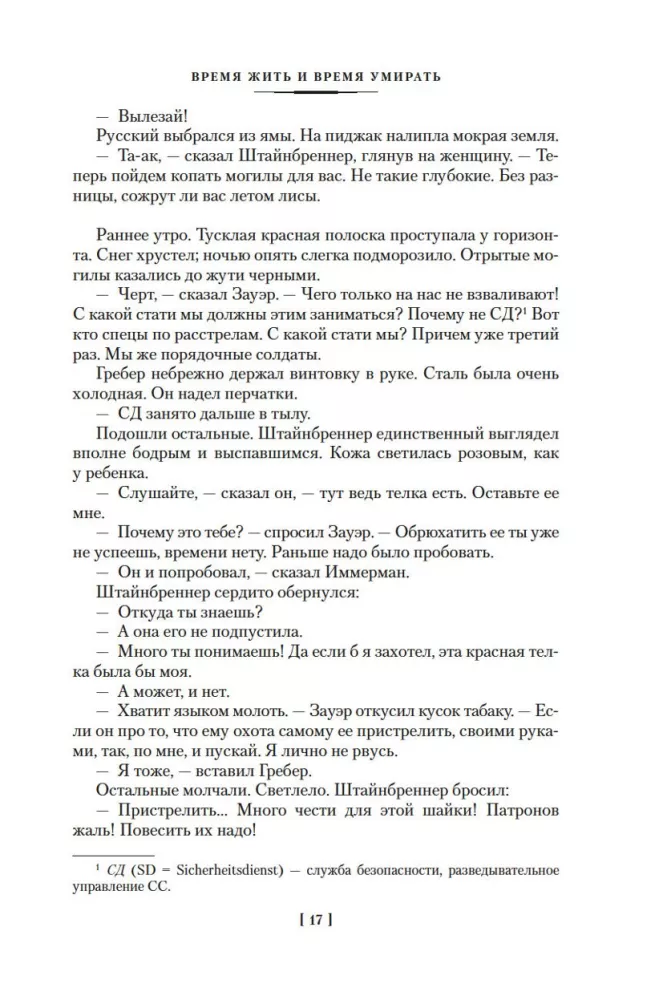
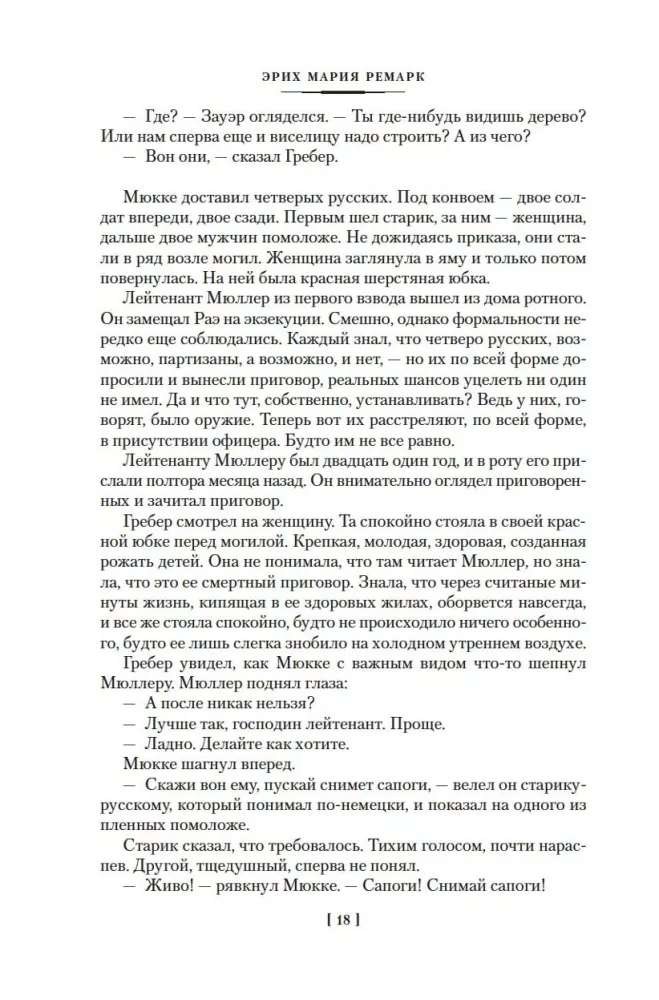
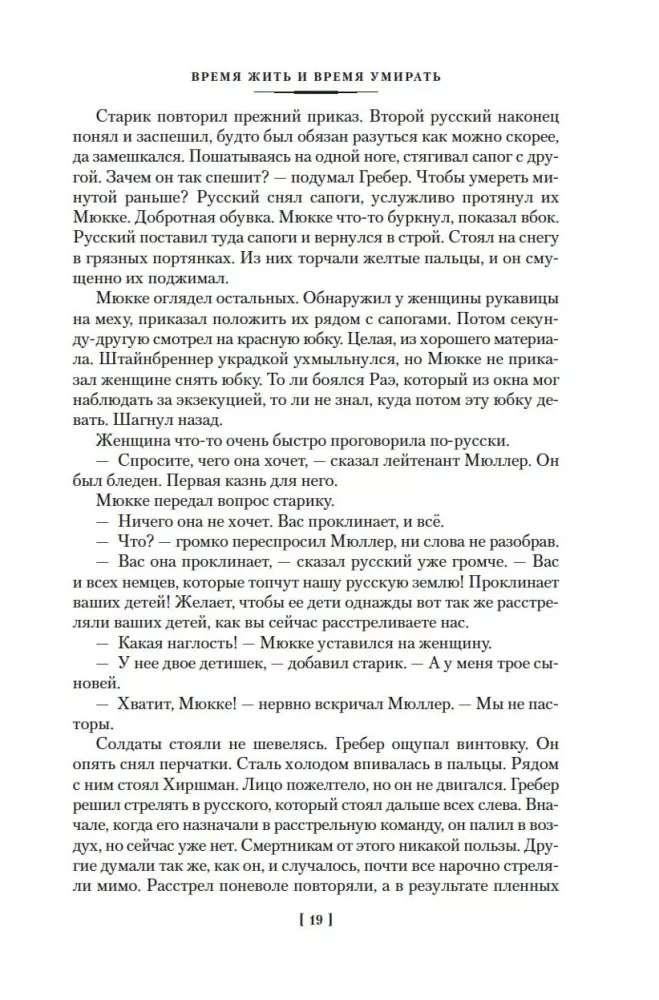
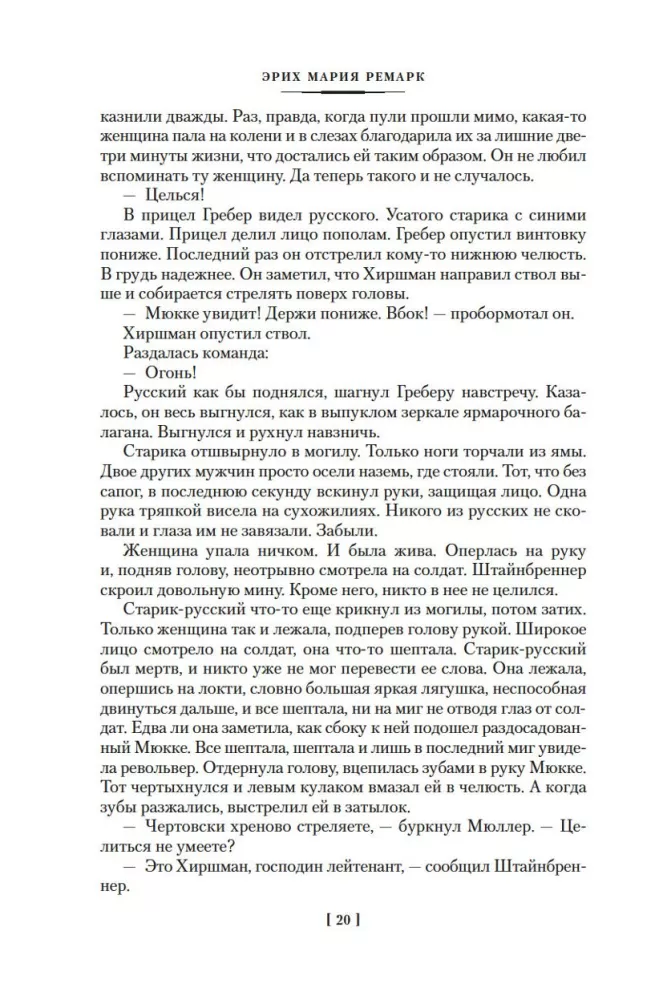
The novel «Time to Live and Time to Die» (1954) immerses the reader in the tragic reality of the mid-20th century. At the center of the narrative — the fate of German soldier Ernst Greber. After receiving a three-week leave from the Eastern Front, he returns to his hometown and seems to live an entire life in those few days. Against the backdrop of a crumbling world, reflections on the fragility of human happiness, moral choice, and what remains with a person when the familiar way of life is destroyed by war resonate particularly sharply.
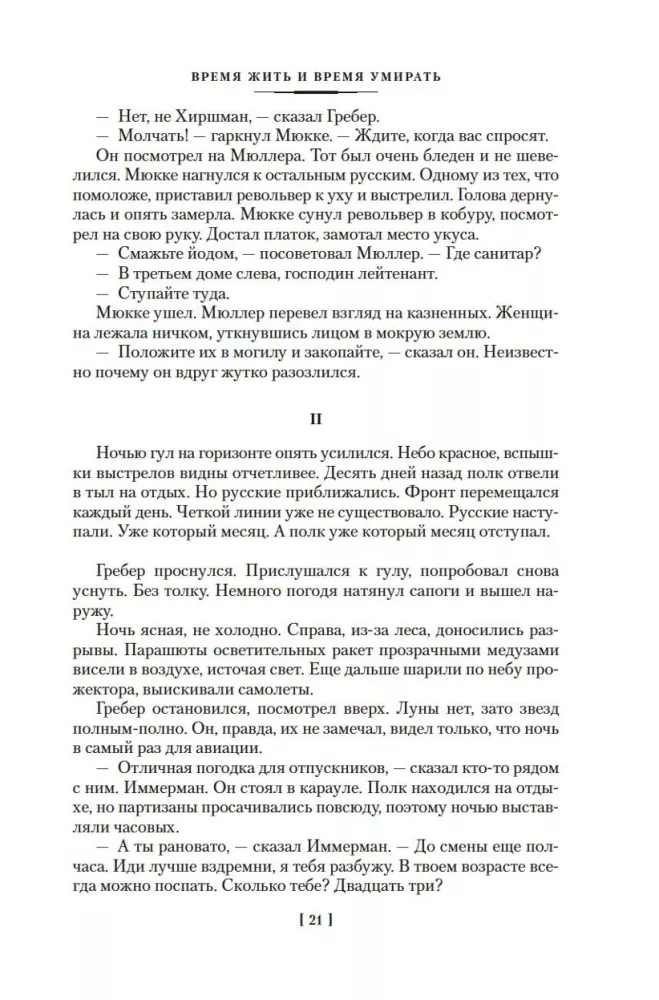
«The Black Obelisk» (1956) — a largely autobiographical novel that reveals the fates of the «lost generation». The action unfolds in Germany in 1923 — during the era of hyperinflation, growing social tension, and a troubling premonition of future disasters. The main character, 25-year-old Ludwig Bodmer, combines work as a tombstone seller with playing the organ in a mental hospital. Through this contrast, Remarque shows how, in an atmosphere of chaos and despair, a person tries to preserve the remnants of humanity and find their place in a rapidly changing world. The blend of socio-psychological plots and historical prose in the novel conveys an accurate testimony of the era and a subtle exploration of the inner world of a person.
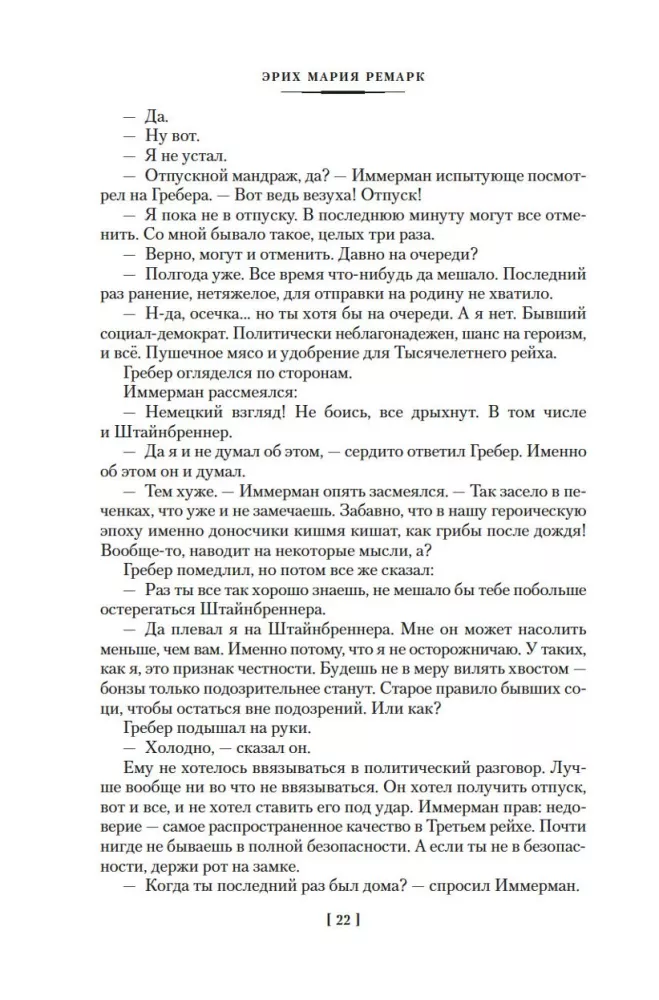
«Life on Credit» (1959) — a story about love that exists despite time and circumstances. Race car driver Clerfay and Lilian, who is terminally ill with tuberculosis, live each moment as if it were their last. Their relationship is devoid of illusions about the future but filled with the true value of the present. Remarque masterfully conveys the tension between the desire for freedom and the inevitability of loss, between the thirst for life and the awareness of its finiteness.
The three novels collected in one edition provide a comprehensive view of Remarque's creative method: here, psychological depth, historical accuracy, and philosophical reflection on human existence are combined.
The novel «Time to Live and Time to Die» (1954) immerses the reader in the tragic reality of the mid-20th century. At the center of the narrative — the fate of German soldier Ernst Greber. After receiving a three-week leave from the Eastern Front, he returns to his hometown and seems to live an entire life in those few days. Against the backdrop of a crumbling world, reflections on the fragility of human happiness, moral choice, and what remains with a person when the familiar way of life is destroyed by war resonate particularly sharply.
«The Black Obelisk» (1956) — a largely autobiographical novel that reveals the fates of the «lost generation». The action unfolds in Germany in 1923 — during the era of hyperinflation, growing social tension, and a troubling premonition of future disasters. The main character, 25-year-old Ludwig Bodmer, combines work as a tombstone seller with playing the organ in a mental hospital. Through this contrast, Remarque shows how, in an atmosphere of chaos and despair, a person tries to preserve the remnants of humanity and find their place in a rapidly changing world. The blend of socio-psychological plots and historical prose in the novel conveys an accurate testimony of the era and a subtle exploration of the inner world of a person.
«Life on Credit» (1959) — a story about love that exists despite time and circumstances. Race car driver Clerfay and Lilian, who is terminally ill with tuberculosis, live each moment as if it were their last. Their relationship is devoid of illusions about the future but filled with the true value of the present. Remarque masterfully conveys the tension between the desire for freedom and the inevitability of loss, between the thirst for life and the awareness of its finiteness.
The three novels collected in one edition provide a comprehensive view of Remarque's creative method: here, psychological depth, historical accuracy, and philosophical reflection on human existence are combined.
Author: Эрих Мария Ремарк
Printhouse: Azbuka
Series: Foreign Literature. Big Books
Age restrictions: 16+
Year of publication: 2026
ISBN: 9785389330788
Number of pages: 960
Size: 210х150х45 mm
Cover type: hard
Weight: 985 g
ID: 1749577
In stock
€ 19.99
Will be delivered to United States on :
Unfortunately, we are currently unable to deliver orders to your region.
In stock
€ 19.99
Will be delivered to United States on :
Unfortunately, we are currently unable to deliver orders to your region.
Bestsellers







Bestseller
€ 12.19
In stock
Kanashibari. Until the Last Lantern Goes Out. Volume 1
Ангелина Шэн, Вероника Шэн