New
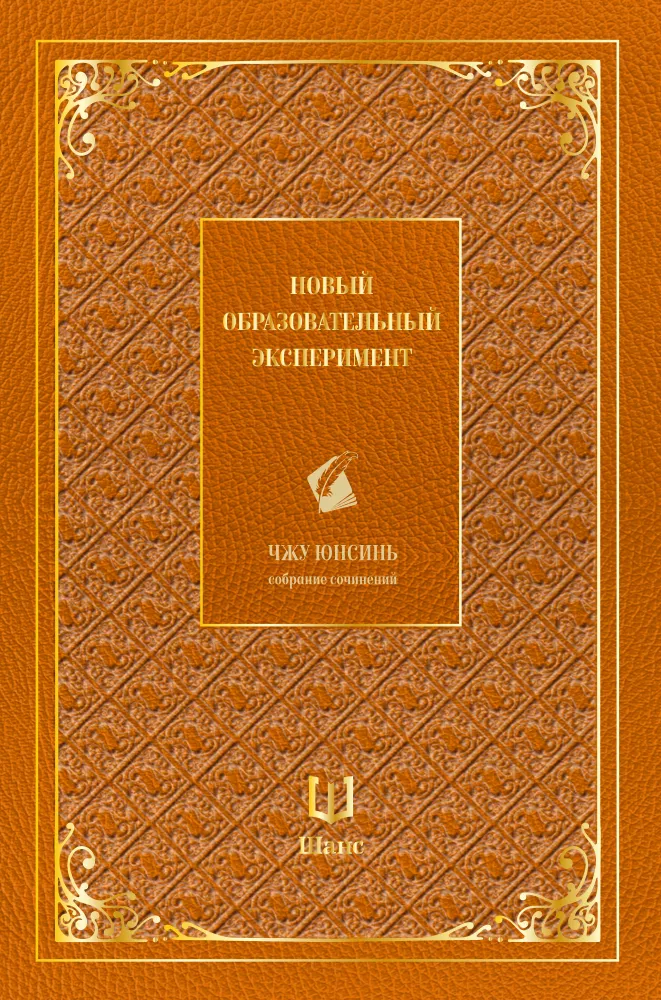
New Educational Experiment / Zhu Yunsin
China has the largest public education system in the world; however, there are still disparities between urban and rural areas, eastern and western regions, as well as disagreements in ideological approaches. In this context, the «New Educational Experiment», whose foundations...
were laid in 2000, serves as a model for «bottom-up» reforms. The process is initiated by teachers and local communities and has involved more than 5,200 schools and 570,000 participants. «By giving a scientific definition to new education, it can be characterized as an educational experiment that begins with the professional development of teachers, uses the “Ten Important Measures” in its approach, and aims to help teachers and students achieve a happy and perfect life,» writes Zhu Yunsin. New education is viewed as a special lifestyle — «a happy and perfect life in education», based on three key concepts: ontology, axiology, and methodology. The work pays great attention to the harmonious development of personality and methods for implementing the tasks of new education: the «New Citizen» and «New Life» projects, the creation of an intellectual learning campus, and others. The book presents a chronology of more than twenty years of practice with real examples and offers a model for global transformations. Zhu Yunsin is a member of the Standing Committee of the National People's Congress (NPC), vice-chairman of the China Association for Promoting Democracy (CAPD), vice-president of the Chinese Society of Education (CSE), professor, and academic supervisor at Suzhou University. During numerous trips across the country, he promotes the concept of new education and records his observations and impressions. The book is aimed at students and specialists in sinology, pedagogy, as well as anyone interested in Chinese culture, history, and the current state of public education in China.
Author: Чжу Юнсинь
Printhouse: Shans
Age restrictions: 12+
Year of publication: 2026
ISBN: 9785907853607
Number of pages: 536
Size: 218х150х32 mm
Cover type: hard
Weight: 780 g
ID: 1748983
In stock
€ 18.39
Will be delivered to United States on 28 September (Mo):
By courier
from € 38.94
Bestsellers



€ 13.29
In stock
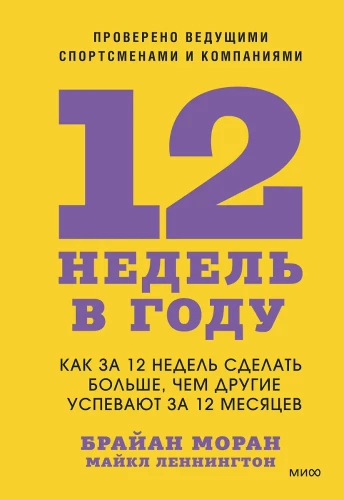
12 Weeks in a Year. How to Achieve More in 12 Weeks Than Others Do in 12 Months
Майкл Леннингтон, Брайан Моран

€ 7.89
In stock
Choice. On the Freedom and Inner Strength of a Person
Эдит Ева Эгер, Эсме Швалль-Вейганд

€ 14.99
In stock
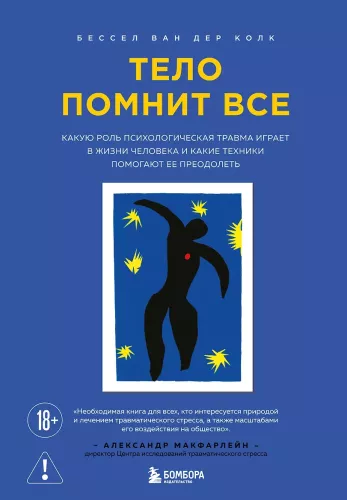
The Body Remembers Everything: The Role of Psychological Trauma in a Person's Life and Techniques to Overcome It
Бессел ван дер Колк
€ 5.29
In stock

€ 6.99
In stock