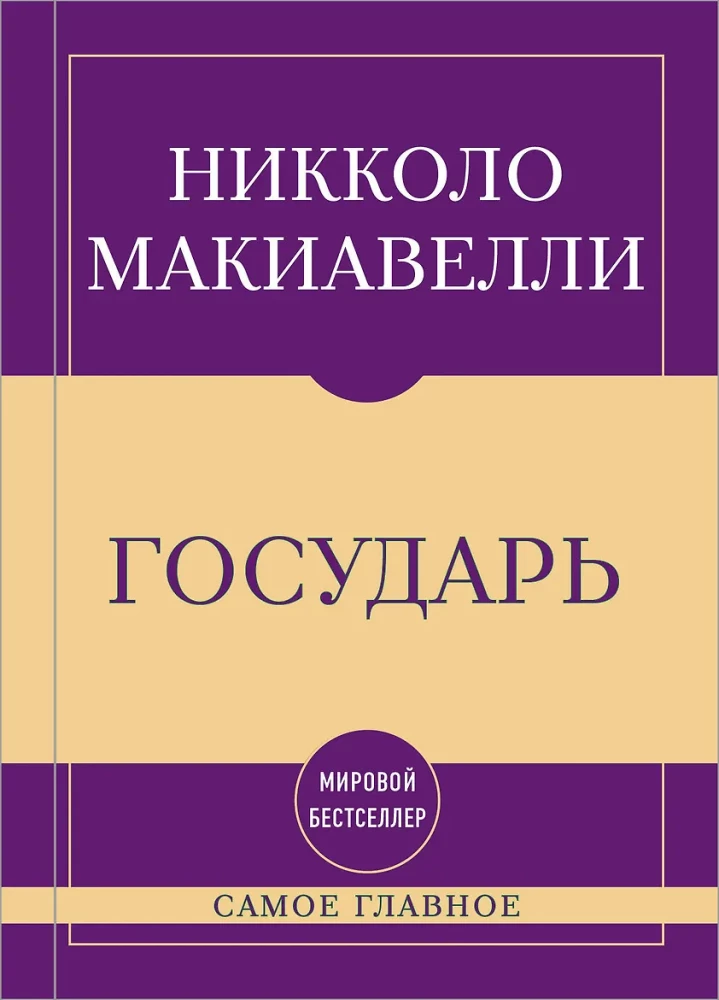



The Prince
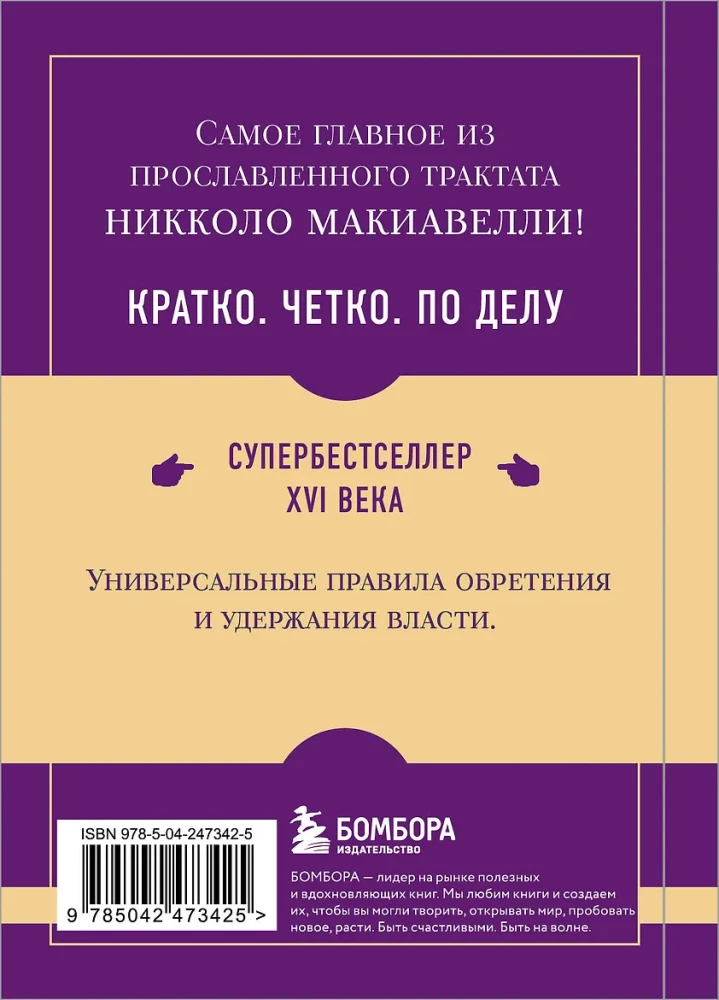
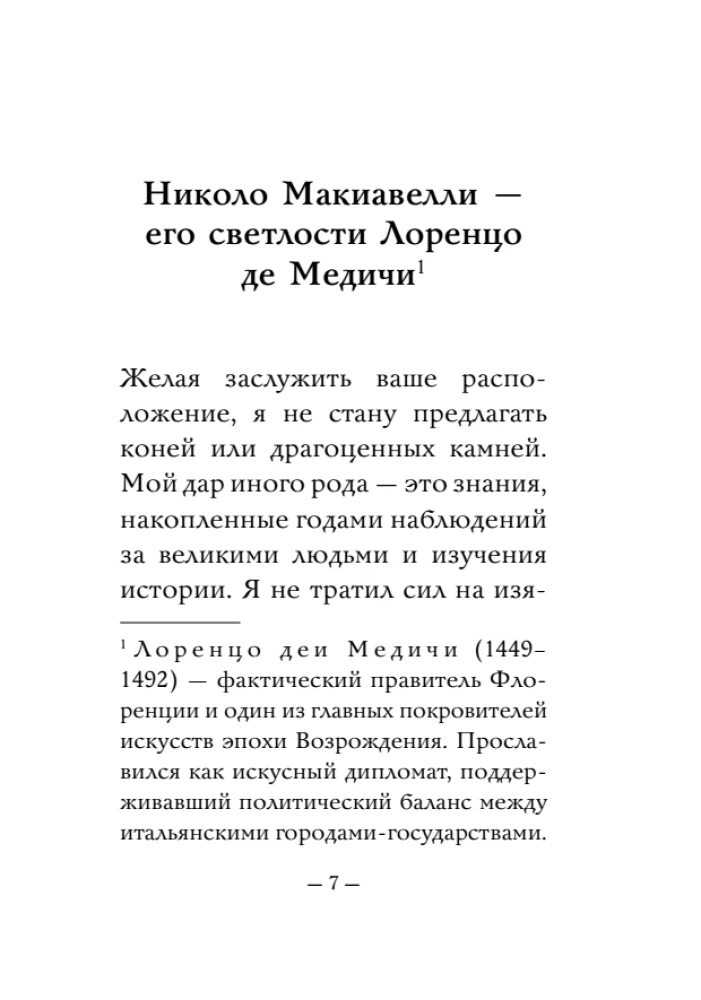
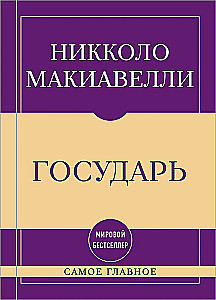
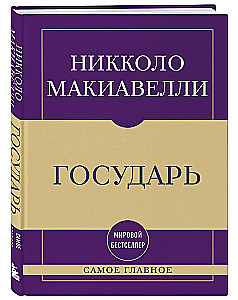
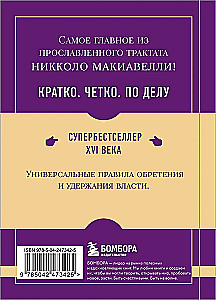
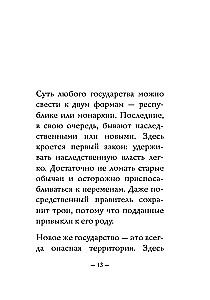
«The Most Important. The Prince» — this is a book about power, state administration, and political realism. Niccolò Machiavelli formulated ideas that have remained part of the conversation about rulers, their goals, and methods of maintaining influence for centuries. Here...
are the key thoughts of the famous treatise in a shortened and accessible form. This format will suit those who want to quickly understand why «The Prince» is considered one of the main books on the mechanisms of power and the relationships between rulers and subjects.
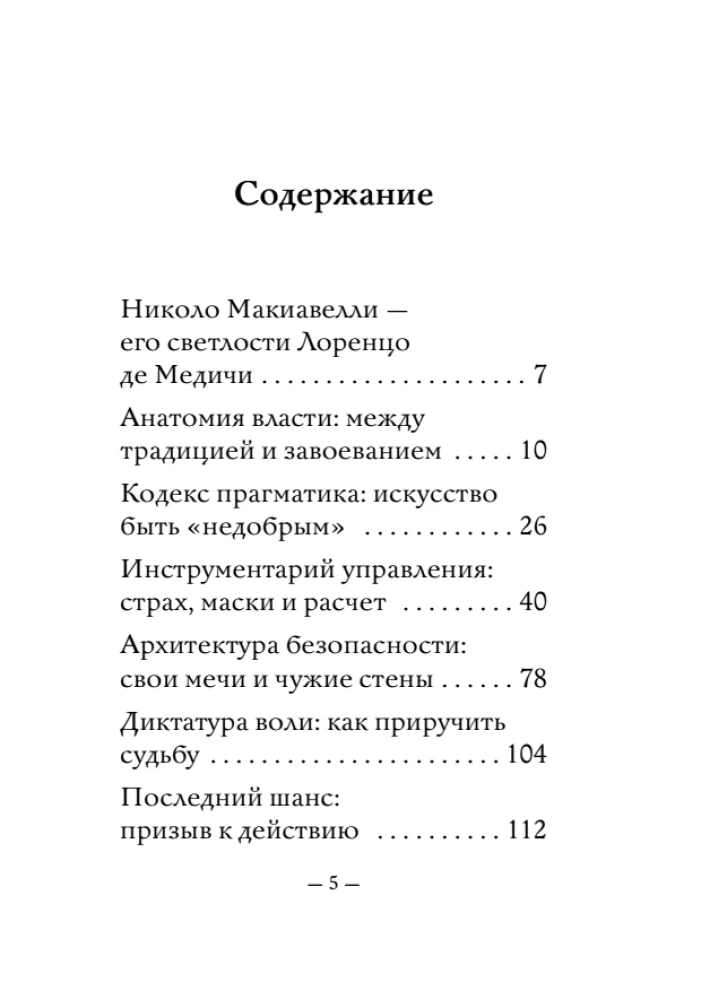
At its core — a brief overview of the treatise «The Prince», dedicated to how power is acquired, maintained, and how a state is governed. The author writes not about the desired political order, but about how, in his opinion, politics works in reality. The focus is on the qualities of the ruler, state interest, relationships with subjects, and the role of force, calculation, deception, and determination in governance. This is political philosophy and reflection on power, where moral norms do not always align with the tasks of rule.
The main feature of this edition — a cold and pragmatic view of politics. Machiavelli separates state governance from common notions of virtue and shows that to maintain order, a ruler often acts ruthlessly. Important questions include when generosity is beneficial, why it is dangerous to lose the respect of subjects, how fear and loyalty relate, and how the personal qualities of the ruler influence the stability of power. This is not a complete translation with comments, but a popular reduction of the main theses, so the emphasis is on the most well-known and controversial thoughts.
This edition will be interesting to those who read about political philosophy, the history of ideas, state structure, and the nature of influence. It will be suitable for first encounters with Machiavelli, for independent reading, and for those who need a brief entry into the topic without referring to the full treatise. This option is convenient for students in the humanities and social sciences, who need to quickly grasp the essence of Machiavellian thought and decide whether to turn to the full version.
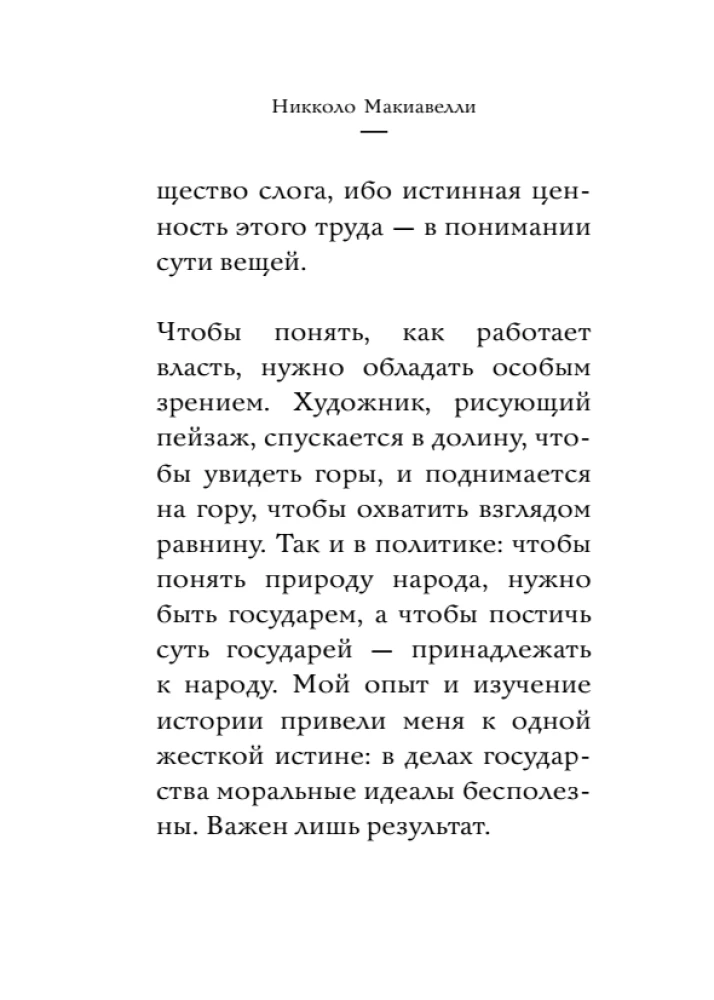
Machiavelli discusses power in an extremely straightforward manner. The book touches on themes of violence, deception, and a cynical attitude towards moral norms as tools of politics. The tone here is analytical and harsh: it is not about a moral ideal, but about the logic of political calculation. It is this straightforwardness that made the treatise scandalous and long established its reputation as one of the most discussed works on power.
At its core — a brief overview of the treatise «The Prince», dedicated to how power is acquired, maintained, and how a state is governed. The author writes not about the desired political order, but about how, in his opinion, politics works in reality. The focus is on the qualities of the ruler, state interest, relationships with subjects, and the role of force, calculation, deception, and determination in governance. This is political philosophy and reflection on power, where moral norms do not always align with the tasks of rule.
The main feature of this edition — a cold and pragmatic view of politics. Machiavelli separates state governance from common notions of virtue and shows that to maintain order, a ruler often acts ruthlessly. Important questions include when generosity is beneficial, why it is dangerous to lose the respect of subjects, how fear and loyalty relate, and how the personal qualities of the ruler influence the stability of power. This is not a complete translation with comments, but a popular reduction of the main theses, so the emphasis is on the most well-known and controversial thoughts.
This edition will be interesting to those who read about political philosophy, the history of ideas, state structure, and the nature of influence. It will be suitable for first encounters with Machiavelli, for independent reading, and for those who need a brief entry into the topic without referring to the full treatise. This option is convenient for students in the humanities and social sciences, who need to quickly grasp the essence of Machiavellian thought and decide whether to turn to the full version.
Machiavelli discusses power in an extremely straightforward manner. The book touches on themes of violence, deception, and a cynical attitude towards moral norms as tools of politics. The tone here is analytical and harsh: it is not about a moral ideal, but about the logic of political calculation. It is this straightforwardness that made the treatise scandalous and long established its reputation as one of the most discussed works on power.
Author: Никколо Макиавелли
Printhouse: Eksmo
Series: The Most Important. Global Bestsellers in Brief
Age restrictions: 16+
Year of publication: 2026
ISBN: 9785042473425
Number of pages: 128
Size: 148х107х13 mm
Cover type: hard
Weight: 115 g
ID: 1744552
In stock
€ 4.29
Will be delivered to United States on 1 October (Th):
By courier
from € 38.94
Bestsellers




€ 13.29
In stock
12 Weeks in a Year. How to Achieve More in 12 Weeks Than Others Do in 12 Months
Майкл Леннингтон, Брайан Моран

€ 7.89
In stock
Choice. On the Freedom and Inner Strength of a Person
Эдит Ева Эгер, Эсме Швалль-Вейганд


€ 6.99
In stock

Publishers "Eksmo" recommends








Bestseller
€ 14.99
In stock
FNAF Silver Eyes. Graphic Novel
Кира Брид-Райсли, Скотт Коутон, Карл Шрёдер



Bestseller
€ 13.49
In stock
Viva la vagina. Хватит замалчивать скрытые возможности органа, который не принято называть
БРОКМАНН Н., СТЁКЕН ДАЛЬ Э.