Nirvana-Tantra
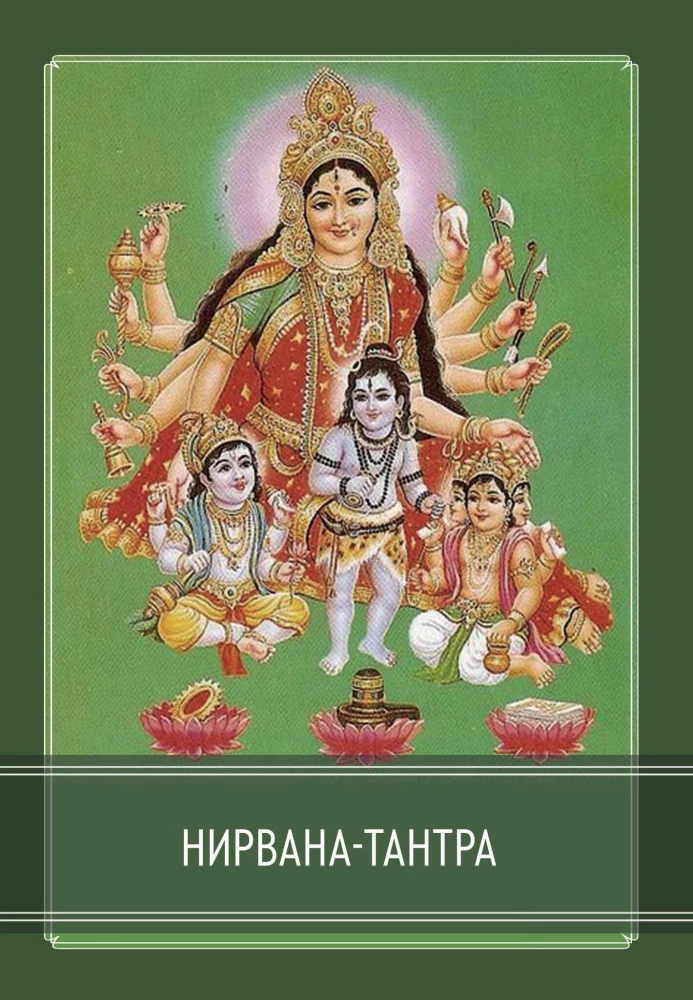
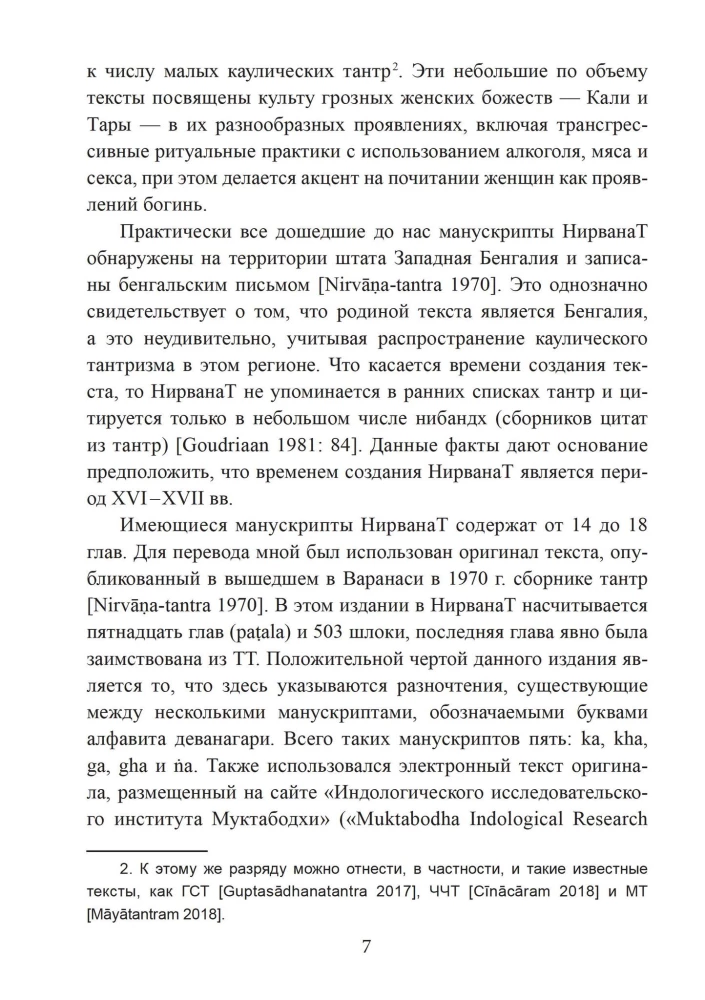
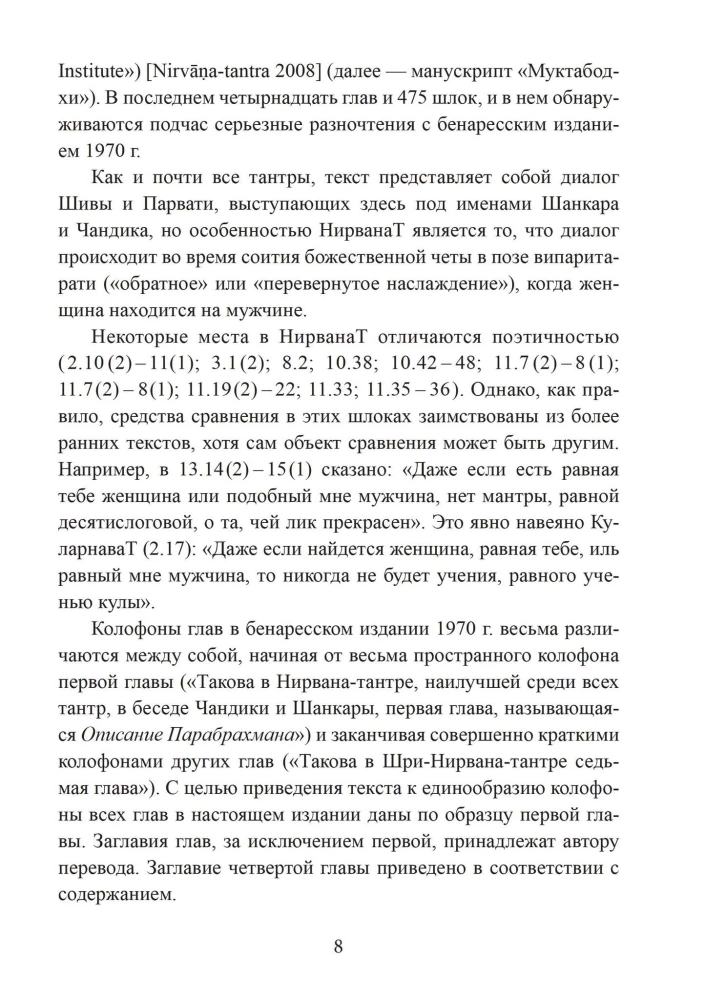
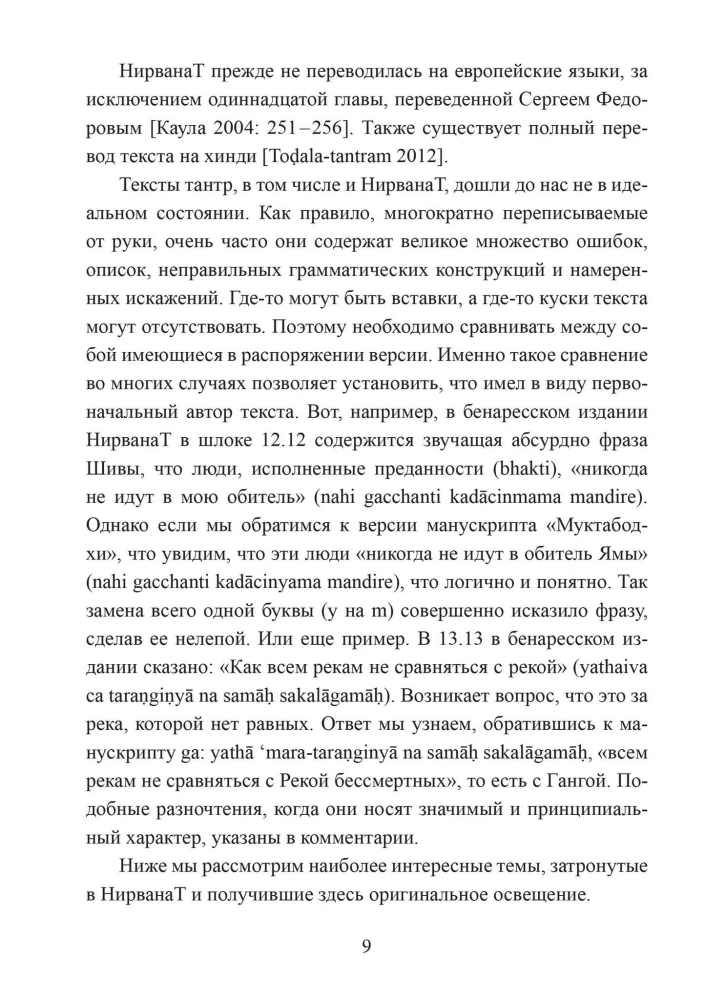
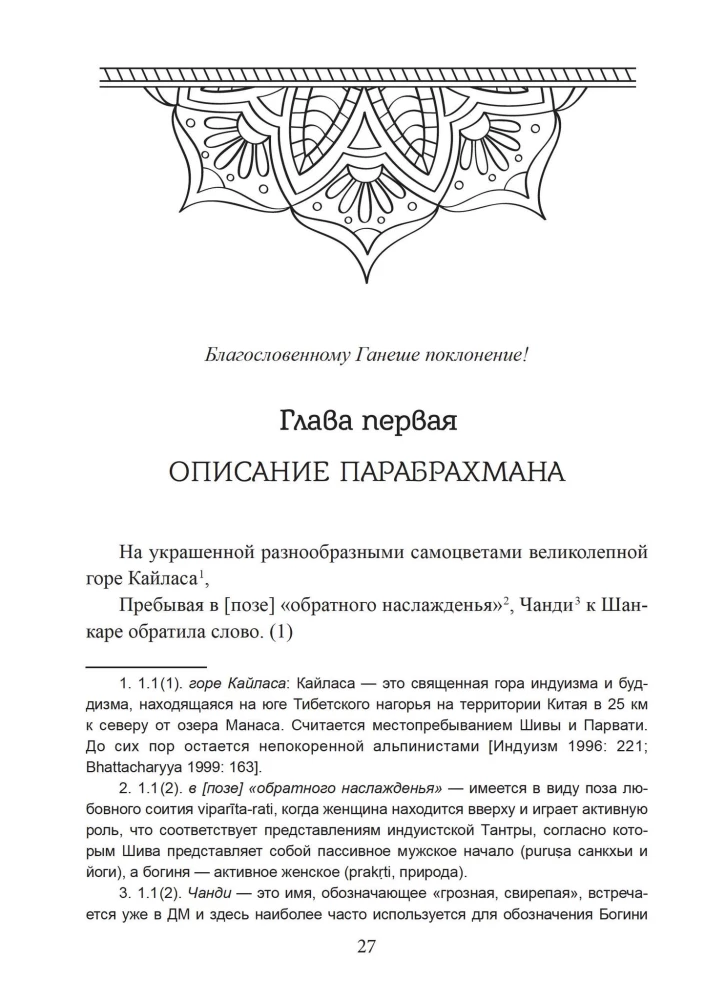
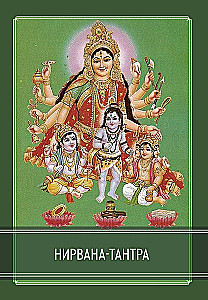
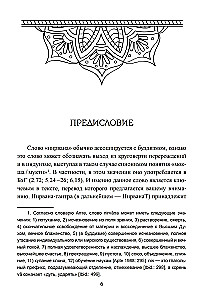
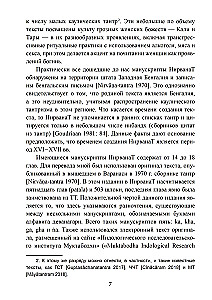
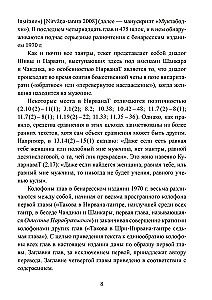
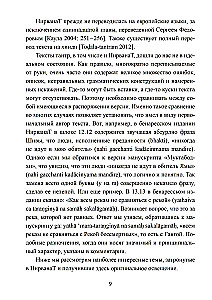
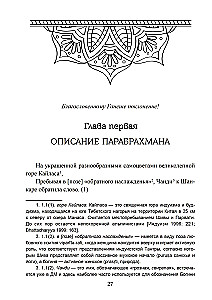
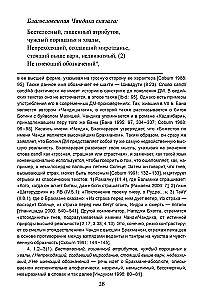
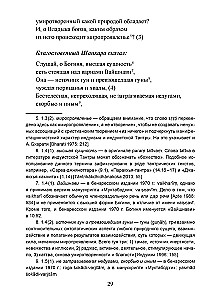
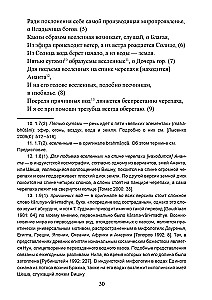
Nirvana-Tantra is a dialogue between Chandika and Shankara, but not just a conversation, rather a conversation during the act of viparita-rati, when the woman is on top. The tantra presents a peculiar myth about what precedes the manifestation of the...
world. It emphasizes the supreme position of Kali, to whom Shiva is depicted as a son. The idea of the infinite multiplicity of worlds is constantly put forward (like bubbles on the surface of the ocean or grains of sand). There is also a reference to the active participation of women-shakti in ritual practices.
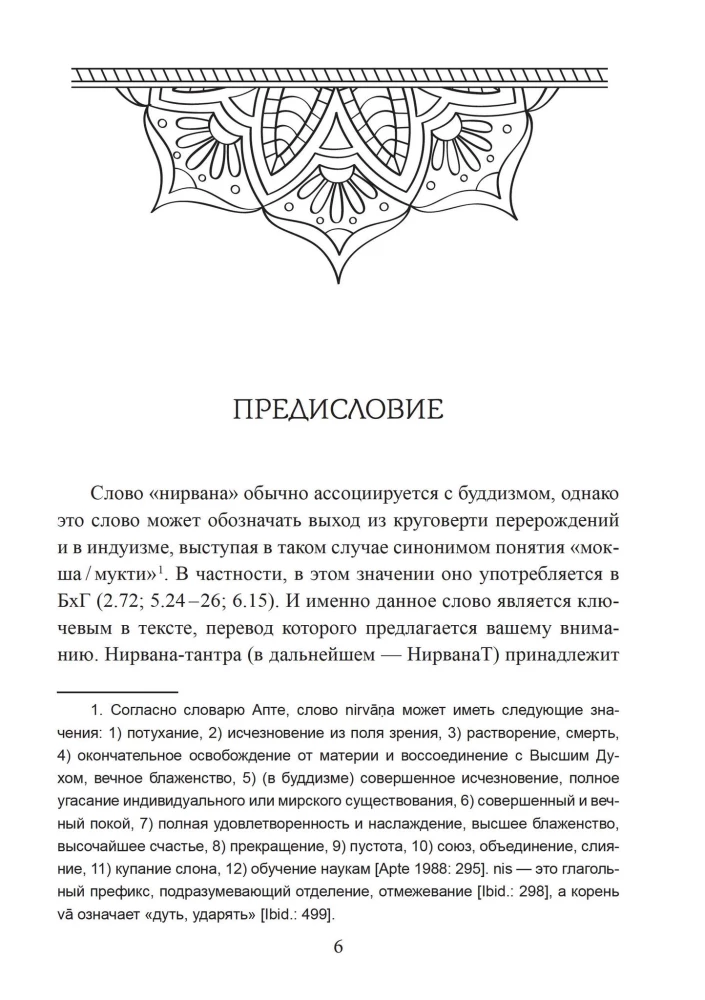
It is well known that Tantra is characterized by the idea of the parallelism of the macrocosm (brahmanda) and the microcosm (the body). In Nirvana-Tantra, this idea is particularly emphasized. Here, the microcosm is the body of any being, not just that of a human. Moreover, the universe in which we live turns out to be a being, among an infinite number of others located within an even larger universe – mahabrahmanda, just as the countless numbers of mahabrahmandas are contained within a universe of an even higher level – brihadbrahmanda.
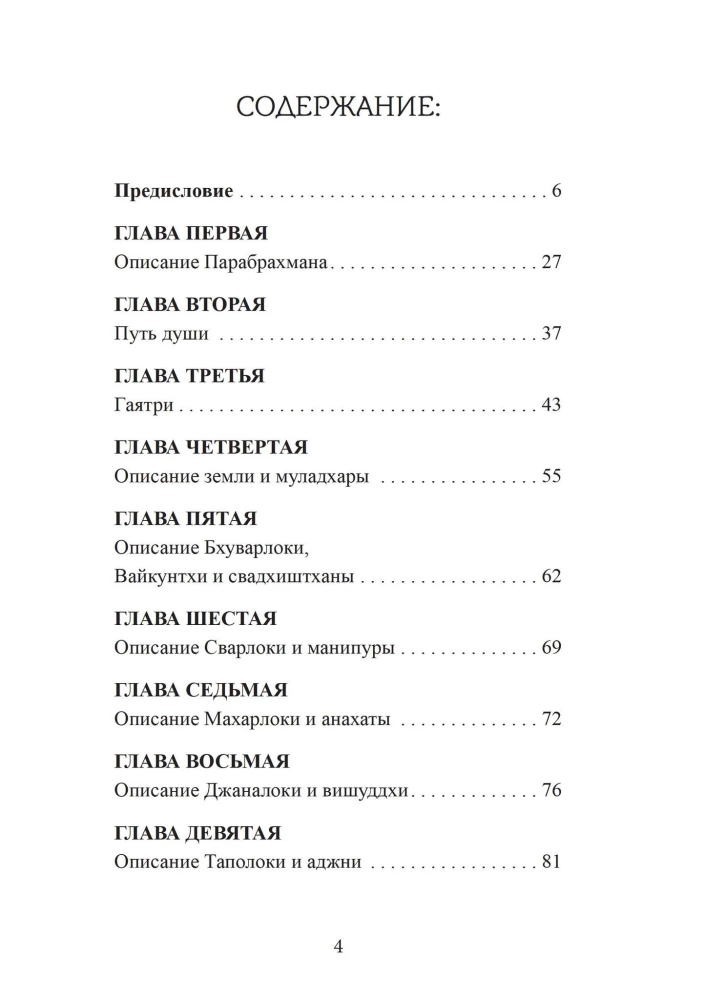
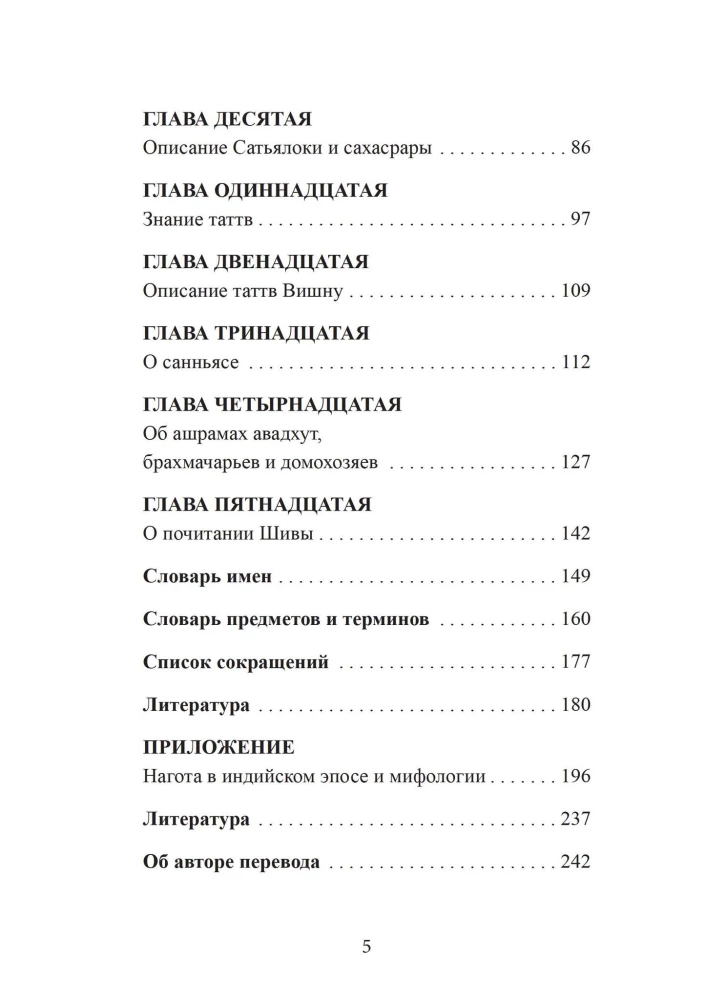
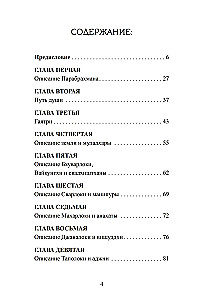
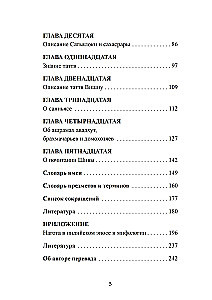
This translation is accompanied by a commentary and two dictionaries: 1) of names, 2) of objects and terms. As an appendix, the book contains an article "Nagotava in Indian Epics and Mythology".
It is well known that Tantra is characterized by the idea of the parallelism of the macrocosm (brahmanda) and the microcosm (the body). In Nirvana-Tantra, this idea is particularly emphasized. Here, the microcosm is the body of any being, not just that of a human. Moreover, the universe in which we live turns out to be a being, among an infinite number of others located within an even larger universe – mahabrahmanda, just as the countless numbers of mahabrahmandas are contained within a universe of an even higher level – brihadbrahmanda.
This translation is accompanied by a commentary and two dictionaries: 1) of names, 2) of objects and terms. As an appendix, the book contains an article "Nagotava in Indian Epics and Mythology".
Printhouse: KASTALIIa
Age restrictions: 16+
Year of publication: 2024
ISBN: 9785521240845
Number of pages: 242
Size: 217х155х15 mm
Cover type: hard
Weight: 414 g
ID: 1744197
Sold out
€ 22.69
Sold out
€ 22.69
Bestsellers
€ 5.29
In stock
Love Your Illness. How to Become Healthy by Knowing the Joy of Life
Валерий Синельников
€ 12.19
In stock
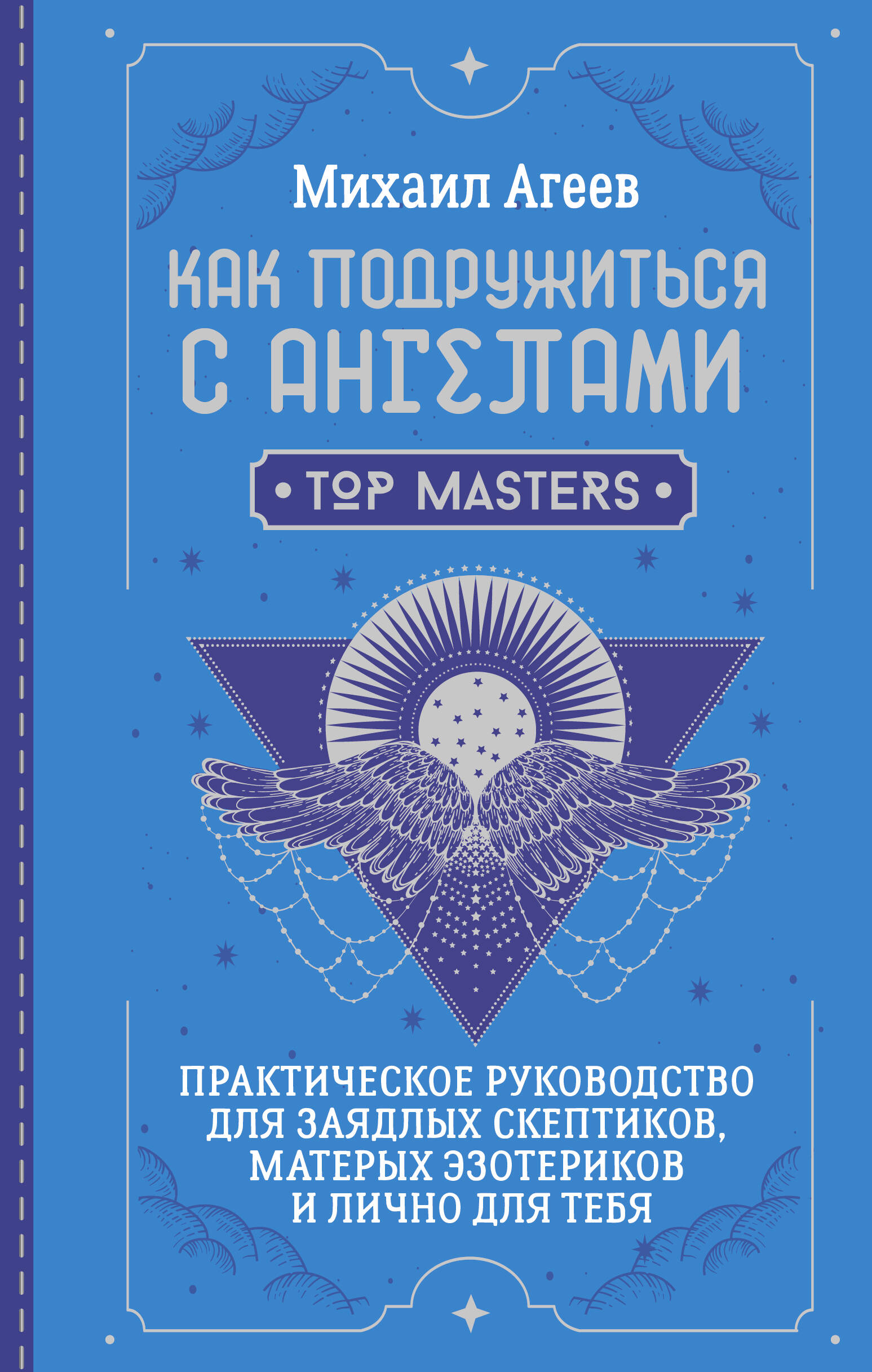
How to Make Friends with Angels. A Practical Guide for Avid Skeptics, Seasoned Esoterics, and Personally for You
Михаил Агеев
€ 13.89
In stock
Magic. The Big Book. The Theory of Magic, Rituals, Spells, and Practices to Improve Life
Ольга Корбут