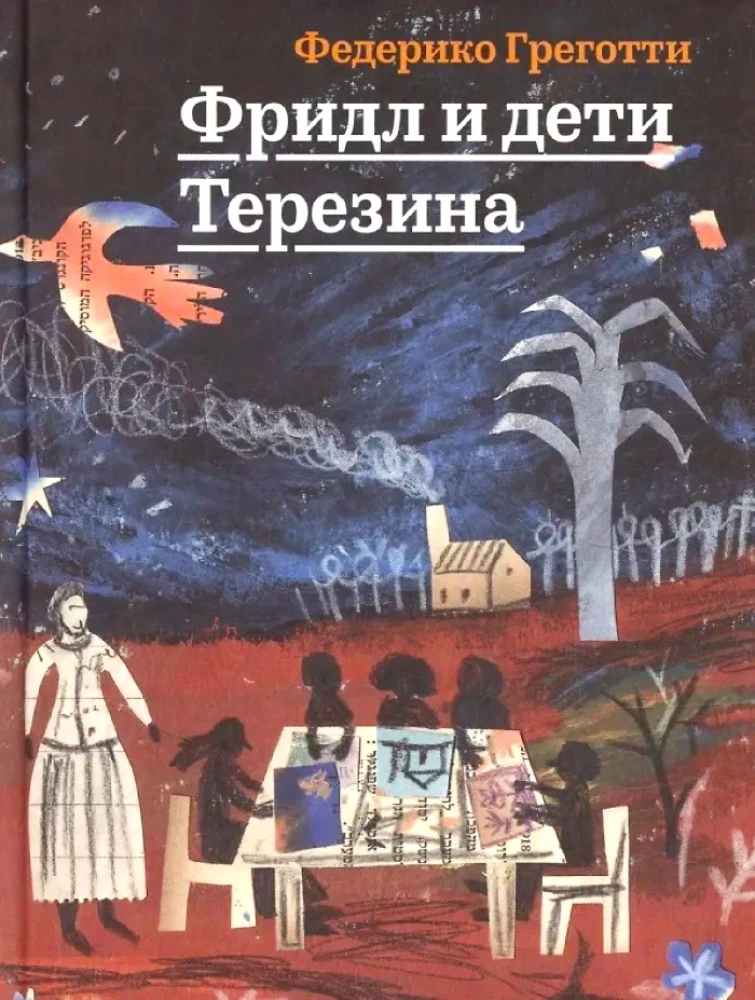
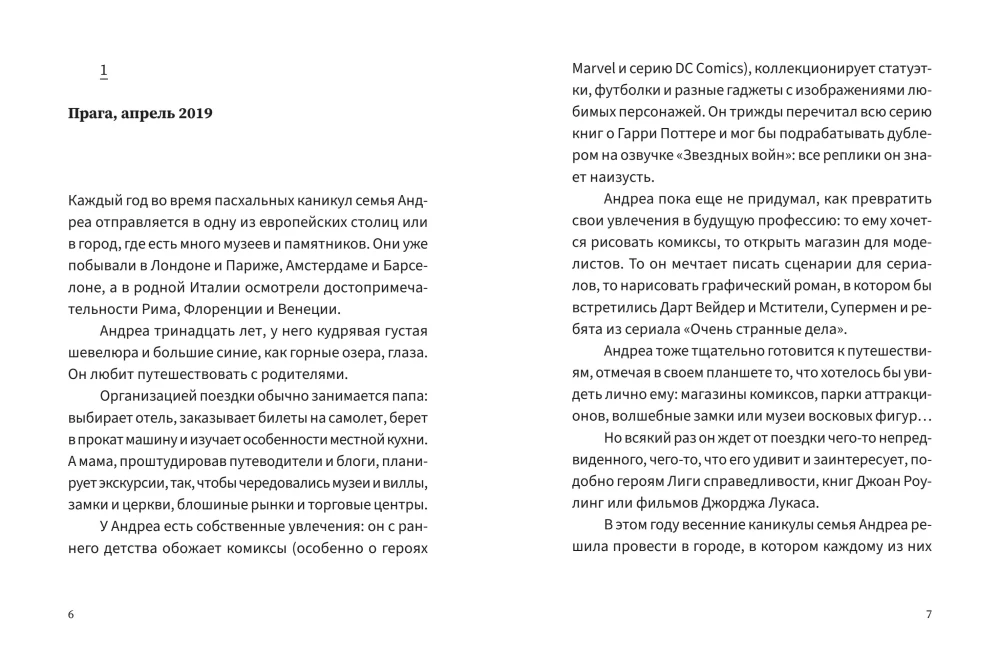
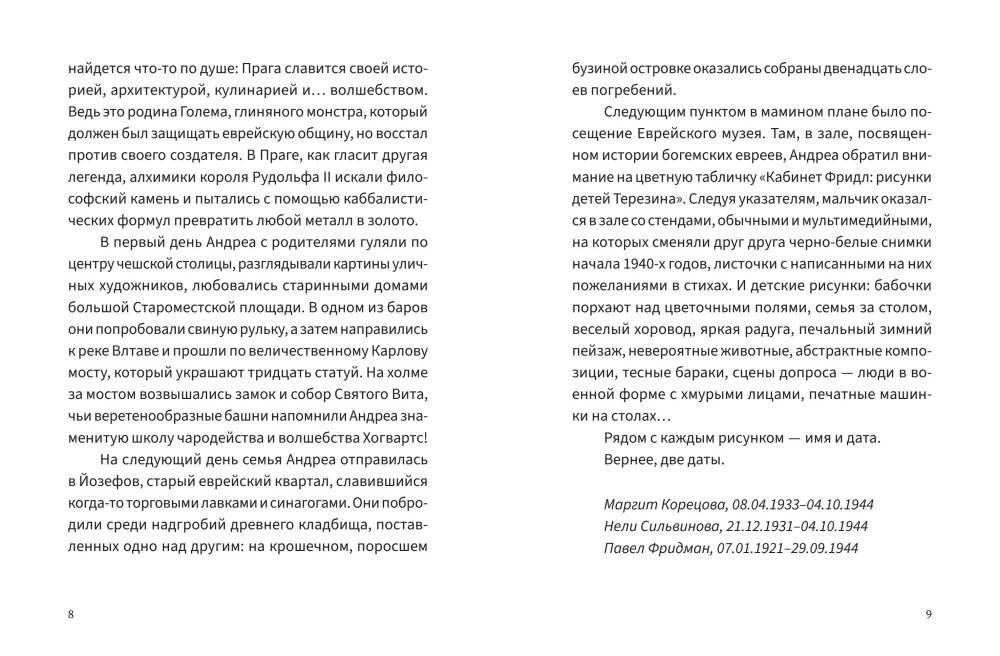
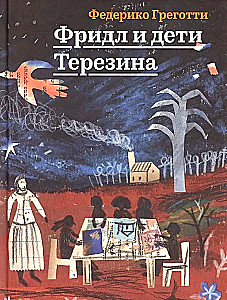
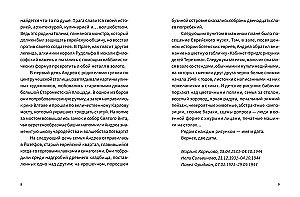
Friedl and the Children of Theresienstadt
Can art save? What is its purpose in the face of inevitable catastrophe? Viennese artist Friedl Dicker-Brandeis (1898–1944), who ended up in the Theresienstadt ghetto in 1942, engaged in drawing with the deported children there, doomed to die. After all,...
prisoners were sent from Theresienstadt to Auschwitz. Most of Friedl's young students perished in the Holocaust. But together with her, they painted life, finding freedom and hope in creativity. Friedl managed to collect, annotate, and hide 5,000 children's drawings, many of which are stored in the Jewish Museum in Prague. Friedl preserved the memory of hundreds of exterminated children, and her method became the basis for modern art therapy.
Author: Федерико Греготти
Printhouse: Knizhniki
Series: Keshet / Rainbow
Age restrictions: 16+
Year of publication: 2025
ISBN: 9785604974179
Number of pages: 128
Size: 170х130х15 mm
Cover type: hard
Weight: 156 g
ID: 1742955
Sold out
€ 11.49
Sold out
€ 11.49
Bestsellers


€ 13.29
In stock
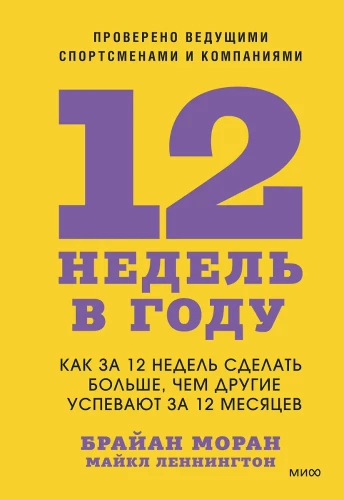
12 Weeks in a Year. How to Achieve More in 12 Weeks Than Others Do in 12 Months
Майкл Леннингтон, Брайан Моран

€ 7.89
In stock
Choice. On the Freedom and Inner Strength of a Person
Эдит Ева Эгер, Эсме Швалль-Вейганд


€ 6.99
In stock