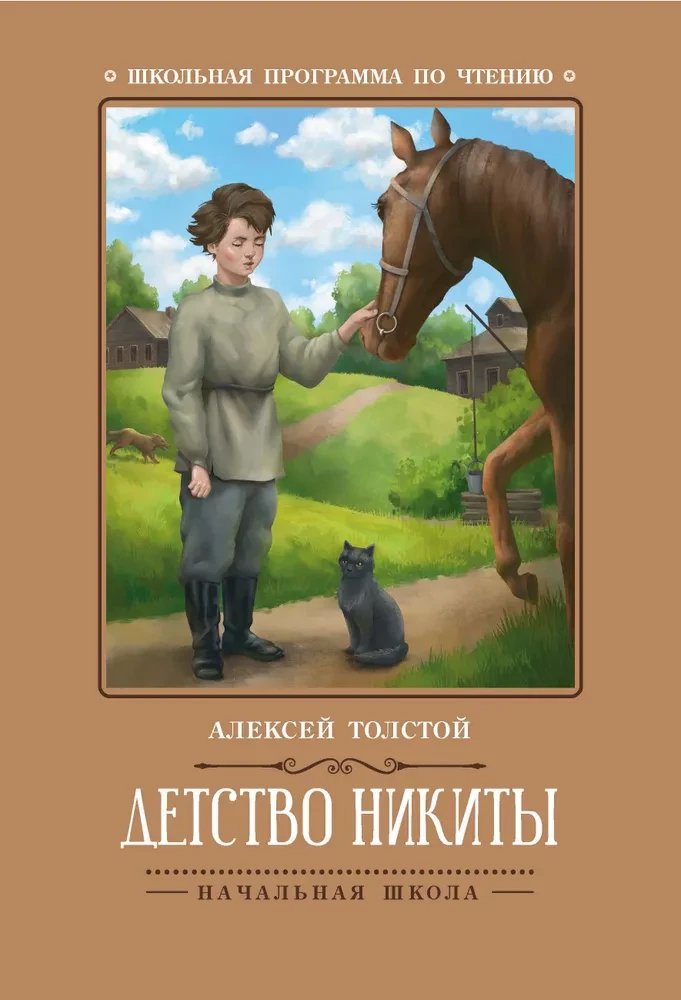
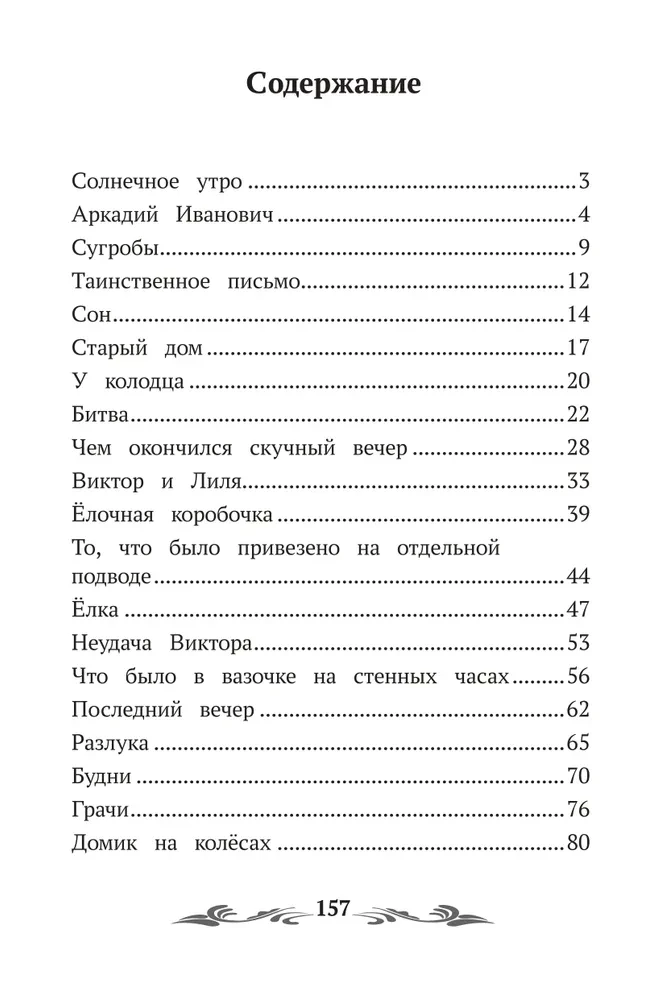
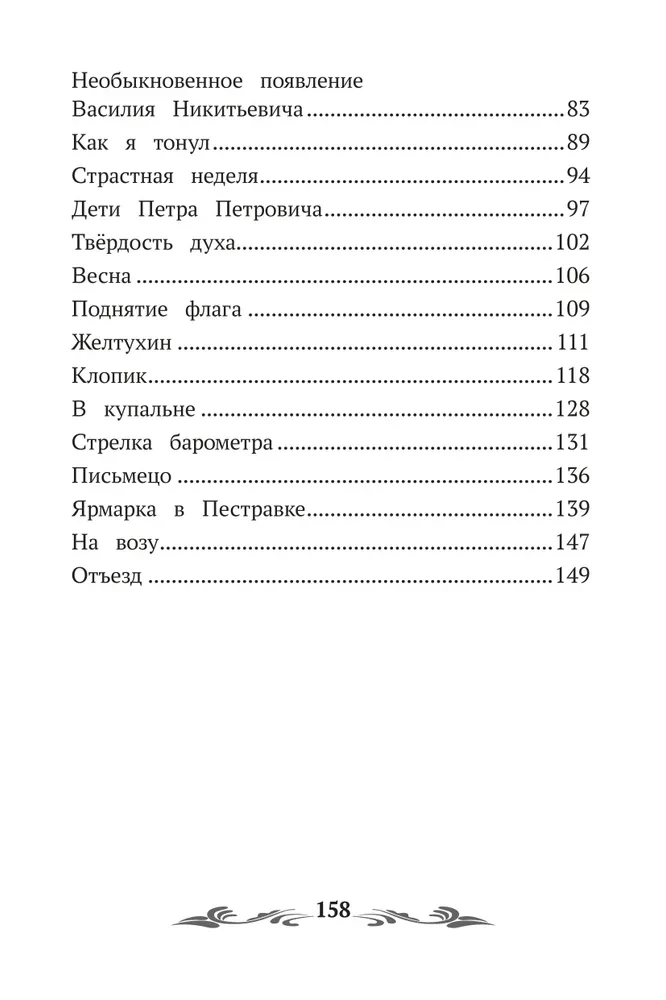
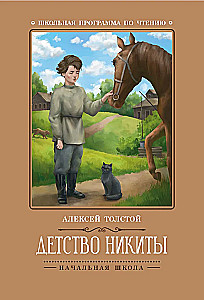
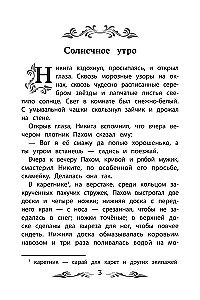
Childhood of Nikita
Alexei Nikolayevich Tolstoy (1883-1945) - a prominent Russian and Soviet writer, author of historical novels ("Walking Through Torments", "Peter I"), science fiction ("Aelita", "The Hyperboloid of Engineer Garin"), satirical works ("The Adventures of Nezovtsev, or Ibikus", "Emigrants"), plays, as well...
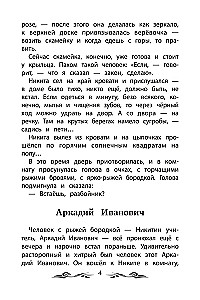
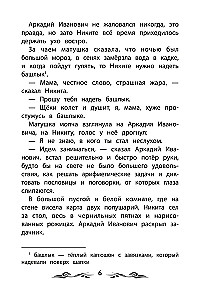
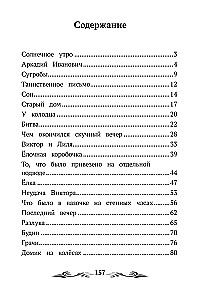
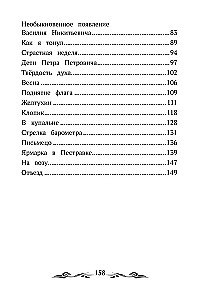
as works for children ("Childhood of Nikita", "The Golden Key, or The Adventures of Buratino"). Many of his works have enjoyed and continue to enjoy well-deserved popularity and have been adapted into films. "Childhood of Nikita" is one of the most perfect creations of A. N. Tolstoy. The story about a year in the life of a boy named Nikita is woven from everyday sketches, picturesque descriptions of nature, little adventures, dreams, and memories. In this measured, unhurried world, where the boundary between man and nature is thin and almost conditional, there is room for innocent village amusements, first childhood love, heroism, strong boyish friendship, and the solidarity of people in resisting common misfortunes. According to K. I. Chukovsky, in this wonderful book, "both the sky is bluer, and the grass is greener, and the holidays are more festive; it exudes the calf-like delight of existence... It will make anyone a carefree boy with a live sparrow in his pocket. This is the Book of Happiness - it seems to be the only Russian book in which the author does not preach happiness, does not promise it in the future, but here and now emanates it from himself." For younger school-aged children. The text of the works is presented without abridgments.
The works from this collection are included in the school reading program for elementary school.
Classic books are the foundation for studying world literature and forming artistic taste. Children's literature encompasses not only fairy tales but also stories, novellas, and poems that introduce young readers to the world of literature.
The works from this collection are included in the school reading program for elementary school.
Classic books are the foundation for studying world literature and forming artistic taste. Children's literature encompasses not only fairy tales but also stories, novellas, and poems that introduce young readers to the world of literature.
Author: Алексей Толстой
Printhouse: Feniks
Series: School Reading Program
Age restrictions: 7+
Year of publication: 2026
ISBN: 9785222465820
Number of pages: 158
Size: 209х140х8 mm
Cover type: soft
Weight: 171 g
ID: 1731385
In stock
€ 5.09
Will be delivered to United States on 24 August (Mo):
By courier
from € 38.94
Bestsellers

€ 9.59
In stock