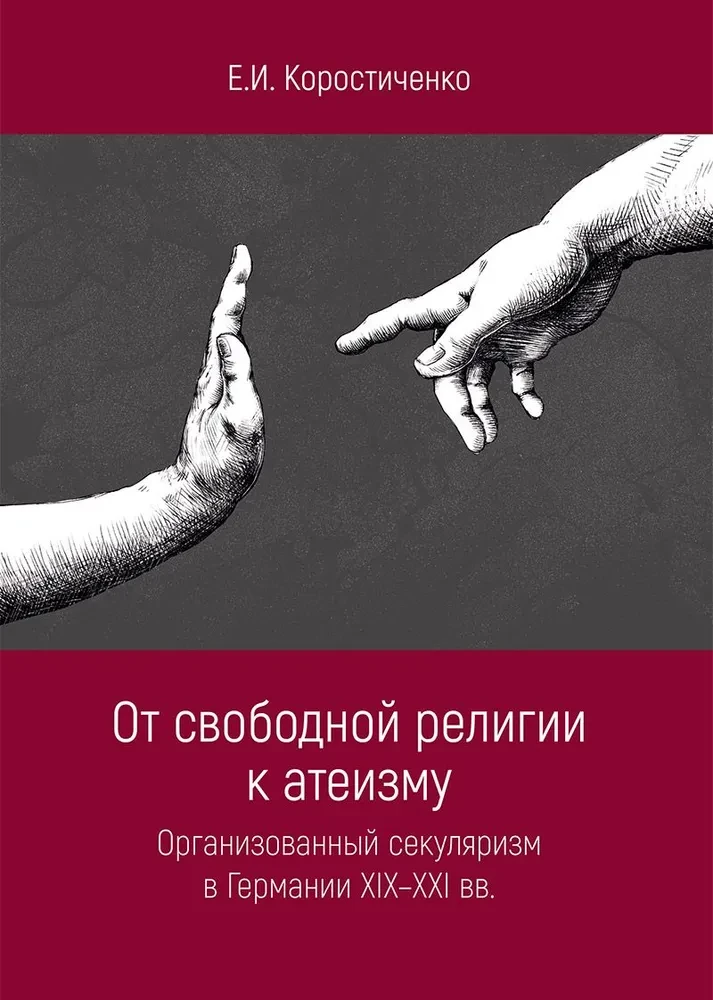
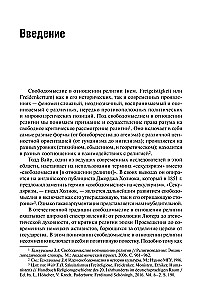
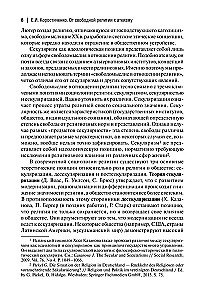
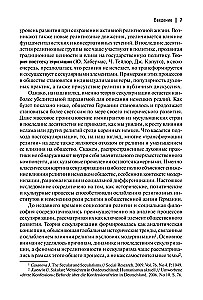
From Free Religion to Atheism. Organized Secularism in Germany in the 19th-21st Century.
How and why did Germany, the birthplace of Protestantism, become one of the most secular countries in Europe? This book uncovers the deep historical roots and contemporary manifestations of organized secularism, which played a key role in the transformation of...
German society. The author thoroughly examines how free-religious communities and bourgeois and proletarian movements of free thinkers not only reflected the processes of dechristianization and secularization but actively shaped them in different eras.
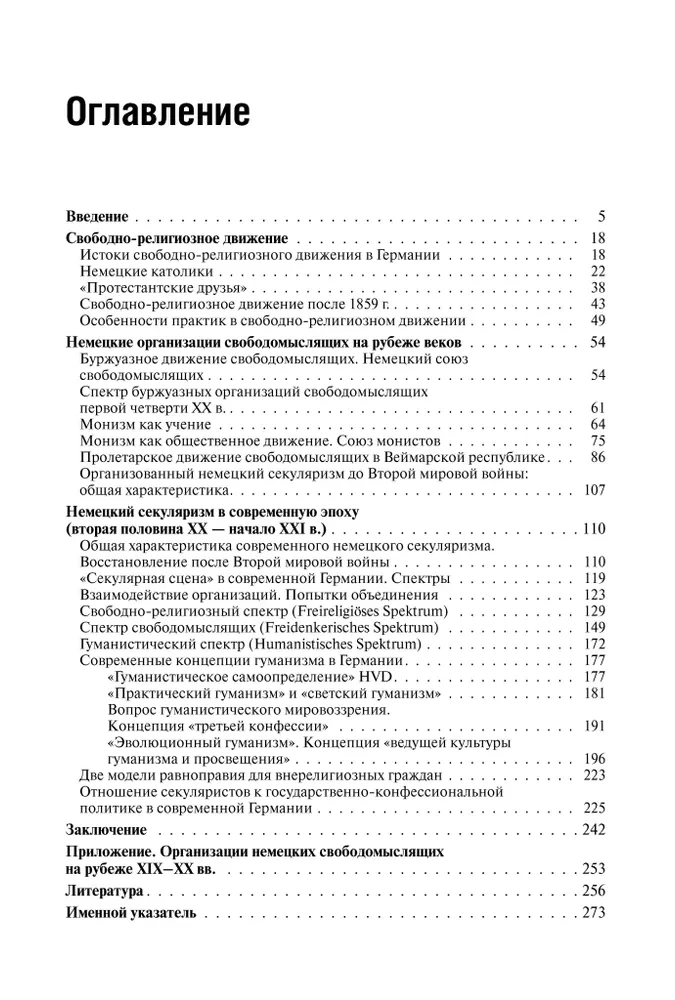
The book shows how, amid political upheavals, cultural shifts, and ideological conflicts of the 19th-20th centuries, secular organizations in Germany became an influential force promoting the ideas of rationalism, humanism, and the secular state. The second part is dedicated to the contemporary 'secular scene' in Germany: atheistic, humanistic, and free-religious communities striving not only to develop their beliefs but also to actively participate in the public life of the country.
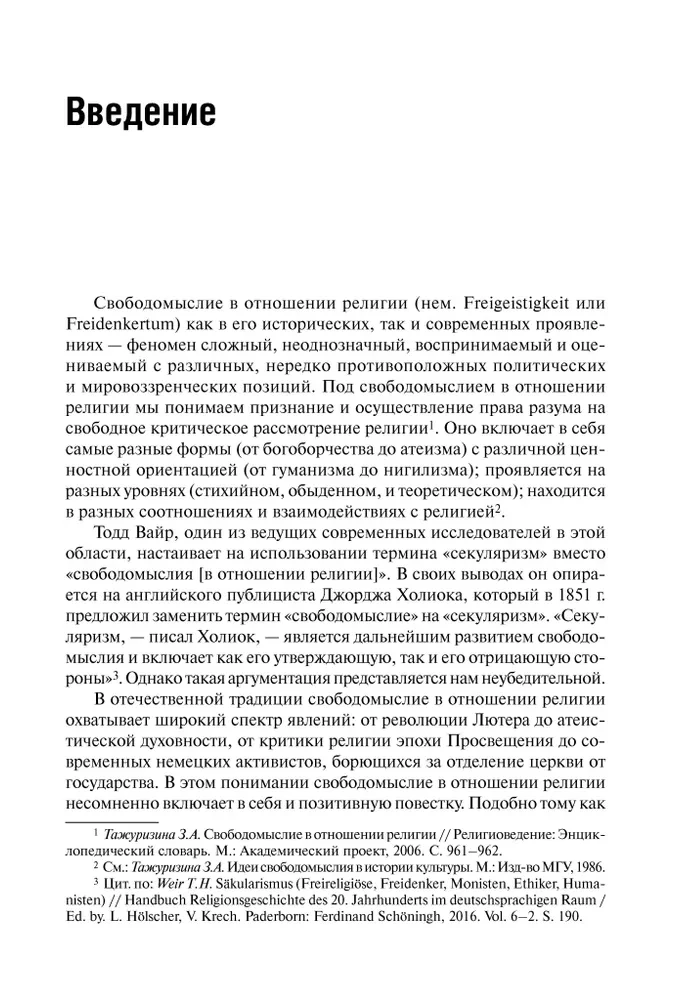
The book raises sharp questions about the future of religion, secular identity, and the significance of non-religious movements in shaping a secular society in the era of global challenges. The author engages a significant array of sources for historical-philosophical analysis. From the letters of the 'new Luther' Johann Ronge to contemporary media, the collected facts reflect the complex living phenomenology of secularization processes in Germany.
This study will be of interest not only to specialists but also to anyone seeking to understand how the religious landscape of Europe is changing and what role non-religious worldviews play in this process.
The book shows how, amid political upheavals, cultural shifts, and ideological conflicts of the 19th-20th centuries, secular organizations in Germany became an influential force promoting the ideas of rationalism, humanism, and the secular state. The second part is dedicated to the contemporary 'secular scene' in Germany: atheistic, humanistic, and free-religious communities striving not only to develop their beliefs but also to actively participate in the public life of the country.
The book raises sharp questions about the future of religion, secular identity, and the significance of non-religious movements in shaping a secular society in the era of global challenges. The author engages a significant array of sources for historical-philosophical analysis. From the letters of the 'new Luther' Johann Ronge to contemporary media, the collected facts reflect the complex living phenomenology of secularization processes in Germany.
This study will be of interest not only to specialists but also to anyone seeking to understand how the religious landscape of Europe is changing and what role non-religious worldviews play in this process.
Author: Екатерина Коростиченко
Printhouse: Akademicheskii proekt
Age restrictions: 16+
Year of publication: 2025
ISBN: 9785829144265
Number of pages: 277
Size: 215х150х14 mm
Cover type: hard
Weight: 350 g
ID: 1726556
Sold out
€ 20.69
Sold out
€ 20.69
Bestsellers




€ 13.29
In stock
12 Weeks in a Year. How to Achieve More in 12 Weeks Than Others Do in 12 Months
Майкл Леннингтон, Брайан Моран

€ 7.89
In stock
Choice. On the Freedom and Inner Strength of a Person
Эдит Ева Эгер, Эсме Швалль-Вейганд


€ 6.99
In stock