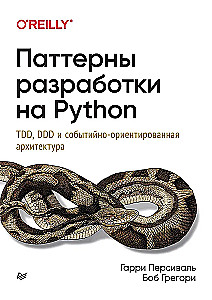
Development Patterns in Python: TDD, DDD, and Event-Driven Architecture
Author: Гарри Персиваль
Printhouse: piter
Series: For Professionals
Age restrictions: 16+
Year of publication: 2025
ISBN: 9785446114689
Number of pages: 336
Size: 235х165х15 mm
Cover type: soft
Weight: 439 g
ID: 1712795
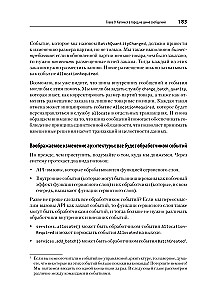
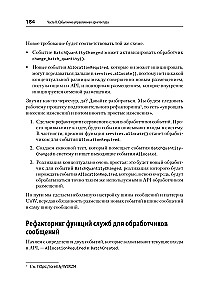
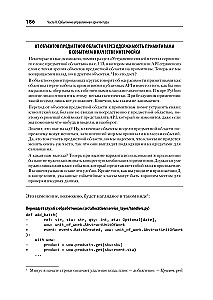
The popularity of Python continues to grow, which means that projects created in this programming language are becoming larger and more complex. Many developers are showing interest in high-level design patterns, such as clean and event-driven architecture and domain-driven design (DDD) patterns. However, their adaptation to Python is not always obvious.
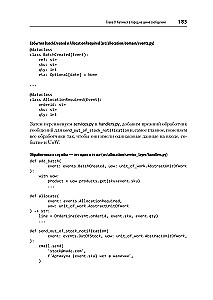
Harry Percival and Bob Gregory will introduce you to proven patterns so that every Pythonista can manage the complexity of applications and get the most out of tests. The theory is supported by examples in pure Python, devoid of the syntactical verbosity of Java and C#.
In this book:
• «Inversion of Dependencies» and its relationship with ports and adapters (hexagonal/clean architecture).
• The differences between the patterns «Entity», «Value Object», and «Aggregate» within DDD.
• The «Repository» and UoW patterns, ensuring data permanence.
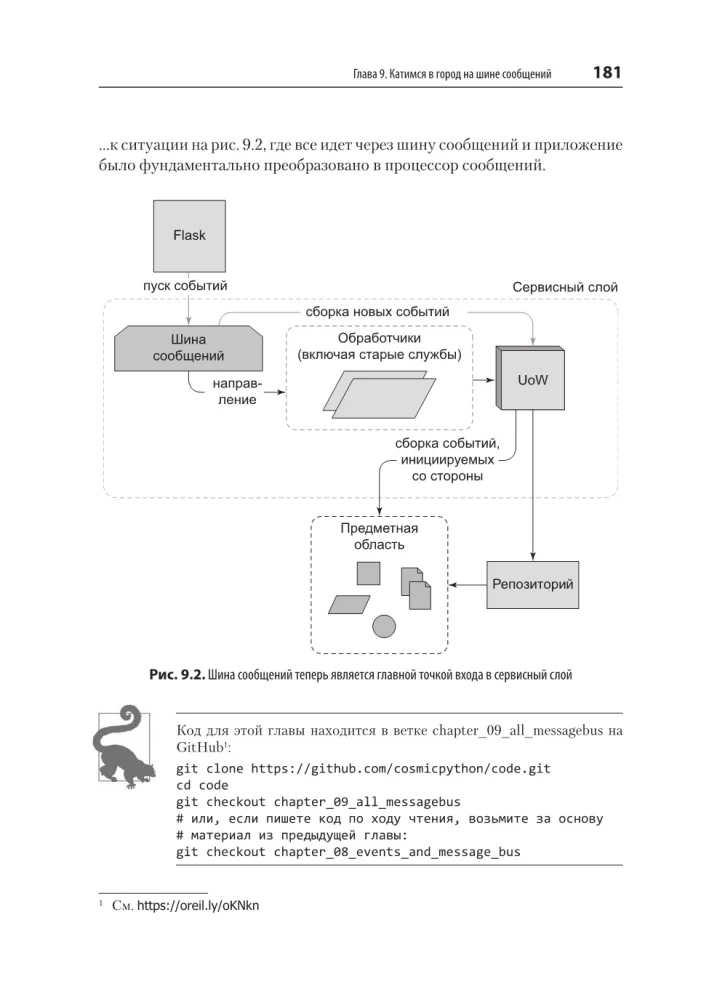
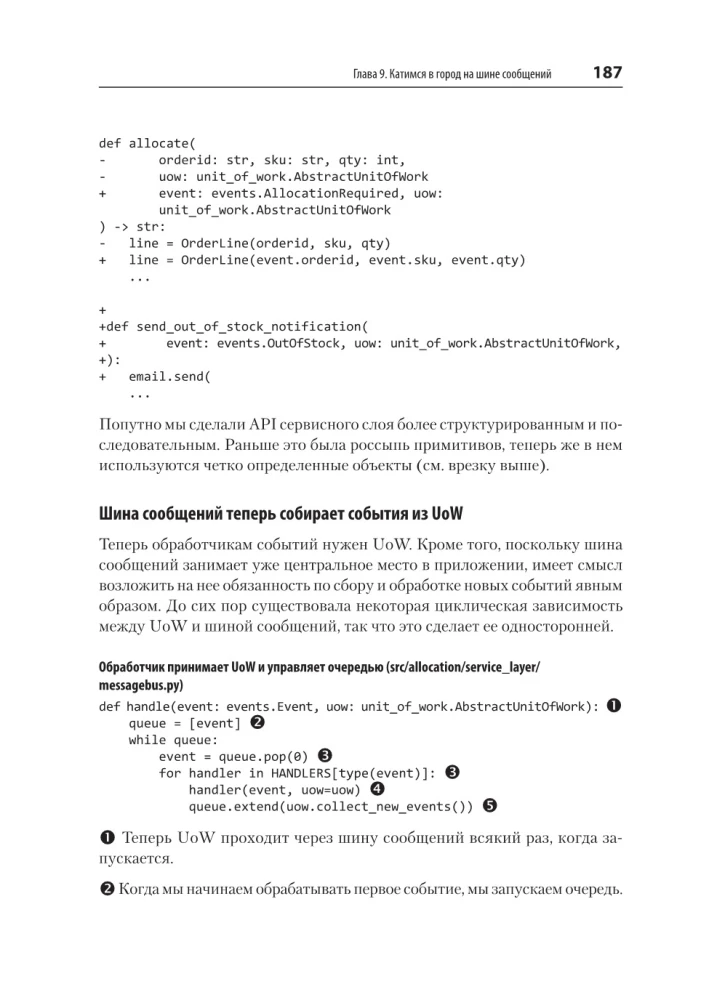
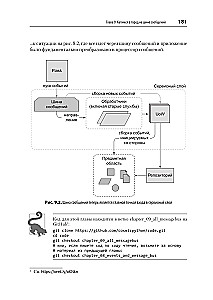
• The «Event», «Command», and «Message Bus» patterns.
• Separation of responsibilities into commands and queries (CQRS).
• Event-driven architecture and reactive extensions.
Bestsellers