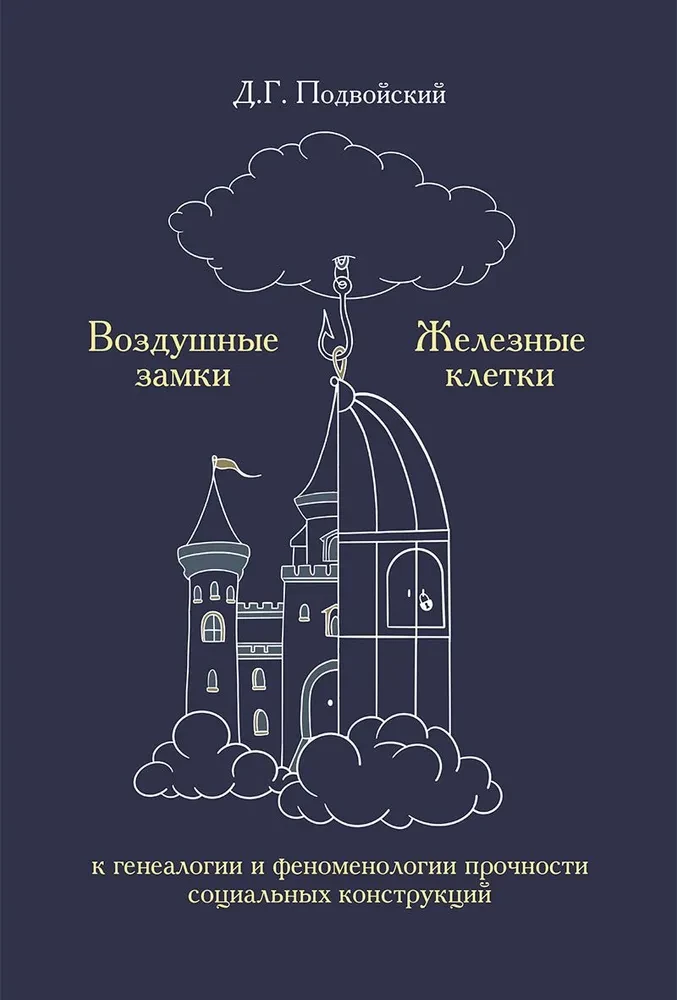
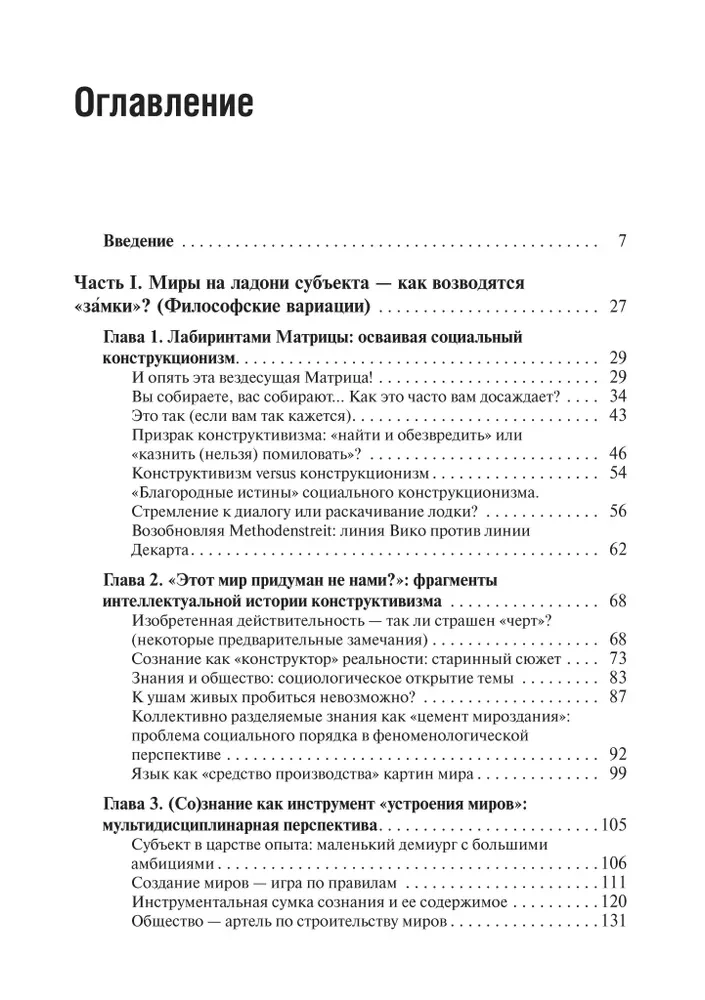
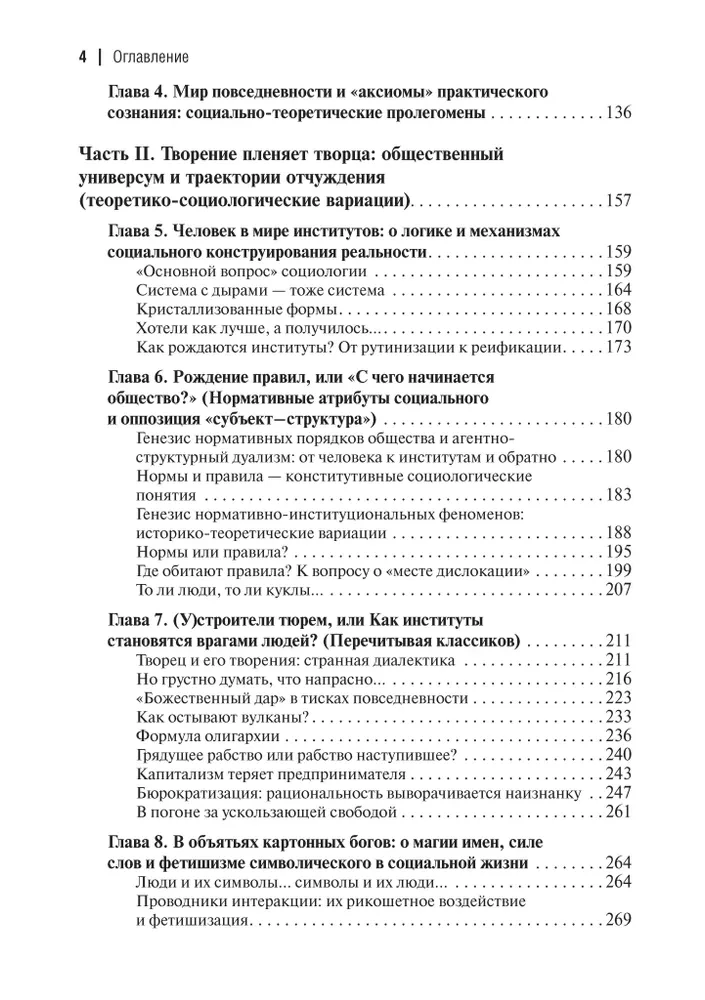
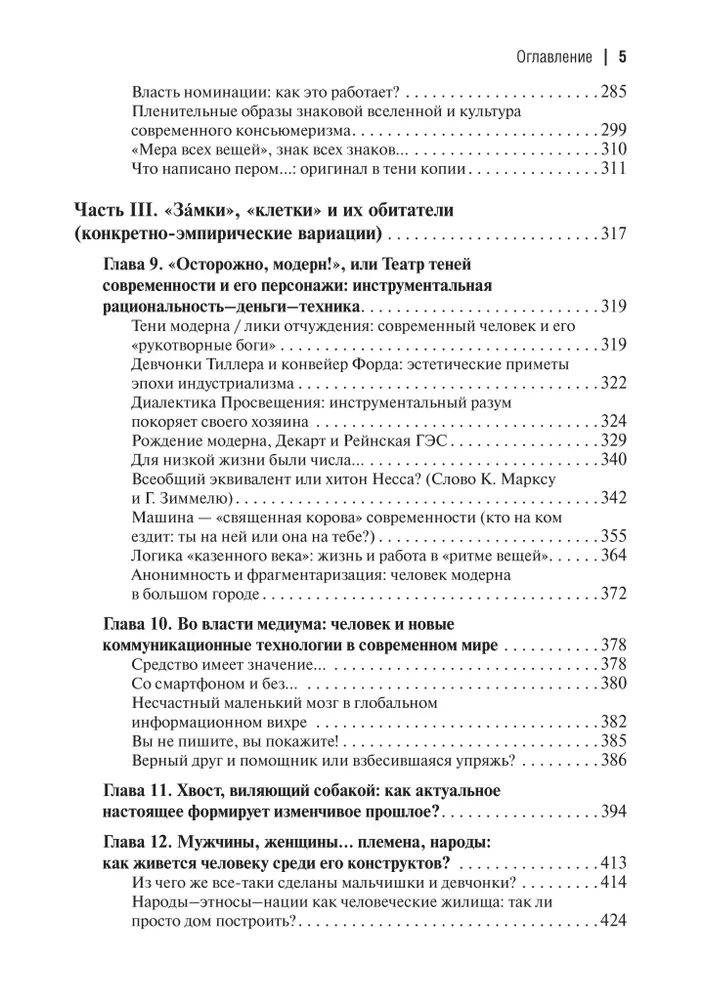
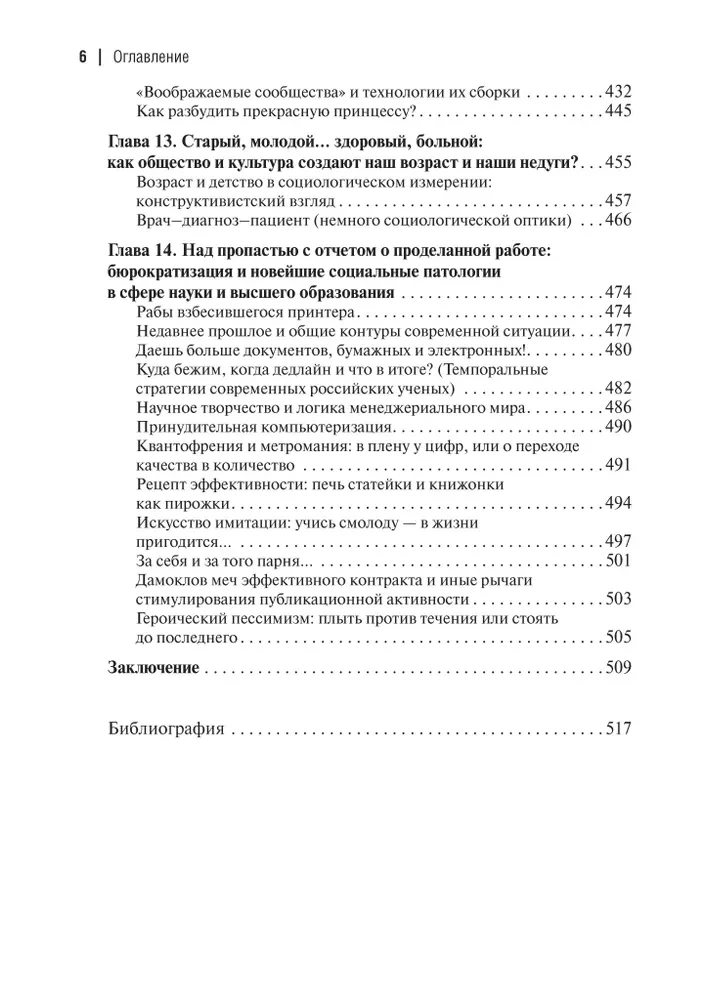
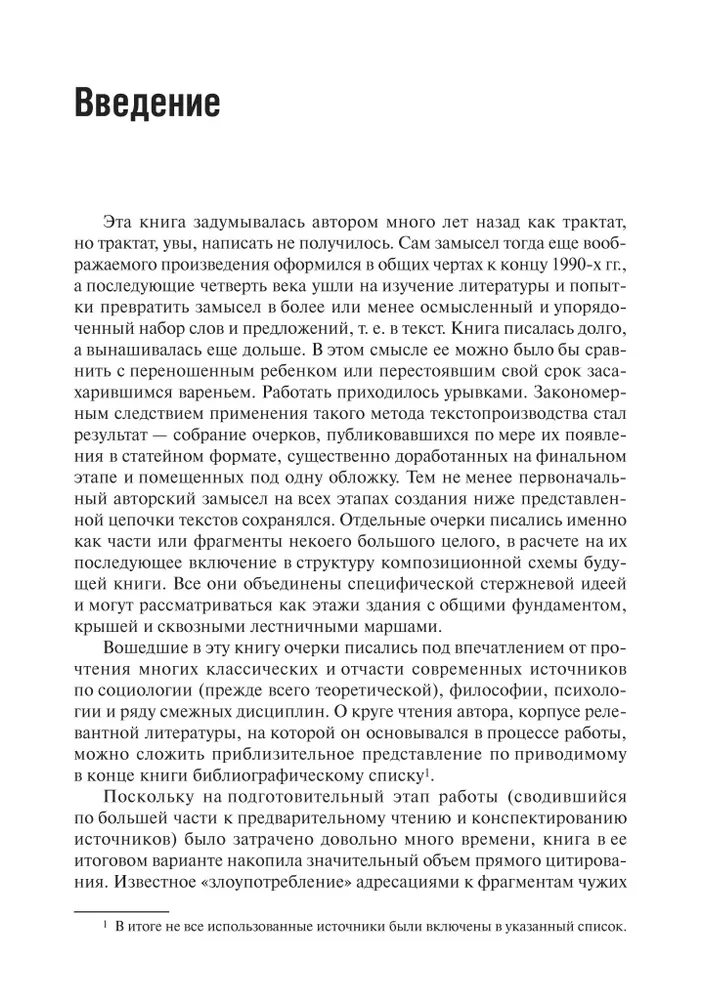
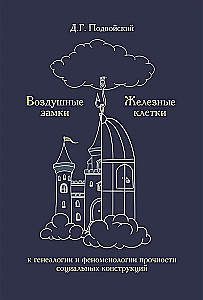
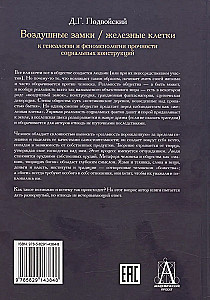
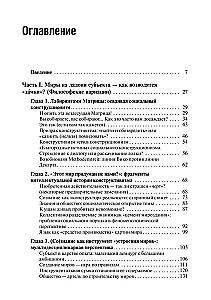
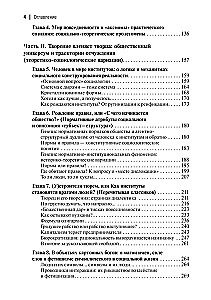
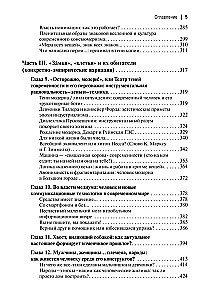
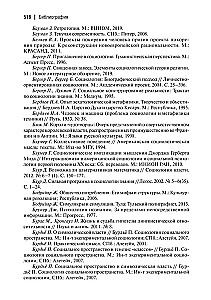
Air Castles. Iron Cages. To the Genealogy and Phenomenology of the Strength of Social Constructions
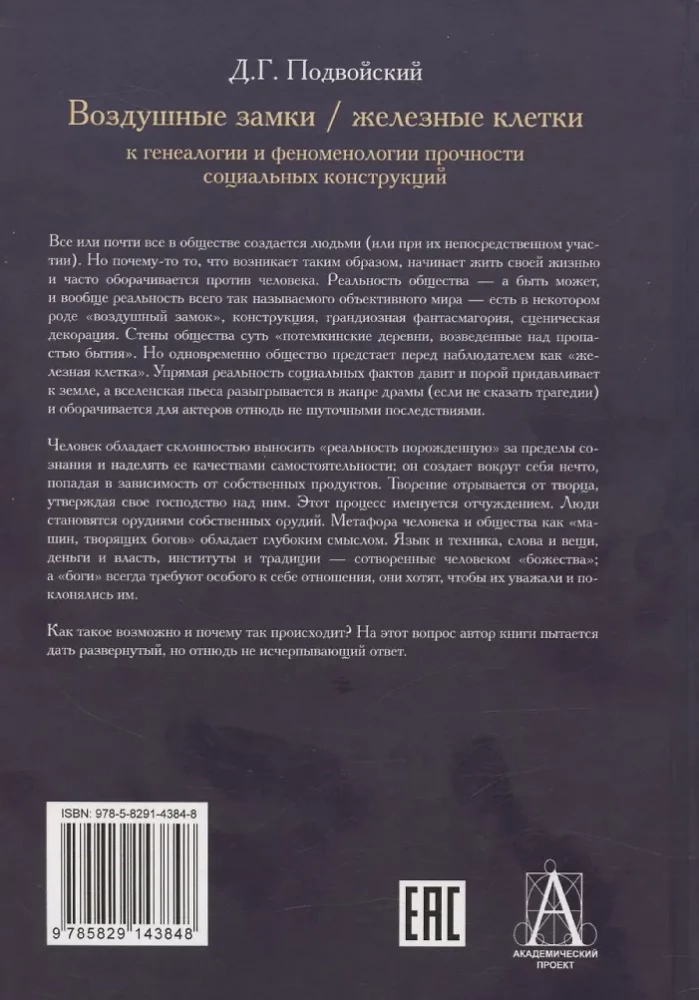
Everything or almost everything in society is created by people (or with their direct participation). But for some reason, what arises in this way begins to live its own life and often turns against the person. The reality of society...
– and perhaps the reality of the so-called objective world in general – is in some sense an "air castle," a construction, a grand phantasmagoria, a stage set. The walls of society are "Potemkin villages, erected over the abyss of being." But at the same time, society presents itself to the observer as an "iron cage." The stubborn reality of social facts presses and sometimes crushes to the ground, and the universe's play unfolds in the genre of drama (to say the least, tragedy) and leads to non-trivial consequences for the actors.
A person has a tendency to carry the "reality generated" beyond consciousness and endow it with qualities of independence; they will create something around them, becoming dependent on their own products. The creation detaches from the creator, asserting its dominance over them. This process is called alienation. People become instruments of their own instruments. The metaphor of man and society as "machines that create gods" carries deep meaning. Language and technology, words and things, money and power, institutions and traditions – the "deities" created by man; and the "gods" always demand a special attitude, they want to be respected and worshipped.
How is this possible and why does it happen this way? To this question, the author of the book attempts to provide a detailed, though by no means exhaustive, answer.
The book is addressed to students and graduate students studying social sciences and humanities, philosophers, sociologists, specialists in related fields of knowledge, as well as a wide audience of readers interested in the issues of philosophy and human sciences.
The book is addressed to students and graduate students studying social sciences and humanities, philosophers, sociologists, specialists in related fields of knowledge, as well as a wide audience of readers interested in the issues of philosophy and human sciences.
A person has a tendency to carry the "reality generated" beyond consciousness and endow it with qualities of independence; they will create something around them, becoming dependent on their own products. The creation detaches from the creator, asserting its dominance over them. This process is called alienation. People become instruments of their own instruments. The metaphor of man and society as "machines that create gods" carries deep meaning. Language and technology, words and things, money and power, institutions and traditions – the "deities" created by man; and the "gods" always demand a special attitude, they want to be respected and worshipped.
How is this possible and why does it happen this way? To this question, the author of the book attempts to provide a detailed, though by no means exhaustive, answer.
The book is addressed to students and graduate students studying social sciences and humanities, philosophers, sociologists, specialists in related fields of knowledge, as well as a wide audience of readers interested in the issues of philosophy and human sciences.
The book is addressed to students and graduate students studying social sciences and humanities, philosophers, sociologists, specialists in related fields of knowledge, as well as a wide audience of readers interested in the issues of philosophy and human sciences.
Author: Денис Подвойский
Printhouse: Akademicheskii proekt
Age restrictions: 16+
Year of publication: 2025
ISBN: 9785829143848
Number of pages: 534
Size: 215х155х25 mm
Cover type: hard
Weight: 649 g
ID: 1712259
Sold out
€ 32.49
Sold out
€ 32.49
Bestsellers

€ 13.29
In stock
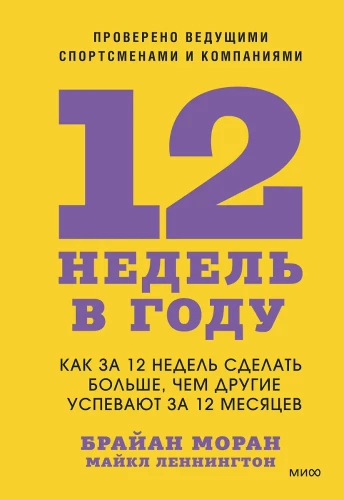
12 Weeks in a Year. How to Achieve More in 12 Weeks Than Others Do in 12 Months
Майкл Леннингтон, Брайан Моран

€ 7.89
In stock
Choice. On the Freedom and Inner Strength of a Person
Эдит Ева Эгер, Эсме Швалль-Вейганд



€ 6.99
In stock