





Logical Investigations. Volume 1. Prolegomena to Pure Logic
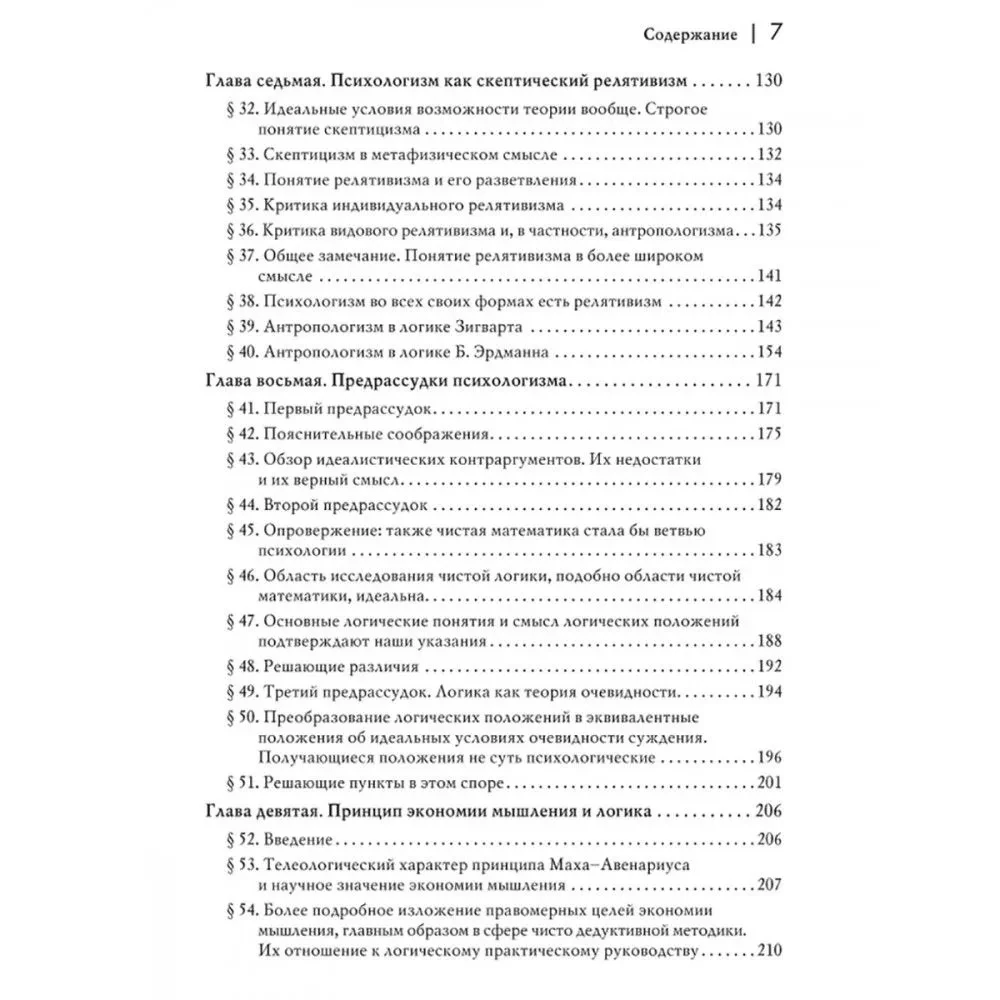
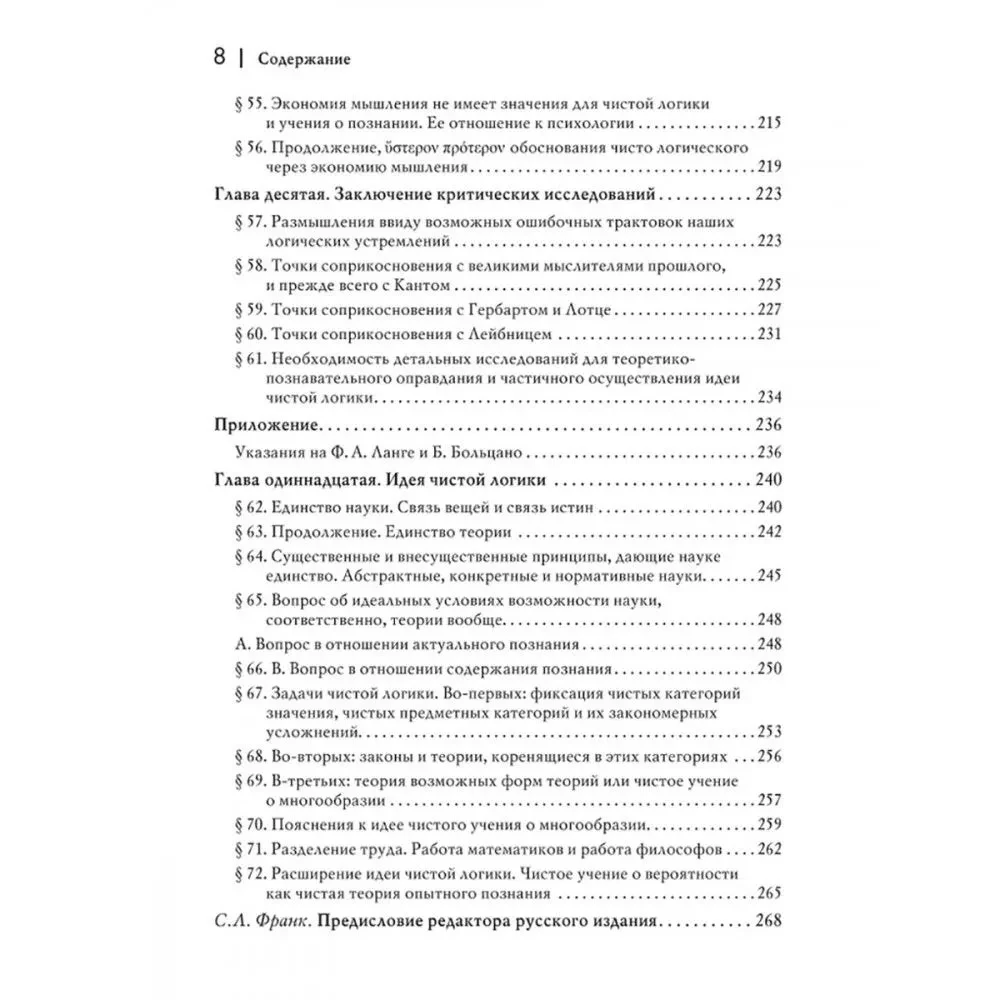
"Logical Investigations" (1900-1901) by Edmund Husserl is the starting point of the phenomenological movement. The first volume of this work, "Prolegomena to Pure Logic," is devoted to the critique of the dominant trends in the theory of knowledge at the...
turn of the 19th and 20th centuries. Husserl identifies the main illness of philosophy in his time as psychologism - contemporary projects aimed at providing a psychological foundation for logical-mathematical and philosophical knowledge. Using the leading logical teachings of the second half of the 19th century as examples, he demonstrates that a psychological and, in general, empirical foundation of science misses the qualitative distinction between empirical and ideal knowledge, ignores the special status of logical-mathematical laws, and leads to relativism in the theory of knowledge. At the end of the first volume, Husserl formulates the program of his own "Scientific Training" - a new science of science aimed at investigating the a priori conditions for the possibility of scientific knowledge. Husserl's critique of psychologism initiated a broad discussion that involved most of the leading philosophers of the early 20th century.
For students and teachers of the humanities and anyone interested in contemporary philosophy.
For students and teachers of the humanities and anyone interested in contemporary philosophy.
Author: Эдмунд Гуссерль
Printhouse: Akademicheskii proekt
Series: Psychological Technologies
Age restrictions: 16+
Year of publication: 2024
ISBN: 9785829142582
Number of pages: 309
Size: 216х150х19 mm
Cover type: hard
Weight: 444 g
ID: 1712231
Sold out
€ 20.59
Sold out
€ 20.59
Bestsellers







€ 13.29
In stock
12 Weeks in a Year. How to Achieve More in 12 Weeks Than Others Do in 12 Months
Майкл Леннингтон, Брайан Моран



€ 7.89
In stock
Choice. On the Freedom and Inner Strength of a Person
Эдит Ева Эгер, Эсме Швалль-Вейганд




€ 6.99
In stock