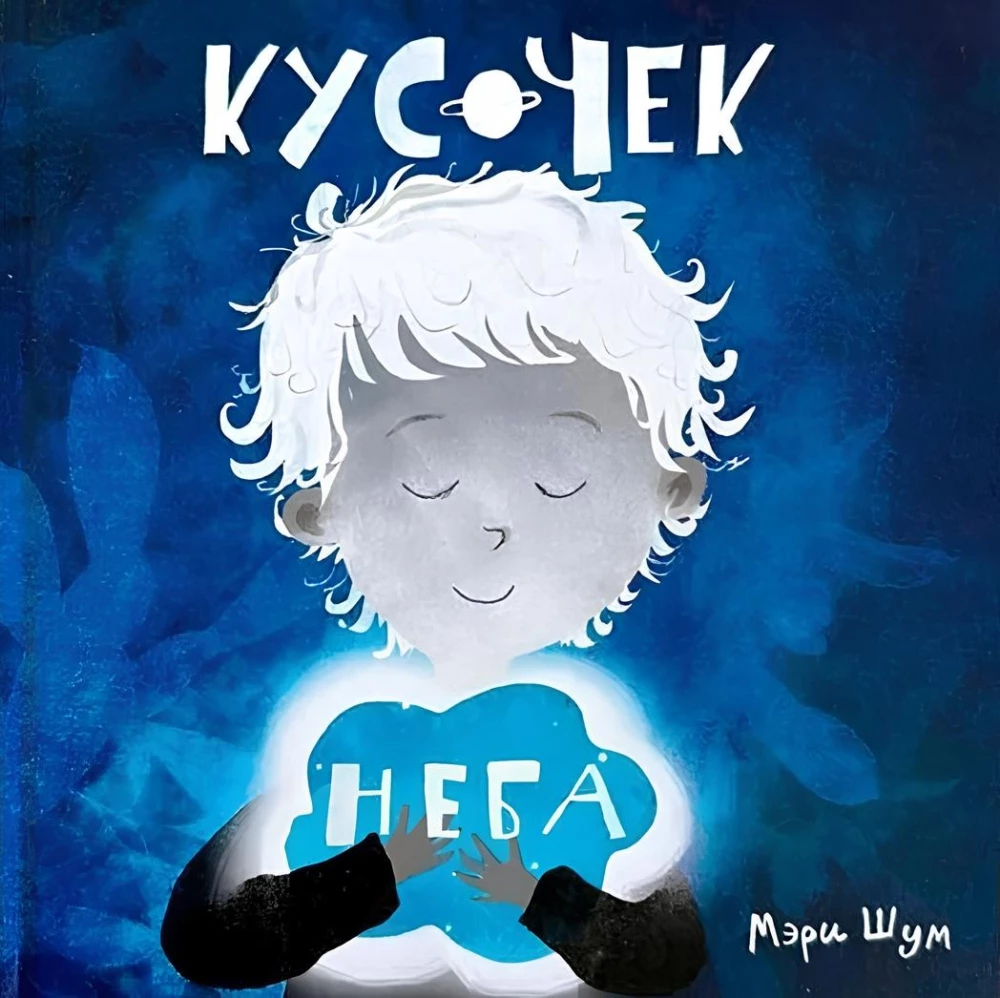

A Piece of Sky
Author: Мэри Шум
Printhouse: Rabbits and Books
Age restrictions: 5+
Year of publication: 2025
ISBN: 9785605079781
Number of pages: 108
Size: 225х225х5 mm
Cover type: hard
Weight: 555 g
ID: 1700450
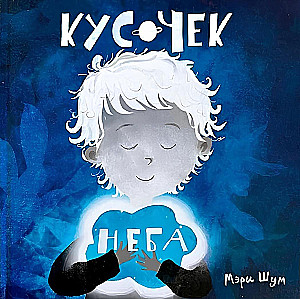
The book about true happiness instills in children real values: family, support from loved ones, the joy of work and live communication, connection with nature
- The story of a boy named Jacob shows children that happiness is not in new purchases, but in the ability to see happiness in everyday life
- This therapeutic book teaches how to resist advertising manipulations and consumption trends through an engaging narrative
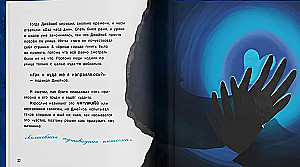
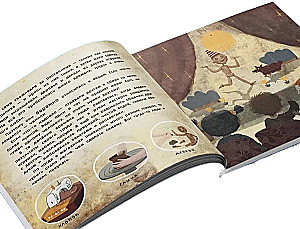
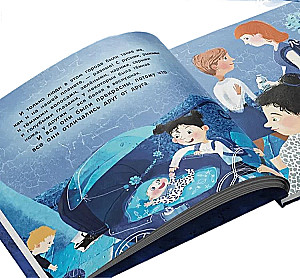
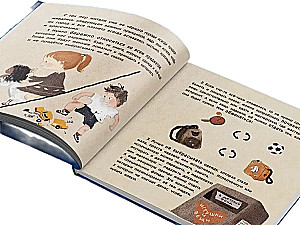
- Therapeutic illustrations help to relax and tune into the contemplation of the beauty of the world
What will your child gain?
- Emotional intelligence. The child will learn to understand their feelings and emotions and how they are felt in the body
- Master practical techniques and methods to cope with anxiety and fears
- Inspiration
The story will inspire them to dream boldly and globally, to be themselves, to believe in themselves and their dreams, and to confidently pursue them while overcoming difficulties
- Educational
The child will learn a lot about the environment, the basics of ecology, and the importance of caring for nature in a subtle way
The advantages of the book
- Written by a mother of two children with love for children!
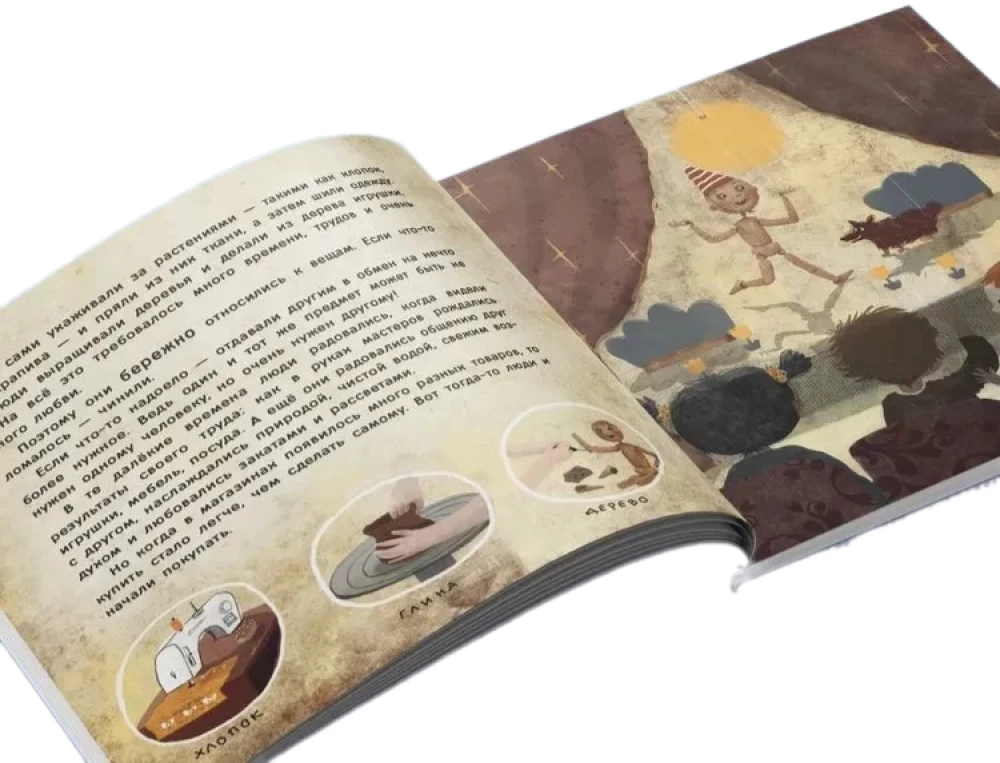
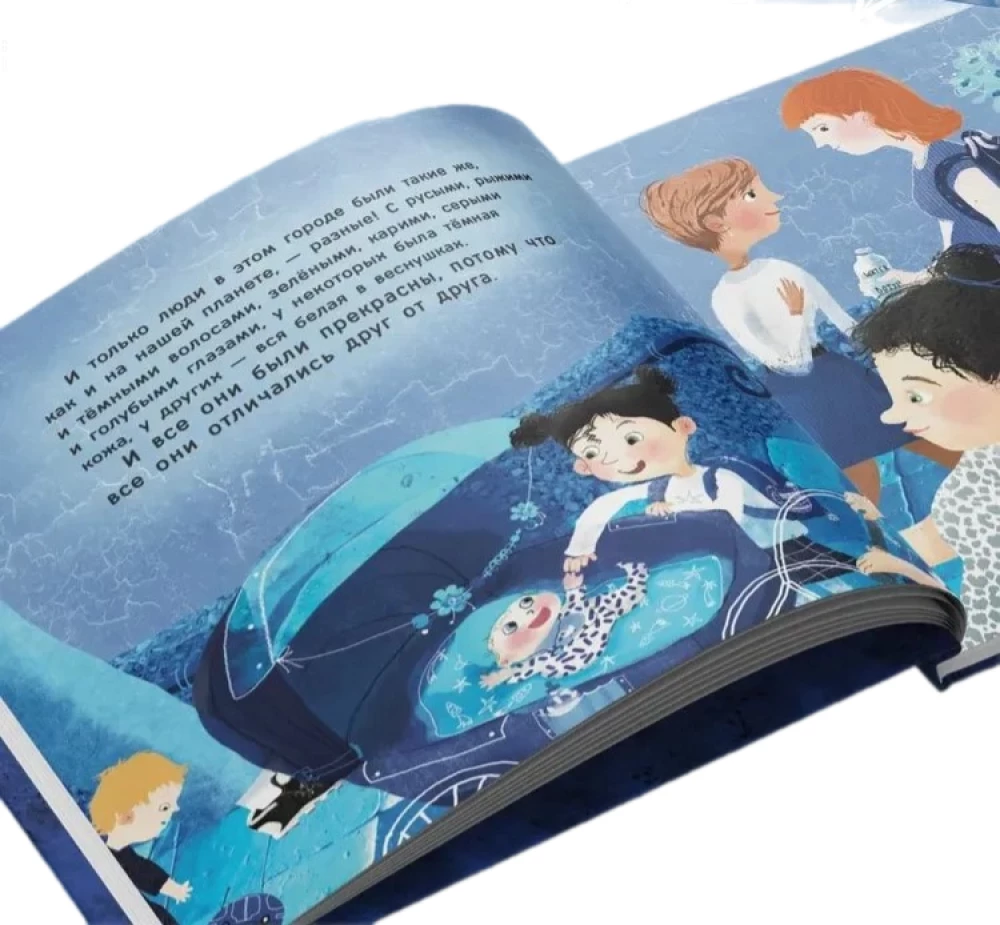
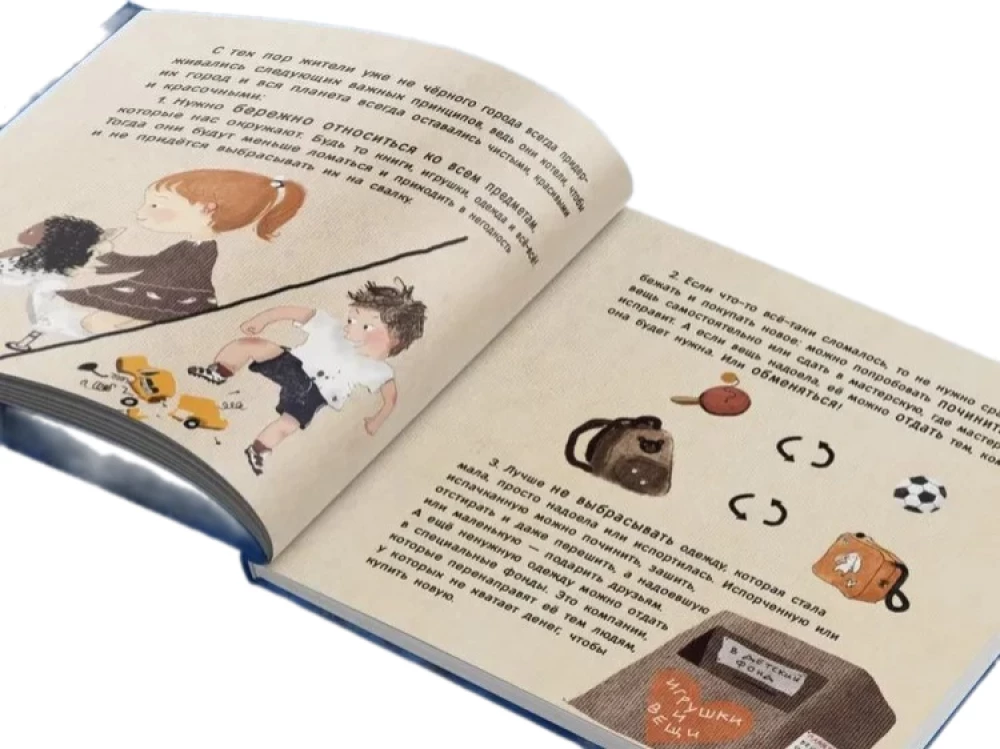
- Incredible illustrations that you'll want to examine again and again
- Hardcover and thick paper - the book will last a very long time
- Optimal size - convenient to take with you, fits in a backpack, but large enough pages to see the illustrations
Perfect for:
- Children from 5 years old
- Parents wishing to contribute to their children's development
- Families striving for reasonable consumption
- Educators and psychologists working with children
Every parent wants to protect their child from the endless pursuit of new toys and the howling for gadgets. But how to do this in the modern world?
“A Piece of Sky” is not just a book, but a wise guide to a world of conscious and harmonious living, through the prevention of shopping addiction and a clear demonstration of what happiness is: the child will learn to appreciate what they have, be careful with things, stop asking for new purchases, and learn to notice intangible values.
Bestsellers