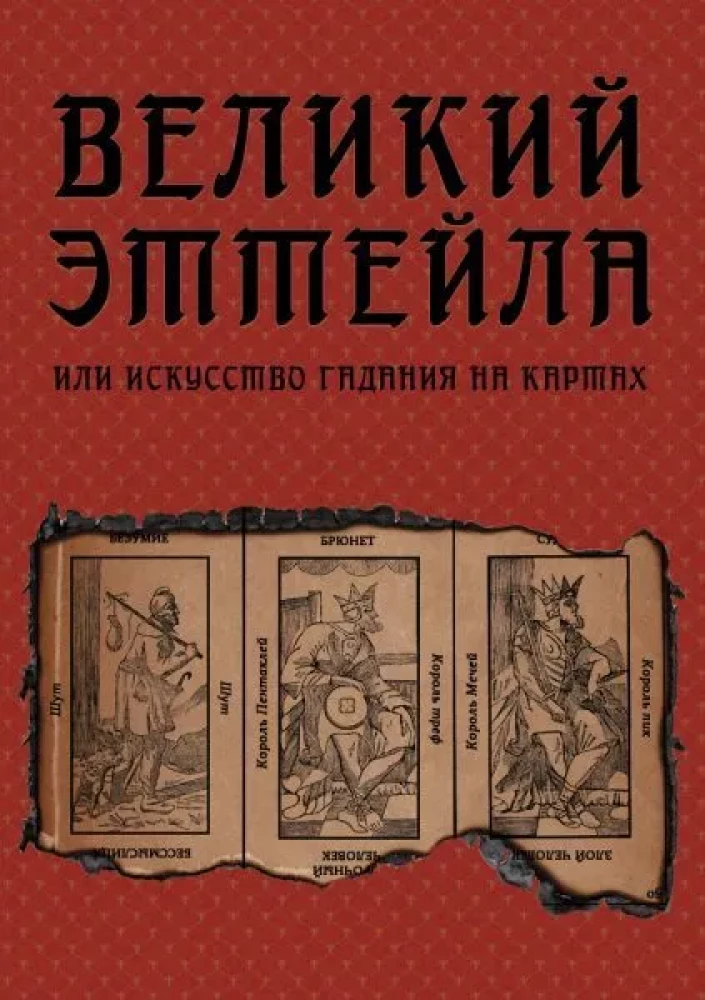


The Great Etteilla, or the Art of Cartomancy
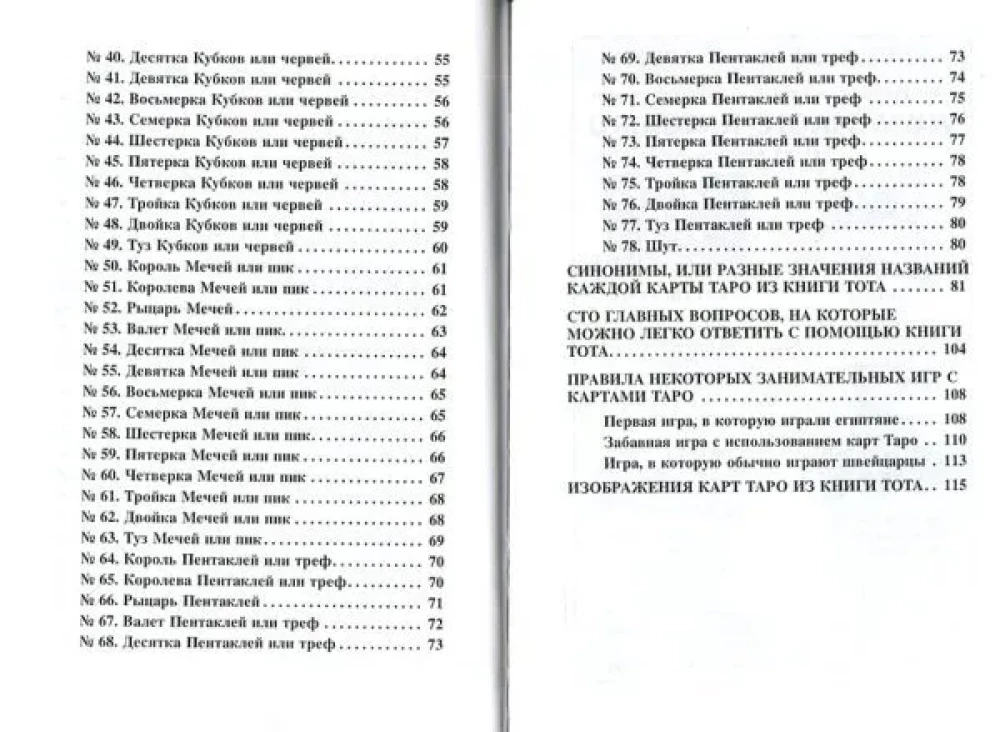
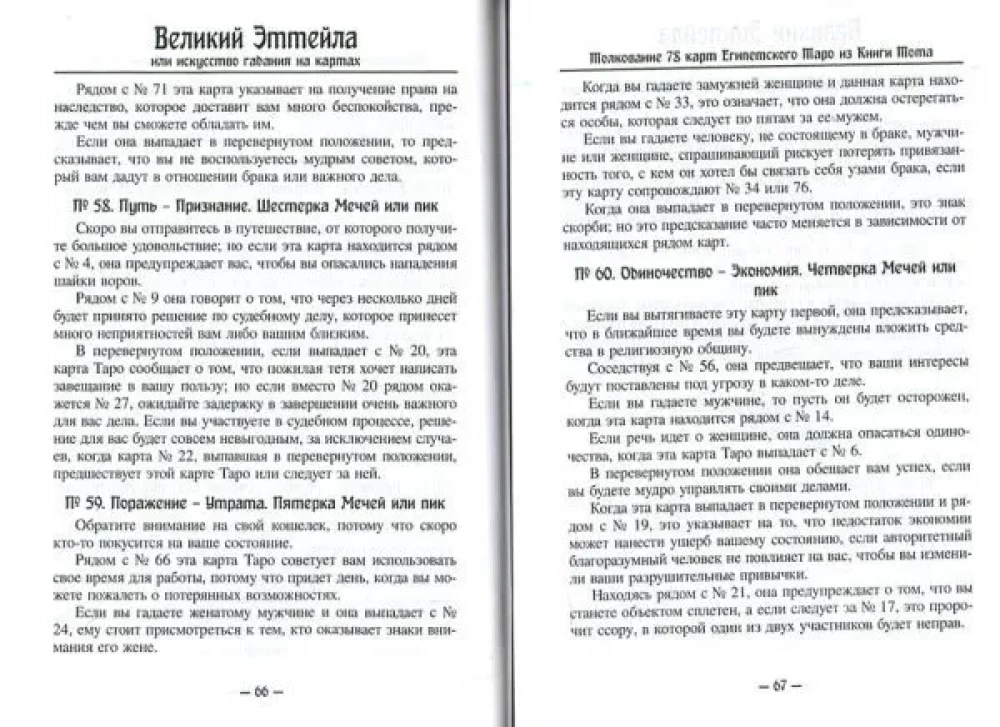
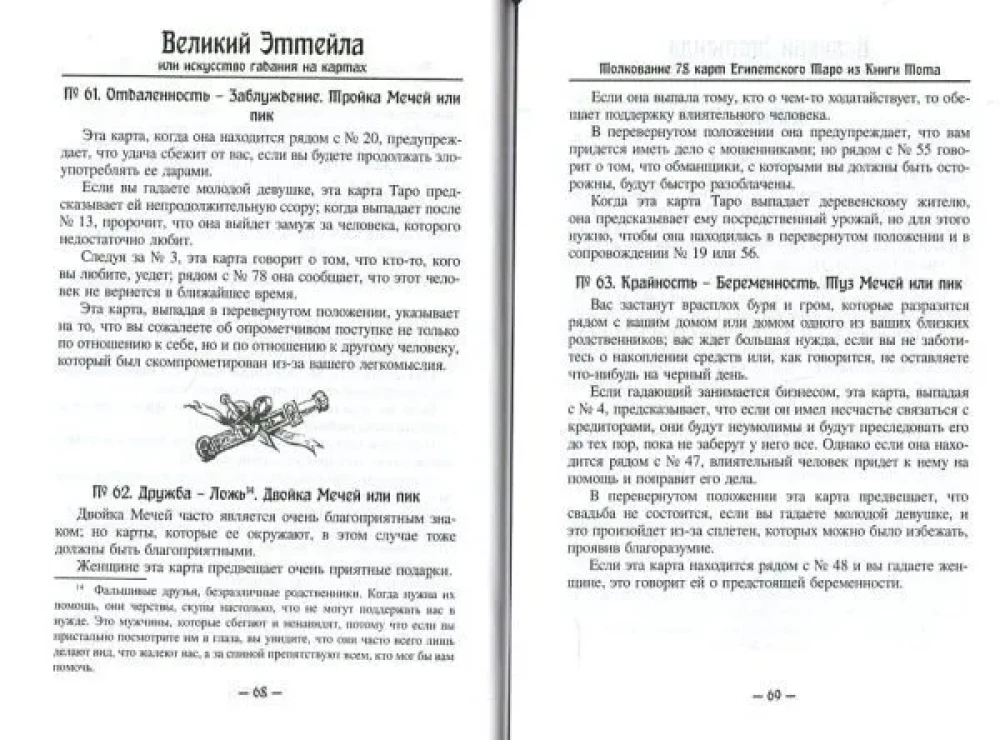
This book discusses one of the decks that claimed its place among the classical Tarot systems but never achieved the success of its counterparts. Meanwhile, the Tarot deck of Etteilla was quite famous in its time, as was its creator....
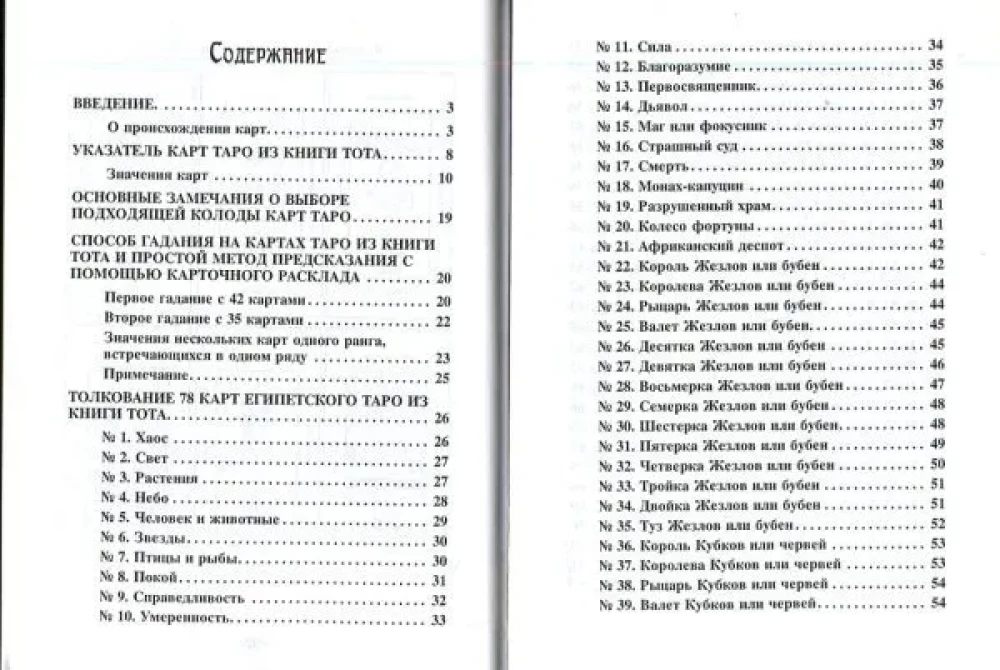
Jean-Baptiste Aliet created his pseudonym by "turning over" his last name, thereby entering the history of French occult classics. In fact, placing him in the same category as Eliphas Levi and Papus is quite controversial: contemporaries referred to Etteilla as a charlatan and a person of rather limited intellect. Nevertheless, it is Jean-Baptiste to whom the tarot community owes such an intensive popularization of Tarot cards in the 19th century. Unlike Eliphas Levi, for example, Etteilla used Tarot in a strictly practical direction. Therefore, his deck is more focused on divination and has many more references to the traditional playing deck. In the book "The Great Etteilla, or the Art of Cartomancy" authored by Julia Orsini, you will find numerous spreads and layouts, meanings of cards and their combinations, as well as a brief excursion into the history of the origin of cards—from Tarot Gringonneur to the modern decks known to the author. The book was first published in 1840 in Lille. We are now pleased to present you with a translation from French that also includes images of the Tarot cards of Etteilla, which were included in the original manuscript.
Printhouse: Magic-Kniga
Age restrictions: 16+
Year of publication: 2019
ISBN: 9785604282168
Number of pages: 134
Size: 210х147х6 mm
Cover type: soft
Weight: 150 g
ID: 1699472
In stock
€ 13.79
Will be delivered to United States on 26 June (Fr):
By courier
from € 38.94
Bestsellers
€ 38.19
In stock


€ 18.39
In stock