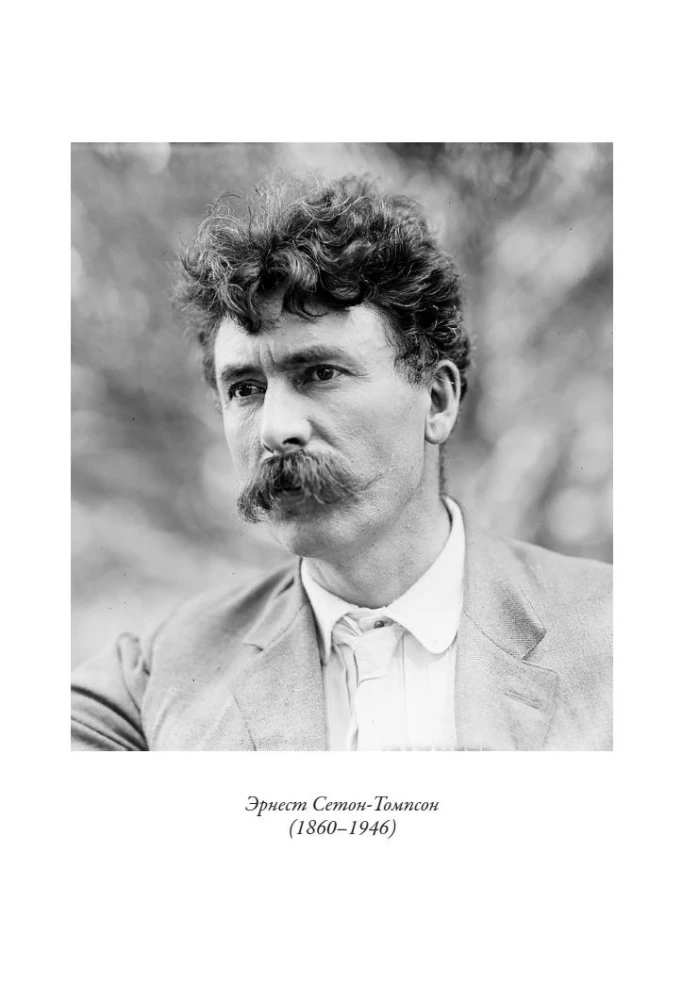

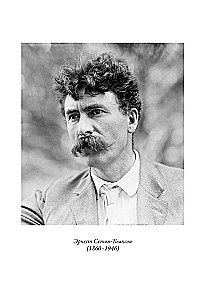
Ernest Seton-Thompson (1860–1946) went down in history as a Canadian writer, naturalist artist, and public figure. Seton-Thompson is the pen name of the writer, his real name is Ernest Evan Thompson. The future literati was born in England; little Ernest...
was six years old when his family moved to Canada. Thompson developed a love for nature from childhood: the boy spent a lot of time in the woods, observing its inhabitants and making sketches of plants and animals. This childhood passion influenced the creative path that Thompson chose later in life. Ernest received an artistic education: he first graduated from the Ontario School of Art, and several years later became a student at the Académie Julian in Paris — this institution was renowned for the mastery of the artists who taught there and competed with the best art schools of that time. During his studies, the young man met many outstanding painters and later became a member of the Royal Canadian Academy of Arts. Around this time, Thompson began to publish his first stories, which he also illustrated. In his works, Ernest wrote about animals, about the wild, about the interaction of man with the surrounding world. The writer was deeply concerned about the harmful impact of humans on the environment, particularly the extermination of wild animals. He organized youth movements aimed at teaching children survival in the wild and fostering a careful attitude towards animals and plants. Thompson did not like to stay for long in big cities: he often went on excursions into the woods and prairies, dedicating much time to studying North American animals. Thompson's literary legacy is diverse: it includes not only scientific works but also stories and novellas for children and adults.
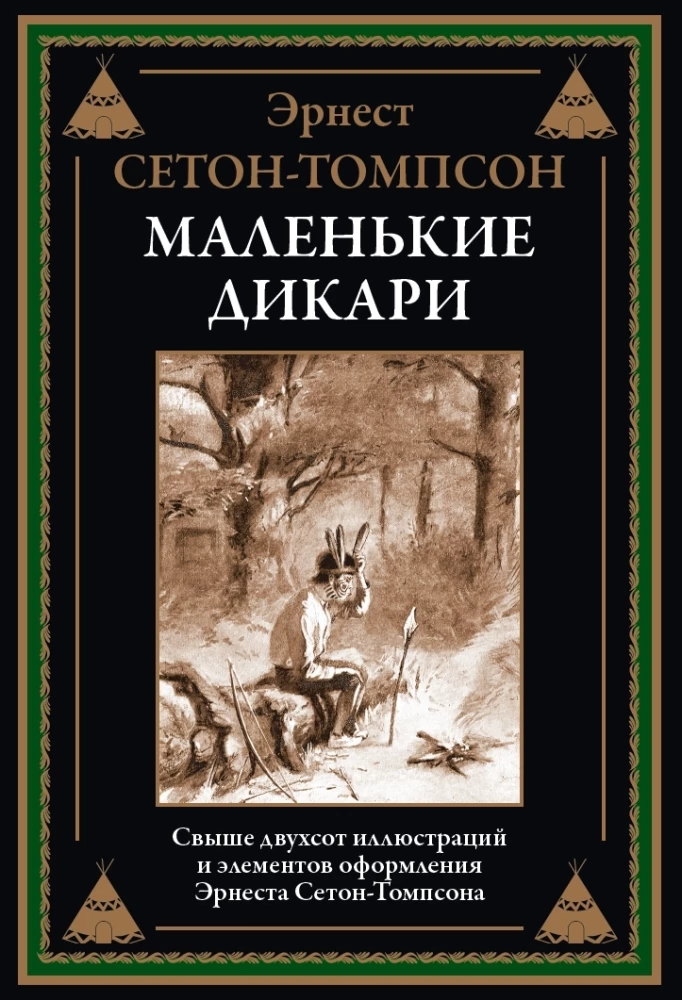
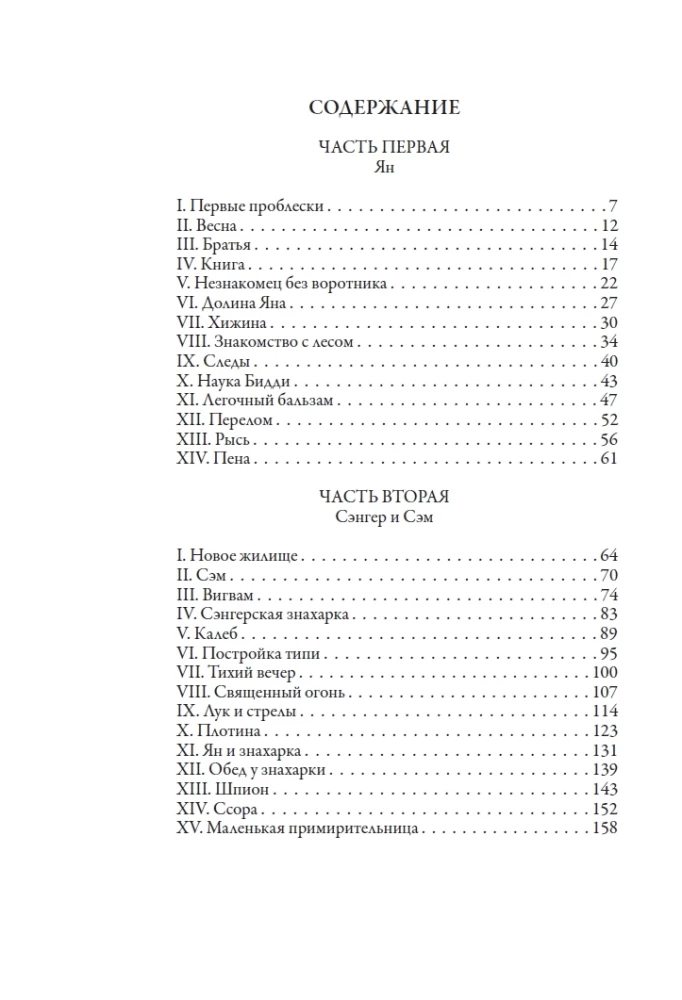
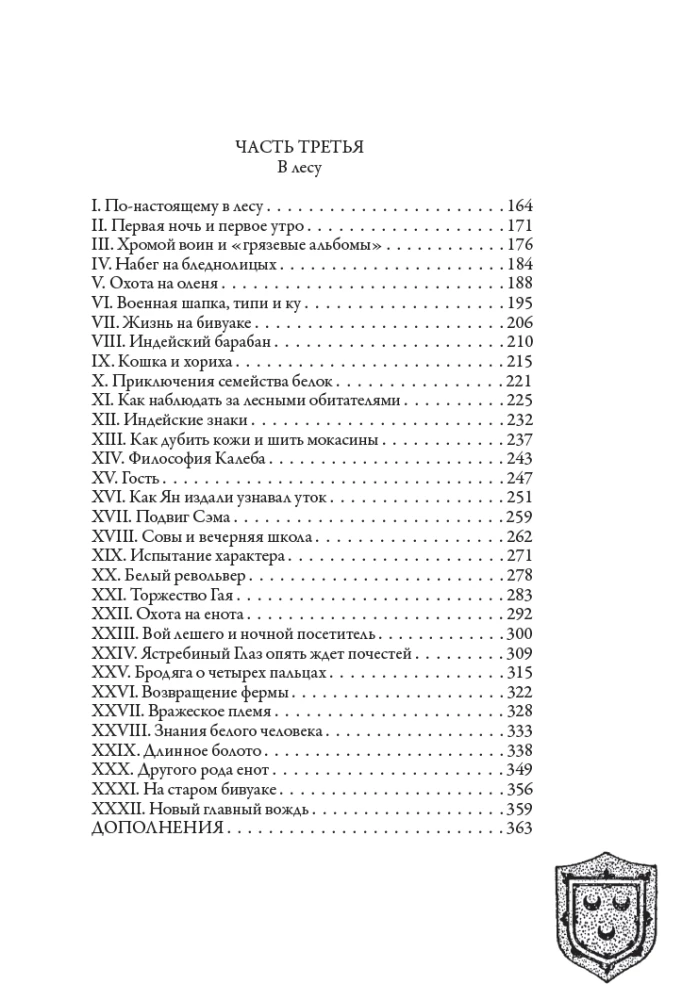
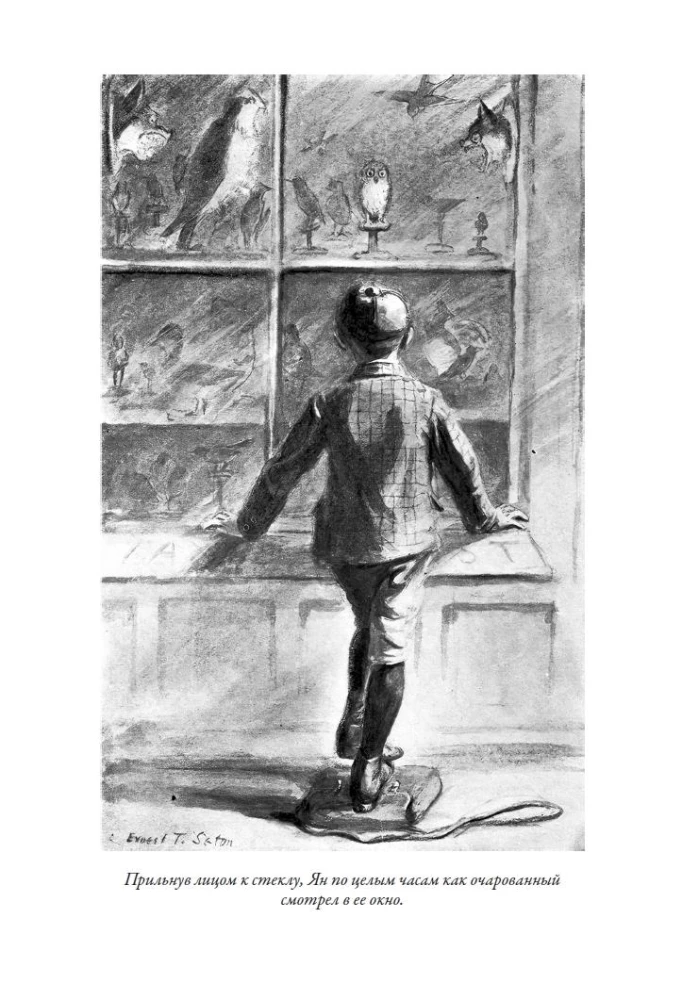
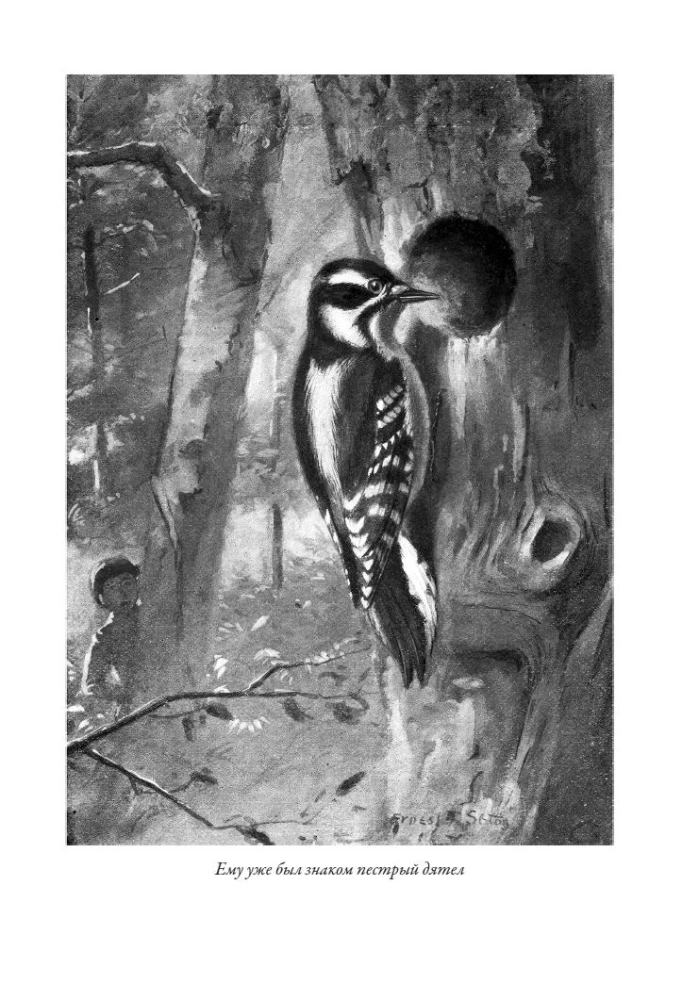
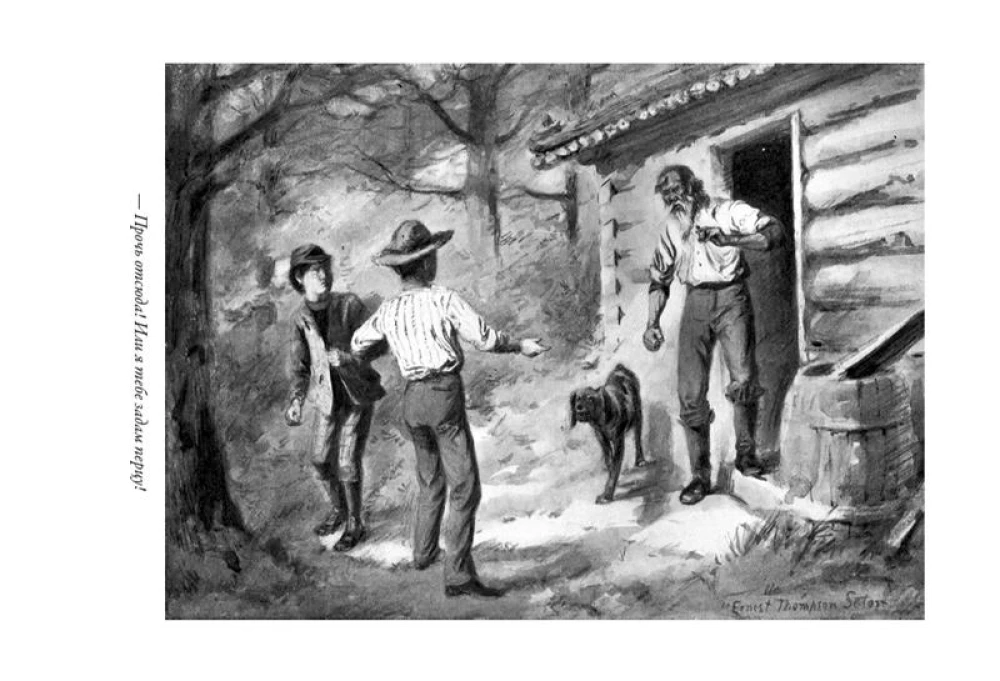
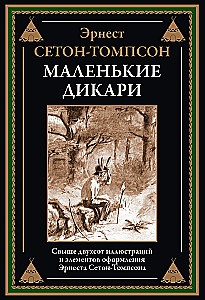
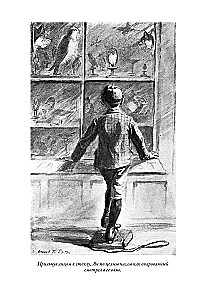
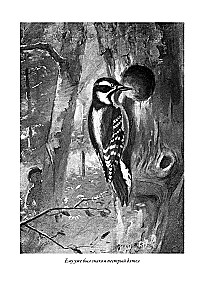
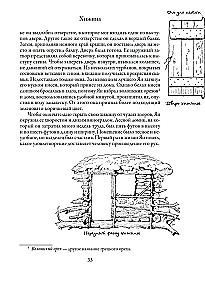
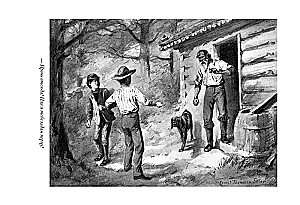
In this edition, the reader can get acquainted with one of the most famous works of Ernest Seton-Thompson — the novella 'Little Savages'. The novella was first published in 1903 and is now considered a classic of children's literature. Its plot revolves around a group of boy friends who settle in the woods to experience the life of real Indians. They encounter many fun adventures, childish games, and serious problems. The main character, a quiet, almost timid boy, has to navigate a winding path and become a brave, confident young man. The illustrations, done by the hand of the writer himself, beautifully reveal the characters' traits and allow a glimpse of the forest landscapes through the author's eyes.

Ernest Seton-Thompson (1860–1946) went down in history as a Canadian writer, naturalist artist, and public figure. Seton-Thompson is the pen name of the writer, his real name is Ernest Evan Thompson. The future literati was born in England; little Ernest was six years old when his family moved to Canada. Thompson developed a love for nature from childhood: the boy spent a lot of time in the woods, observing its inhabitants and making sketches of plants and animals. This childhood passion influenced the creative path that Thompson chose later in life. Ernest received an artistic education: he first graduated from the Ontario School of Art, and several years later became a student at the Académie Julian in Paris — this institution was renowned for the mastery of the artists who taught there and competed with the best art schools of that time. During his studies, the young man met many outstanding painters and later became a member of the Royal Canadian Academy of Arts. Around this time, Thompson began to publish his first stories, which he also illustrated. In his works, Ernest wrote about animals, about the wild, about the interaction of man with the surrounding world. The writer was deeply concerned about the harmful impact of humans on the environment, particularly the extermination of wild animals. He organized youth movements aimed at teaching children survival in the wild and fostering a careful attitude towards animals and plants. Thompson did not like to stay for long in big cities: he often went on excursions into the woods and prairies, dedicating much time to studying North American animals. Thompson's literary legacy is diverse: it includes not only scientific works but also stories and novellas for children and adults.
In this edition, the reader can get acquainted with one of the most famous works of Ernest Seton-Thompson — the novella 'Little Savages'. The novella was first published in 1903 and is now considered a classic of children's literature. Its plot revolves around a group of boy friends who settle in the woods to experience the life of real Indians. They encounter many fun adventures, childish games, and serious problems. The main character, a quiet, almost timid boy, has to navigate a winding path and become a brave, confident young man. The illustrations, done by the hand of the writer himself, beautifully reveal the characters' traits and allow a glimpse of the forest landscapes through the author's eyes.

In stock
€ 10.59
Will be delivered to United States on 24 February (Tu):
By courier
from
€ 38.94
In stock
€ 10.59
Will be delivered to United States on 24 February (Tu):
Be the first to know about our current discounts, offers and new products!
Check icon
You have added to your basket
Check icon
You have added to favourites
Sold out
The item is currently out of stock.
In stock
Available in warehouse. You will receive the exact delivery date from the operator after the order confirmation.
To order
The product is delivered directly from the publisher. The order processing time is up to 14 days, you will receive the exact delivery date from the operator after the order confirmation.