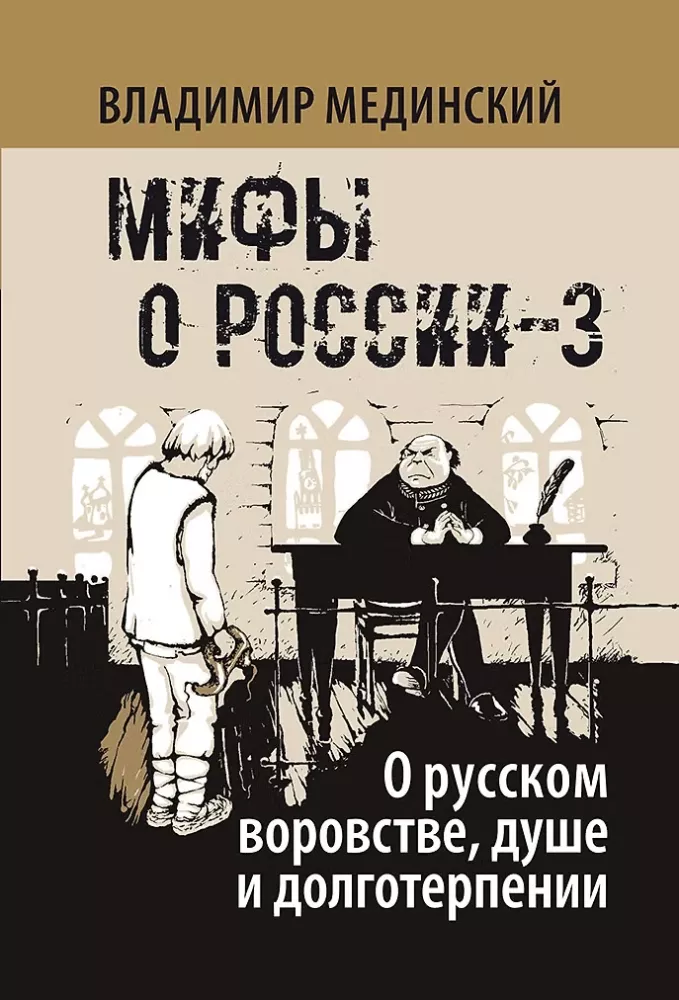
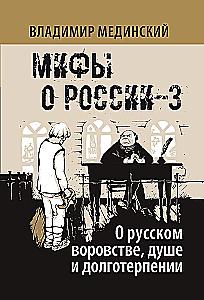
On Russian Theft, Soul, and Long-Suffering
Author: Владимир Мединский
Printhouse: Olma-press
Series: Myths about Russia
Age restrictions: 12+
Year of publication: 2024
ISBN: 9785001855088
Number of pages: 544
Size: 216х146х27 mm
Cover type: hard
Weight: 620 g
ID: 1680969
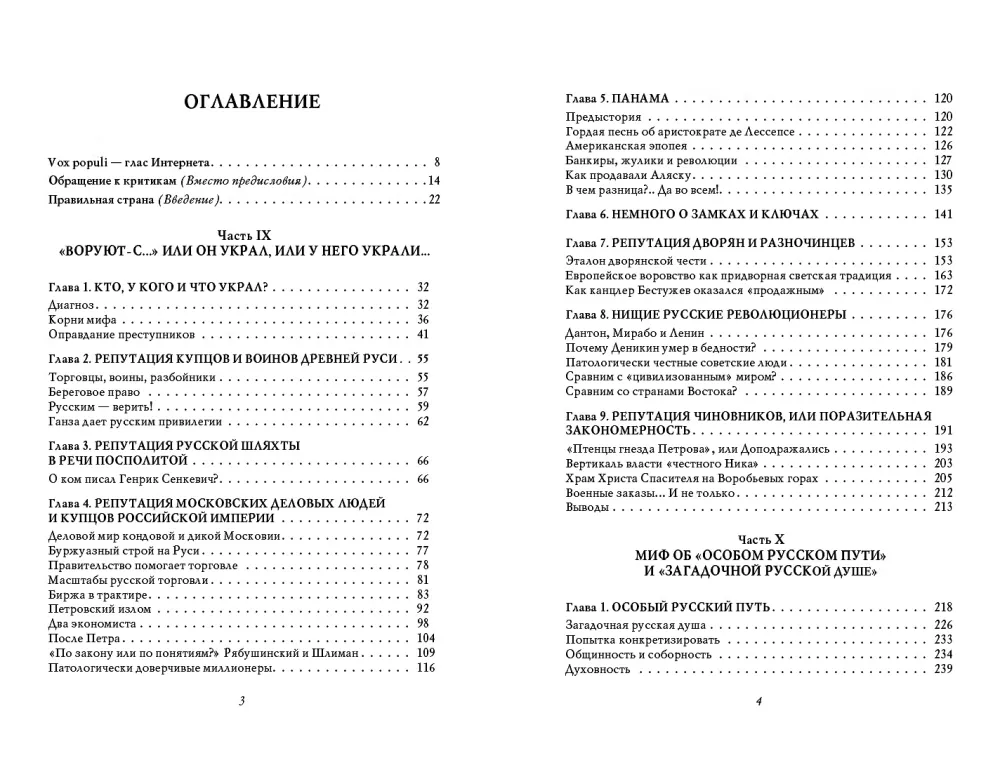
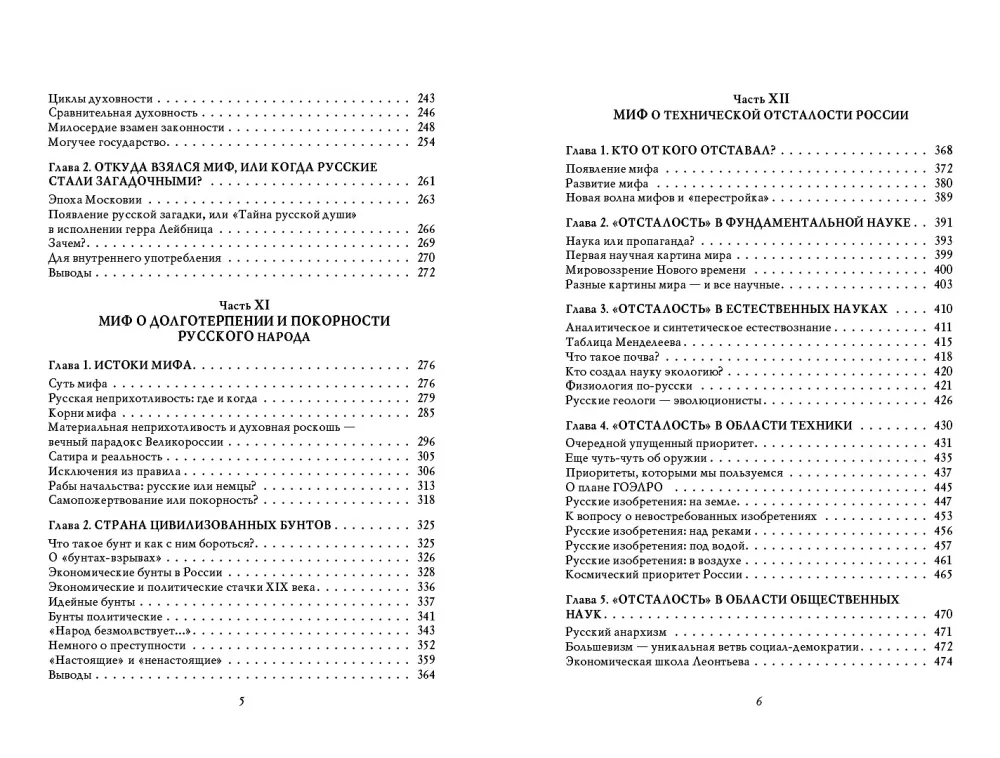
№1. A national Russian trait for a long time — not just since the times of Karamzin and his "They steal...", but even earlier, since the era of feasting — is universal theft and bribery. Any surge in crime and corruption is merely a continuation of our ancient national tradition.
№2. Why does the government tolerate this? Because it actively participates in it. Most importantly, because the people tolerate it. The Russian people are patient and "will endure everything". Patience and hope in authority is an intrinsically Russian trait. "The landlord will come, the landlord will decide for us..."
№3. All of this, taken together, distinguishes us from both the West and the East. The West is the West, the East is the East, — Kipling used to say, and we would add: Russia is Russia. One cannot understand us with reason. Measuring it is also a hopeless endeavor. Such are the peculiarities of our national hunting, fishing, etc. — in general, of our national character. Such is our mysterious Russian soul.
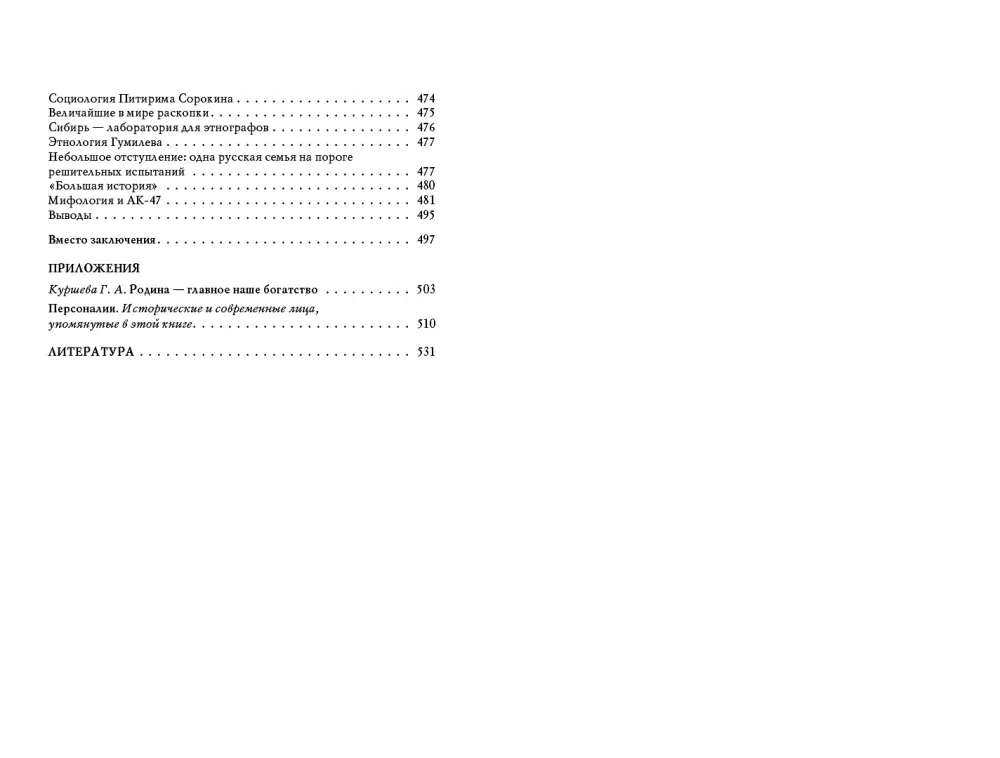
№4. And lastly. With our contemplative Orthodox spirituality, imposed on our inherent Russian laziness and negligence, we have not been able to create anything normal in scientific and technical terms throughout our history. We stole — that was our way (that’s just how we are). There we will steal blueprints for the atomic bomb from the Americans, here — we will redraw the Wright brothers' airplane. We can still shoe a flea, though, under a sober head...
But we are fundamentally unsuitable for effective organized labor. And the separate attempts by the authorities to develop science, nanotechnology, communications, computers, machine engineering are mere empty projections and a pretext for budget theft. Or just PR. We have no historical prerequisites for breakthroughs in science or high technologies.
These are four theses we will argue with in this book. The author will argue that if this is partly the case now, it does not mean that it has always been so and that it cannot be any different.
Read, think, argue.
Bestsellers