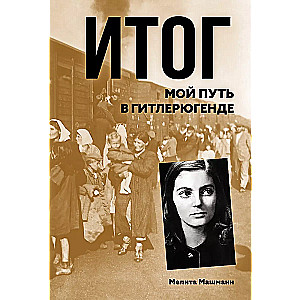
Итог. Мой путь в гитлерюгенде
"Don’t be afraid, I don’t want to make excuses. The evil fate that predetermines the course of events does not exclude personal guilt. I hope, I dare to hope, that for erroneous and even vile actions, which I am obliged...
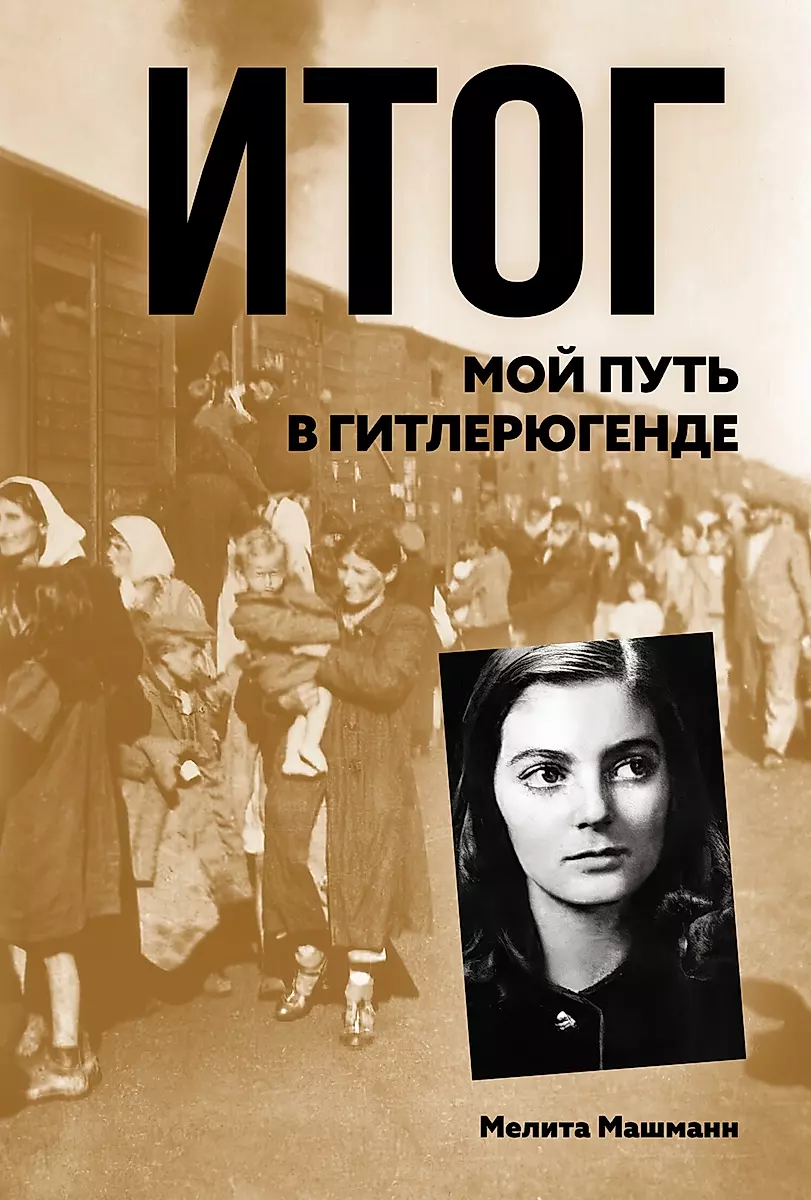
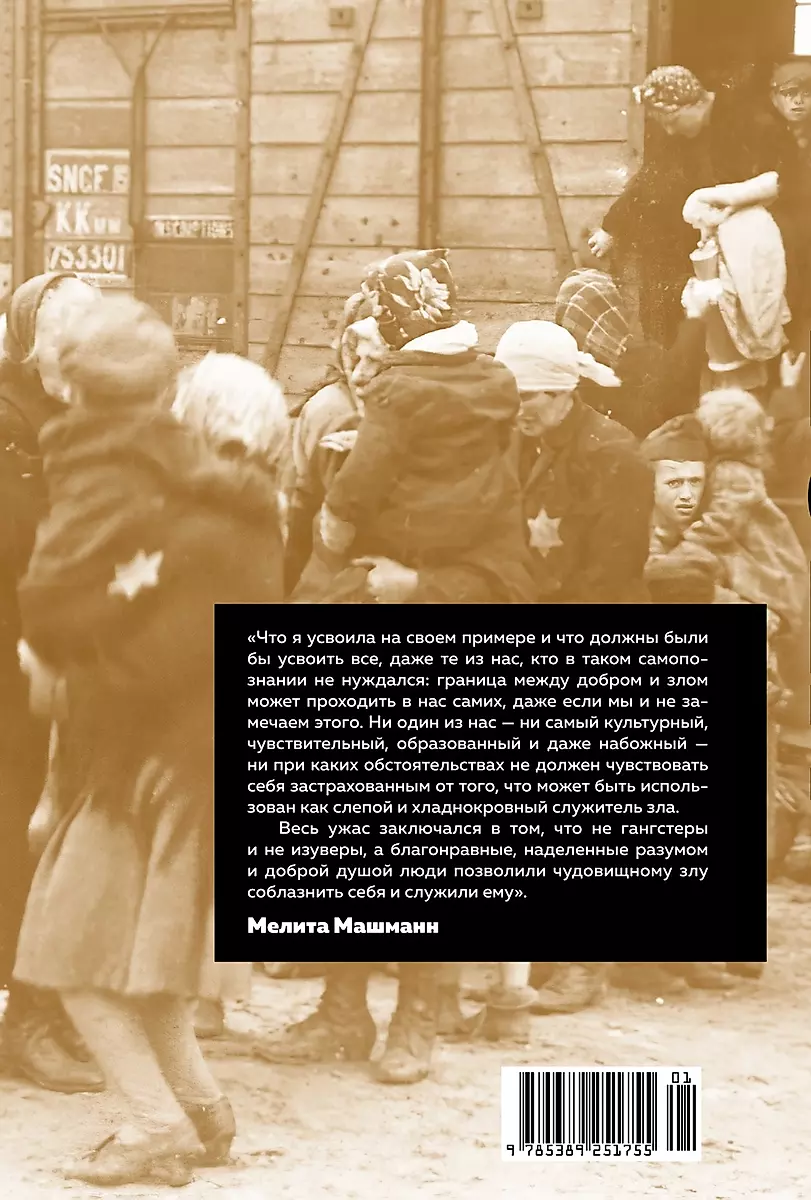
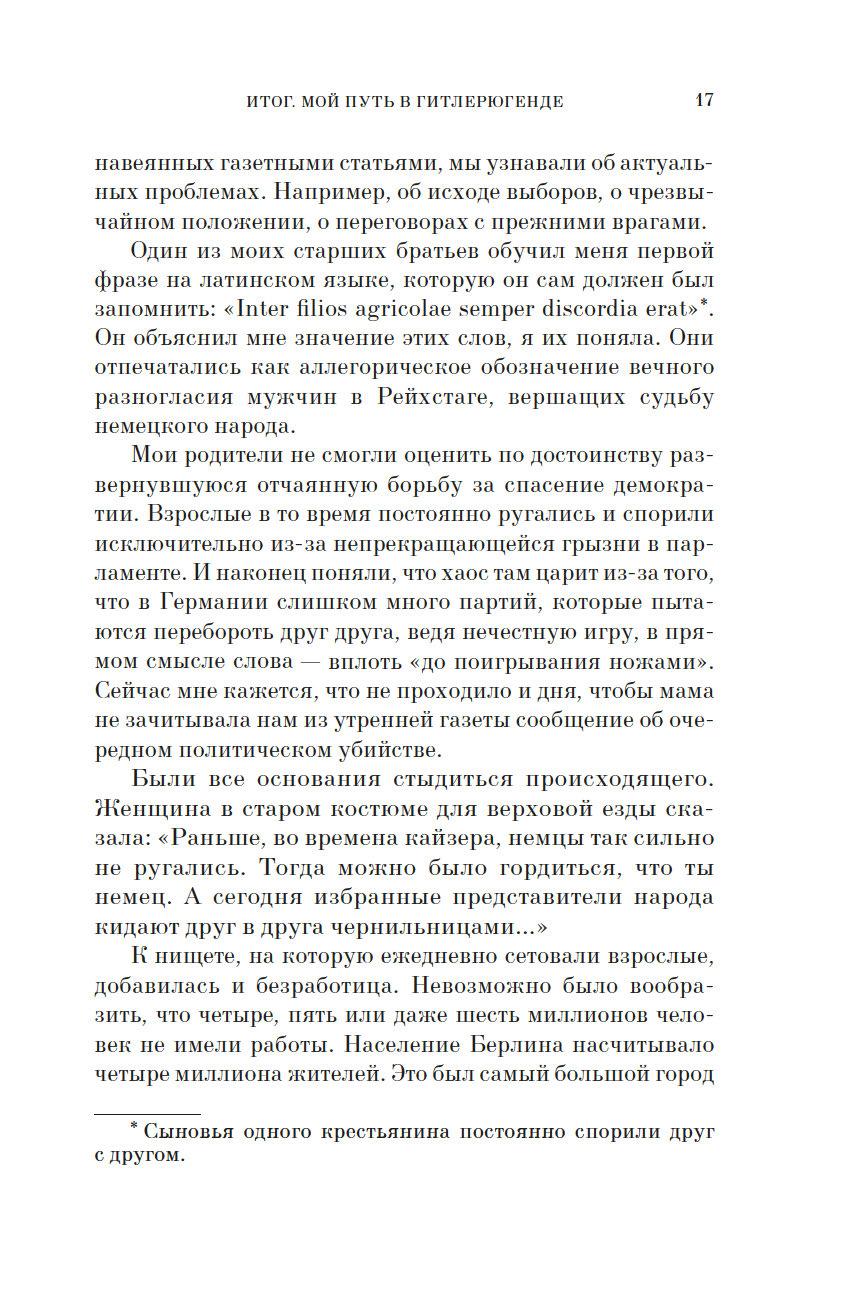
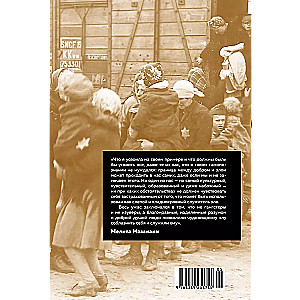
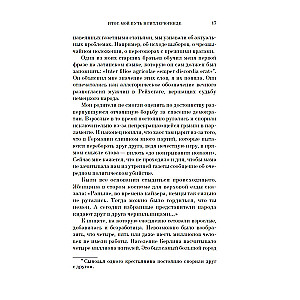
to recount, understanding will eventually be found, rather than forgiveness…" — is written in one letter. The quoted fragment is taken from the book "Fazit. Mein Weg in der Hitler-Jugend" ("Fazit. My Path in the Hitler Youth"). The author of the book is Melita Maschmann, who during the Nazi era was a referent in the press and propaganda department of the League of German Girls. The book is written in the form of a letter to a former school friend, a Jewish girl, who, due to known circumstances, was on the other side of the barbed wire. The memoirs detail the path of a socially conscious, well-educated girl from the middle class, who joins the Hitler Youth, oversees the expulsion of Polish farmers from their lands, and works in the highest echelons of Nazi press and propaganda. In Germany, the book has gone through eight editions and was studied in schools. Historians of Nazism have used it as a primary source. Melita Maschmann died in Germany in 2010. She was never married and had no children.
Autor: МАШМАНН М.
Verlag: Azbuka
Serie: Historisches Interesse
Altersgrenzen: 16+
Jahr der Veröffentlichung: 2024
ISBN: 9785389251755
Anzahl der Seiten: 320
Einbandart: Твердый переплет
Gewicht: 421 g
ID: 1671285
verfügbar
€ 13.89
Wird geliefert nach Vereinigte Staaten am 28 September (Mo):
Per Kurier
ab € 38.94
verfügbar
€ 13.89
Wird geliefert nach Vereinigte Staaten am 28 September (Mo):
Per Kurier
ab € 38.94
Bestseller






€ 13.29
verfügbar
12 Wochen im Jahr. Wie man in 12 Wochen mehr erreicht als andere in 12 Monaten
Майкл Леннингтон, Брайан Моран


€ 7.89
verfügbar
Die Wahl. Über die Freiheit und die innere Stärke des Menschen
Эдит Ева Эгер, Эсме Швалль-Вейганд

€ 5.29
verfügbar
€ 14.99
verfügbar
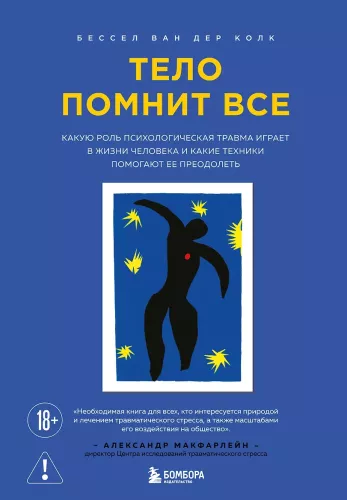
Der Körper erinnert sich an alles: welche Rolle psychische Traumata im Leben des Menschen spielen und welche Techniken helfen, sie zu überwinden
Бессел ван дер Колк


€ 6.99
verfügbar