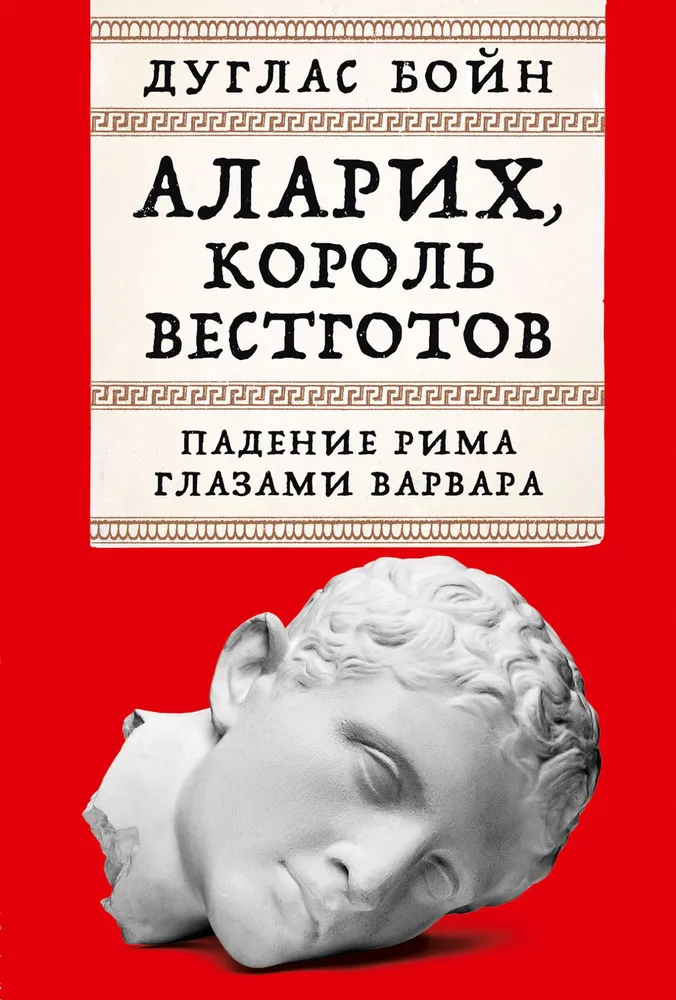
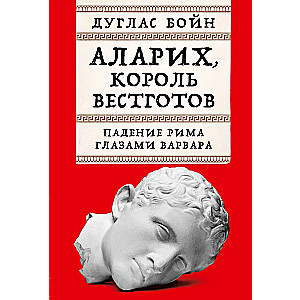
Аларих, король вестготов. Падение Рима глазами варвара
Branded with shame and excluded from Roman society, the Goths were brutal "barbarians" who destroyed "civilization" — at least that is what the traditional versions of the chronicle of the fall of Rome insist. But if we look at what...
happened from a slightly different angle, the story of the Goths takes on new colors and gains unexpected relevance.
Alaric grew up near the river that separated Gothic territories from the Roman Empire and experienced all the charms of Roman immigration policy, according to which the children of new settlers were separated from their parents. He did not receive all the benefits that he probably expected from military service. The Romans could not decide who in their empire should be granted citizenship rights. They sought to strengthen their global influence but feared the loss of Roman identity; they depended on foreign goods but did not consider foreigners to be human. Unlike the Romans, among whom religious fanaticism, intolerance, and radicalism flourished during Alaric's lifetime, the Goths, as true Christians, valued pluralism and tolerance. The Goths were portrayed in history as terrifying harbingers of the Dark Ages, but they were true bearers of ancient virtues.
The three-day pillaging that Alaric and his Goths conducted in the capital of the empire instilled fear in the hearts of the powerful, yet it was a provoked act of violence. Combining vivid language and deep historical analysis, Douglas Boin's book illustrates the complex and ambiguous influence of the Goths on subsequent world history.
Alaric grew up near the river that separated Gothic territories from the Roman Empire and experienced all the charms of Roman immigration policy, according to which the children of new settlers were separated from their parents. He did not receive all the benefits that he probably expected from military service. The Romans could not decide who in their empire should be granted citizenship rights. They sought to strengthen their global influence but feared the loss of Roman identity; they depended on foreign goods but did not consider foreigners to be human. Unlike the Romans, among whom religious fanaticism, intolerance, and radicalism flourished during Alaric's lifetime, the Goths, as true Christians, valued pluralism and tolerance. The Goths were portrayed in history as terrifying harbingers of the Dark Ages, but they were true bearers of ancient virtues.
The three-day pillaging that Alaric and his Goths conducted in the capital of the empire instilled fear in the hearts of the powerful, yet it was a provoked act of violence. Combining vivid language and deep historical analysis, Douglas Boin's book illustrates the complex and ambiguous influence of the Goths on subsequent world history.
Autor: БОЙН Д.
Verlag: Al'pina Pablisher
Altersgrenzen: 12+
Jahr der Veröffentlichung: 2023
ISBN: 9785002230839
Anzahl der Seiten: 332
Größe: 216х148х29 мм mm
Einbandart: Твердый переплет
Gewicht: 410 g
ID: 1669045
Bei Lieferanten verfügbar
Voraussichtliche Lieferzeit – bis zu 3 Wochen
€ 9.49
Bei Lieferanten verfügbar
Voraussichtliche Lieferzeit – bis zu 3 Wochen
€ 9.49
Bestseller




€ 13.29
verfügbar
12 Wochen im Jahr. Wie man in 12 Wochen mehr erreicht als andere in 12 Monaten
Майкл Леннингтон, Брайан Моран


€ 7.89
verfügbar
Die Wahl. Über die Freiheit und die innere Stärke des Menschen
Эдит Ева Эгер, Эсме Швалль-Вейганд




€ 6.99
verfügbar