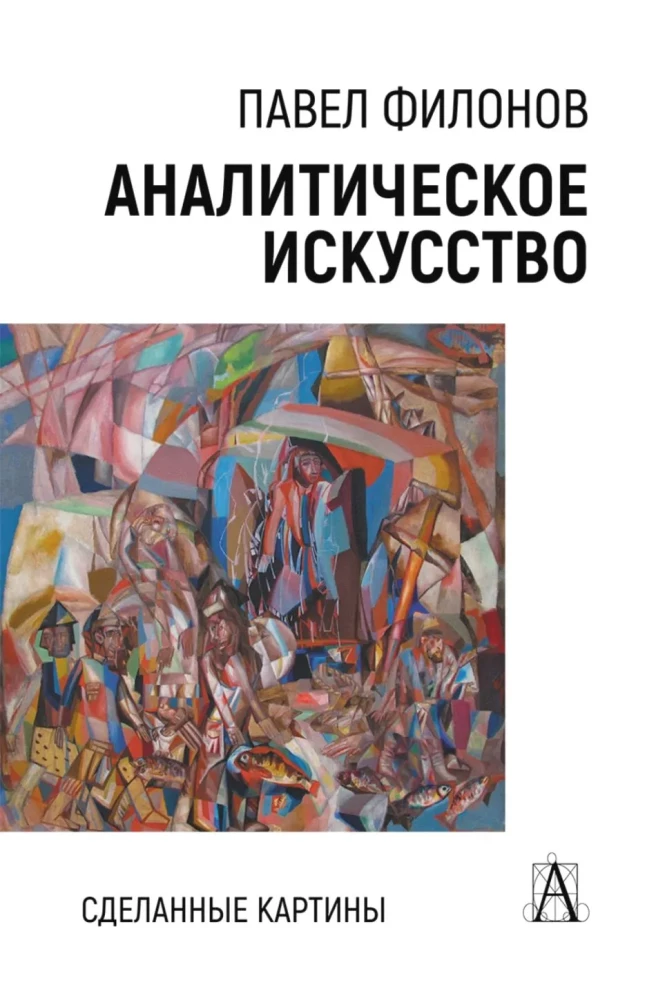
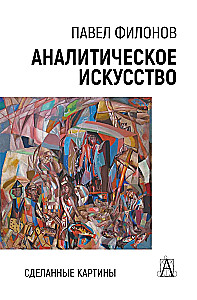
Аналитическое искусство
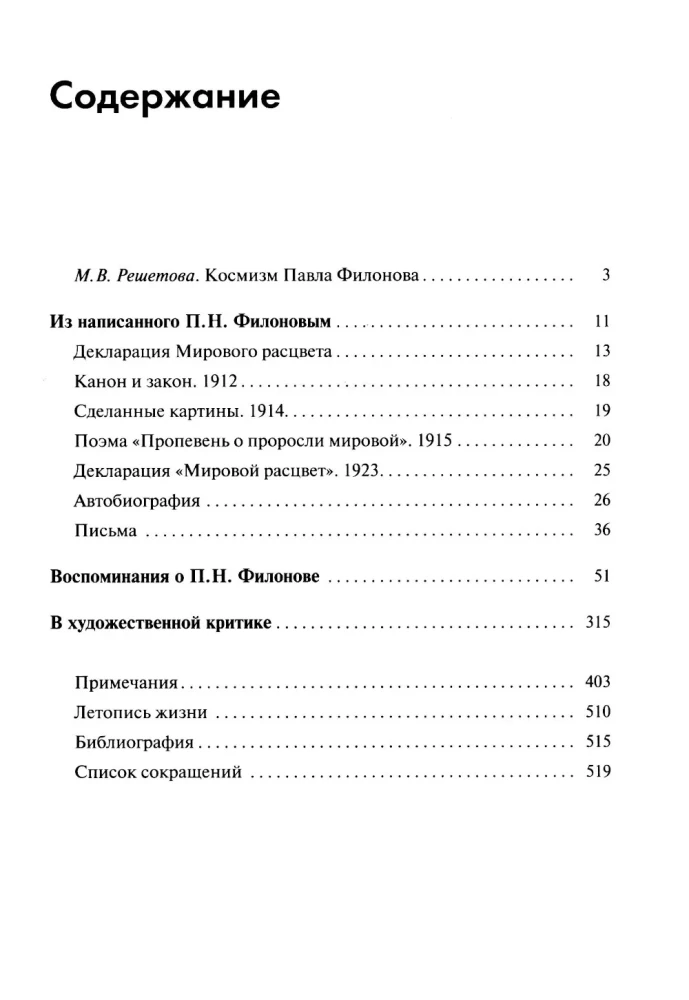
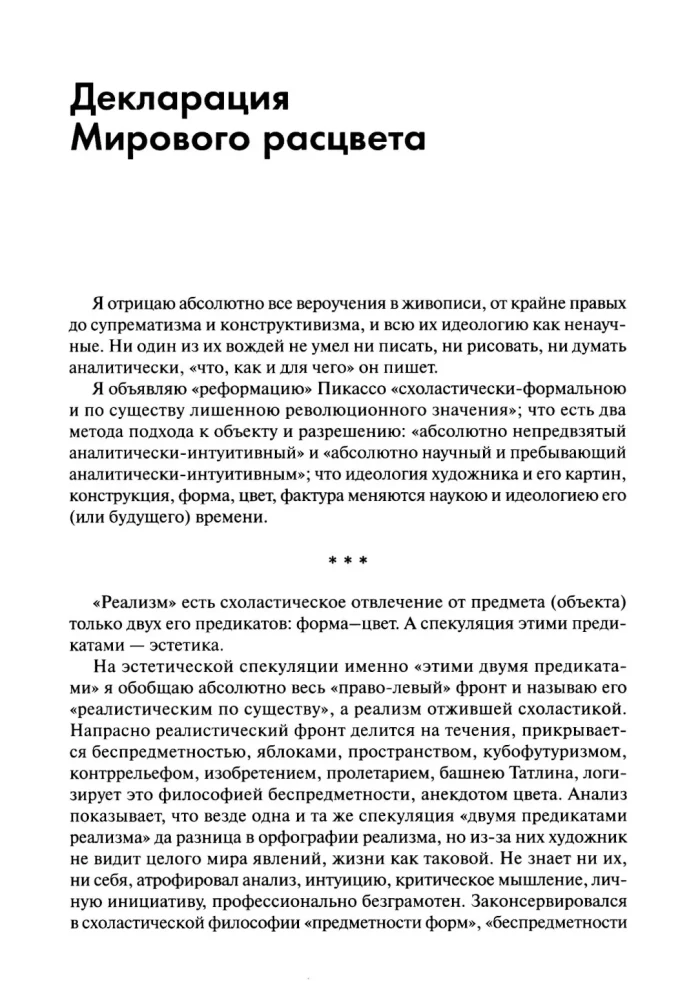
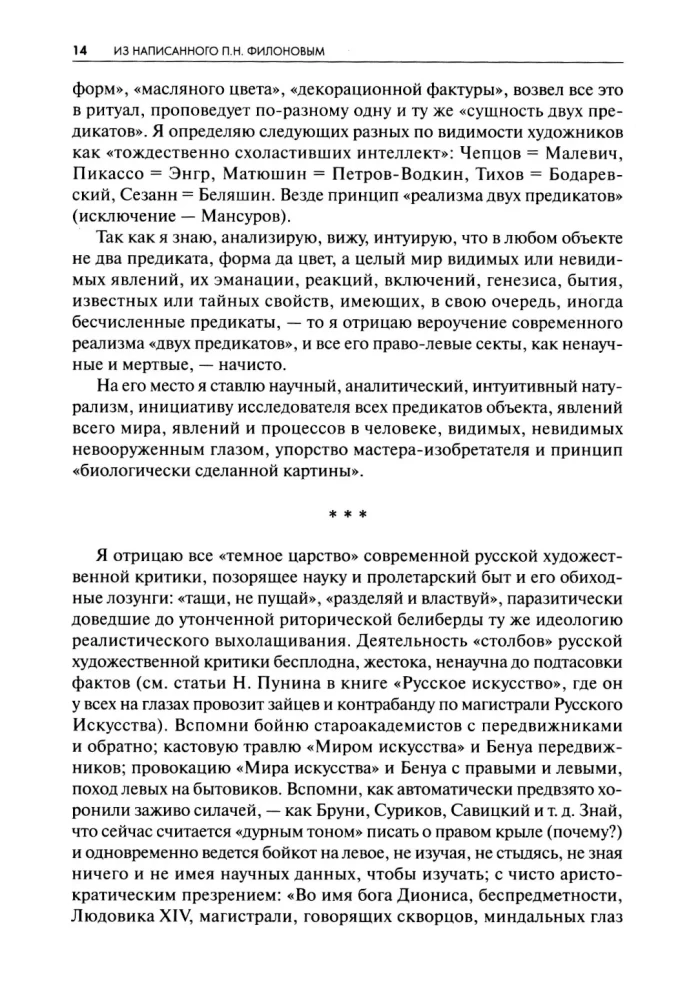
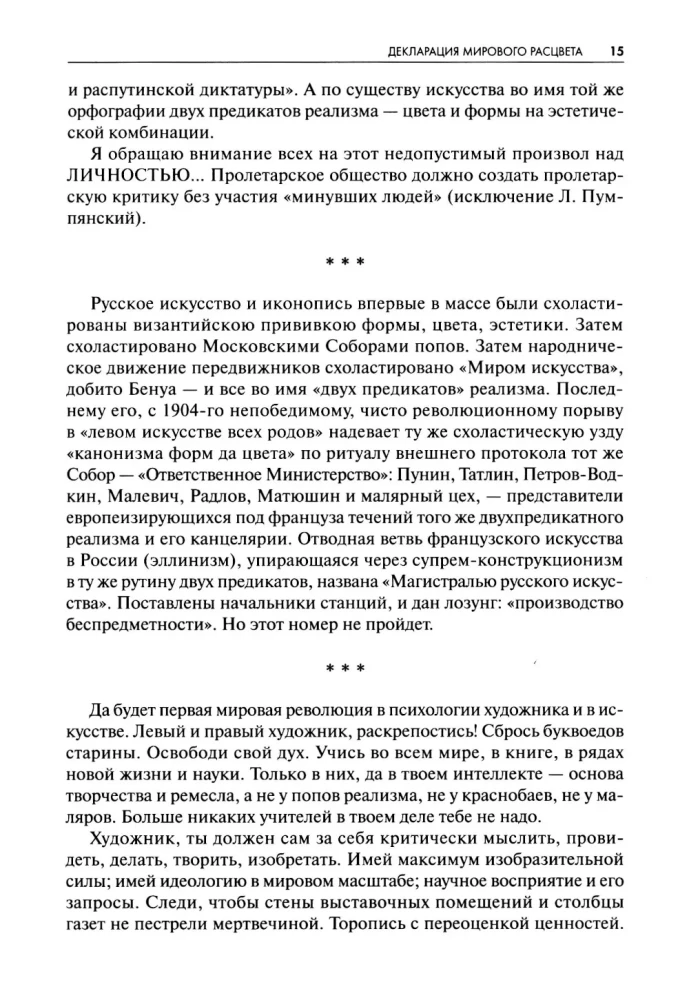
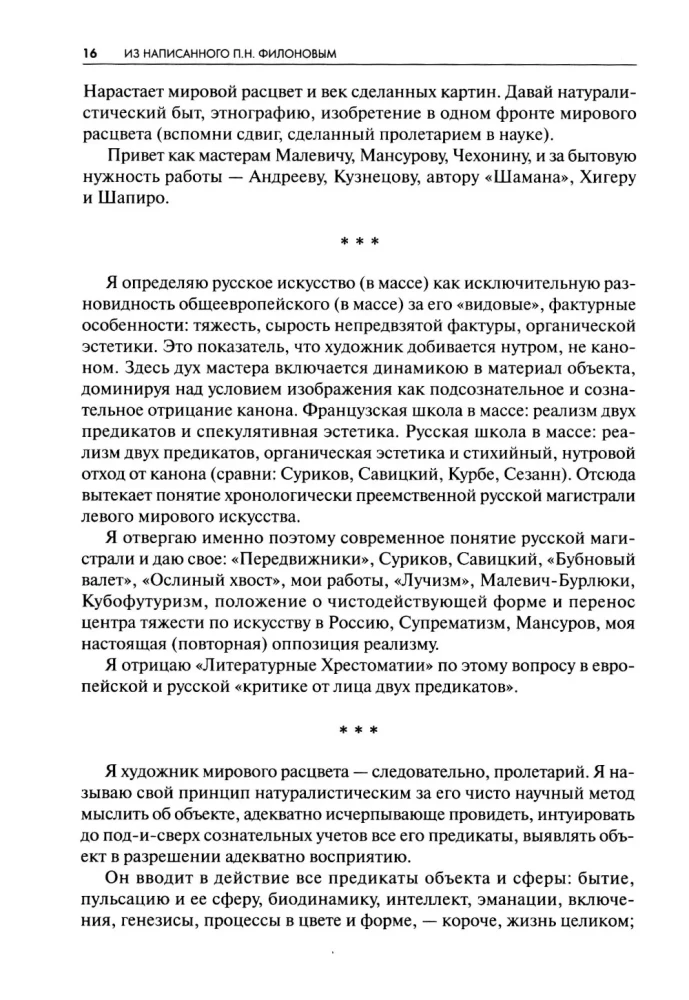
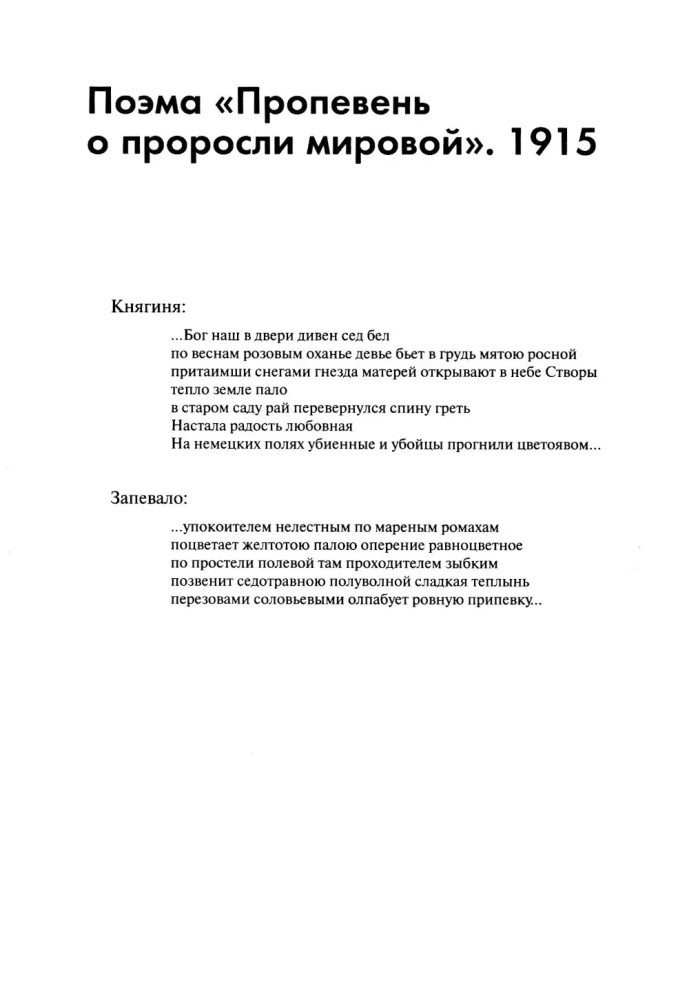
This book collects the theoretical works of one of the most enigmatic artists of the Russian avant-garde, Pavel Nikolaevich Filonov (1883-1941), his letters, memories about him, and works dedicated to the analysis of the painter's creativity.
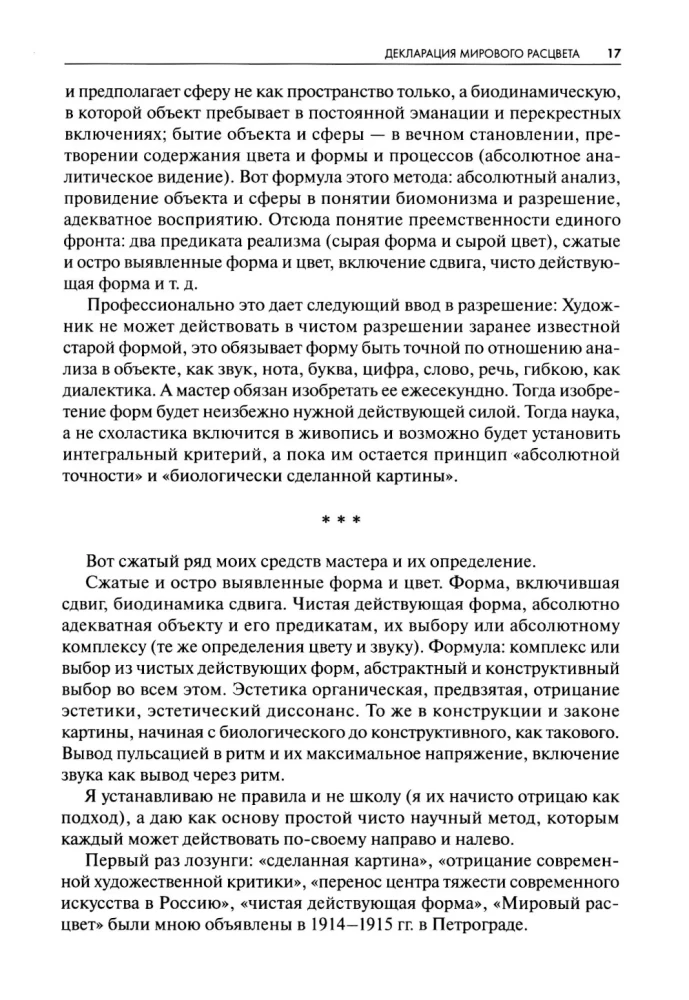
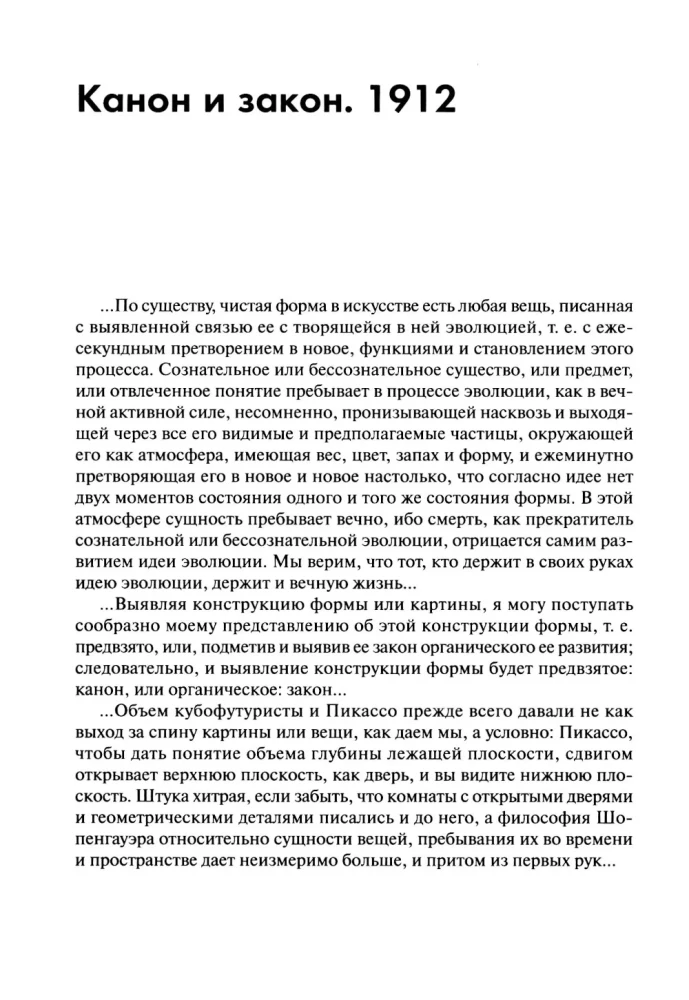
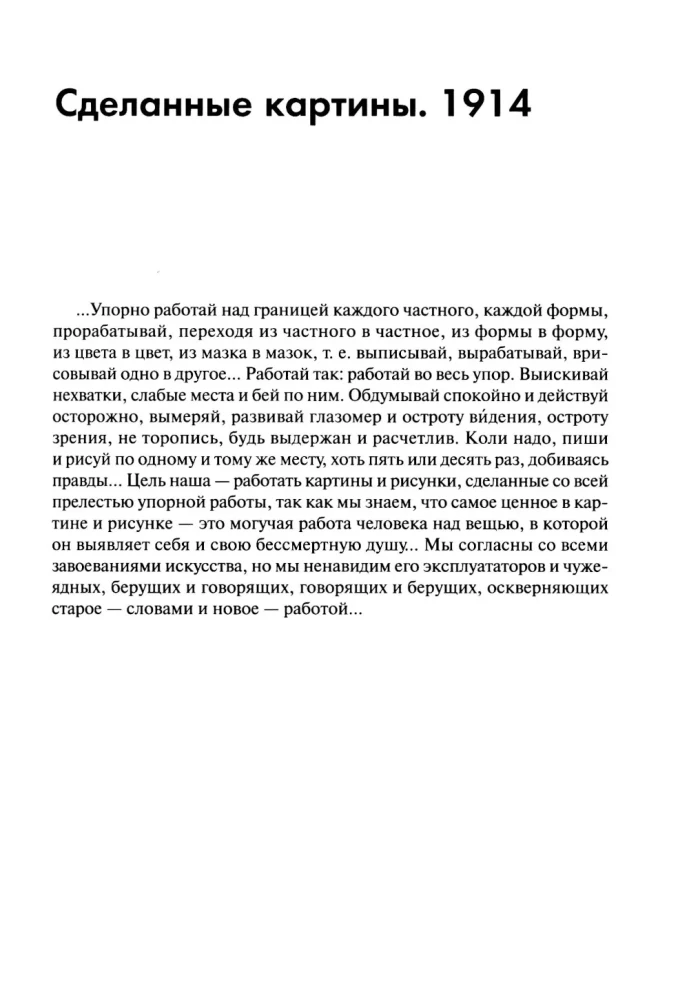
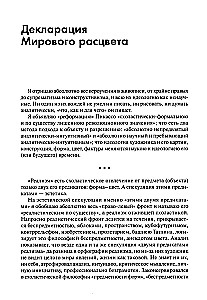
The artist formulated the principles... of his analytical method: a painting develops like a living organism - from the particular to the general, as if it grows by cell division, each of which has its own complex organization. Filonov occupied a unique position in the Russian avant-garde. He became a prophet, a messiah, an ascetic, a teacher, an outcast, and a martyr all in one. The master created his own, entirely special variant of avant-gardism, which was much further removed from all other variants than they were from each other.
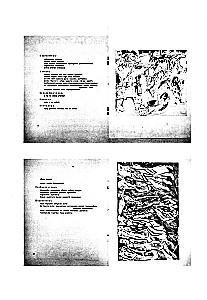
His works are an astonishing combination of the animal and the plant, the organic and the inorganic, the human and the non-human, the dead and the living. For him, all these categories do not exist; the Universe is one, and the processes occurring in it equally unite all these oppositions, since they do not exist in it. He depicts not the surface of phenomena, but their essence, their laws, structure, and processes. For Filonov, such an approach was scientific: he depicted processes that occur, say, under the skin of a human being - the flow of blood, the pulsation of veins, the workings of the brain.
The scale of Filonov encompasses the entire Universe, from the atom to infinity, from the past to the future. His works suggest that beyond them infinity continues, and they are only a part of it. Filonov himself, like a pantheistic God, encompasses this entire Universe with his gaze and is simultaneously present in every tiny particle of it. The history of humanity for Filonov is but a small part of the world's history. The histories of the cosmos, planets, life on them, geochemical and all other processes. And again, the master is everywhere at once - in the past, the future, and, of course, in the present.
For art historians, students, and graduate students in the humanities, as well as for a circle of interested readers.
The artist formulated the principles... of his analytical method: a painting develops like a living organism - from the particular to the general, as if it grows by cell division, each of which has its own complex organization. Filonov occupied a unique position in the Russian avant-garde. He became a prophet, a messiah, an ascetic, a teacher, an outcast, and a martyr all in one. The master created his own, entirely special variant of avant-gardism, which was much further removed from all other variants than they were from each other.
His works are an astonishing combination of the animal and the plant, the organic and the inorganic, the human and the non-human, the dead and the living. For him, all these categories do not exist; the Universe is one, and the processes occurring in it equally unite all these oppositions, since they do not exist in it. He depicts not the surface of phenomena, but their essence, their laws, structure, and processes. For Filonov, such an approach was scientific: he depicted processes that occur, say, under the skin of a human being - the flow of blood, the pulsation of veins, the workings of the brain.
The scale of Filonov encompasses the entire Universe, from the atom to infinity, from the past to the future. His works suggest that beyond them infinity continues, and they are only a part of it. Filonov himself, like a pantheistic God, encompasses this entire Universe with his gaze and is simultaneously present in every tiny particle of it. The history of humanity for Filonov is but a small part of the world's history. The histories of the cosmos, planets, life on them, geochemical and all other processes. And again, the master is everywhere at once - in the past, the future, and, of course, in the present.
For art historians, students, and graduate students in the humanities, as well as for a circle of interested readers.
Autors: Pavel Filonov
Izdevniecība: Triksta
Sērija: Academic Project
Vecuma ierobežojumi: 16+
Izdošanas gads: 2026
ISBN: 9785829145033
Lappušu skaits: 523
Izmērs: 220h140h27 mm
Vāka tips: ciets vāks
Svars: 691 g
ID: 1733435
Ir uz vietas
€ 41.59
Piegādāsim uz Amerikas Savienotās Valstis 29 septembris (O.):
Izbraucēja
no € 38.94
Ir uz vietas
€ 41.59
Piegādāsim uz Amerikas Savienotās Valstis 29 septembris (O.):
Izbraucēja
no € 38.94
Populārakas

Top prece
€ 14.99
Ir uz vietas
K sevī maigi. Grāmata par to, kā novērtēt un sargāt sevi
Olga Primačenko
€ 13.29
Ir uz vietas
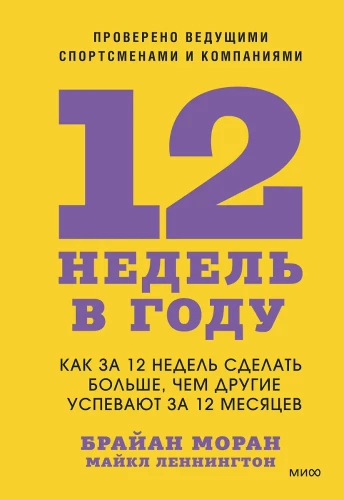
12 nedēļas gadā. Kā 12 nedēļās izdarīt vairāk, nekā citi paspēj 12 mēnešos
Majkl Lennington, Brajan Moran
€ 14.99
Ir uz vietas
Ķermenis atceras visu: kādu lomu psiholoģiskā trauma spēlē cilvēka dzīvē un kādas tehnikas palīdz to pārvarēt
Bessel van der Kolk