
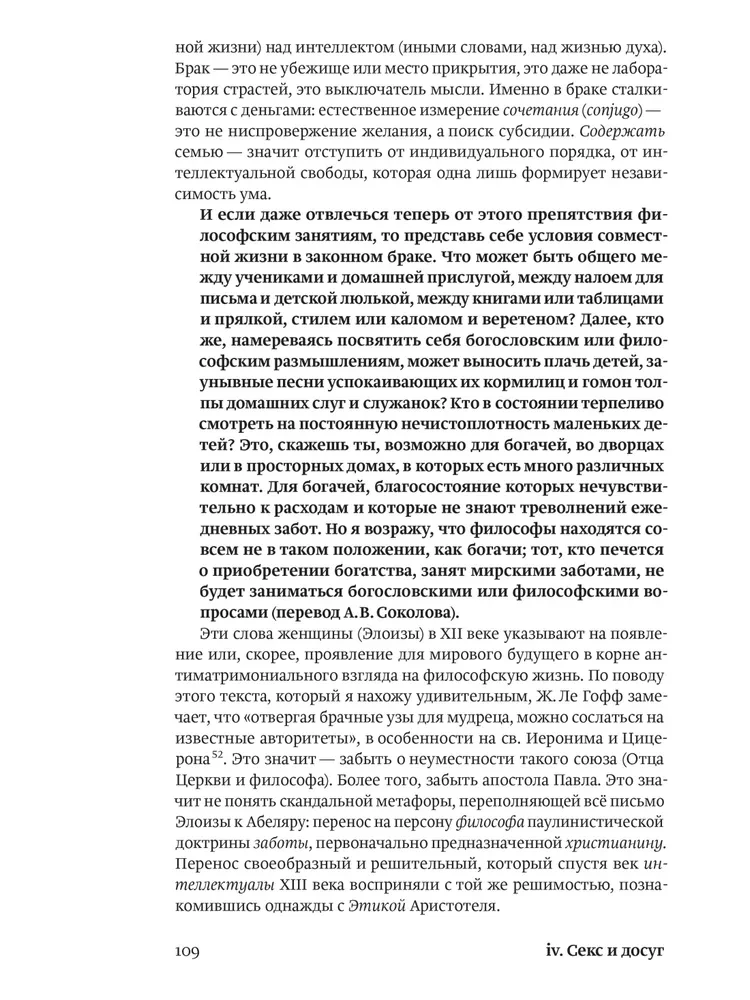
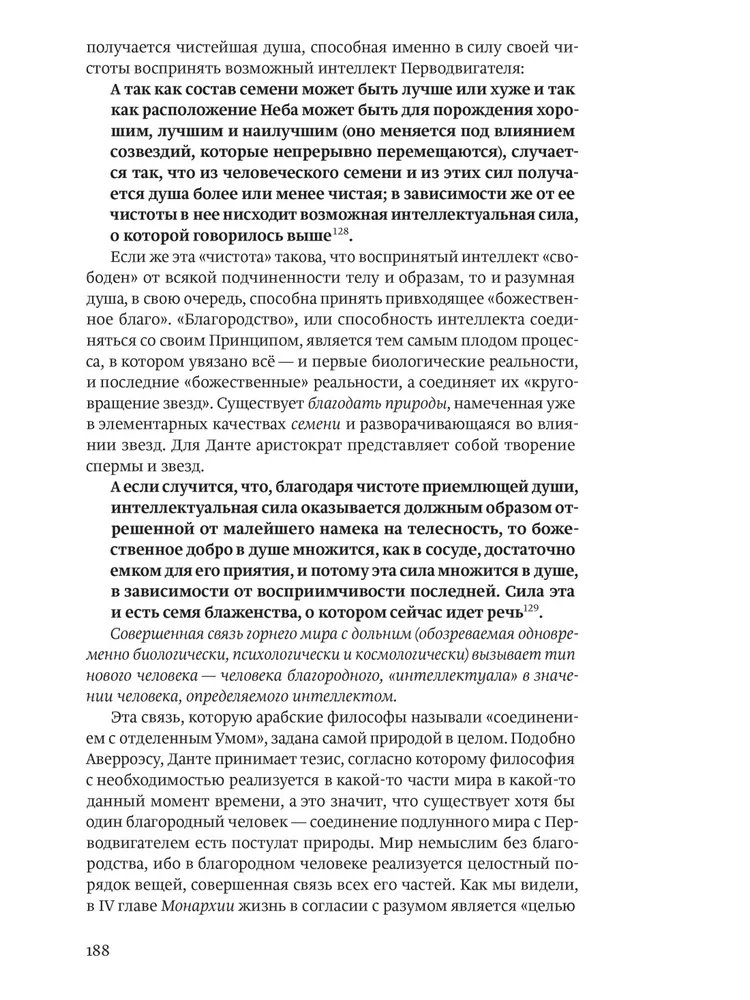

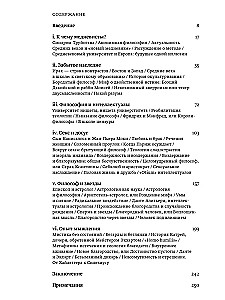
Средневековое мышление
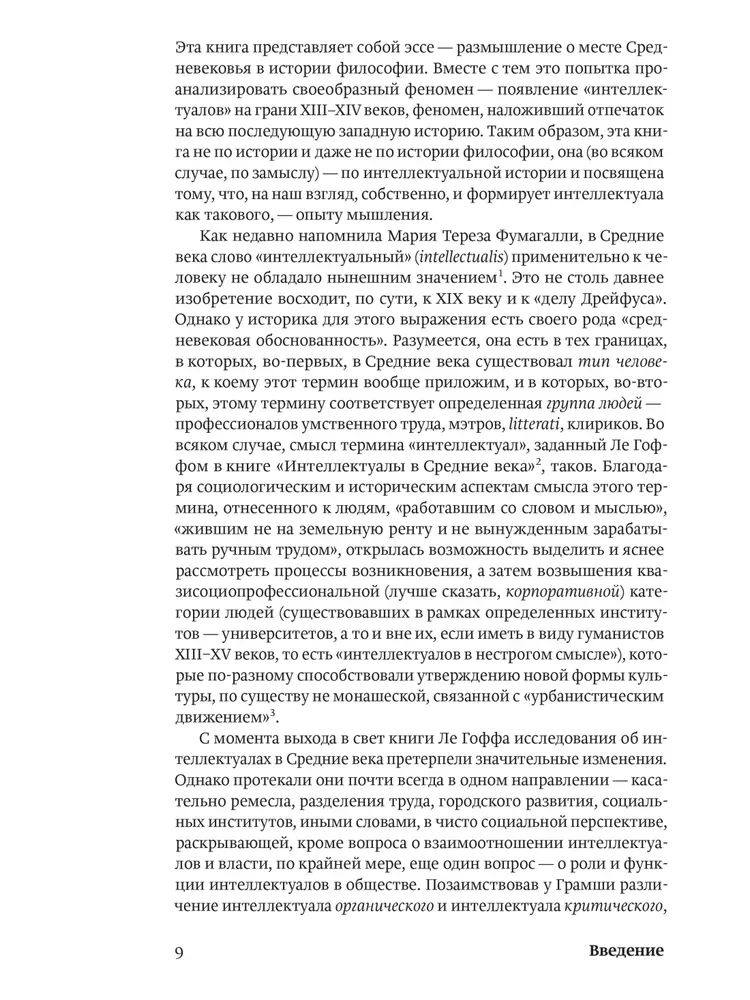
In the essay "Medieval Thinking" (1991), French historian of philosophy and honorary professor at the Collège de France Alain de Libera (born 1948) offers an atypical concept of the genesis of European culture.
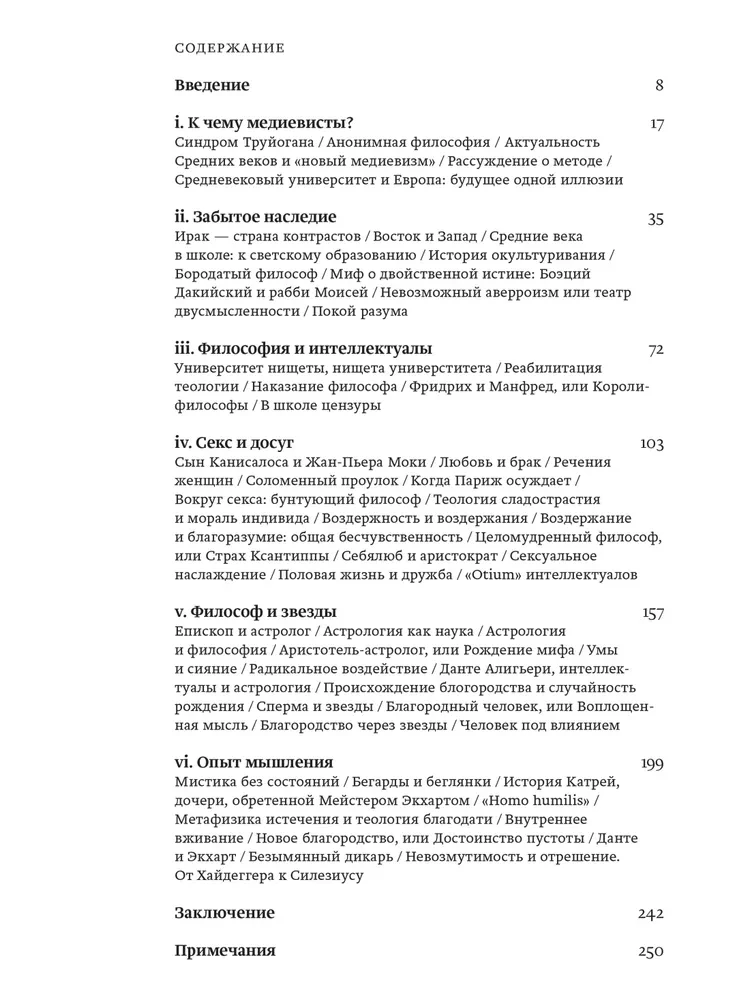
Examining various aspects of medieval life and relying... on a wide range of written sources, the scholar explores the prerequisites for the emergence of the "intellectual" at the turn of the 13th and 14th centuries—a phenomenon that influenced the entire subsequent development of Western history. Driven by the desire to "discuss the undiscussed," the scholar dismantles common stereotypes about the "dark" ages and reveals what lies behind such concepts as Averroism, Thomism, and mysticism.
In the assimilation of the Greco-Arab heritage, the influence of Aristotle on astrology, the theory of humility of Meister Eckhart, and Dante's contemplation of the stars, de Libera sees the roots of medieval philosophical thinking.
Examining various aspects of medieval life and relying... on a wide range of written sources, the scholar explores the prerequisites for the emergence of the "intellectual" at the turn of the 13th and 14th centuries—a phenomenon that influenced the entire subsequent development of Western history. Driven by the desire to "discuss the undiscussed," the scholar dismantles common stereotypes about the "dark" ages and reveals what lies behind such concepts as Averroism, Thomism, and mysticism.
In the assimilation of the Greco-Arab heritage, the influence of Aristotle on astrology, the theory of humility of Meister Eckhart, and Dante's contemplation of the stars, de Libera sees the roots of medieval philosophical thinking.
Autors: Alen Libera
Izdevniecība: Ad Marginem
Vecuma ierobežojumi: 18+
Izdošanas gads: 2025
ISBN: 9785911038724
Lappušu skaits: 288
Izmērs: 225h150h20 mm
Vāka tips: mīksts vāks
Svars: 320 g
ID: 1721268
Ir uz vietas
€ 14.99
Piegādāsim uz Amerikas Savienotās Valstis :
Diemžēl šobrīd nevaram piegādāt pasūtījumu jūsu reģionā.
Ir uz vietas
€ 14.99
Piegādāsim uz Amerikas Savienotās Valstis :
Diemžēl šobrīd nevaram piegādāt pasūtījumu jūsu reģionā.
Populārakas




Top prece
€ 14.99
Ir uz vietas
K sevī maigi. Grāmata par to, kā novērtēt un sargāt sevi
Olga Primačenko

€ 13.29
Ir uz vietas
12 nedēļas gadā. Kā 12 nedēļās izdarīt vairāk, nekā citi paspēj 12 mēnešos
Majkl Lennington, Brajan Moran