
Kreatiivne juhtimine: Inimese keskne äri muutuste ajastul
Autor: Айше Агекян
Väljaandja: Al'pina Pablisher
Vanusepiirangud: 16+
avaldamise aasta: 2026
ISBN: 9785002060139
lehekülgede arv: 256
Suurus: 220х150х20 mm
Kaanetüüp: Hard
Kaal: 406 g
ID: 1741983
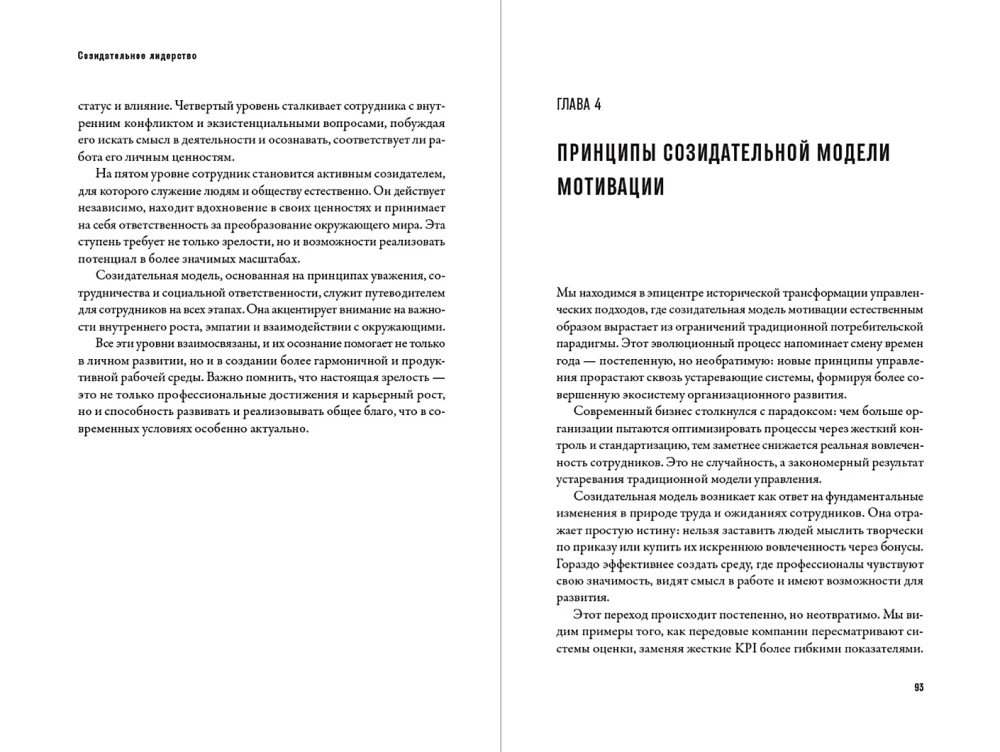
Why do teams work half-heartedly, projects fall apart, and salary increases, bonuses, and benefits provide only temporary effects? It's not about the people. It's about the fact that traditional management tools no longer work. Today, the best specialists and managers choose employers based on values and want to work where they feel meaning and see growth opportunities.
As a manager in a large international company, Ayshe Agekyan confidently climbed the career ladder until she heard a question that radically changed her approach to management: "How many successors have you prepared?" From that moment on, Ayshe never left a position without cultivating a worthy replacement. Over the years, working with thousands of employees and leaders from around the world, she came to a simple but not obvious conclusion: business results are always a consequence of how a leader relates to people.
She based this idea on her concept of creative leadership - a management model in which business success becomes a natural consequence of a human-centered approach. To be a creative leader means to embark on a path of deep inner work on oneself, to fight the fear of competition, and to learn to trust employees. This book is about that journey: not about management techniques, but about how to become a leader whom the team remembers for growing alongside them.