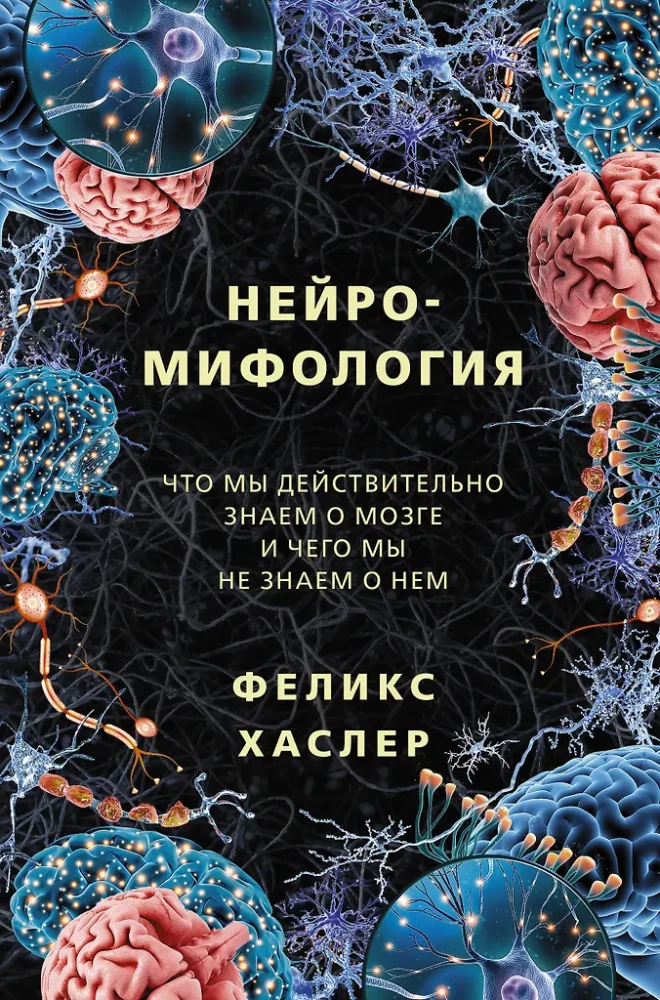
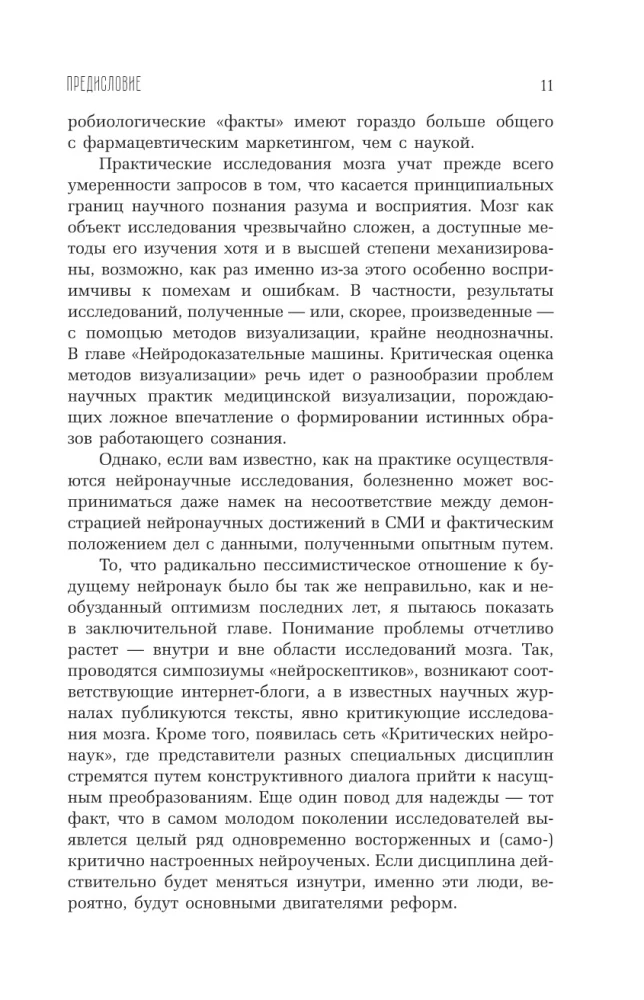
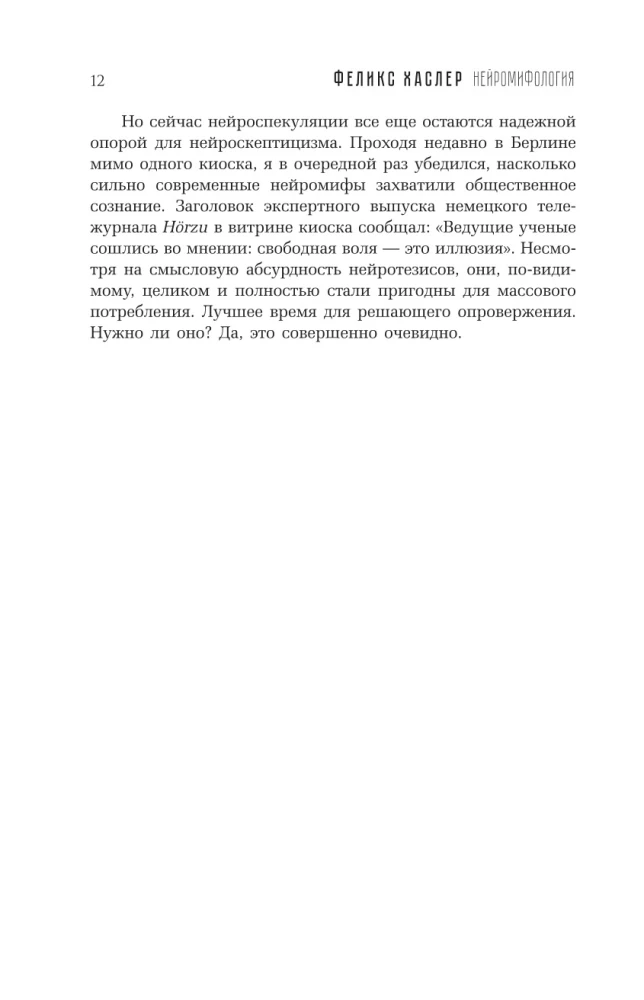
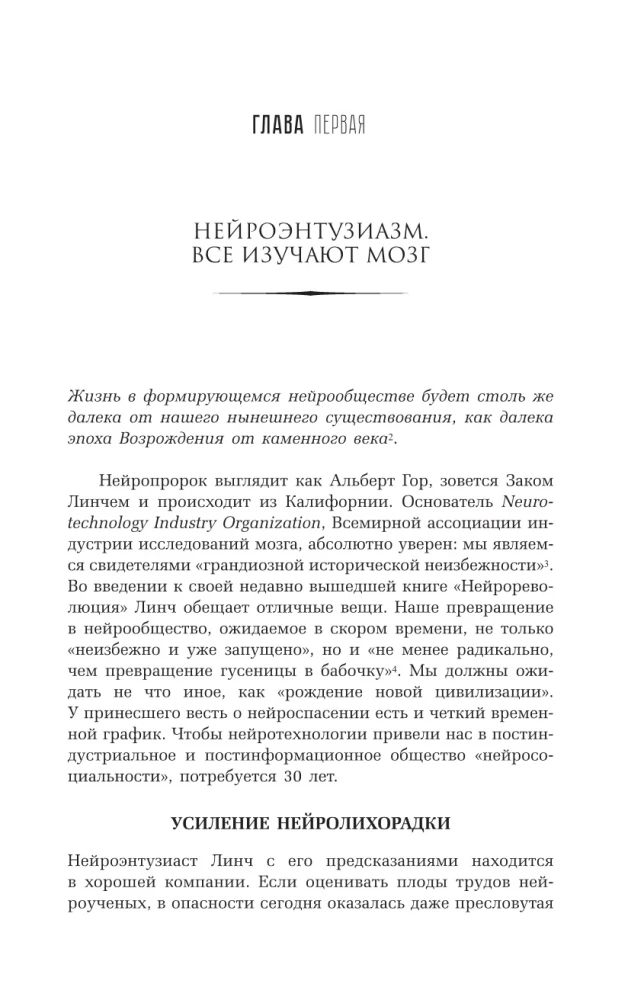
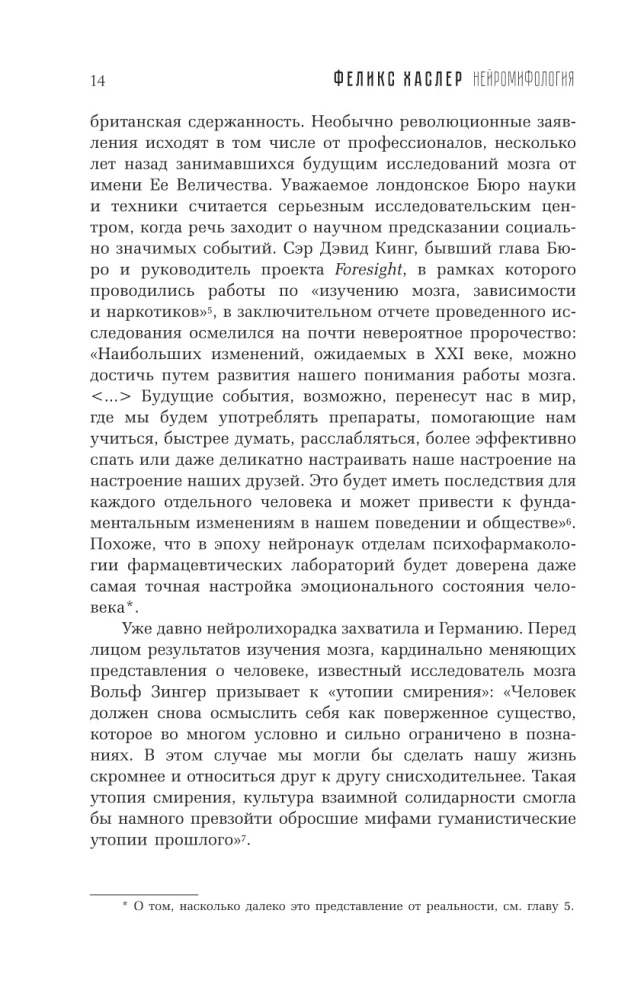
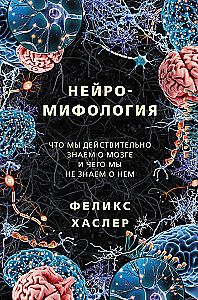
Neuro-mythology
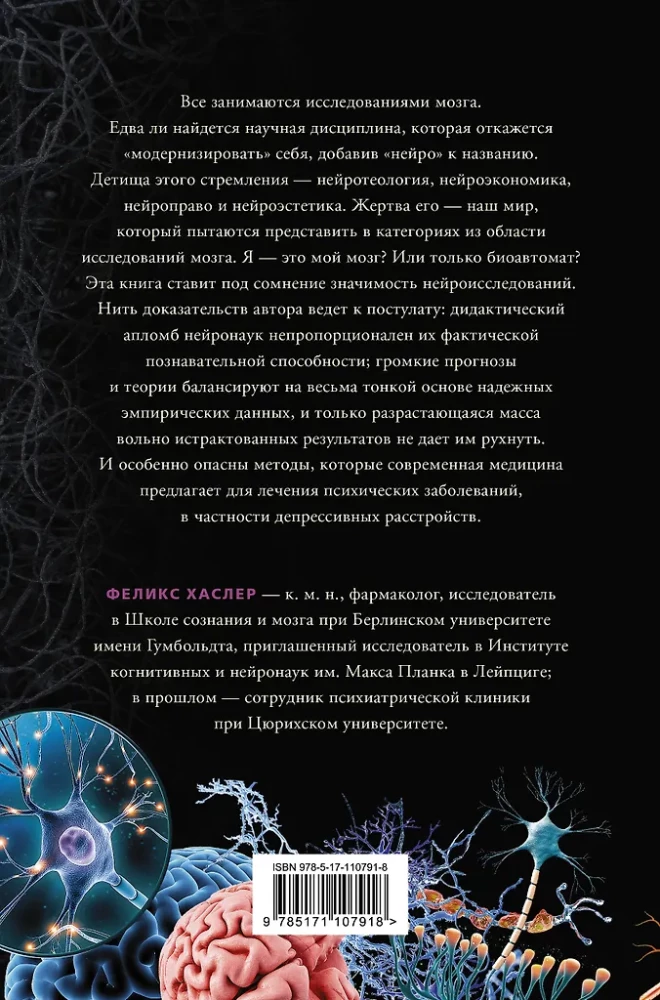
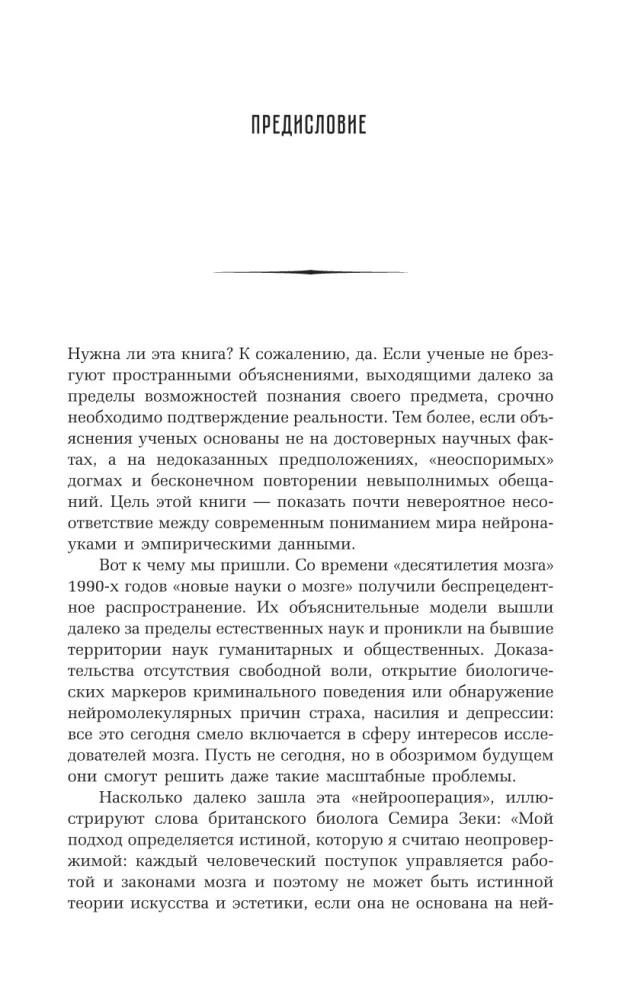
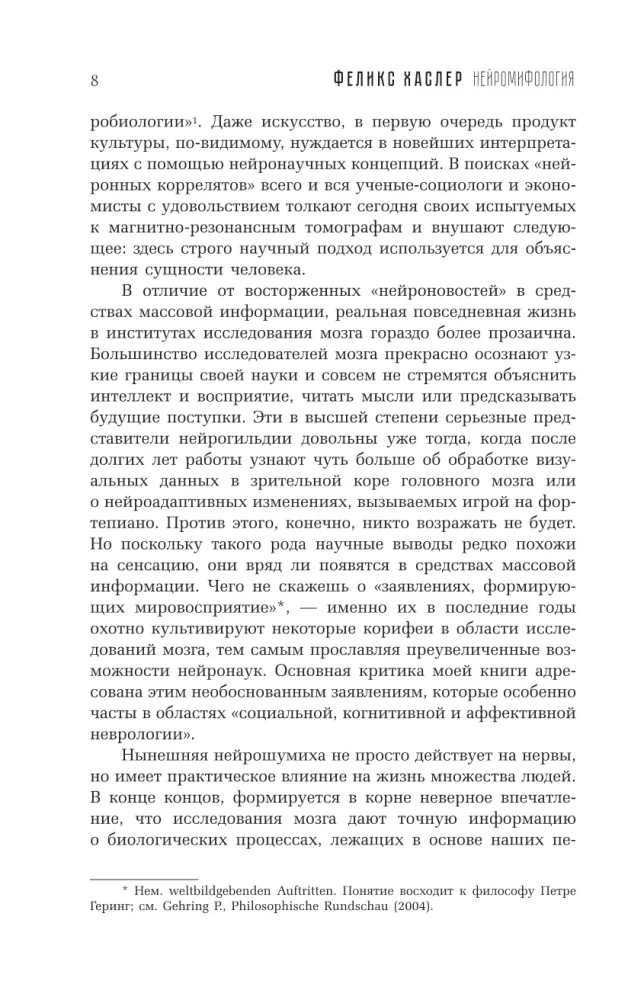
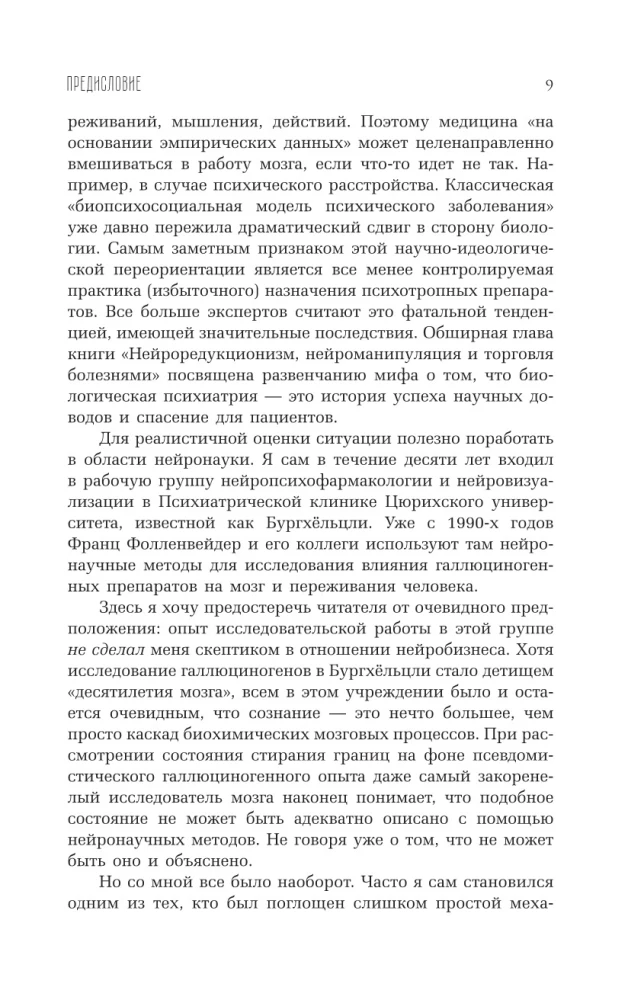
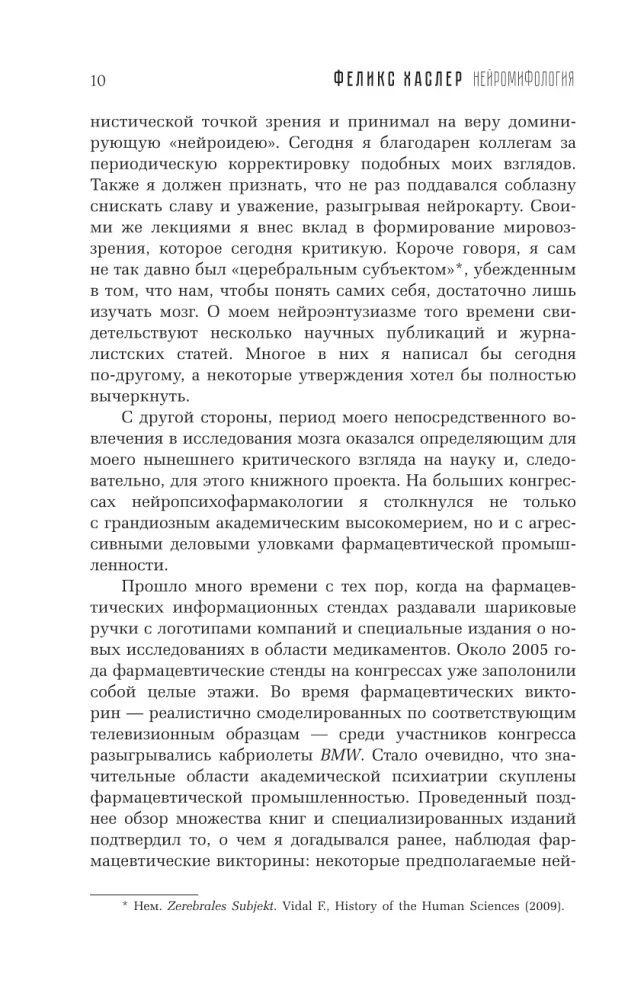
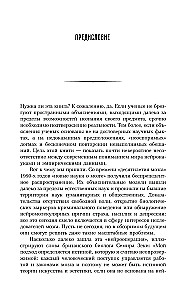
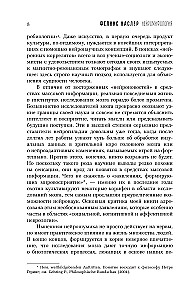
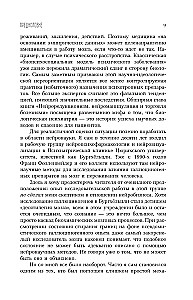
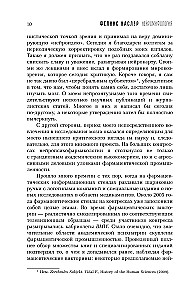
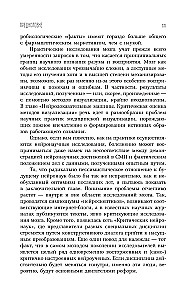
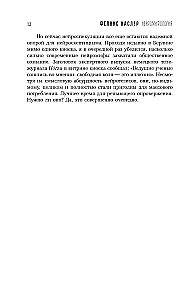
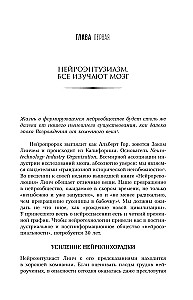
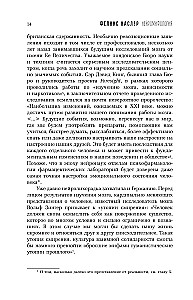
Everyone is engaged in brain research. It is hard to find a scientific discipline that refuses to modernize itself by adding neuro to its name. The offspring of this aspiration — neurotheology, neuroeconomics, neuro-law, and neuro-aesthetics. The victim of it...
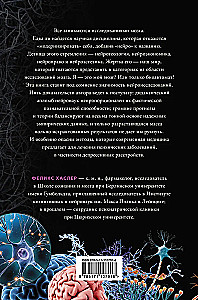
— our world, which is attempted to be presented in the categories of brain research. Am I my brain? Or just a bio-automaton? This book questions the significance of neuro-research. The author’s thread of evidence leads to the postulate: the didactic aplomb of neuroscience is disproportionate to their actual cognitive ability; loud predictions and theories balance on a very thin base of reliable empirical data, and only the growing mass of freely interpreted results prevents them from collapsing. And especially dangerous are the methods that modern medicine offers for treating mental disorders, particularly depressive disorders. Felix Hasler — PhD, pharmacologist, researcher at the School of Consciousness and Brain at Humboldt University in Berlin, invited researcher at the Max Planck Institute for Cognitive and Neurosciences in Leipzig; formerly an employee of the psychiatric clinic at the University of Zurich.
Author: Феликс Хаслер
Printhouse: AST
Series: Interesting science popularization. Amazon hits
Age restrictions: 12+
Year of publication: 2022
ISBN: 9785171107918
Number of pages: 320
Size: 218x148x21 mm
Cover type: hard
Weight: 391 g
ID: 910261
Sold out
€ 10.89
Sold out
€ 10.89
Bestsellers




€ 13.29
In stock
12 Weeks in a Year. How to Achieve More in 12 Weeks Than Others Do in 12 Months
Майкл Леннингтон, Брайан Моран

€ 7.89
In stock
Choice. On the Freedom and Inner Strength of a Person
Эдит Ева Эгер, Эсме Швалль-Вейганд


€ 14.99
In stock
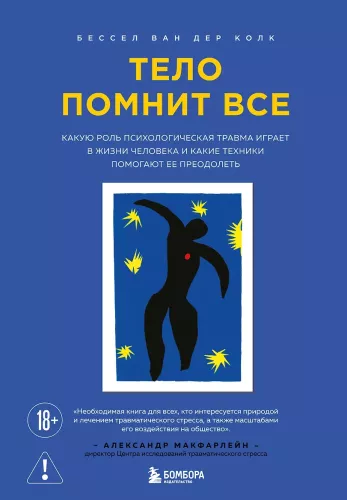
The Body Remembers Everything: The Role of Psychological Trauma in a Person's Life and Techniques to Overcome It
Бессел ван дер Колк

Publishers "AST" recommends


Bestseller
€ 12.39
In stock
Intensive Korean Language Course for Beginners
Анастасия Погадаева, Чун Ин Сун