






General History of Geographic Discoveries
Author: Жюль Габриэль Верн
Printhouse: Eksmo
Series: Gift Editions. General History
Age restrictions: 12+
Year of publication: 2018
ISBN: 9785040935598
Number of pages: 736
Size: 265x210x49 mm
Cover type: твердая
Weight: 1807 g
ID: 827054
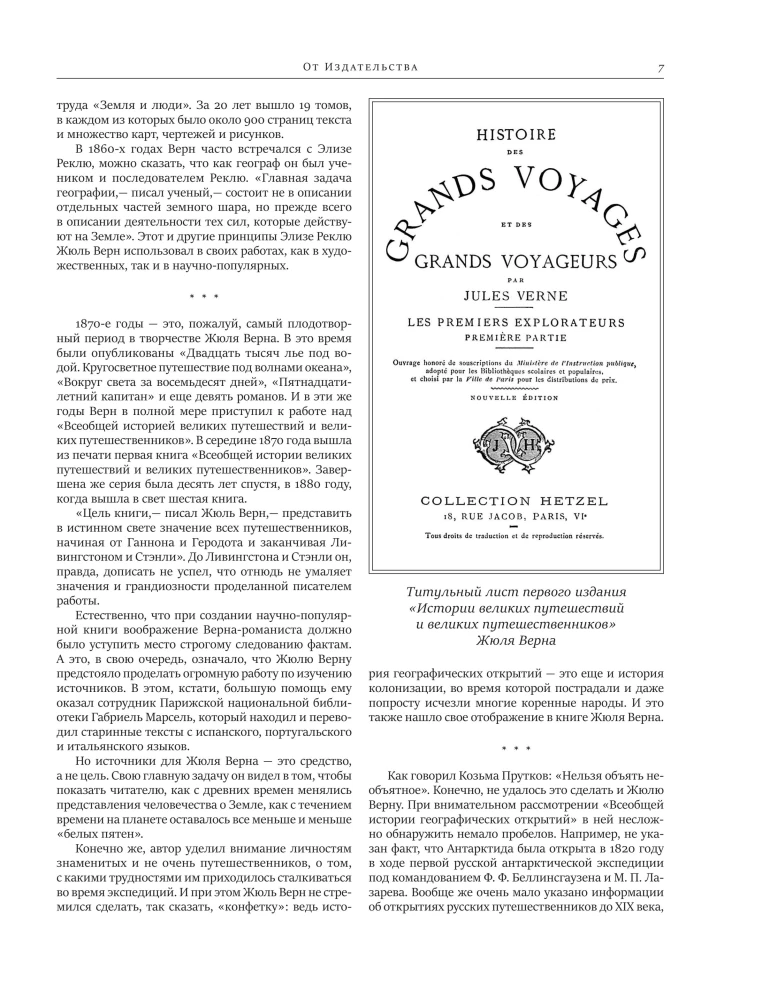
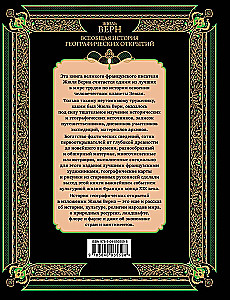
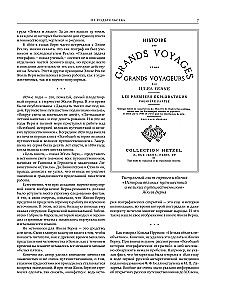
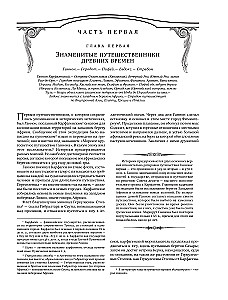
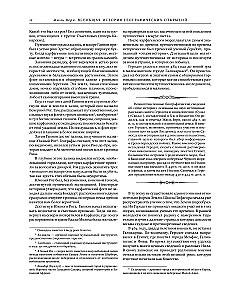
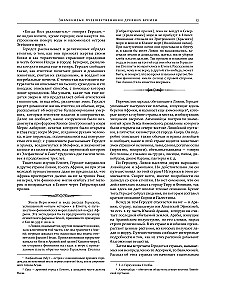
The name of the famous French writer Jules Verne needs no introduction. According to UNESCO statistics, his books rank second in the world by the number of translations, second only to the works of Agatha Christie. Jules Verne's works are considered unparalleled, standard examples of classic adventure literature. His account of the history of geographical discoveries enjoys a well-deserved reputation as one of the best publications on humanity's exploration of Planet Earth. "The purpose of the book," wrote Jules Verne about his work, "is to present in true light the significance of all travelers, from Hanno and Herodotus to Livingstone and Stanley." The writer devoted his entire life to embodying his favorite idea of writing a serious, thorough, yet entertaining history: for many years he meticulously collected factual material and spent a long 10 years writing this work. Only such an indefatigable worker as Jules Verne was capable of the painstaking study of historical and geographical sources, the works of geography specialists, travelers' notes, expedition diaries, and materials from state archives. In an engaging and lively manner, Jules recounts how humanity's understanding of Earth has changed since ancient times and how, over time, there were fewer and fewer "white spots" left on the planet. The wealth of factual information, the strict presentation of facts, thousands of geographical names, hundreds of explorers from ancient times to the modern era, diverse and extensive material, numerous illustrations created specifically for this edition by the best French artists, geographical maps, and drawings from ancient books and travelers' notes—all this made the publication of Jules Verne's book a significant event in the cultural life of France at the end of the 19th century. The first book titled "Discovery of the Earth" covers the period from the 6th century BC to the end of the 17th century. Here, the reader will find information about the travelers of Ancient Greece and Rome, the Middle Ages and
Bestsellers















Publishers "Eksmo" recommends