New

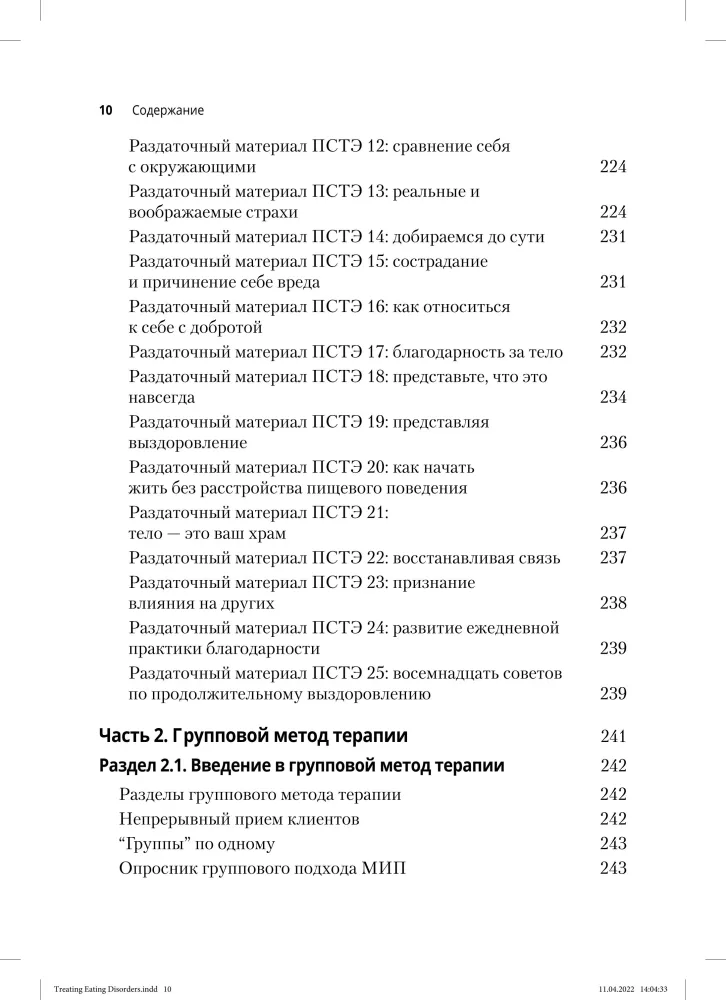
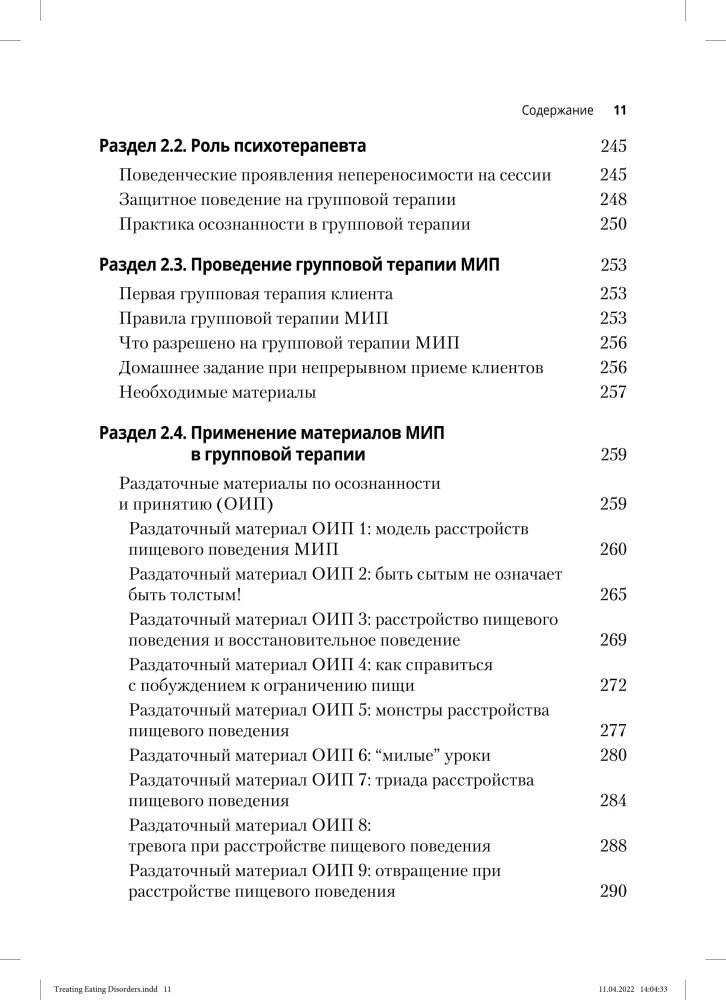
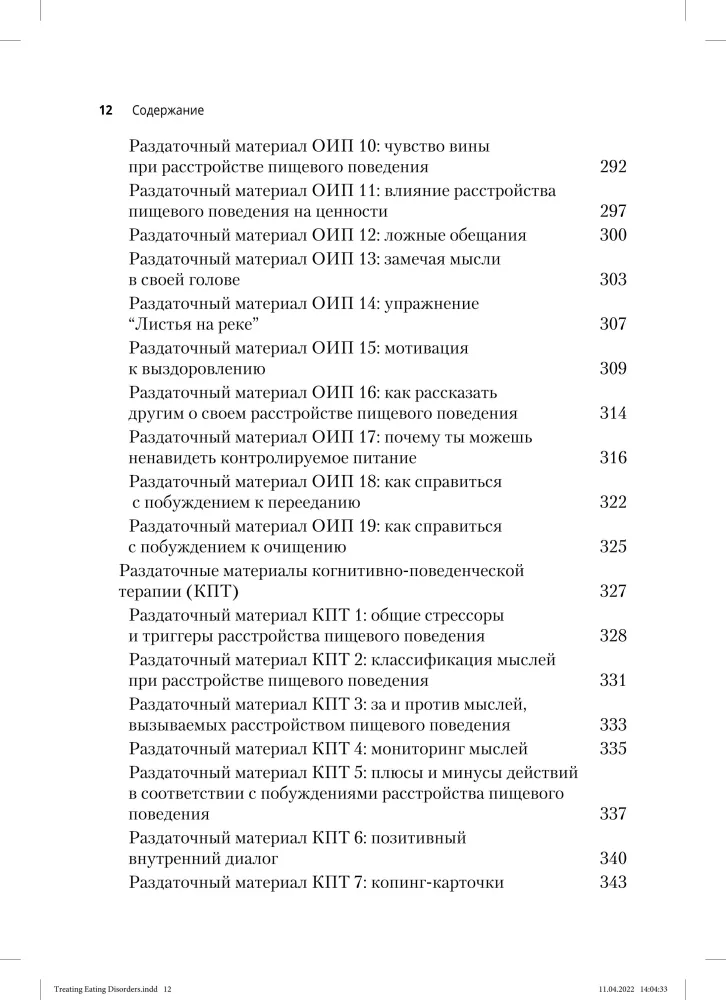
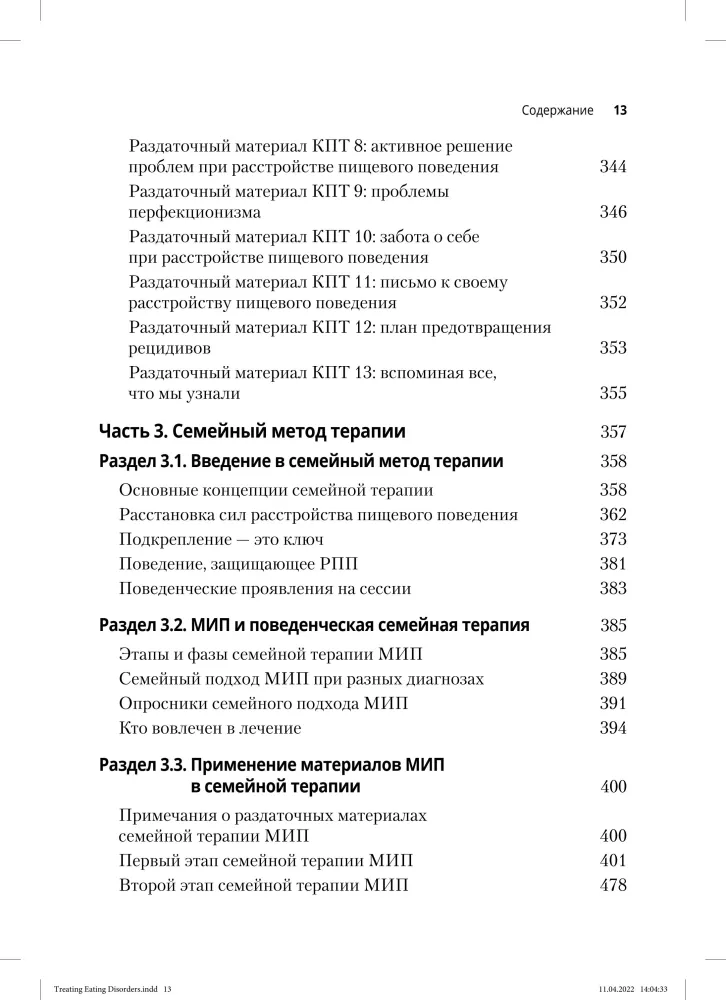
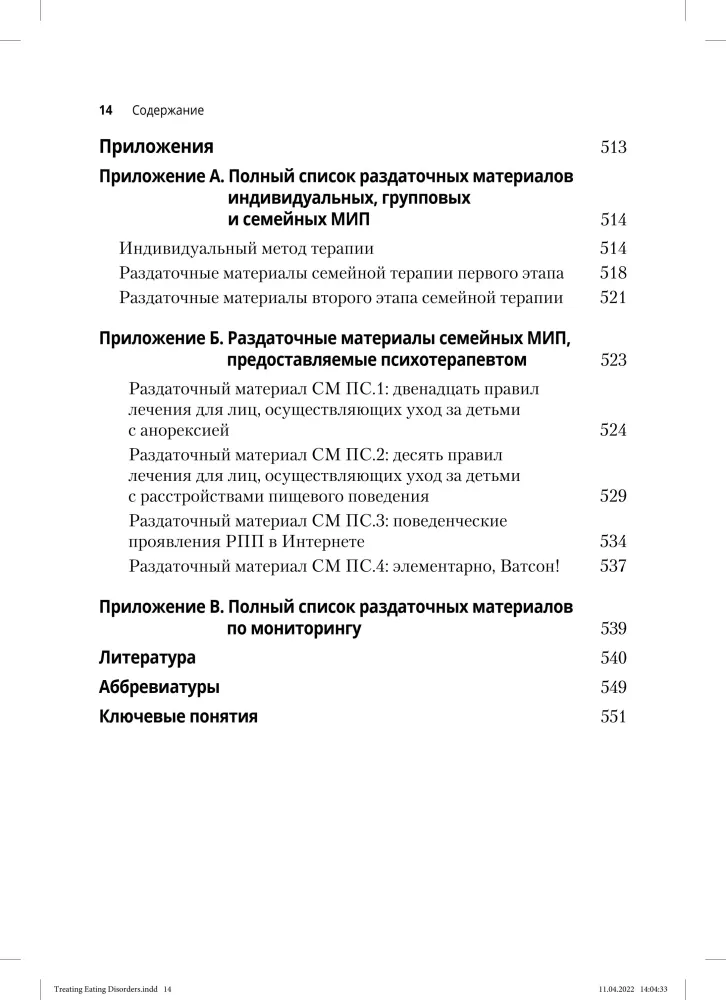
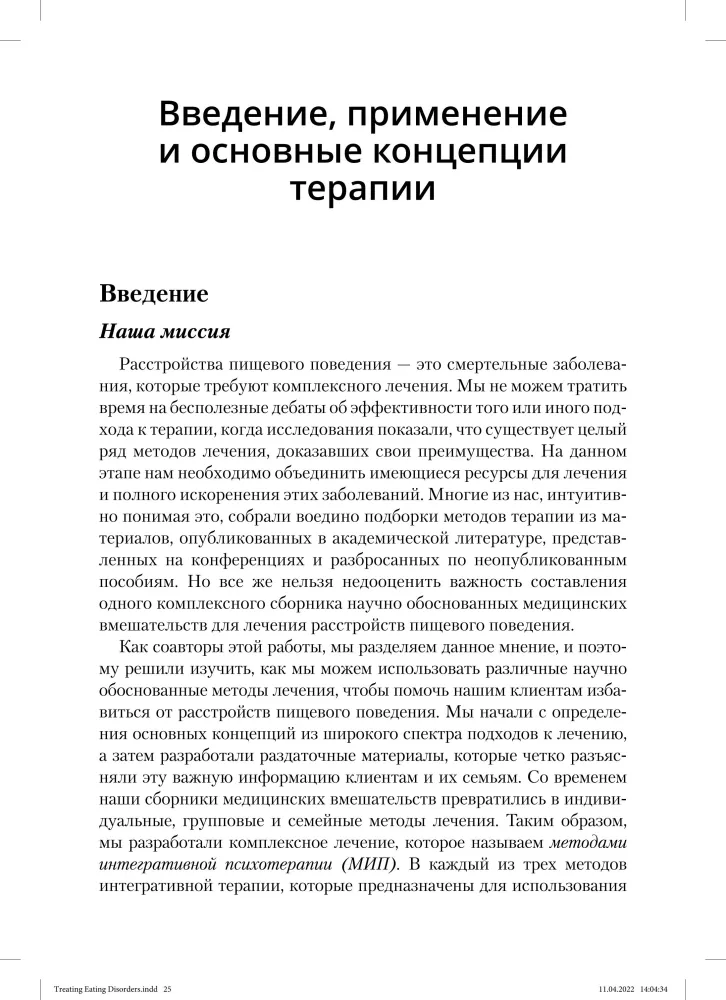
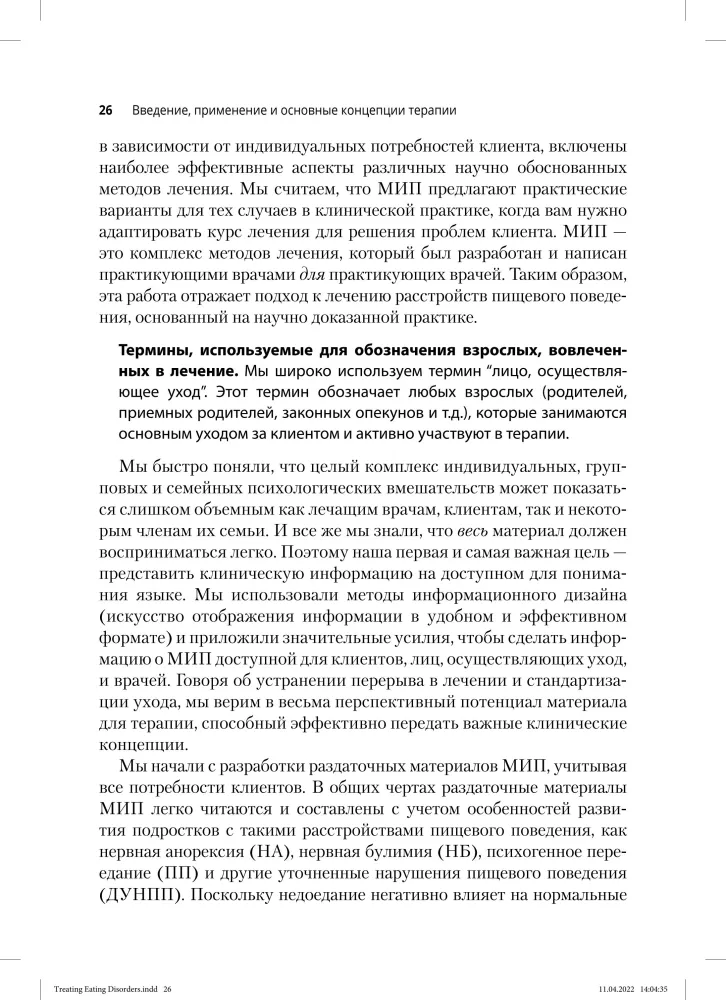
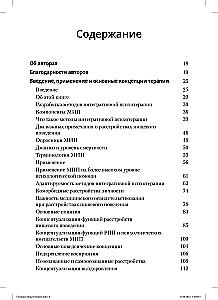
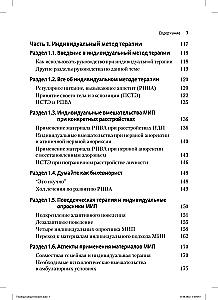
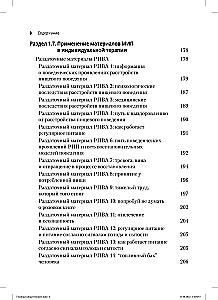
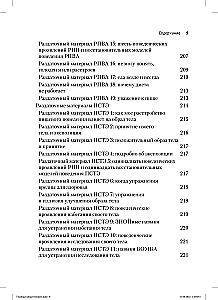
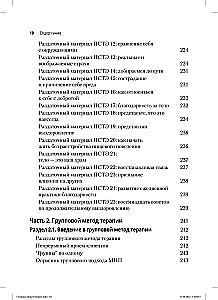
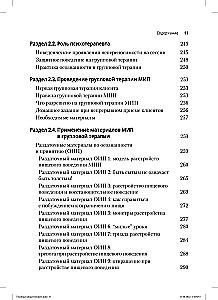
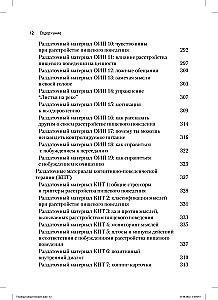
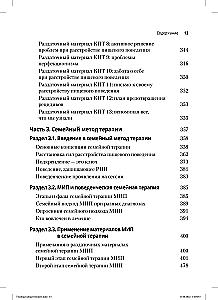
Therapy for Eating Disorders in Adolescents. Evidence-Based Methods for Treating Anorexia, Bulimia, and Binge Eating Disorder
A fully adaptable treatment program for eating disorders in young clients
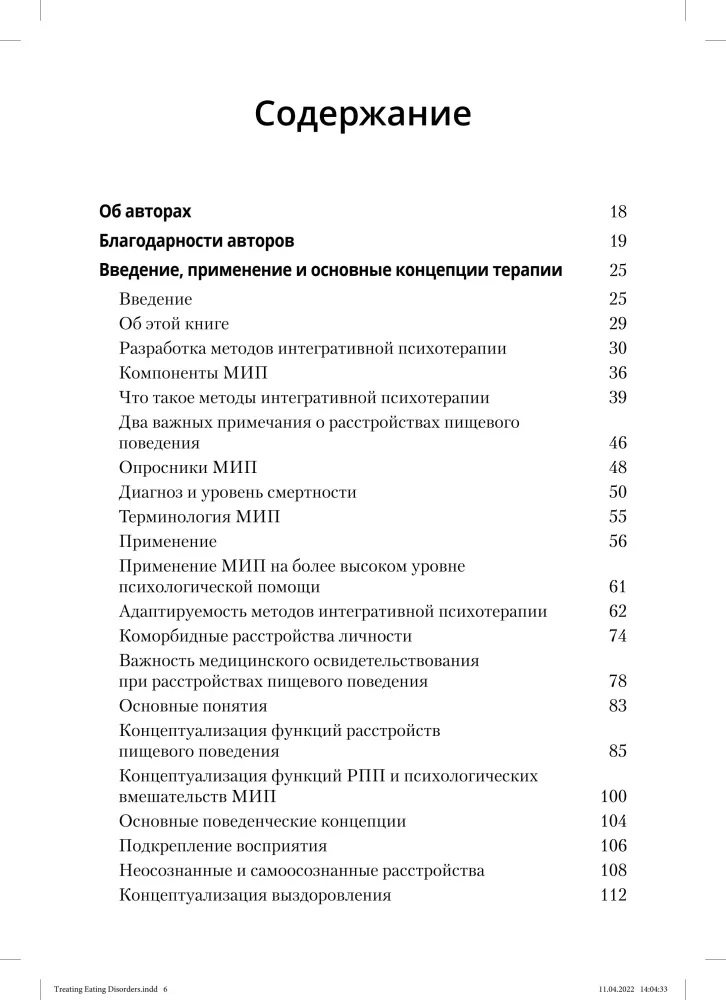
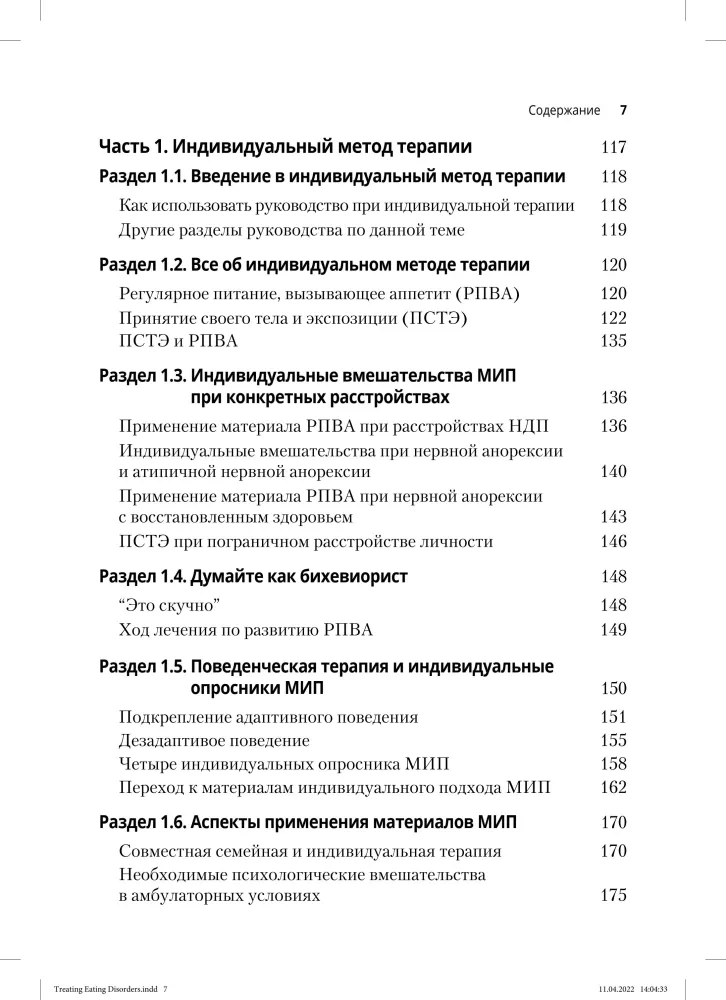
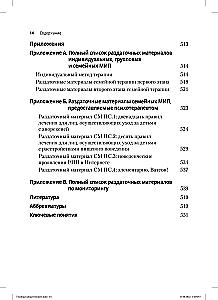
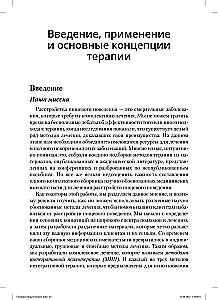
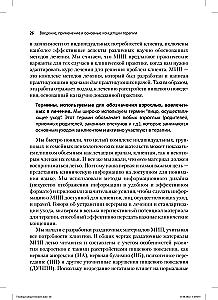
The book describes an innovative comprehensive therapy program — methods of Integrative Psychotherapy (MIP), which is based on several evidence-based treatment methods, including family therapy (Maudsley approach), cognitive-behavioral therapy (CBT),... acceptance and commitment therapy (ACT), compassion-focused therapy, exposure therapy, and training in hunger and satiety signals. This comprehensive treatment includes the most effective aspects of various evidence-based therapy methods.
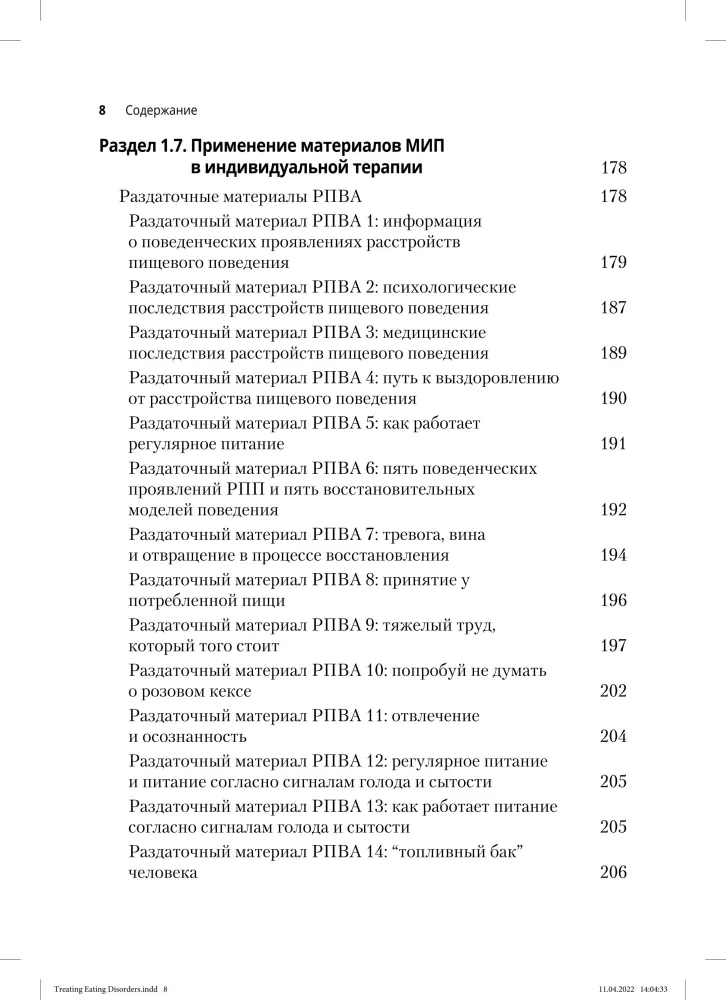
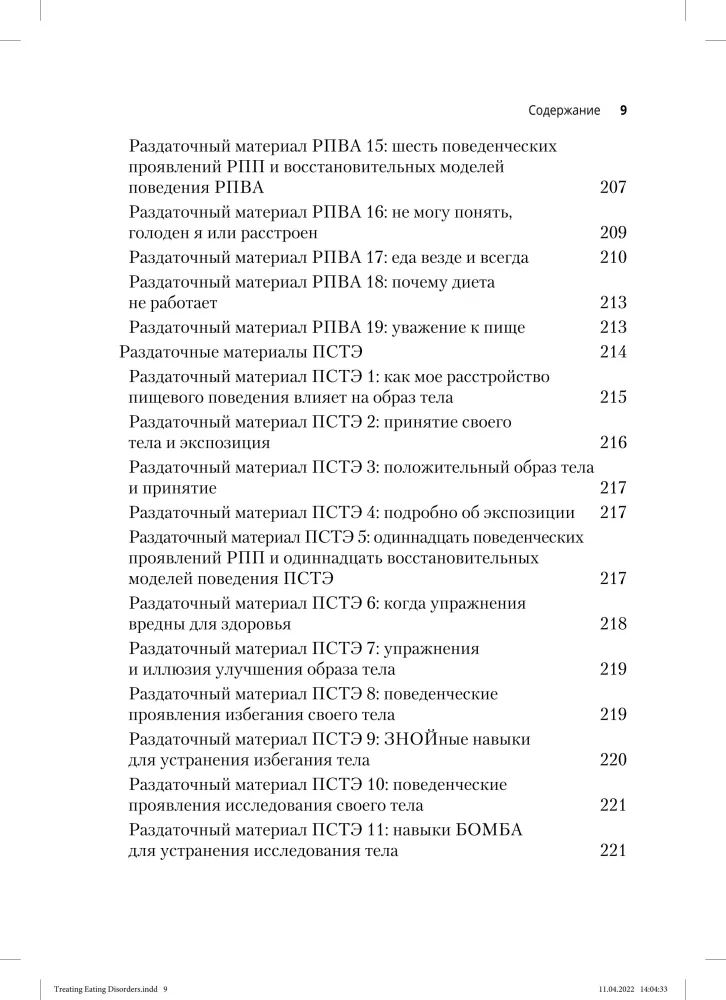
The reader will become familiar with methods that will help clients and their families navigate all aspects of recovery, including meal planning, relapse prevention, and much more. The book also includes handouts that describe psychological interventions for physicians and task lists for family members. MIP offers practical problem-solving options for those cases in clinical practice where it is necessary to adapt the treatment course to the client. MIP is a comprehensive treatment method developed by practicing psychotherapists for practicing psychotherapists.
Those who work with adolescents with eating disorders such as anorexia, bulimia, and binge eating disorder need a flexible treatment plan that can be adapted to the individual needs of clients, involving the family in the therapy process.
This professional guide is compiled by specialists in the field of eating disorders. It offers an adaptable and evidence-based approach that can be applied in inpatient or outpatient settings both individually and in groups. The comprehensive therapy program described in the book helps normalize the emotional and cognitive state of clients.
The innovative comprehensive therapy program — methods of Integrative Psychotherapy (MIP), described in this guide for psychotherapists, is based on several evidence-based treatment methods, including family therapy (Maudsley approach), cognitive-behavioral therapy (CBT), acceptance and commitment therapy (ACT), compassion-focused therapy, exposure therapy, and training in hunger and satiety signals. The reader will become familiar with methods that will help clients and their families navigate all aspects of recovery, including meal planning, relapse prevention, and much more.
The book also includes handouts that describe psychological interventions for physicians and task lists for family members.
The book describes an innovative comprehensive therapy program — methods of Integrative Psychotherapy (MIP), which is based on several evidence-based treatment methods, including family therapy (Maudsley approach), cognitive-behavioral therapy (CBT),... acceptance and commitment therapy (ACT), compassion-focused therapy, exposure therapy, and training in hunger and satiety signals. This comprehensive treatment includes the most effective aspects of various evidence-based therapy methods.
The reader will become familiar with methods that will help clients and their families navigate all aspects of recovery, including meal planning, relapse prevention, and much more. The book also includes handouts that describe psychological interventions for physicians and task lists for family members. MIP offers practical problem-solving options for those cases in clinical practice where it is necessary to adapt the treatment course to the client. MIP is a comprehensive treatment method developed by practicing psychotherapists for practicing psychotherapists.
Those who work with adolescents with eating disorders such as anorexia, bulimia, and binge eating disorder need a flexible treatment plan that can be adapted to the individual needs of clients, involving the family in the therapy process.
This professional guide is compiled by specialists in the field of eating disorders. It offers an adaptable and evidence-based approach that can be applied in inpatient or outpatient settings both individually and in groups. The comprehensive therapy program described in the book helps normalize the emotional and cognitive state of clients.
The innovative comprehensive therapy program — methods of Integrative Psychotherapy (MIP), described in this guide for psychotherapists, is based on several evidence-based treatment methods, including family therapy (Maudsley approach), cognitive-behavioral therapy (CBT), acceptance and commitment therapy (ACT), compassion-focused therapy, exposure therapy, and training in hunger and satiety signals. The reader will become familiar with methods that will help clients and their families navigate all aspects of recovery, including meal planning, relapse prevention, and much more.
The book also includes handouts that describe psychological interventions for physicians and task lists for family members.
Printhouse: Dialektika
Age restrictions: 16+
Year of publication: 2022
ISBN: 9785907458314
Number of pages: 560
Size: 242x175x30 mm
Cover type: hard
Weight: 858 g
ID: 1748766
In stock
€ 37.99
Will be delivered to United States on 25 September (Fr):
By courier
from € 38.94
Bestsellers




€ 13.29
In stock
12 Weeks in a Year. How to Achieve More in 12 Weeks Than Others Do in 12 Months
Майкл Леннингтон, Брайан Моран


€ 7.89
In stock
Choice. On the Freedom and Inner Strength of a Person
Эдит Ева Эгер, Эсме Швалль-Вейганд



€ 5.29
In stock

€ 6.99
In stock