New
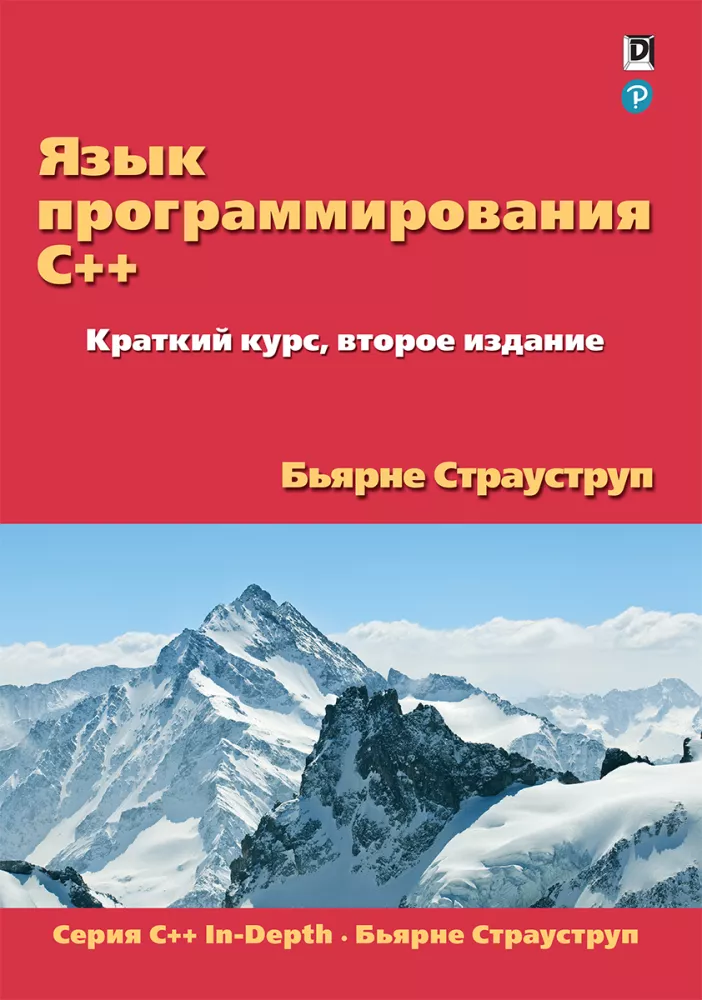
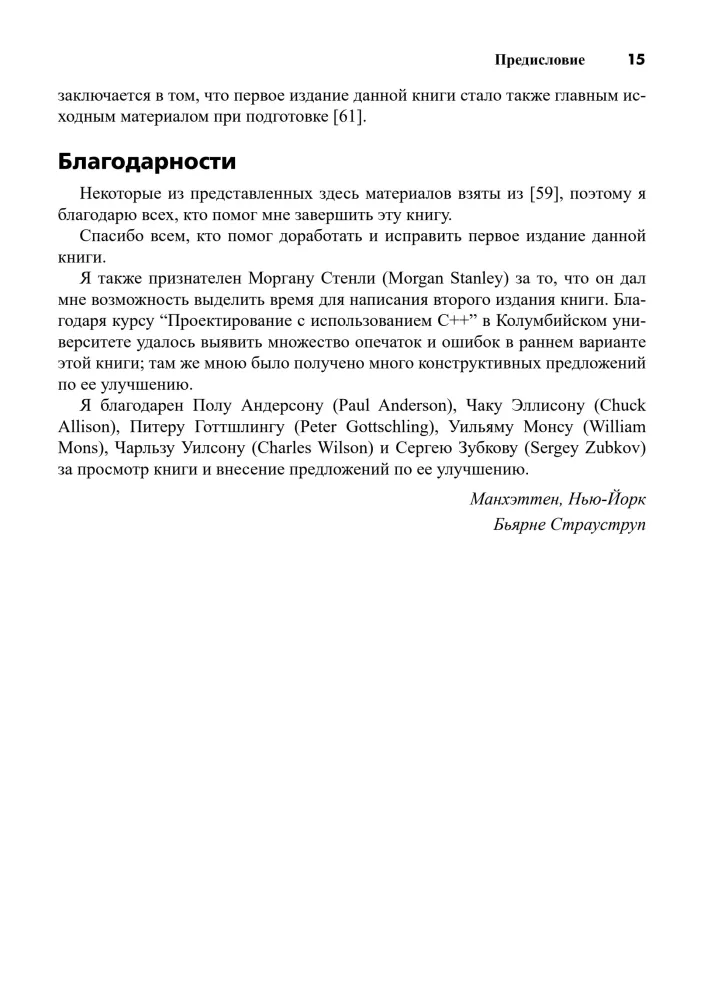
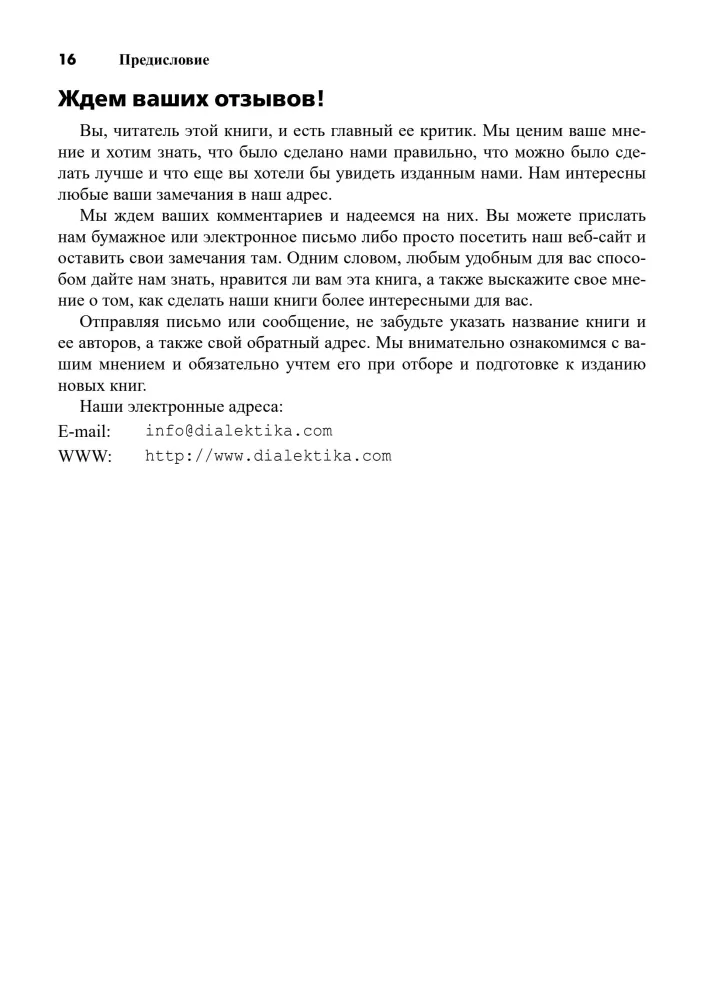
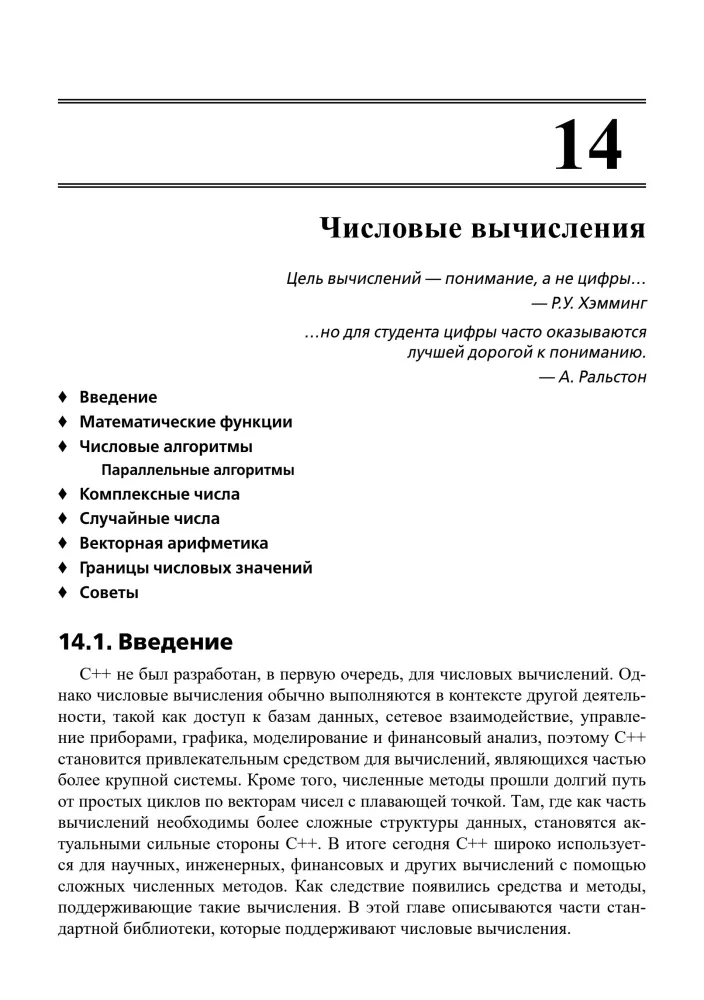
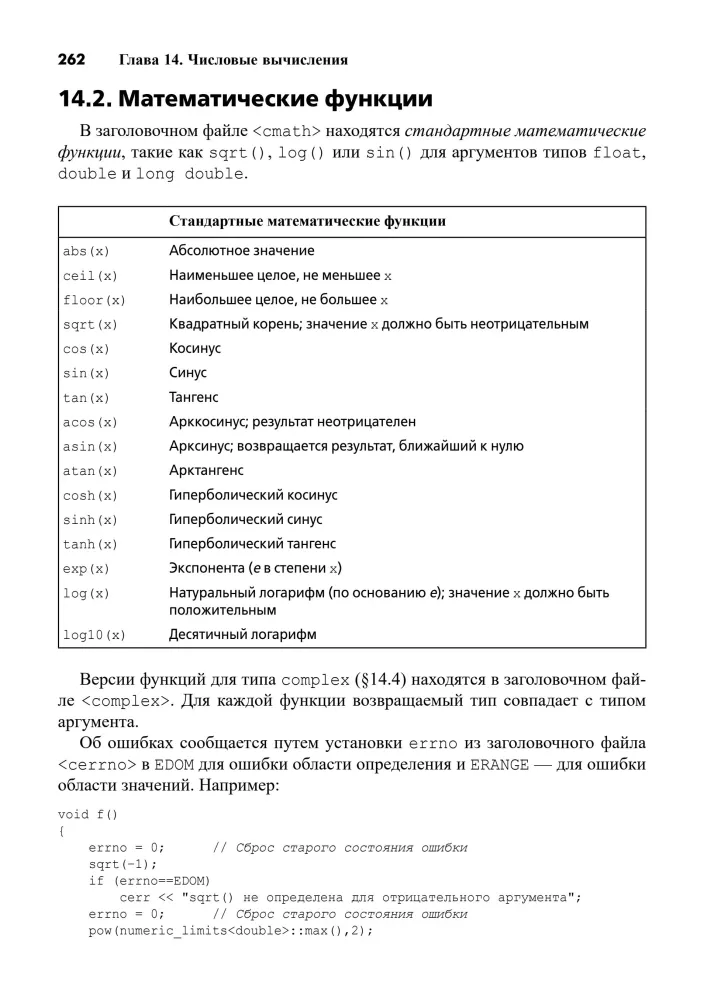
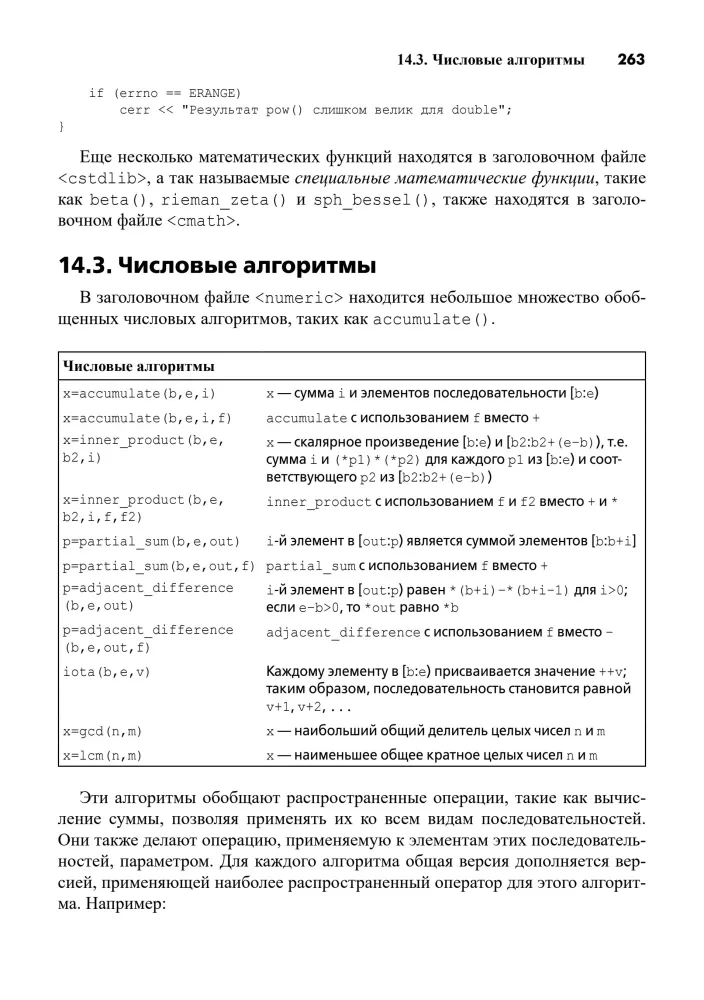
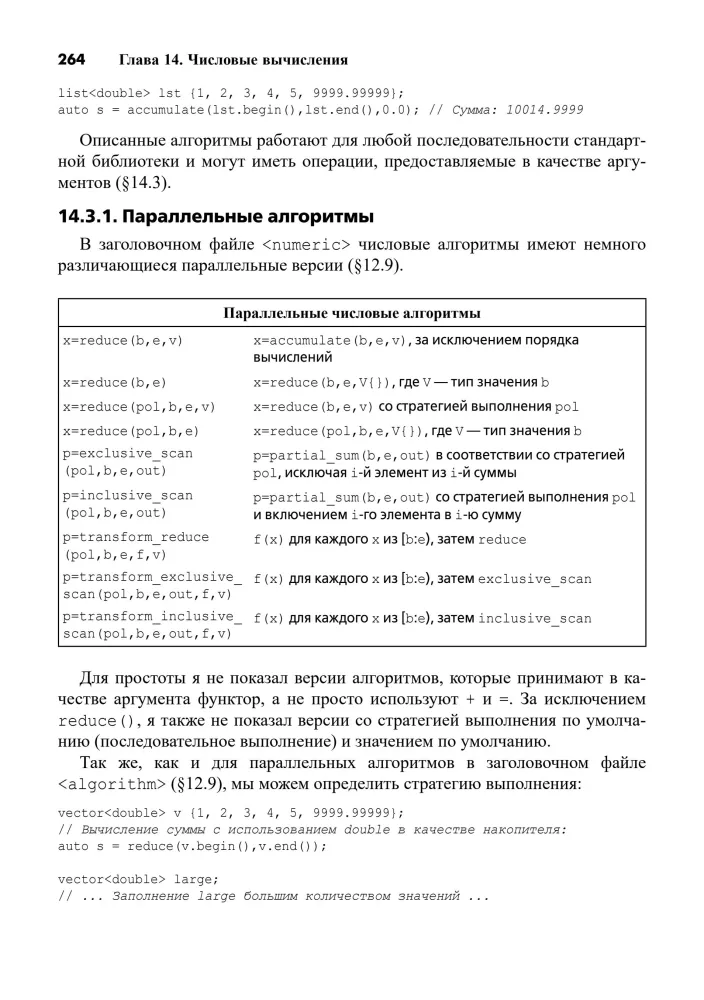
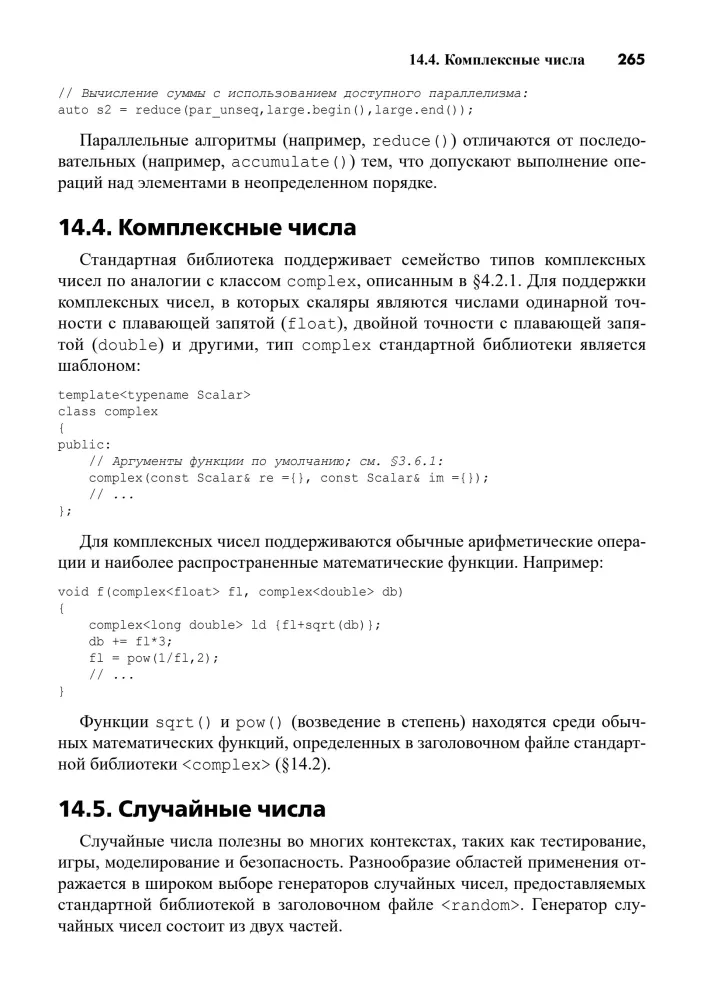
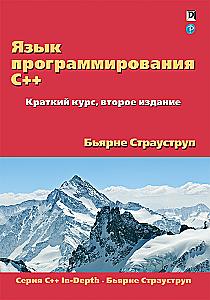
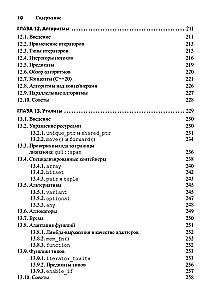
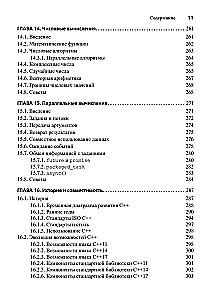
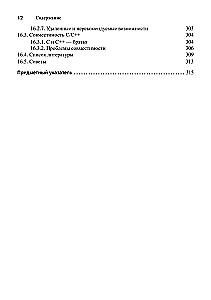
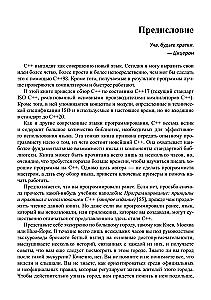
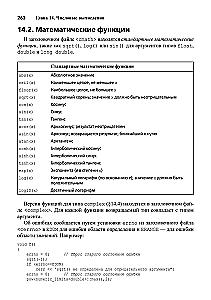
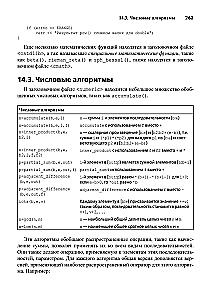
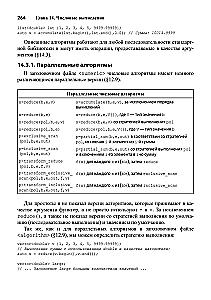
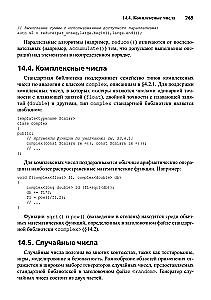
The C++ Programming Language. A Short Course
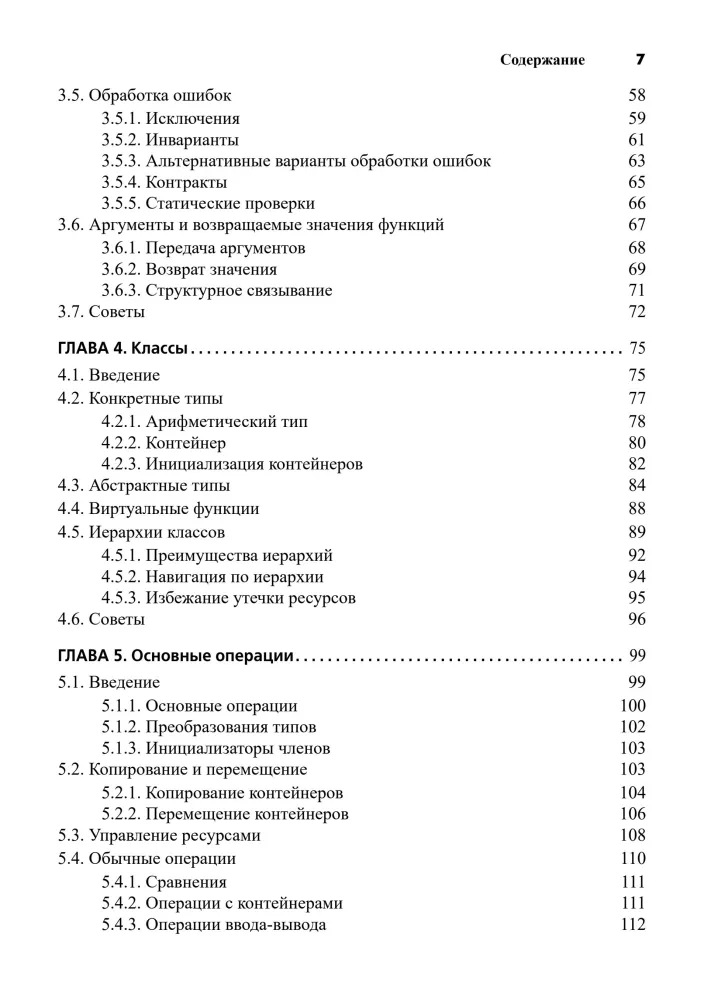
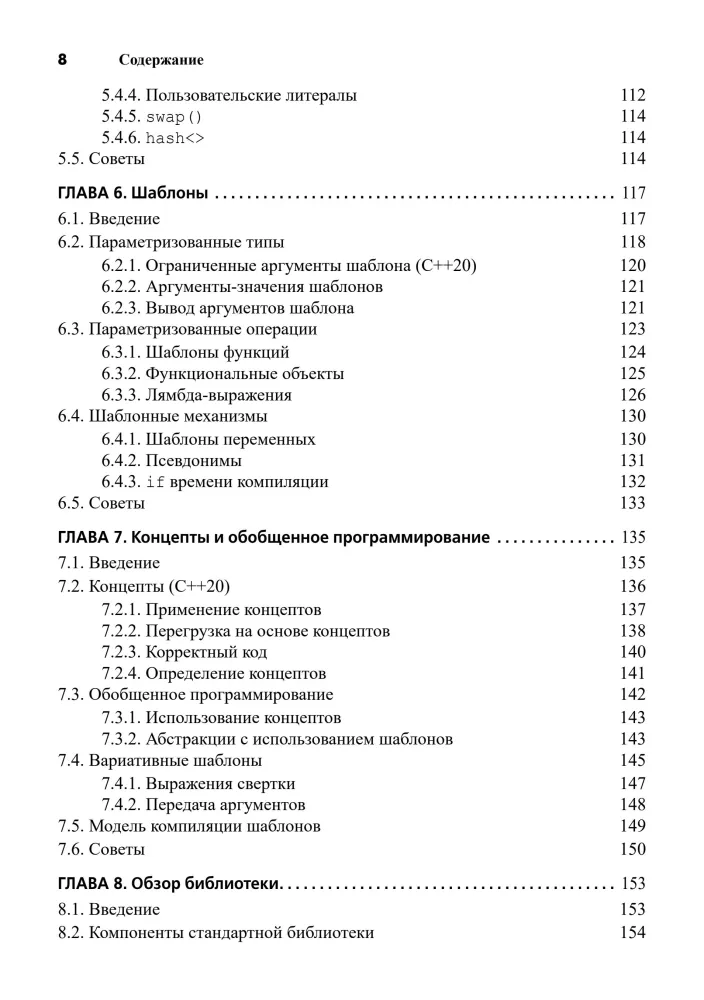
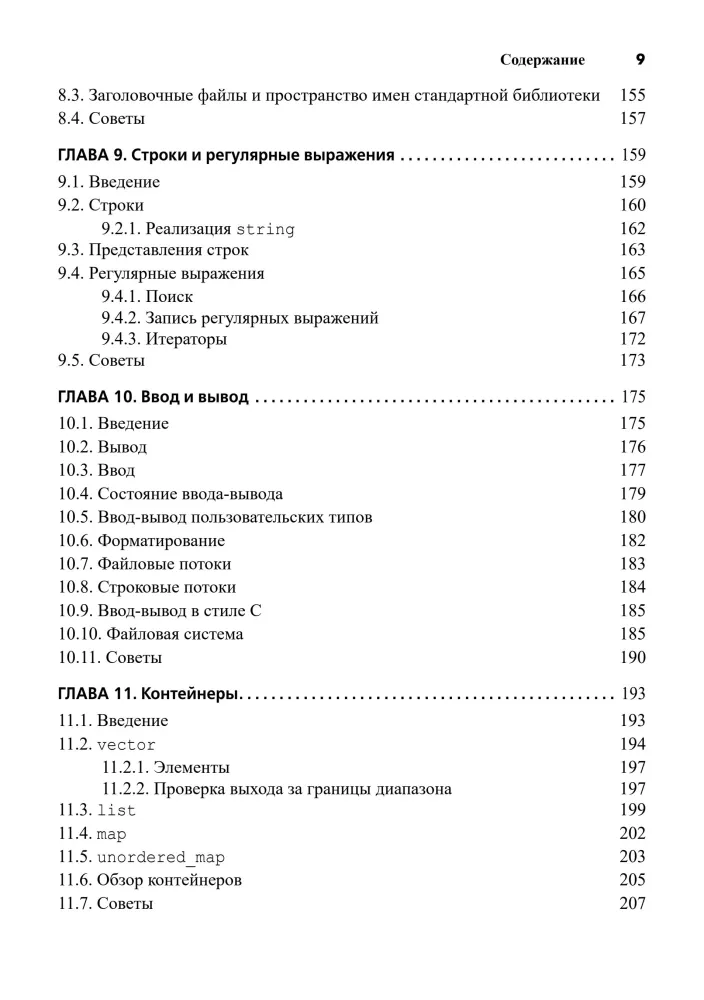
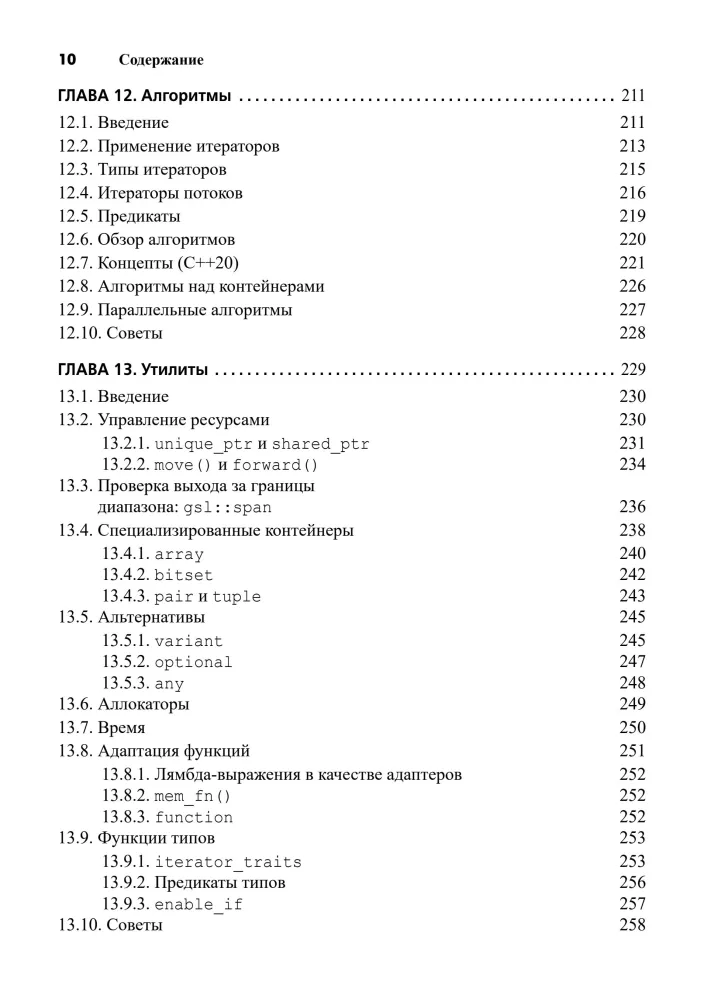
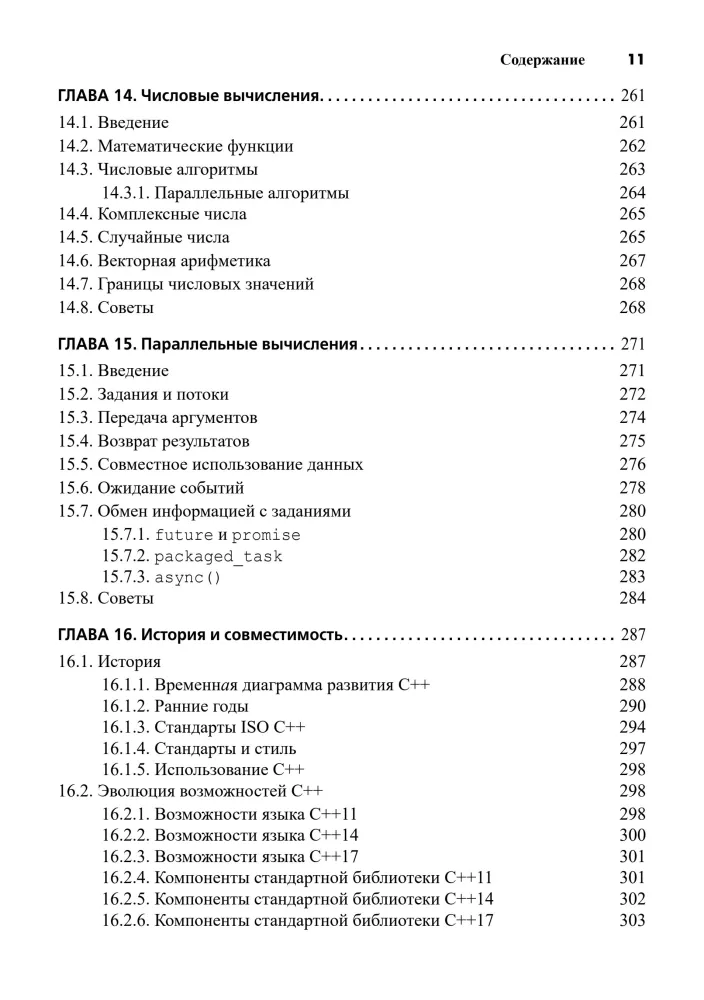
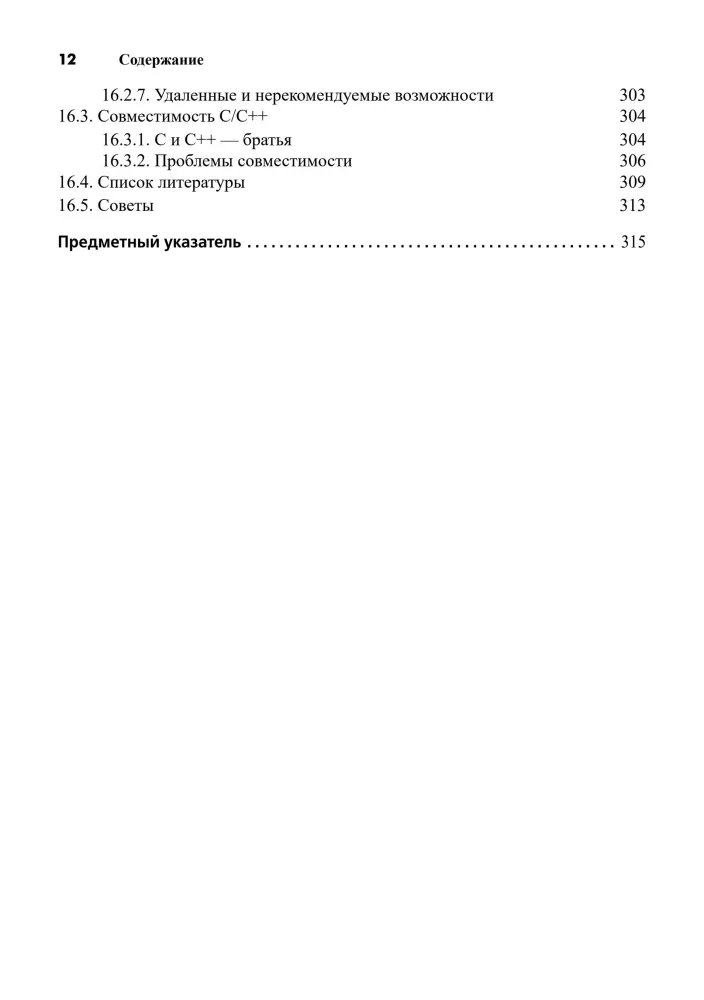
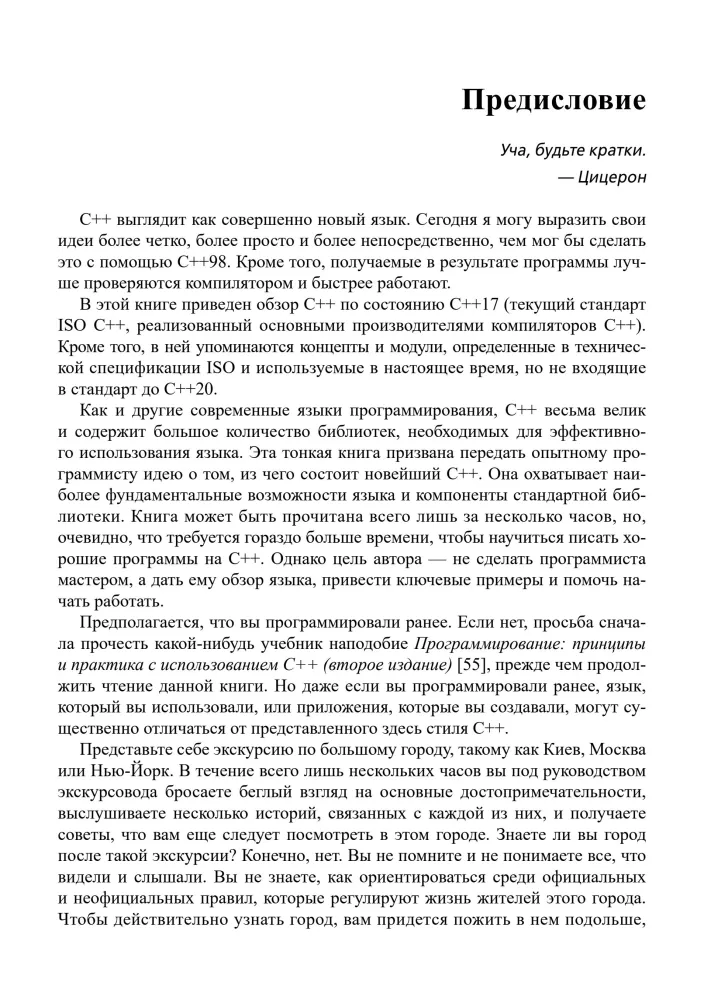
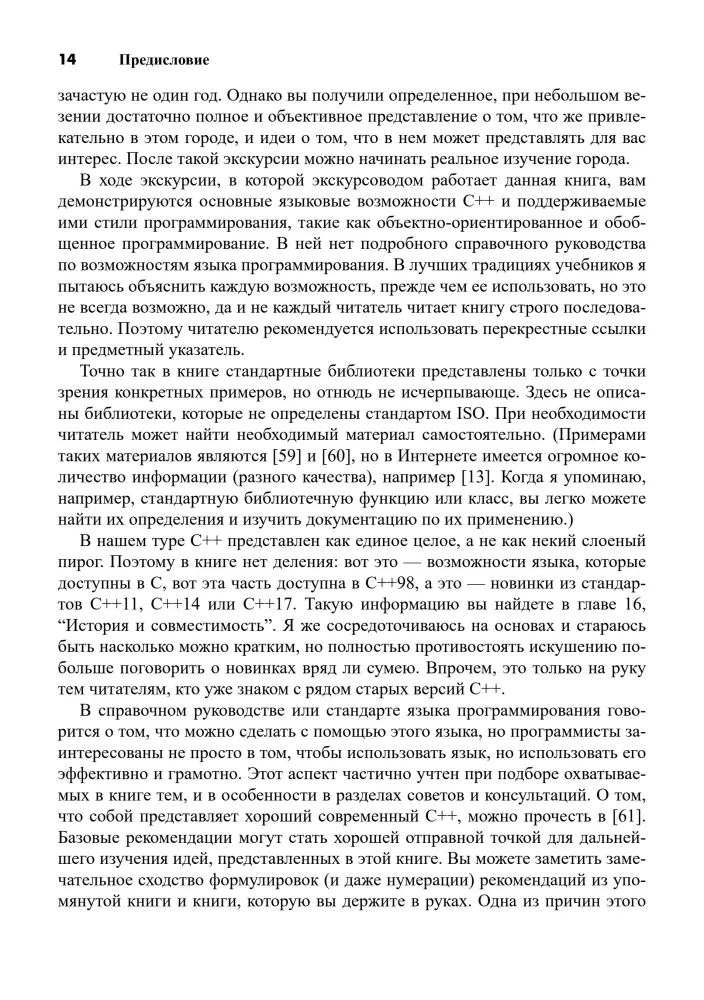
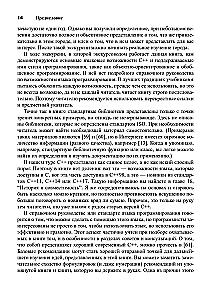
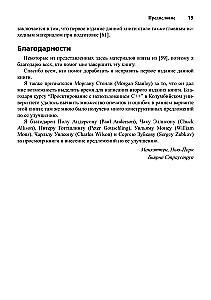
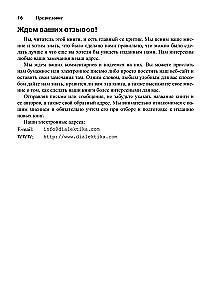
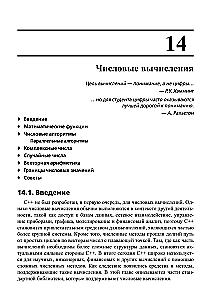
In this book, the creator of the C++ language, Bjarne Stroustrup, describes what modern C++ is all about. This concise self-contained guide covers the main features of the language and the core components of the standard library — albeit not...
with complete depth of material, but at a high professional level. The book includes numerous concrete examples that facilitate the learning of this programming language.
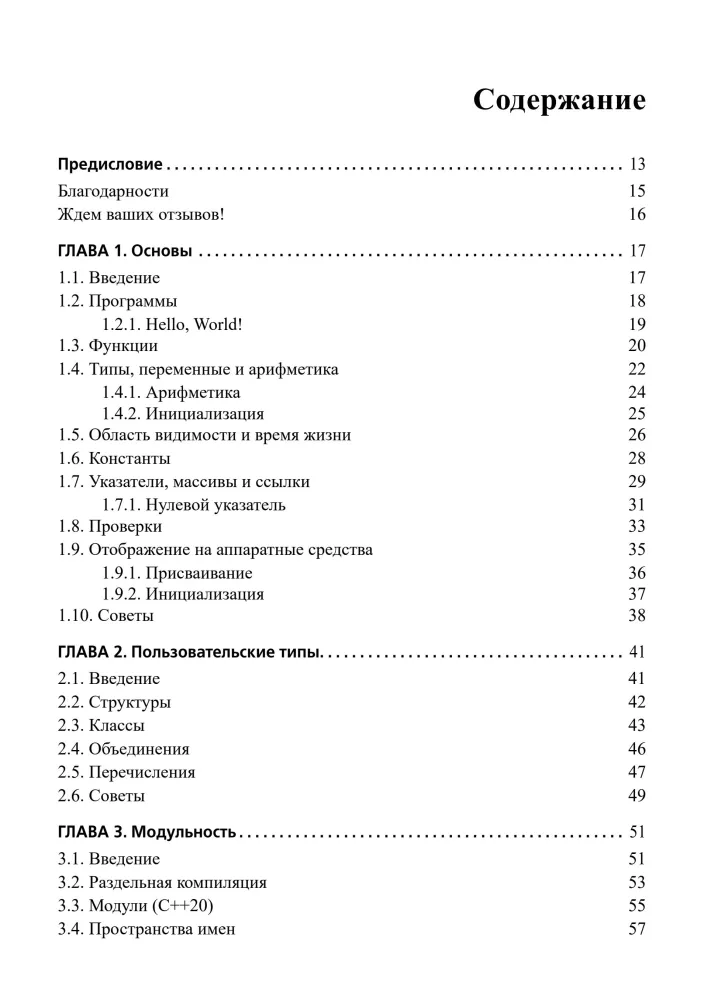
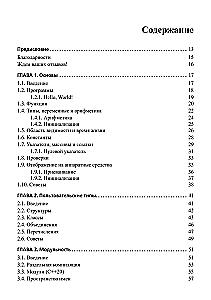
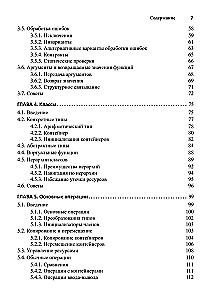
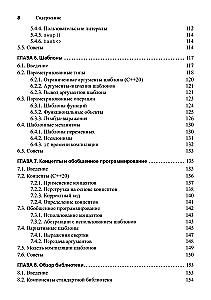
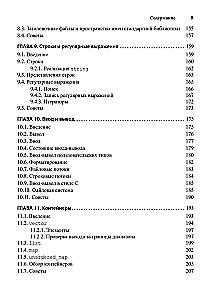
Stroustrup presents the capabilities of C++ in the context of the programming styles they support, such as object-oriented and generic programming. His book is surprisingly comprehensive - it starts with the basics of the C++ programming language and gradually moves on to more complex topics, such as many new and already established features of C++17, including move semantics, uniform initialization, lambda expressions, enhanced containers, random numbers, and parallelism. It also includes some extensions of C++20, such as concepts and modules. The book concludes with a discussion of the design and evolution of C++.
This guide does not aim to teach the reader how to program (for that, another book by the same author - Programming: Principles and Practice Using C++. Second Edition - serves). It is not a comprehensive textbook that will take you to the heights of C++ mastery (for that, Stroustrup's book The C++ Programming Language. Fourth Edition and many online resources can be recommended). However, if you are a programmer in C or C++, wanting to better understand the current state of the C++ programming language, or a programmer in another programming language wanting to see an accurate picture and the advantages of modern C++, you will not find a shorter and simpler introduction to C++ than this book.
Stroustrup presents the capabilities of C++ in the context of the programming styles they support, such as object-oriented and generic programming. His book is surprisingly comprehensive - it starts with the basics of the C++ programming language and gradually moves on to more complex topics, such as many new and already established features of C++17, including move semantics, uniform initialization, lambda expressions, enhanced containers, random numbers, and parallelism. It also includes some extensions of C++20, such as concepts and modules. The book concludes with a discussion of the design and evolution of C++.
This guide does not aim to teach the reader how to program (for that, another book by the same author - Programming: Principles and Practice Using C++. Second Edition - serves). It is not a comprehensive textbook that will take you to the heights of C++ mastery (for that, Stroustrup's book The C++ Programming Language. Fourth Edition and many online resources can be recommended). However, if you are a programmer in C or C++, wanting to better understand the current state of the C++ programming language, or a programmer in another programming language wanting to see an accurate picture and the advantages of modern C++, you will not find a shorter and simpler introduction to C++ than this book.
Author: Бьёрн Страуструп
Printhouse: Dialektika
Age restrictions: 16+
Year of publication: 2019
ISBN: 9785907144125
Number of pages: 320
Size: 235х165х12 mm
Cover type: soft
Weight: 430 g
ID: 1748653
In stock
€ 28.69
Will be delivered to United States on 22 September (Tu):
By courier
from € 38.94
Bestsellers

€ 7.89
In stock
Choice. On the Freedom and Inner Strength of a Person
Эдит Ева Эгер, Эсме Швалль-Вейганд
€ 5.29
In stock


€ 6.99
In stock