New

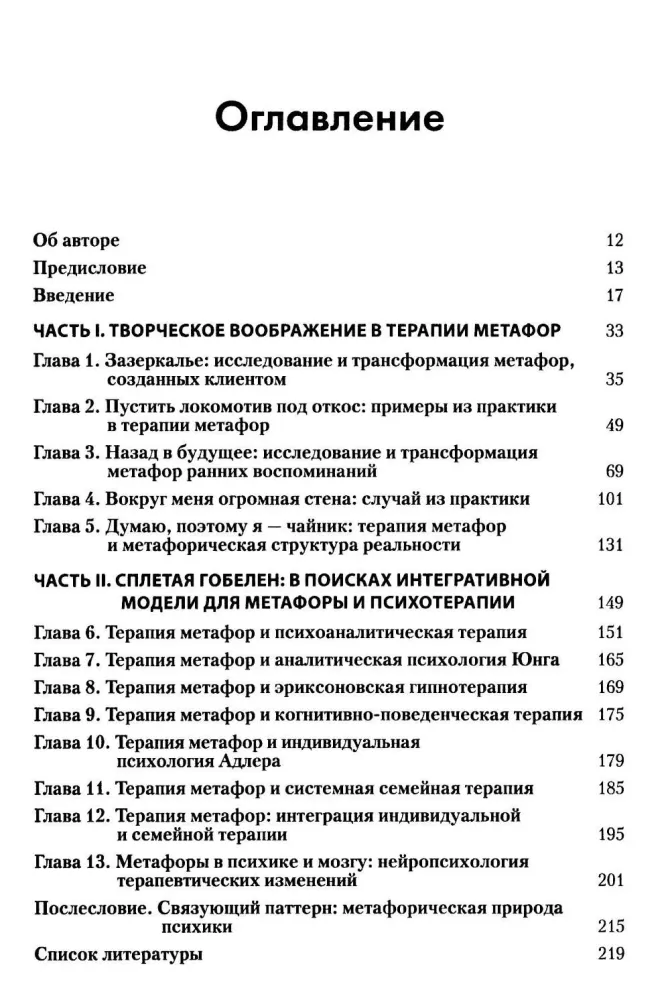
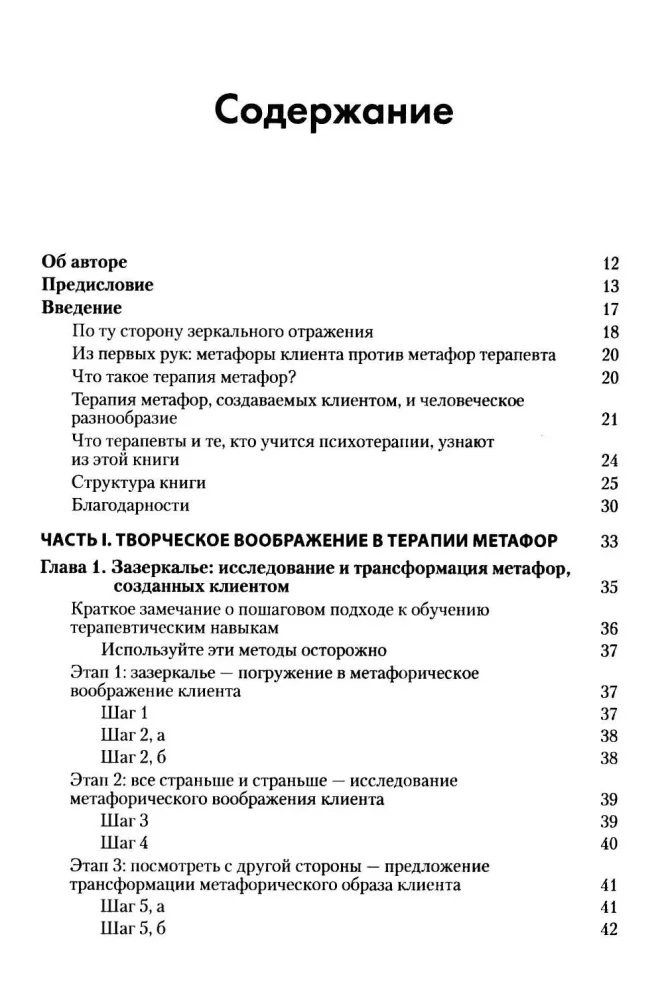
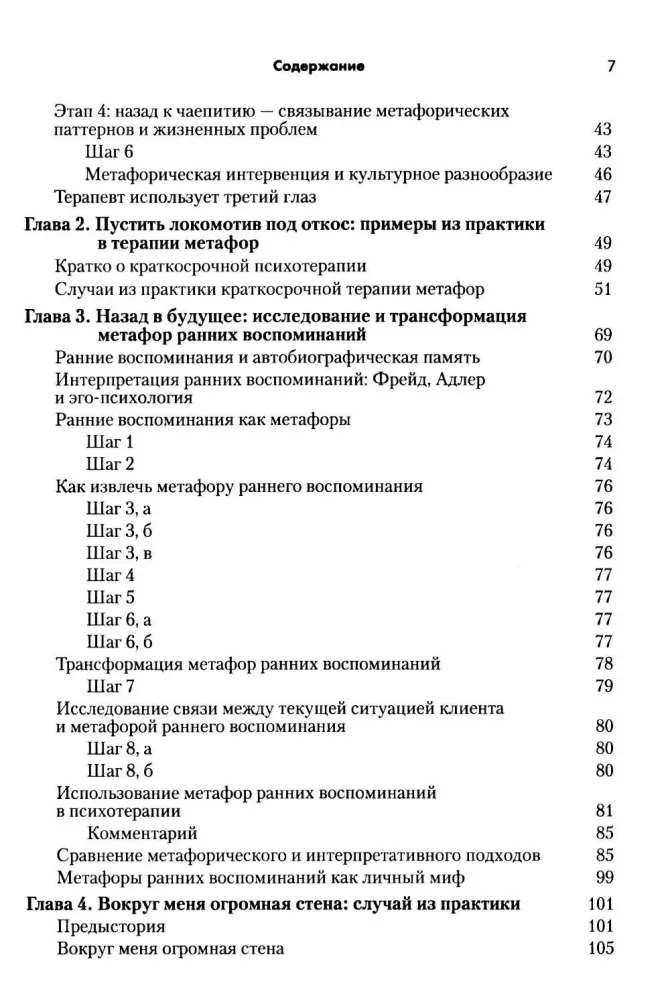
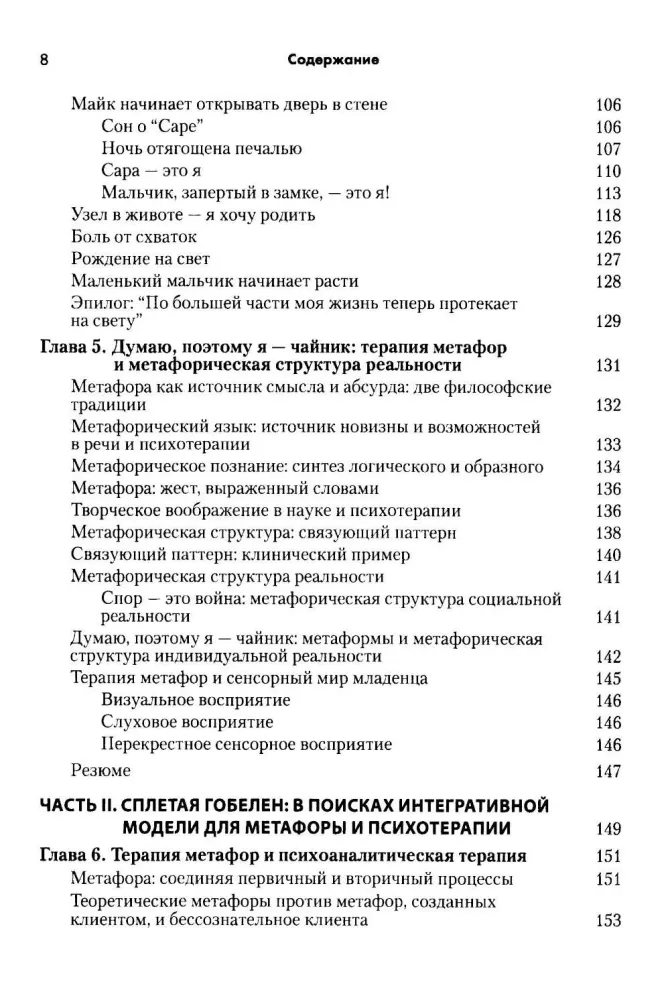
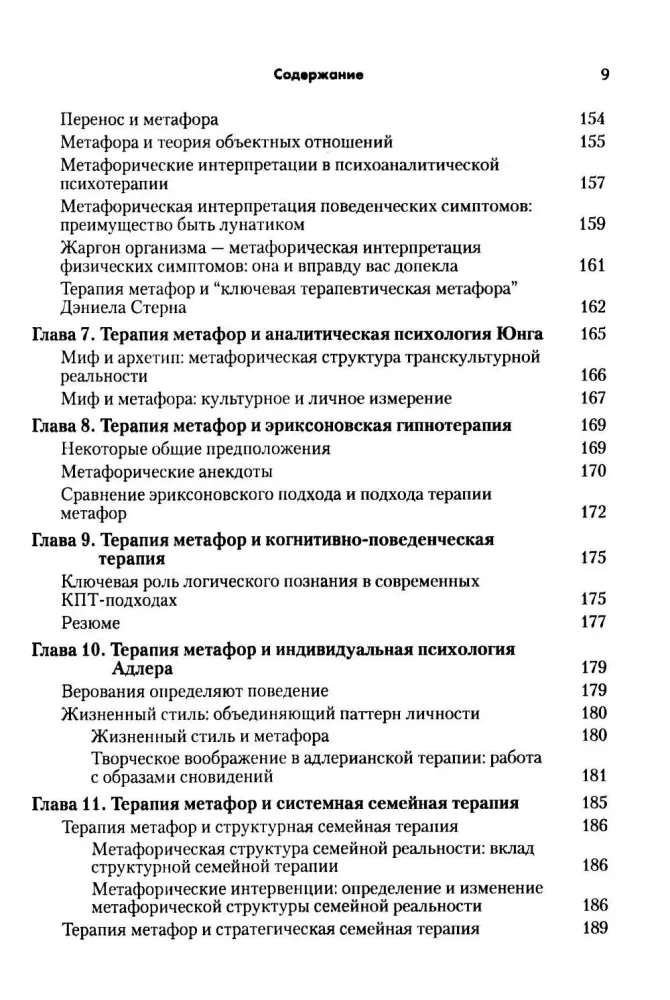
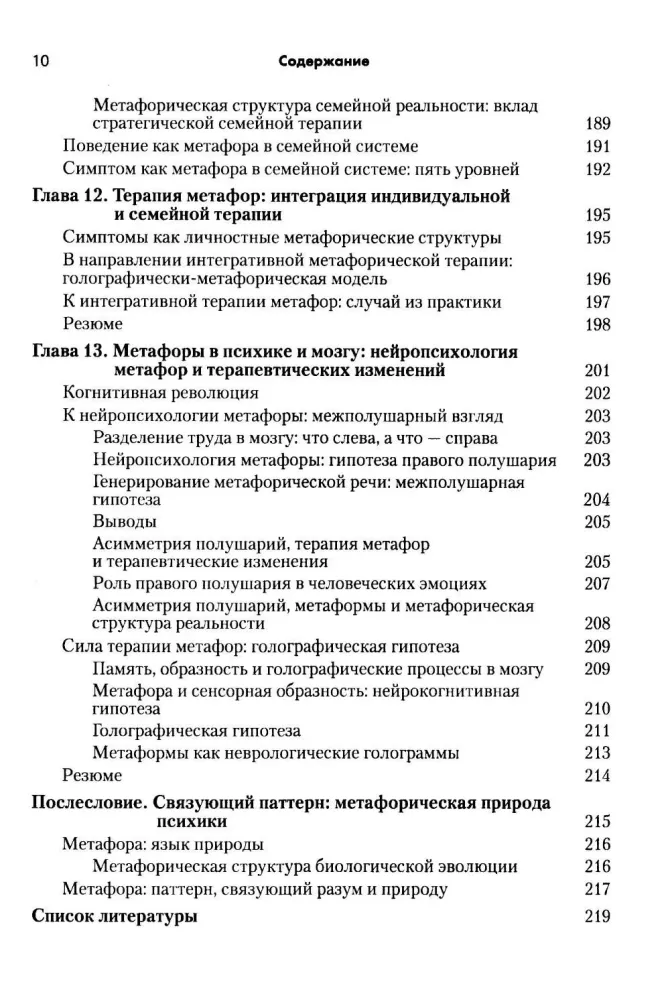
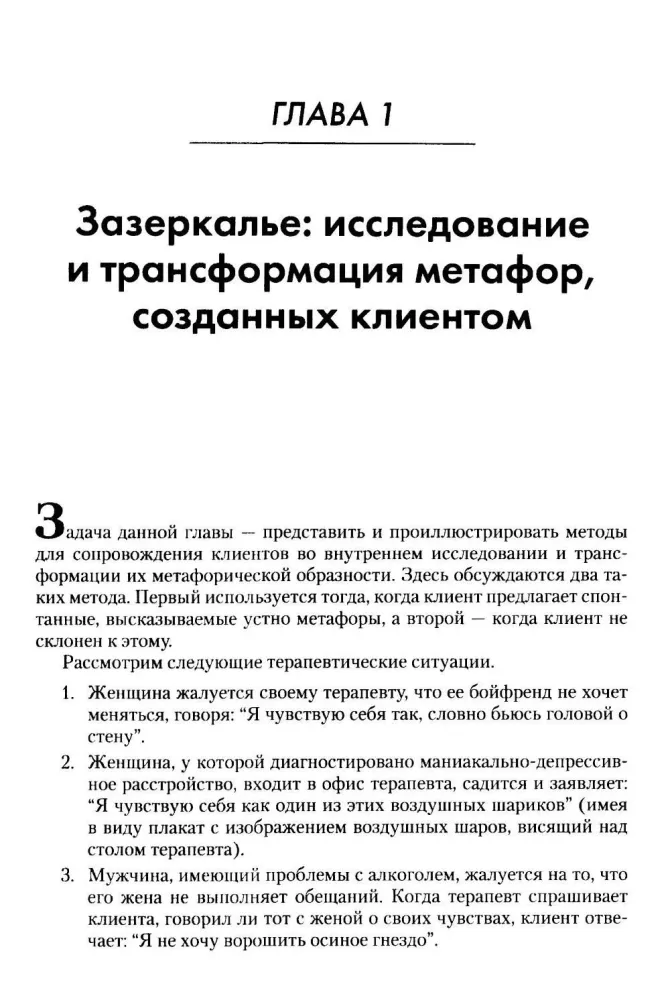
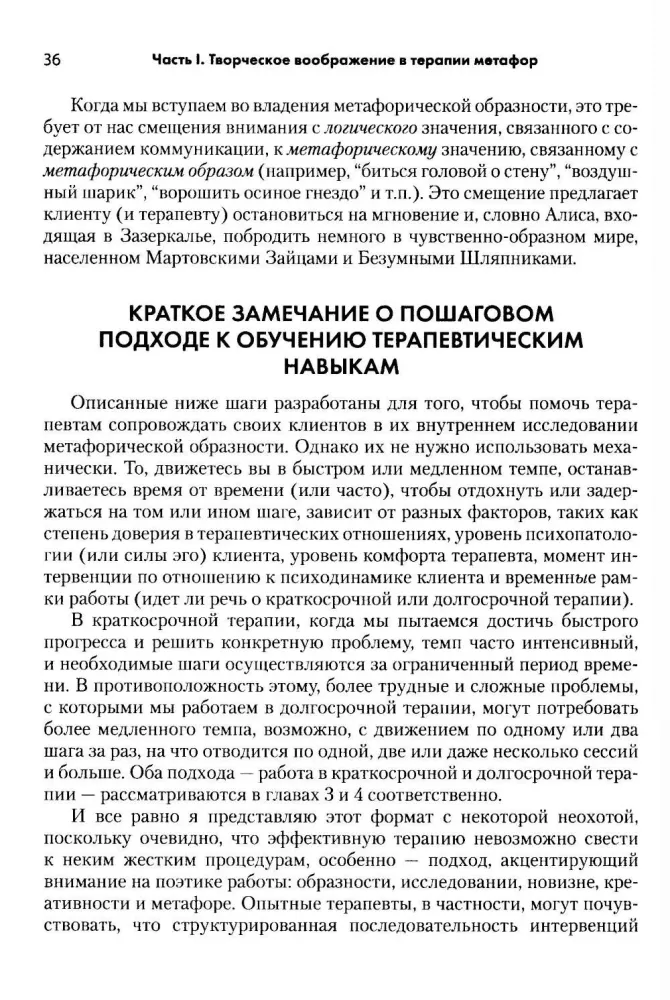

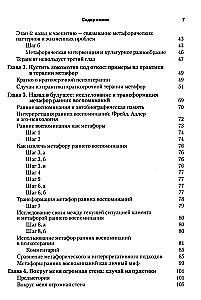
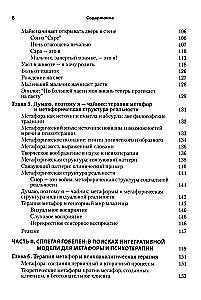
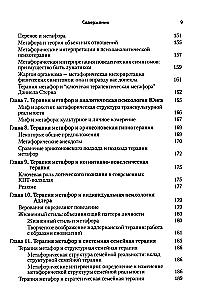
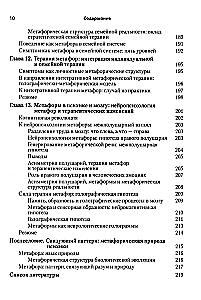
Using Client-Created Metaphors in Psychotherapy
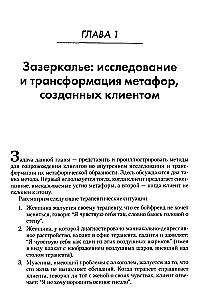
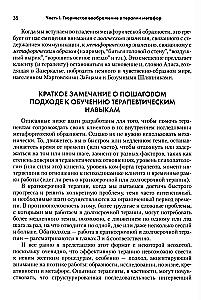
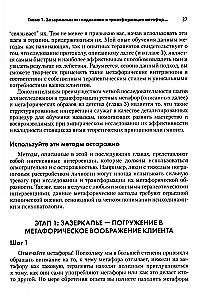
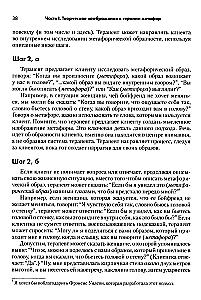
The book presents two innovative methods for applying metaphors as a technique for therapeutic intervention. It discusses the client's own metaphors, in contrast to the traditional approach where metaphors are offered by the therapist. The first of the methods examined...
is related to studying and transforming the client's metaphorical language, while the second method focuses on working with metaphors of early memories. The author details how to conduct interventions based on client metaphors and what skills the therapist should possess in this approach. Metaphor therapy allows for flexible work in conditions of sociocultural diversity and is compatible with a wide range of therapeutic modalities, including individual and family therapy, psychoanalytic therapy, Ericksonian hypnotherapy, CBT, Adlerian individual psychology, and systemic family therapy. Additionally, the book explores the role of linguistic, cognitive, sensory-affective, and neuropsychological processes in the therapeutic changes that arise from working with client metaphors. This is an important book. For many years, metaphor remained an unrecognized tool of psychotherapy. Fritz Perls used it in his interpretations of dreams. It helped Erich Fromm formulate the idea of the paradox of love. And now Richard Kopp demonstrates how to work with metaphors in various psychoanalytic approaches. I wholeheartedly welcome such work. Karl Pribram, Emeritus Professor at Stanford University
Author: Ричард Р. Копп
Age restrictions: 16+
Year of publication: 2025
ISBN: 9785907705845
Number of pages: 224
Size: 250х170х10 mm
Cover type: soft
Weight: 308 g
ID: 1748612
In stock
€ 28.69
Will be delivered to United States on 29 September (Tu):
By courier
from € 38.94
Bestsellers




€ 13.29
In stock
12 Weeks in a Year. How to Achieve More in 12 Weeks Than Others Do in 12 Months
Майкл Леннингтон, Брайан Моран


€ 7.89
In stock
Choice. On the Freedom and Inner Strength of a Person
Эдит Ева Эгер, Эсме Швалль-Вейганд



€ 6.99
In stock



€ 5.29
In stock




€ 11.59
In stock
We Are Right for Each Other: How Attachment Theory Can Help Create Harmonious Relationships
Амир Левин, Рэйчел Хеллер