New
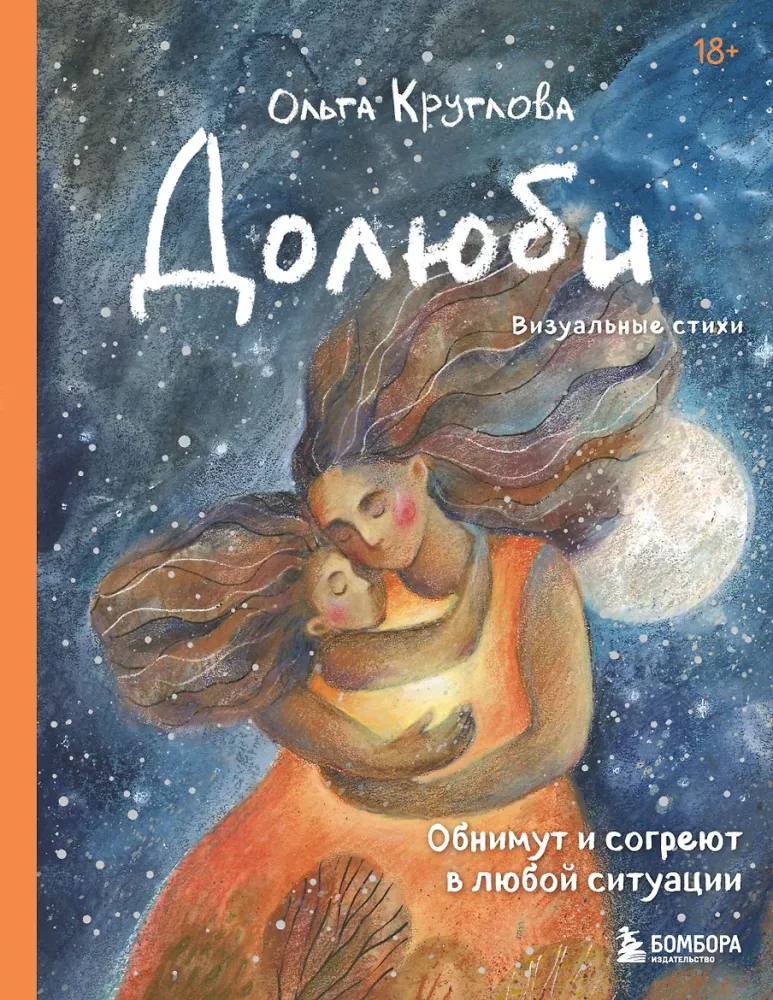
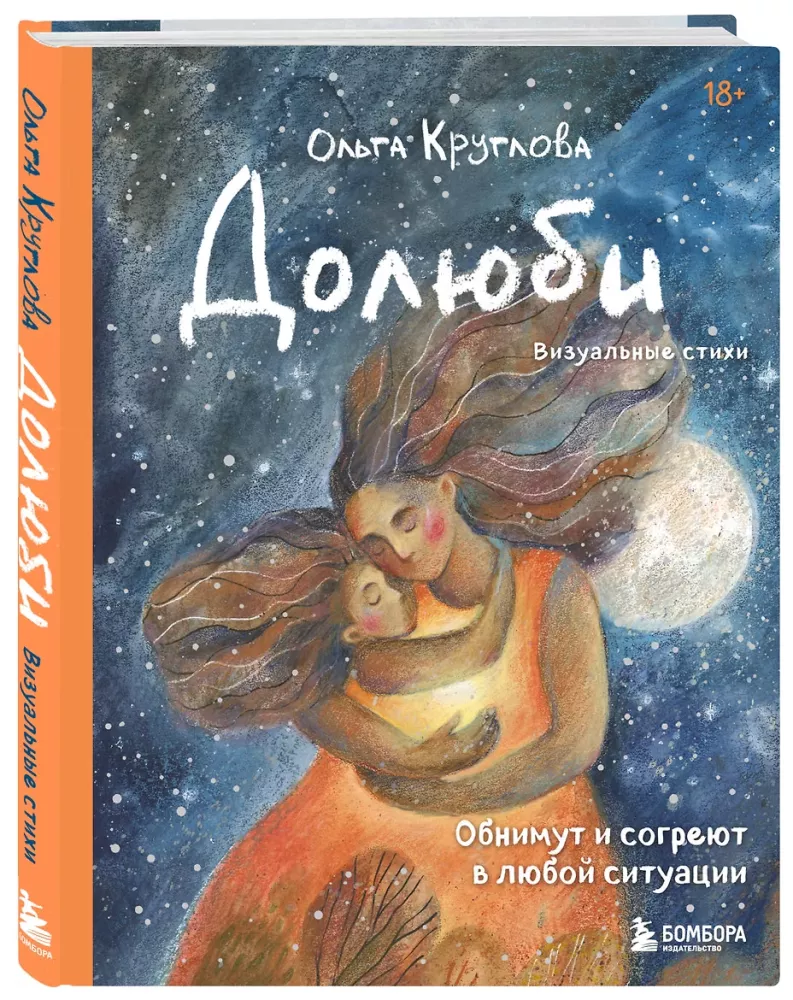
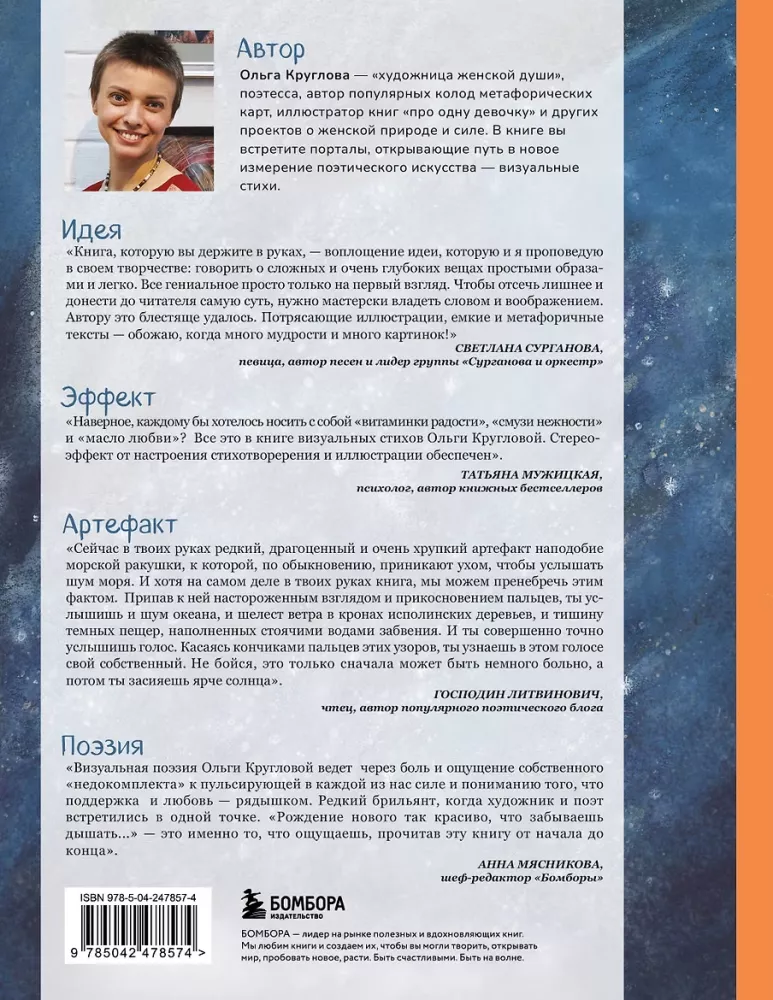
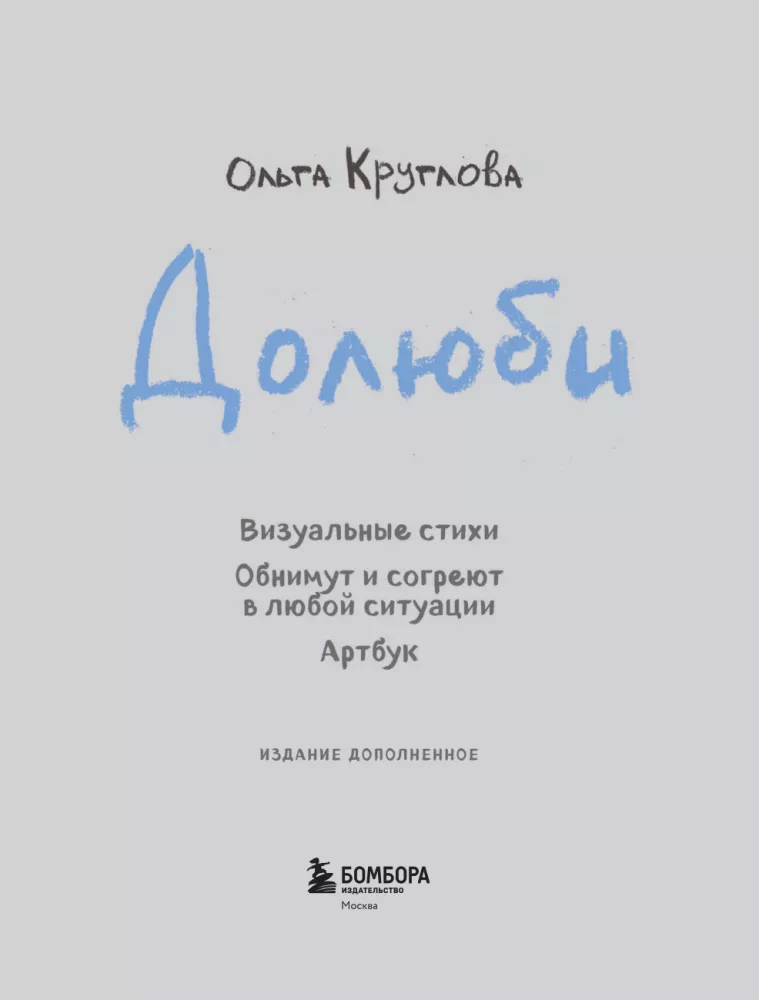
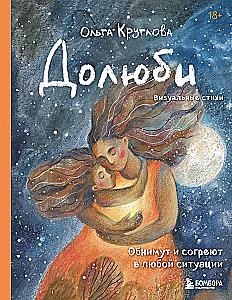
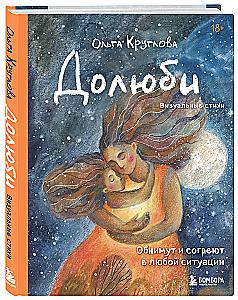
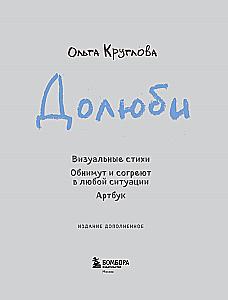
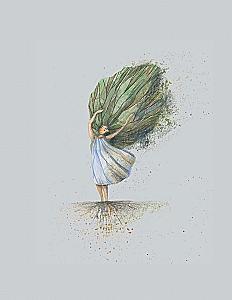
Doluvi. Visual Poems. They will embrace and warm you in any situation. Artbook
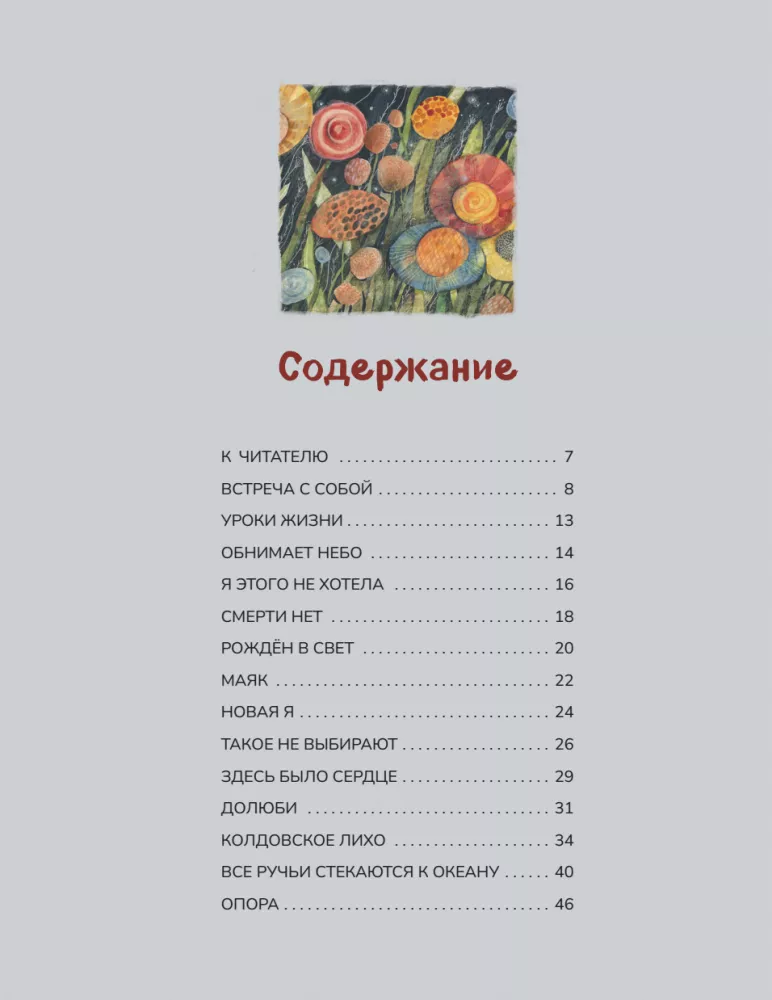
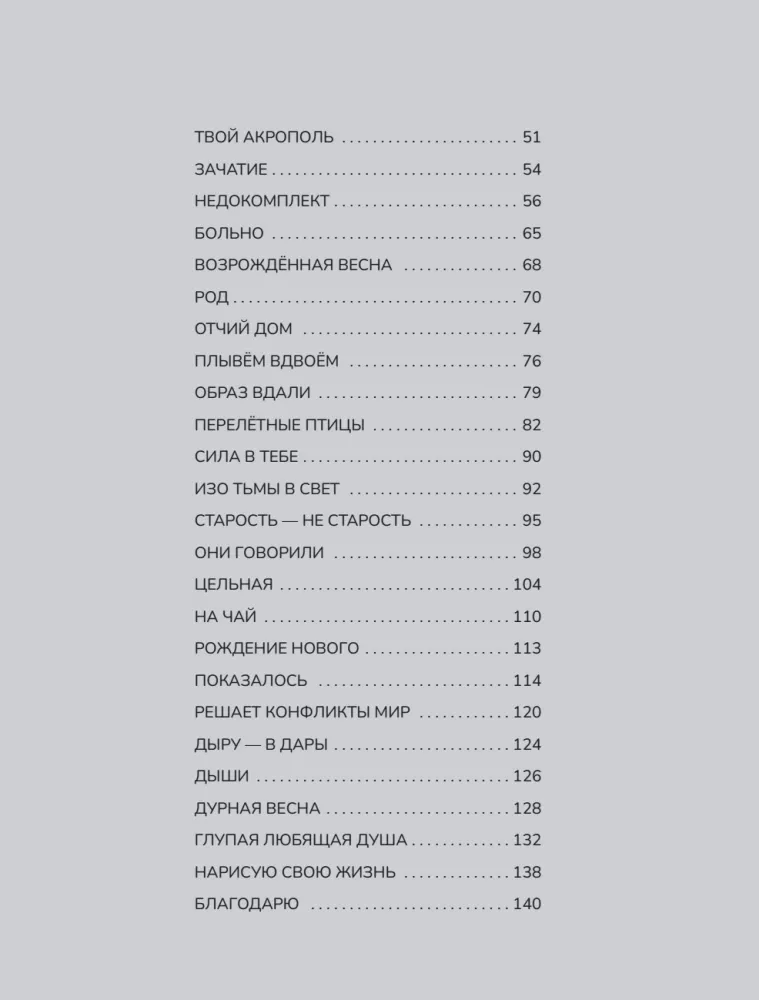
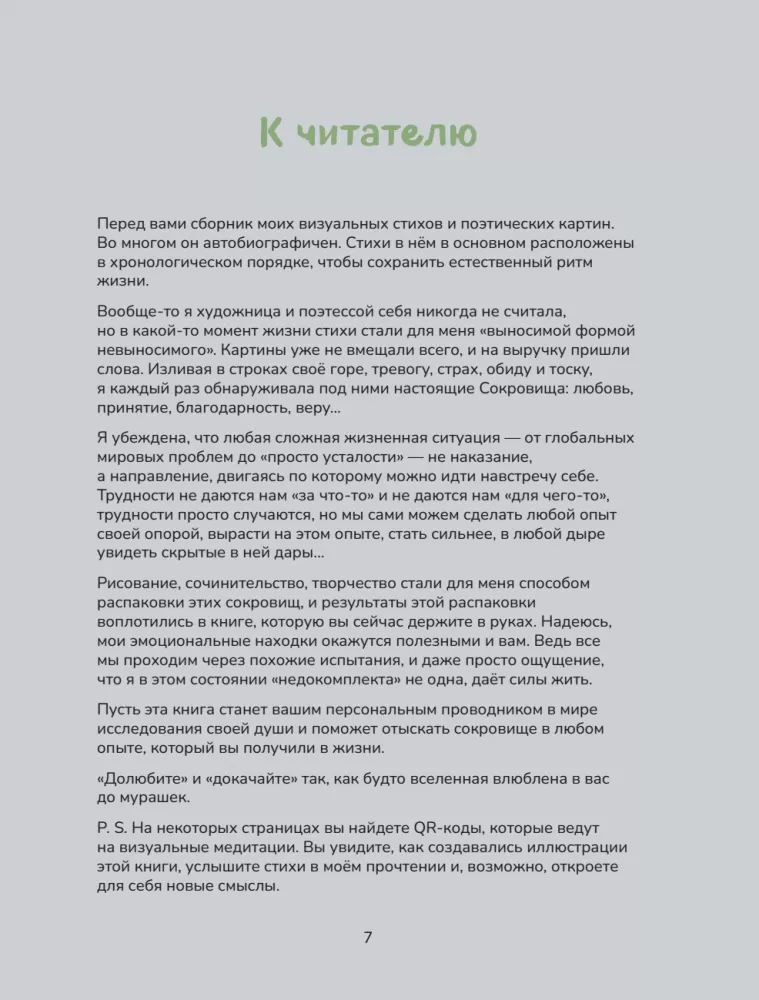
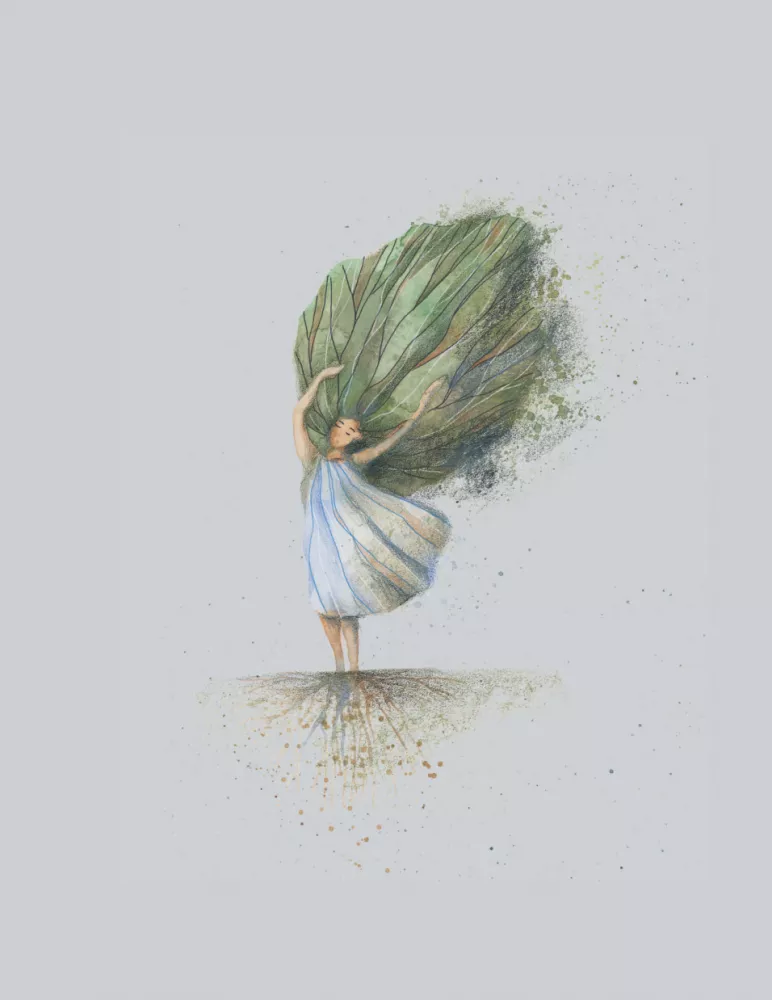
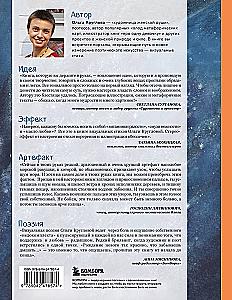
«Doluvi. Visual Poems. They will embrace and warm you in any situation. Artbook. Supplemented edition» — a poetic artbook about inner crisis, loss of support, and the path to self-acceptance. In this edition by Olga Kruglova, poetry is combined with...
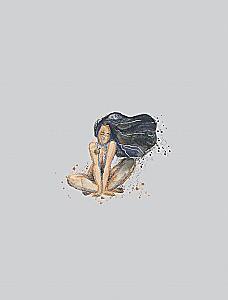
painting, so the experience is conveyed through both word and image. The book is not built on a plot, but on the emotional movement from pain, self-criticism, and a sense of one’s own «insufficiency» to a gentle conversation with oneself. The tone here is warm and supportive: the edition is suitable for a reader who seeks not distraction, but a quiet inner support.
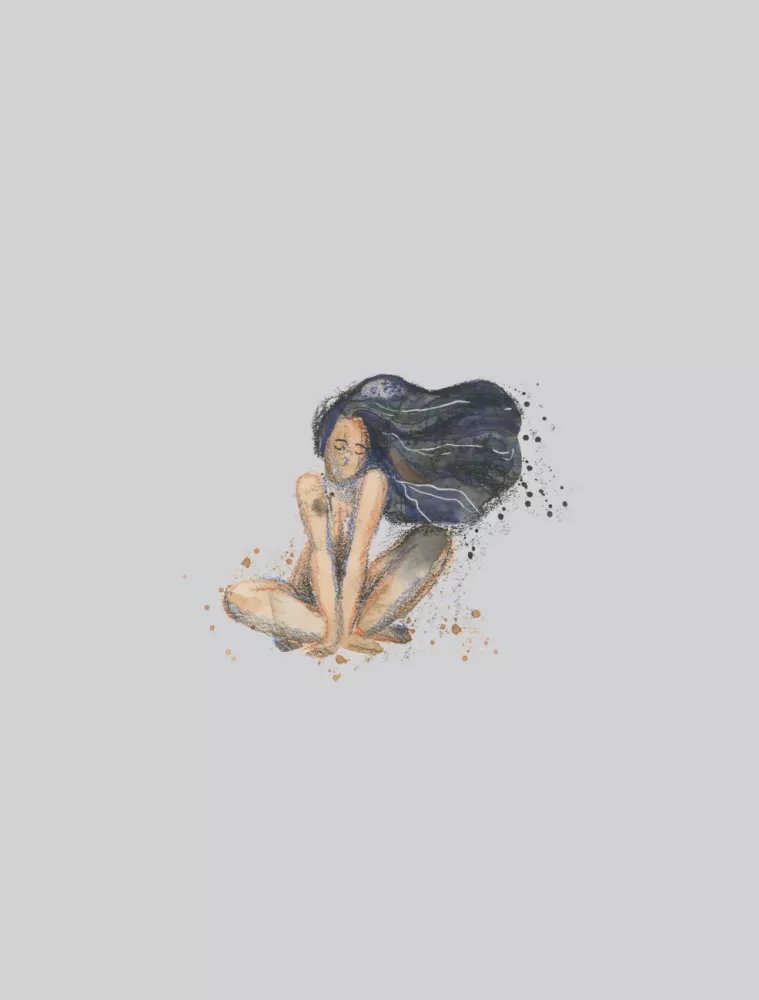
At the heart of the artbook are visual poems and poetic paintings that form a unified space of support. These pages grew out of difficult years when words became a way to live through heavy states and name what is hard to explain in ordinary speech. Here, external events are not important, but the inner journey: from confusion and self-devaluation to a more stable sense of one’s own worth. Each work invites you to pause, look closely at the image, hear the nuances of experience, and see obstacles not as dead ends, but as points of growth.
This poetic artbook is suitable for those who choose to read about self-worth, emotional recovery, and gentle self-care. It will be especially close to female readers who value psychology, female support, and a visual form where drawing enhances the meaning of the poems. By the combination of personal lyricism and inner therapy, the edition can be compared to modern practices of supportive non-fiction and poetry, where confessionalism is more important than literary play. The main themes are self-love, experiencing vulnerability, overcoming internal crises, and finding support in one’s own life.
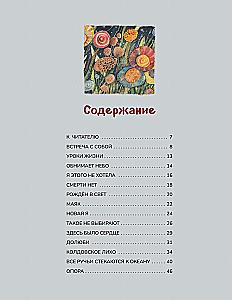
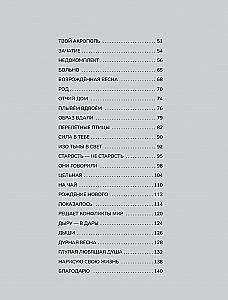
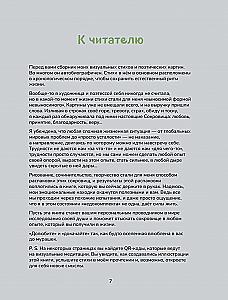
«Doluvi» — is not plot-driven prose, but a collection of visual poetry, where perception is built on the connection of poetic lines, paintings, and metaphors. The poems emerged in 2020–2022 as a personal reaction to difficult life periods, and this intonation is felt throughout the book. The language here is lyrical, confessional, at times close to an inner monologue. The edition includes transitions to video poetry via links on some pages, so the acquaintance with the book can continue beyond the printed spread.
At the heart of the artbook are visual poems and poetic paintings that form a unified space of support. These pages grew out of difficult years when words became a way to live through heavy states and name what is hard to explain in ordinary speech. Here, external events are not important, but the inner journey: from confusion and self-devaluation to a more stable sense of one’s own worth. Each work invites you to pause, look closely at the image, hear the nuances of experience, and see obstacles not as dead ends, but as points of growth.
This poetic artbook is suitable for those who choose to read about self-worth, emotional recovery, and gentle self-care. It will be especially close to female readers who value psychology, female support, and a visual form where drawing enhances the meaning of the poems. By the combination of personal lyricism and inner therapy, the edition can be compared to modern practices of supportive non-fiction and poetry, where confessionalism is more important than literary play. The main themes are self-love, experiencing vulnerability, overcoming internal crises, and finding support in one’s own life.
«Doluvi» — is not plot-driven prose, but a collection of visual poetry, where perception is built on the connection of poetic lines, paintings, and metaphors. The poems emerged in 2020–2022 as a personal reaction to difficult life periods, and this intonation is felt throughout the book. The language here is lyrical, confessional, at times close to an inner monologue. The edition includes transitions to video poetry via links on some pages, so the acquaintance with the book can continue beyond the printed spread.
Author: Ольга Круглова
Printhouse: Eksmo
Series: Women's Circle. Books that will support you in any situation
Age restrictions: 18+
Year of publication: 2026
ISBN: 9785042478574
Number of pages: 144
Size: 218х170х13 mm
Cover type: hard
Weight: 334 g
ID: 1748063
In stock
€ 17.19
Will be delivered to United States on 29 September (Tu):
By courier
from € 38.94
Bestsellers





Bestseller
€ 12.19
In stock
Kanashibari. Until the Last Lantern Goes Out. Volume 1
Ангелина Шэн, Вероника Шэн