New


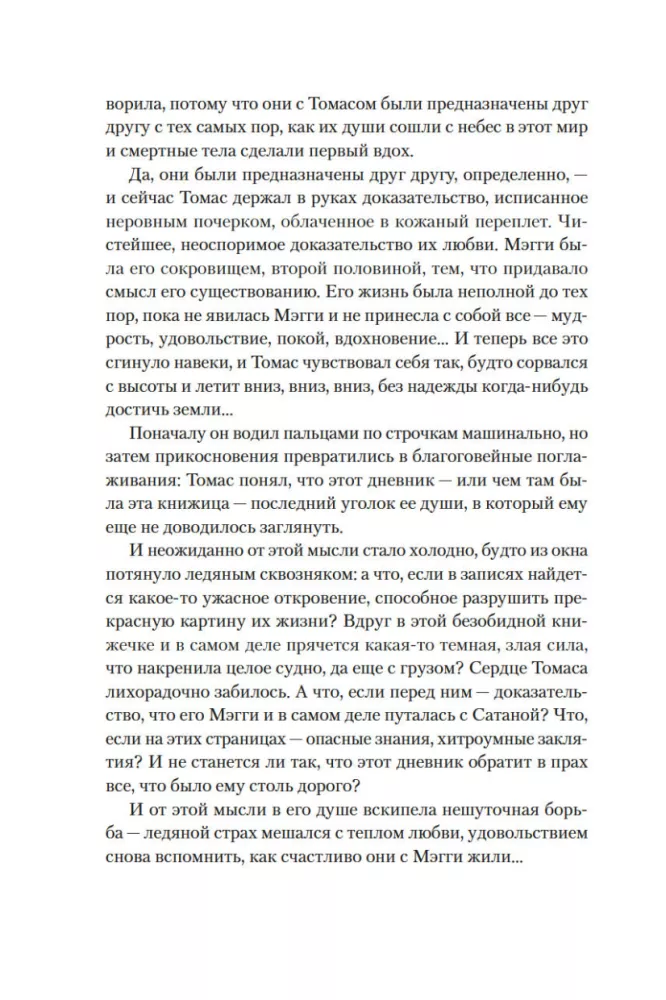

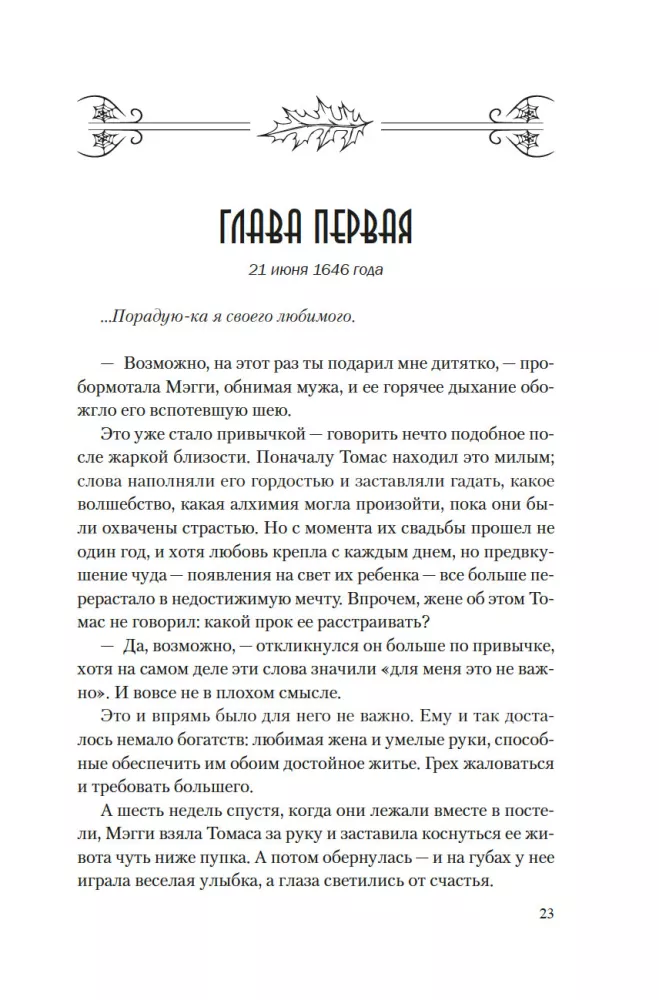


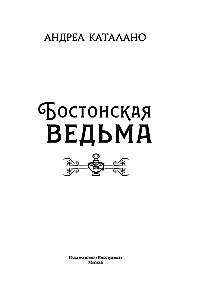
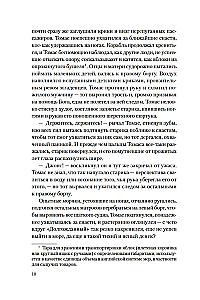
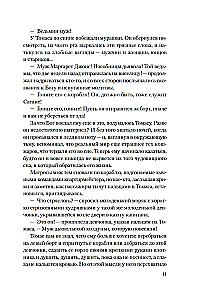
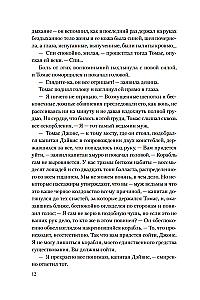
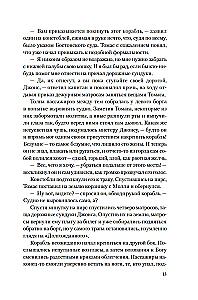
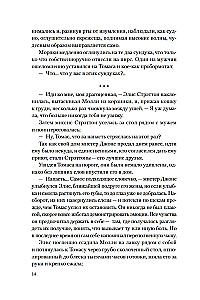
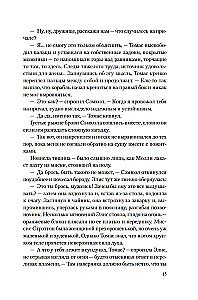
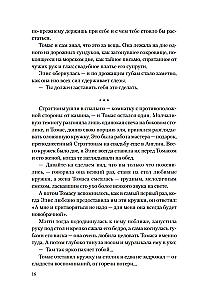
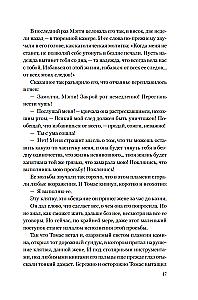
The Boston Witch
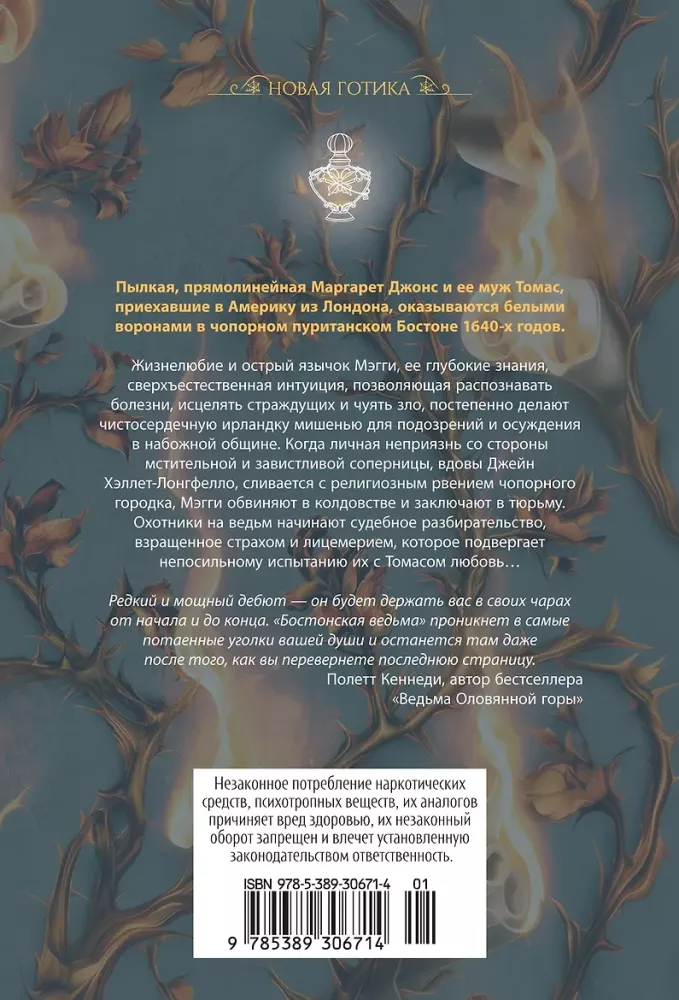
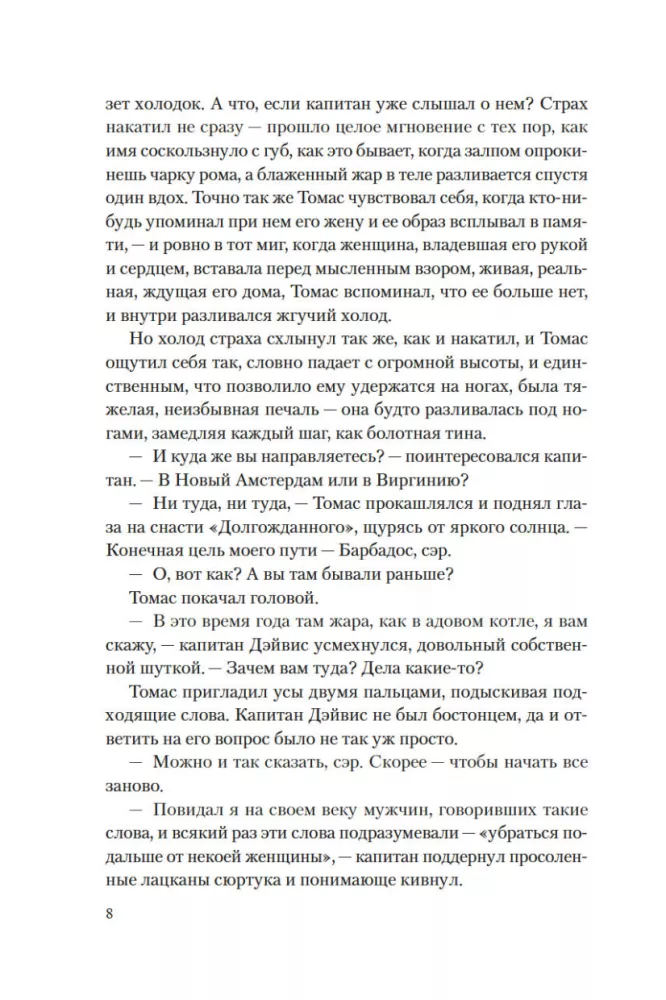
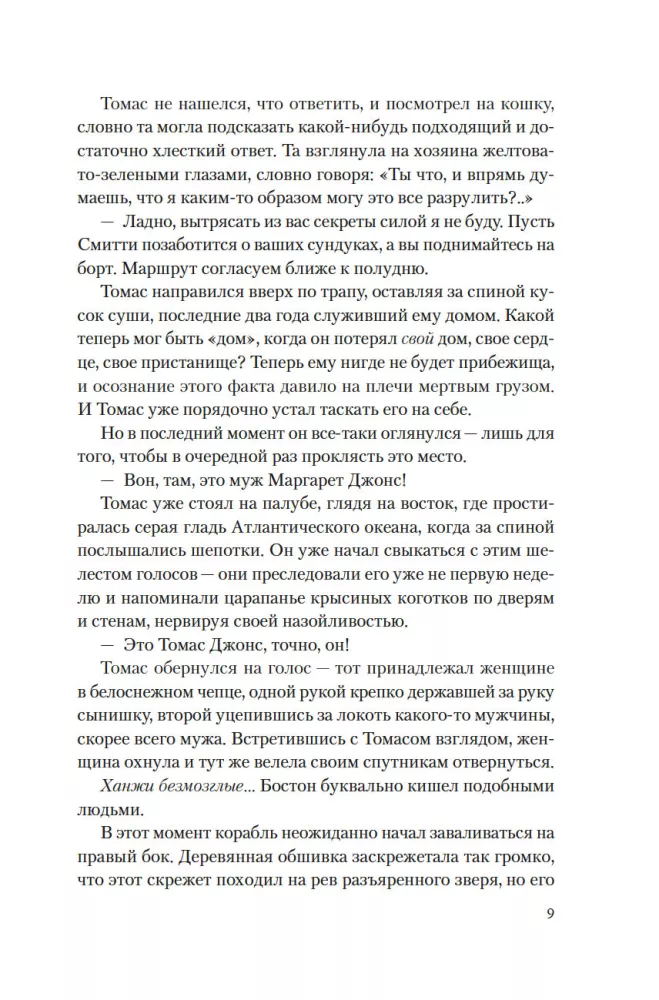
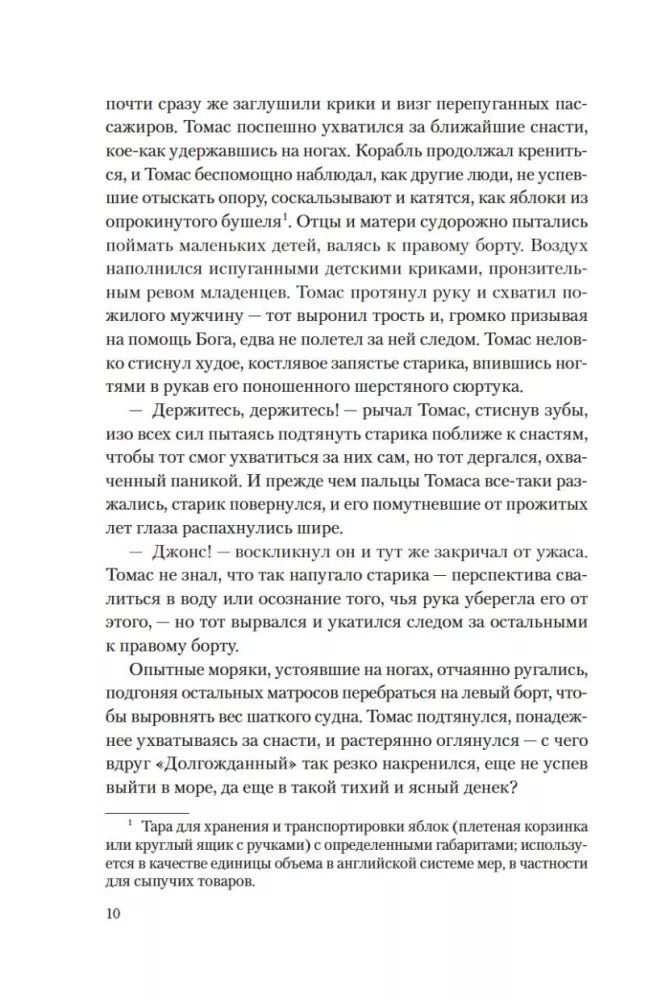
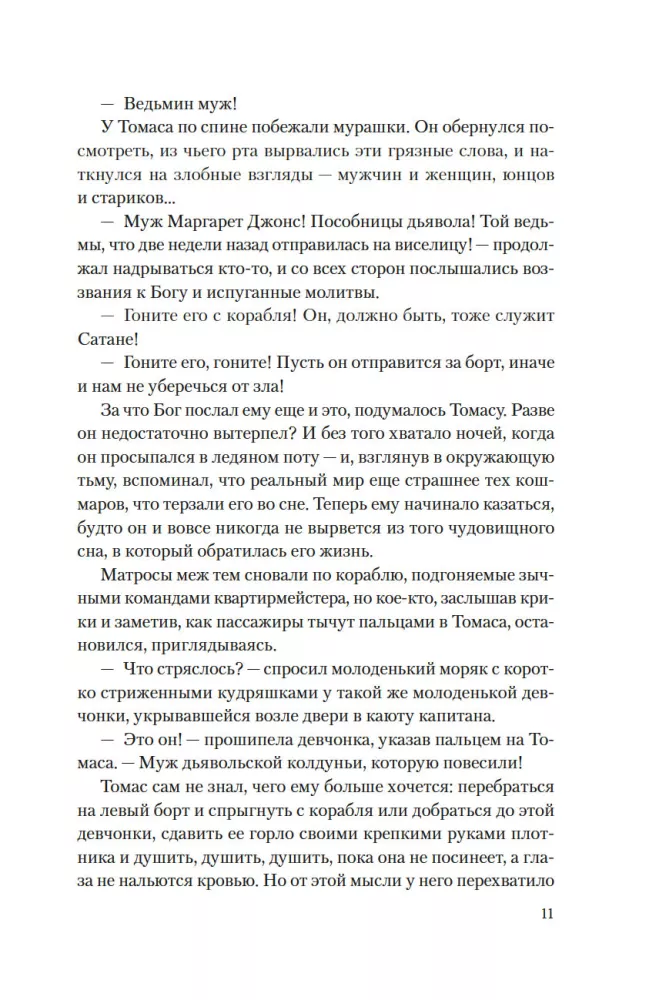
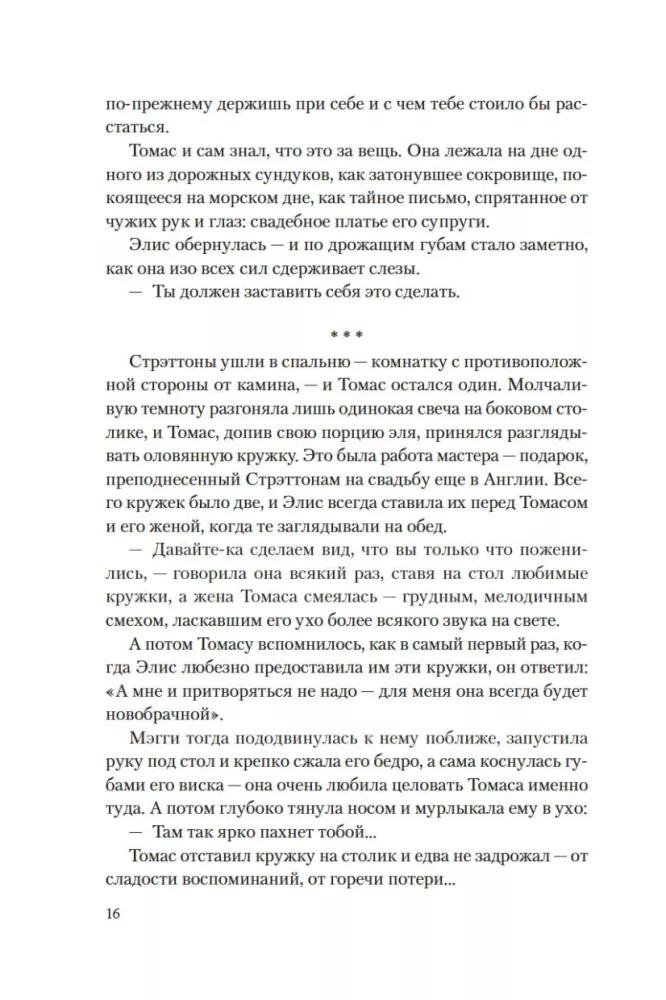
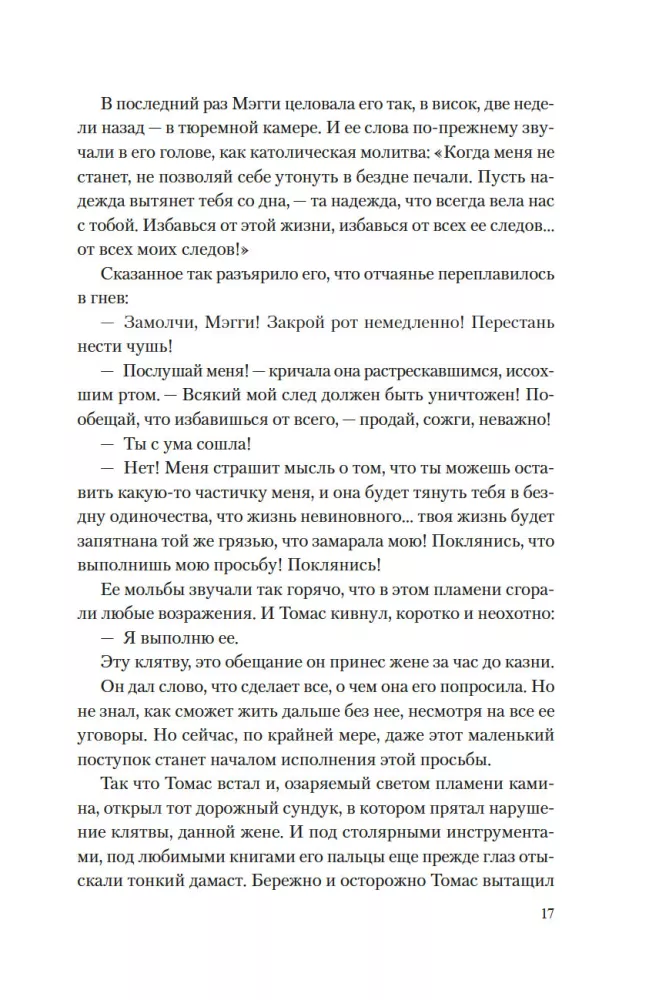
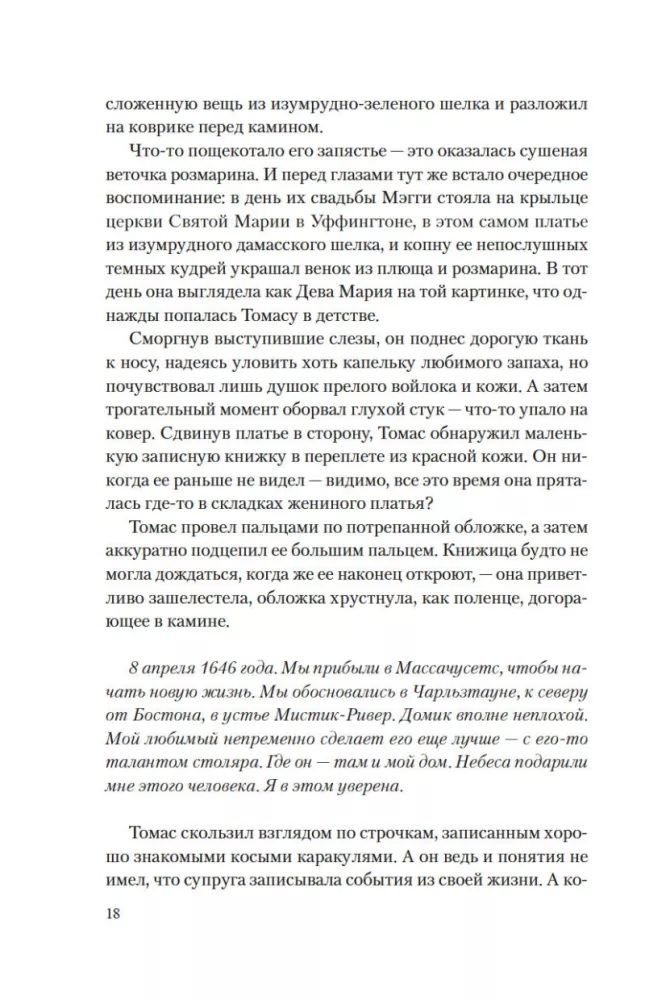
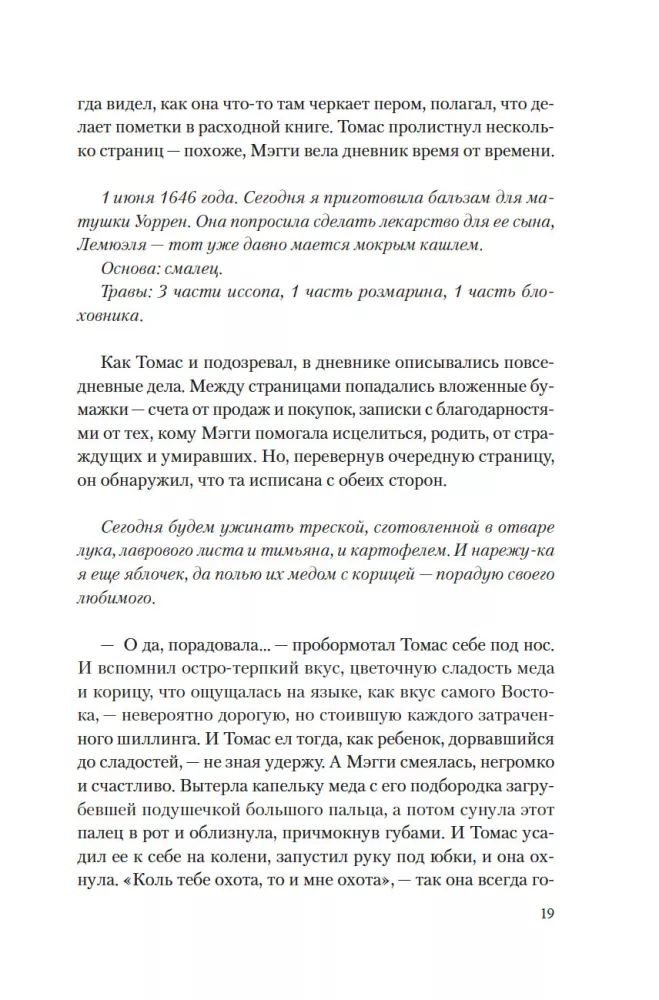
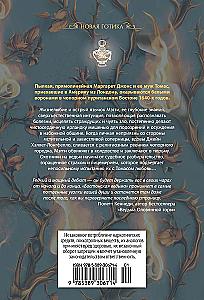
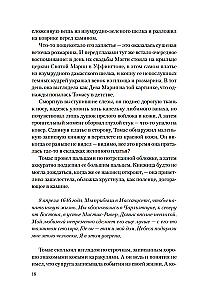
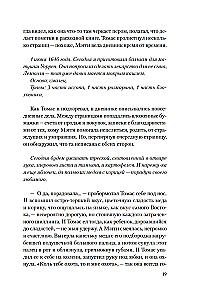
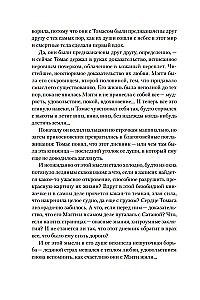
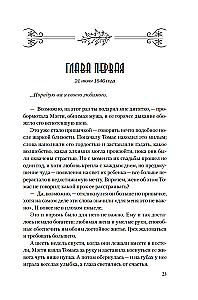
«The Boston Witch» — a historical novel about a woman whose healing abilities and independence become a threat to the Puritan community of colonial Boston in the 17th century. In Andrea Catalano's version, this story is based on the real...
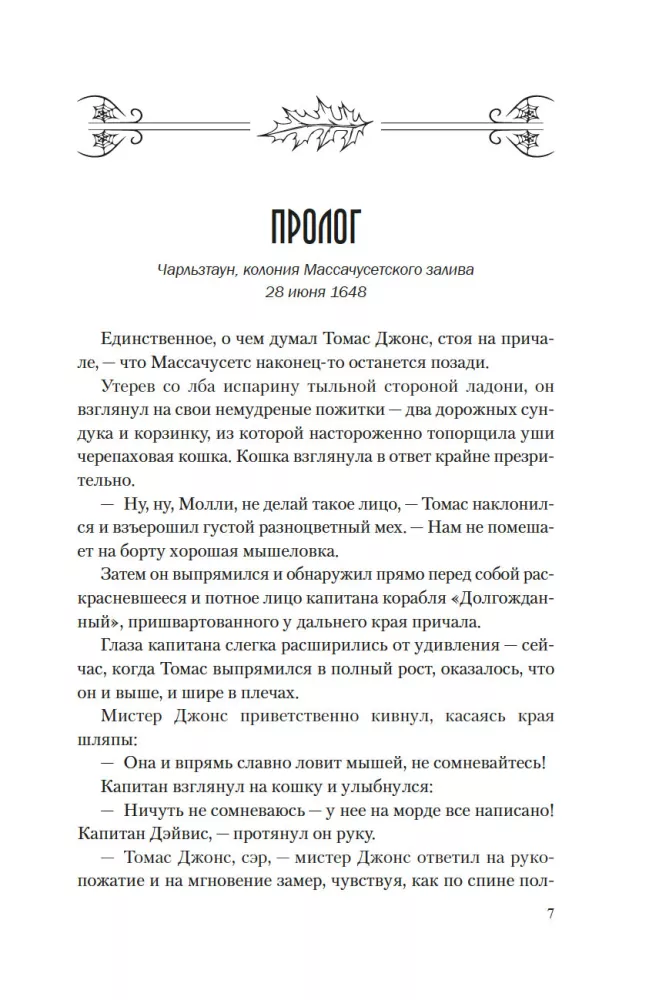
case of Margaret Jones — the first woman accused of witchcraft in Boston. Here, not only the trial, fear, and religious intolerance are important, but also the everyday lives of people trying to maintain their family, dignity, and right to be themselves in a world where any deviation from the norm quickly turns into guilt. The colonial Massachusetts Bay, Charlestown, the move from England to the New World, strict morals, and the suspicion of neighbors create a rich historical backdrop without the feeling of dry reconstruction.
The plot is built on a dual perspective. The story unfolds through the diary entries of Margaret, as well as through the memories of her husband Thomas, who turns to these entries after her trial. This approach makes the personal drama more substantial: before the reader is not only a loud accusation of witchcraft but also almost twenty years of shared life, moves, trials, and growing pressure from society. As fear and suspicion grow in the community, any gift, especially one related to healing, begins to seem dangerous. Against this backdrop, the family closeness, loyalty, and internal contradictions of the spouses become entangled in someone else's hysteria.
Margaret Jones — the central figure of the novel, a healer with a strong character and will. Her habit of speaking and acting without regard for the expectations of those around her makes her stand out in a society where female independence is perceived almost as a challenge.
Thomas Jones — her husband, a more reserved and cautious man. Through his perspective, the text maintains not only the historical line but also the personal dimension of what is happening: marriage, memory, the attempt to understand how private life becomes shattered by the fear of an entire community.
The plot is built on a dual perspective. The story unfolds through the diary entries of Margaret, as well as through the memories of her husband Thomas, who turns to these entries after her trial. This approach makes the personal drama more substantial: before the reader is not only a loud accusation of witchcraft but also almost twenty years of shared life, moves, trials, and growing pressure from society. As fear and suspicion grow in the community, any gift, especially one related to healing, begins to seem dangerous. Against this backdrop, the family closeness, loyalty, and internal contradictions of the spouses become entangled in someone else's hysteria.
Margaret Jones — the central figure of the novel, a healer with a strong character and will. Her habit of speaking and acting without regard for the expectations of those around her makes her stand out in a society where female independence is perceived almost as a challenge.
Thomas Jones — her husband, a more reserved and cautious man. Through his perspective, the text maintains not only the historical line but also the personal dimension of what is happening: marriage, memory, the attempt to understand how private life becomes shattered by the fear of an entire community.
Author: Андреа Каталано
Printhouse: Inostranka
Series: New Gothic
Age restrictions: 18+
Year of publication: 2026
ISBN: 9785389306714
Number of pages: 400
Size: 210х140х25 mm
Cover type: hard
Weight: 489 g
ID: 1748014
In stock
€ 19.99
Will be delivered to United States on 21 September (Mo):
By courier
from € 38.94
Bestsellers








Bestseller
€ 12.19
In stock
Kanashibari. Until the Last Lantern Goes Out. Volume 1
Ангелина Шэн, Вероника Шэн