New
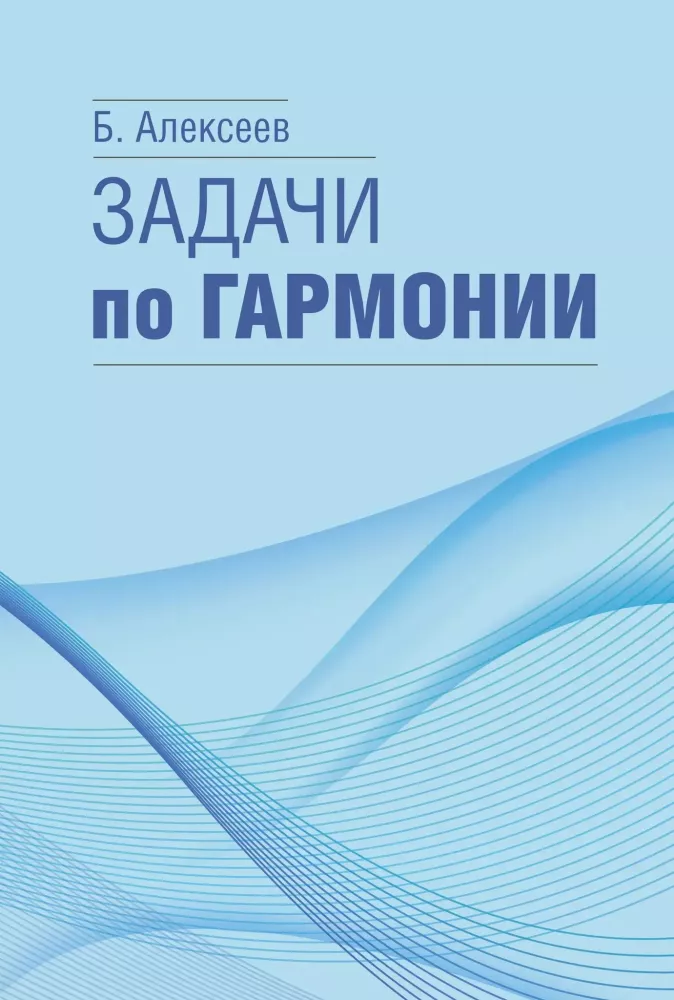
Harmony Exercises
Author: Борис Алексеев
Printhouse: Muzyka
Age restrictions: 7+
Year of publication: 2025
ISBN: 9785714013652
Number of pages: 248
Size: 215х145х12 mm
Cover type: soft
Weight: 330 g
ID: 1746713
The author of this textbook is B. K. Alekseev, a renowned pedagogue-theorist, author of publications on solfeggio and harmony, which have been successfully used in teaching practice for many years.
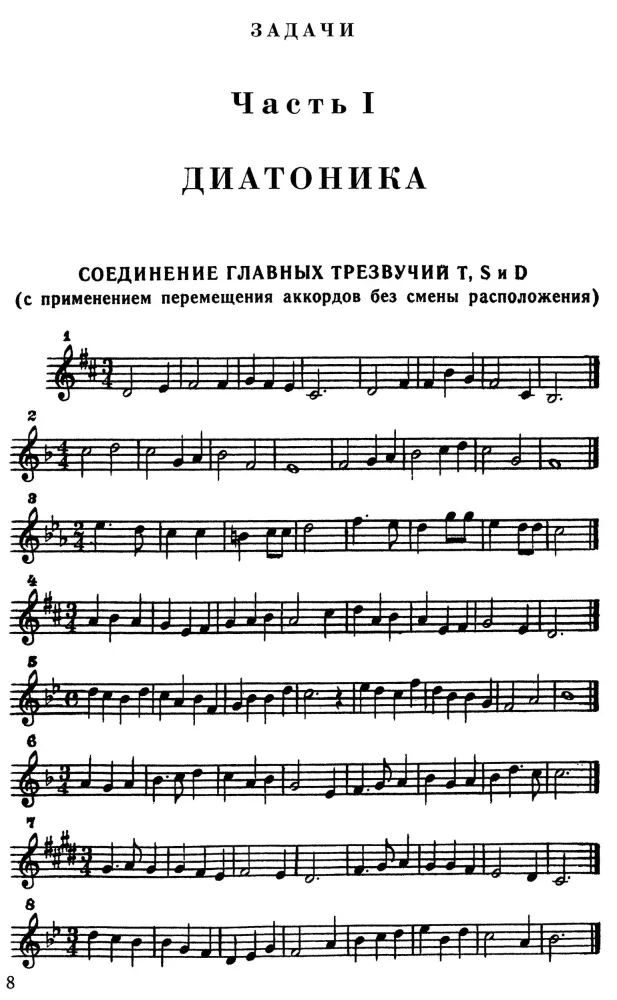
The manual covers a complete course on harmony, organized by topics in the same order as in the «Harmony Textbook» by I. I. Dubovsky, S. V. Yevseev, I. V. Spasobin, and V. V. Sokolov.
In full, the manual is aimed at a specialized course on harmony in higher education institutions and secondary specialized educational institutions. It can partially be used in classes with students of piano and orchestral faculties.
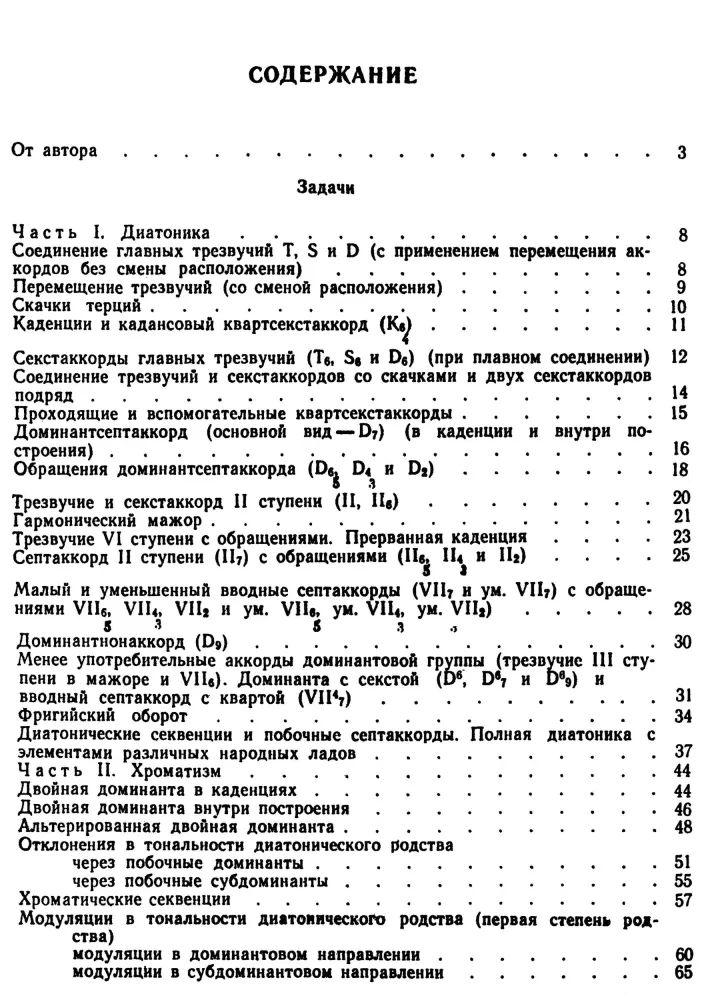
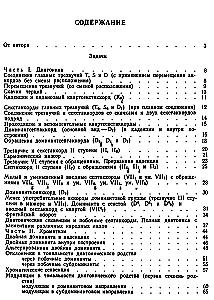
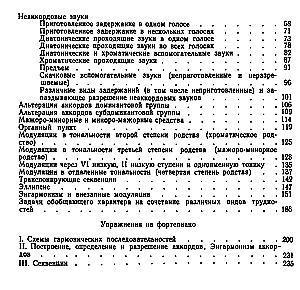
CONTENT:
EXERCISES
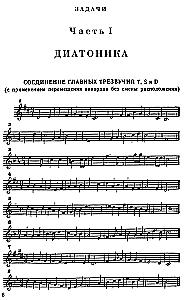
Part I. Diatonic
- Connection of the main triads T, S, and D (using chord transpositions without changing the position)
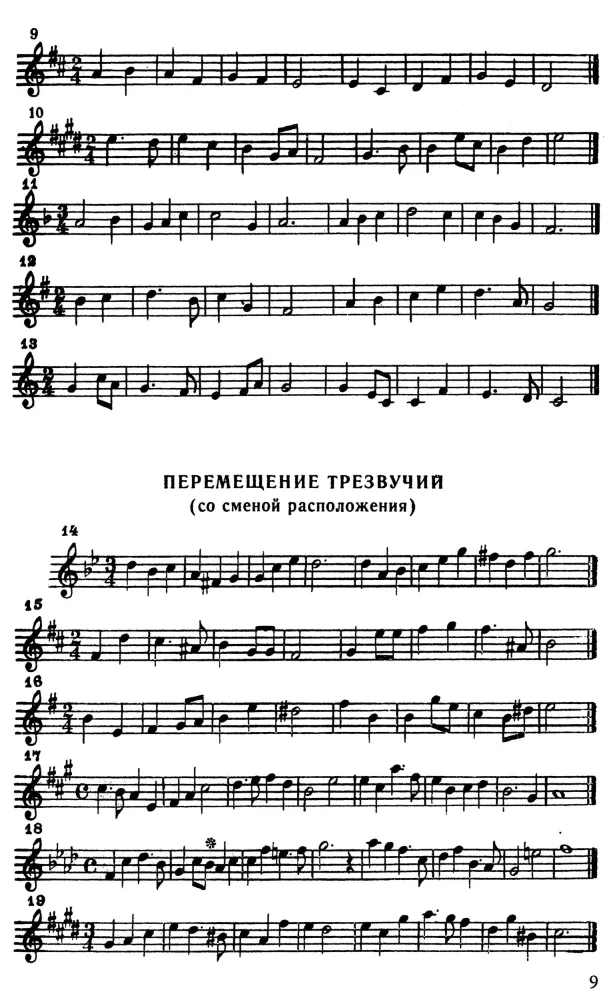
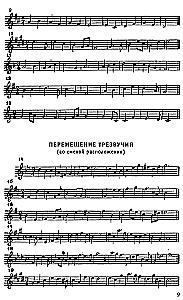
- Transposition of triads (with change of position)
- Leaps of thirds
- Cadences and cadential quartal-seventh chords
- Sixth chords of the main triads (with smooth connection)
- Connection of triads and sixth chords with leaps and two sixth chords in succession
- Passing and auxiliary quartal-seventh chords
- Dominant seventh chord (basic form) in cadences and within constructions
- Inversions of the dominant seventh chord
- Triad and sixth chord of the II degree
- Harmonic major
- Triad of the VI degree with inversions. Interrupted cadence
- Seventh chord of the II degree with inversions
- Minor and diminished introductory seventh chords with inversions
- Dominant chord
- Less commonly used chords of the dominant group. Dominant with sixth and introductory seventh chord with fourth Phrygian turn
- Diatonic sequences and secondary seventh chords. Complete diatonic with elements of various folk modes
Part II. Chromaticism
- Double dominant in cadences
- Double dominant within constructions
- Altered double dominant
- Deviations in tonality of diatonic kinship: through secondary dominants, through secondary subdominants
- Chromatic sequences
- Modulations in the tonality of diatonic kinship (first degree of kinship): in the dominant direction, in the subdominant direction
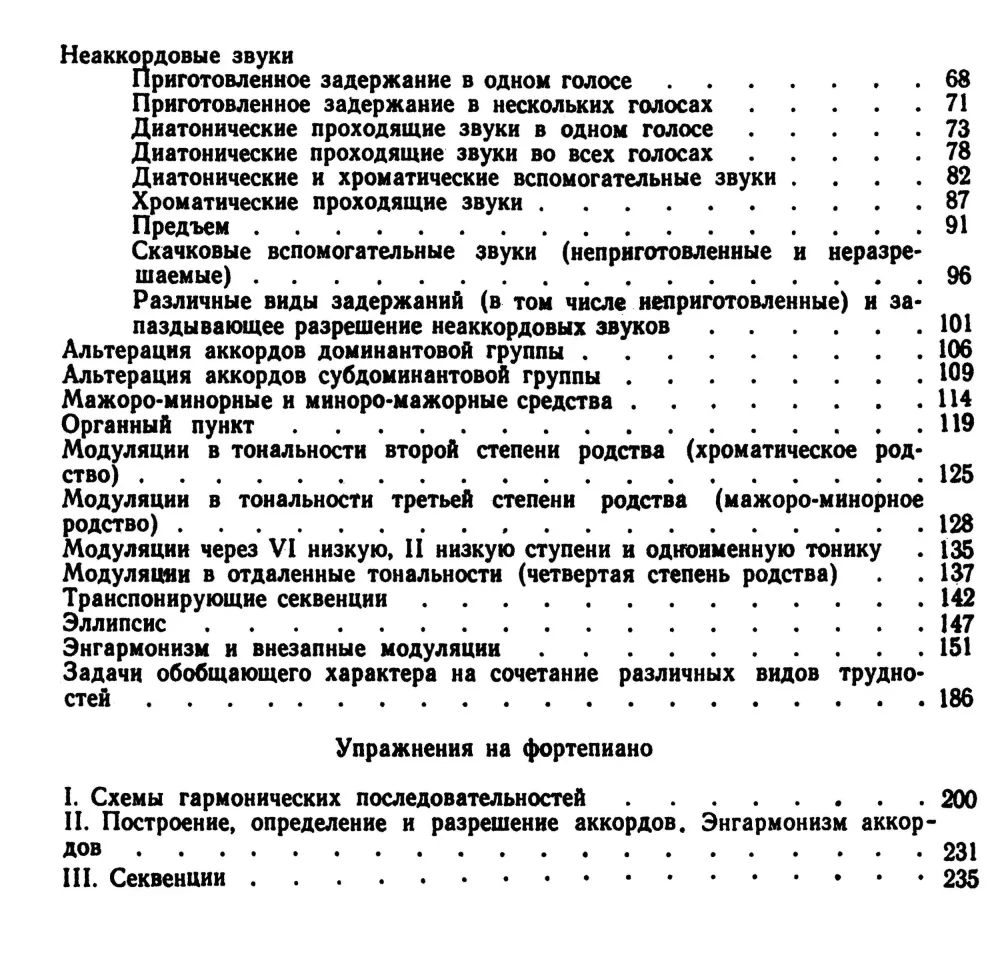
- Non-chord tones
- Alteration of chords in the dominant group
- Alteration of chords in the subdominant group
- Major-minor and minor-major means
- Organ point
- Modulations in the tonality of the second degree of kinship (chromatic kinship)
- Modulations in the tonality of the third degree of kinship (major-minor kinship)
- Modulations through the VI low, II low degrees and the same tonic
- Modulations in distant tonalities (fourth degree of kinship)
- Transposing sequences Ellipsis
- Enharmonicism and sudden modulations General tasks on the combination of various types of difficulties
EXERCISES ON PIANO
- Diagrams of harmonic sequences
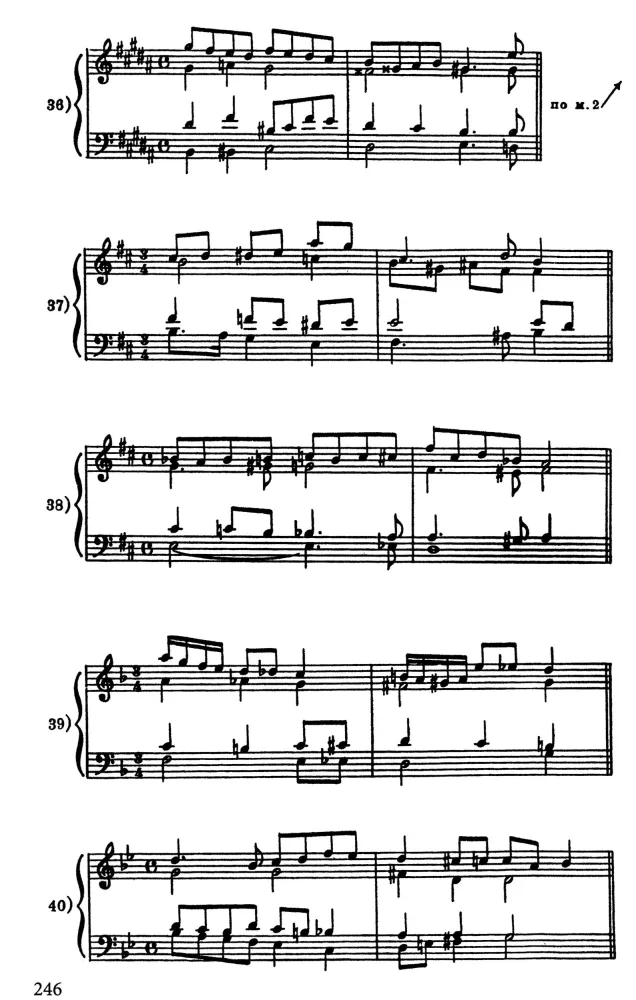
- Construction, identification, and resolution of chords. Enharmonicism of chords
- Sequences
Sold out
€ 20.49
Sold out
€ 20.49
Bestsellers





€ 7.99
In stock
€ 11.59
In stock
We Are Right for Each Other: How Attachment Theory Can Help Create Harmonious Relationships
Амир Левин, Рэйчел Хеллер


€ 11.99
In stock
Invisible Women: Why We Live in a World Designed for Men. Data Bias in a World Designed for Men
Кэролайн Криадо Перес