





Other Americans
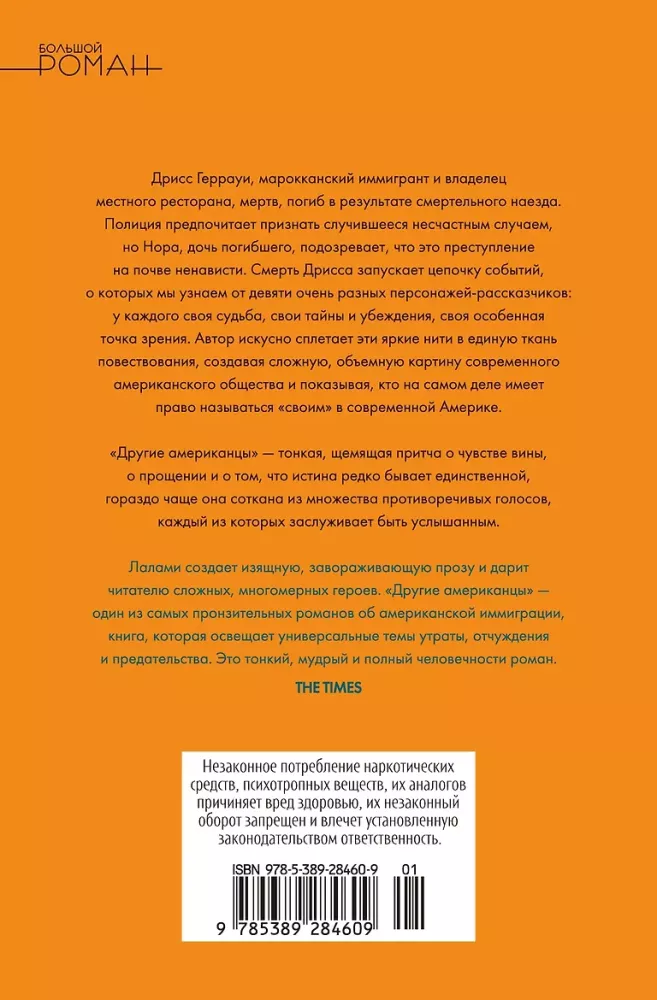
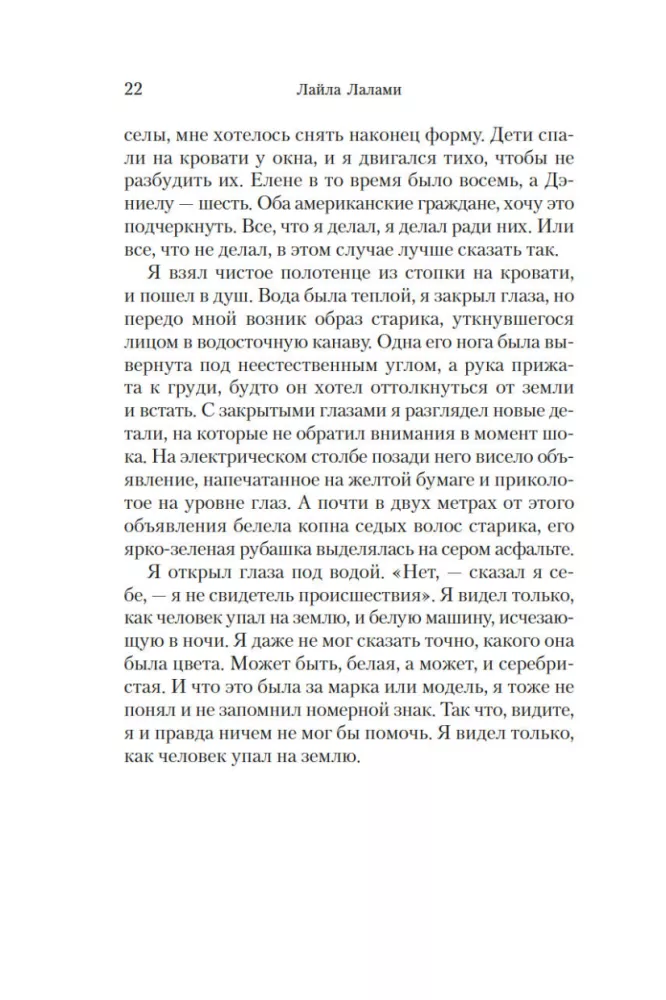
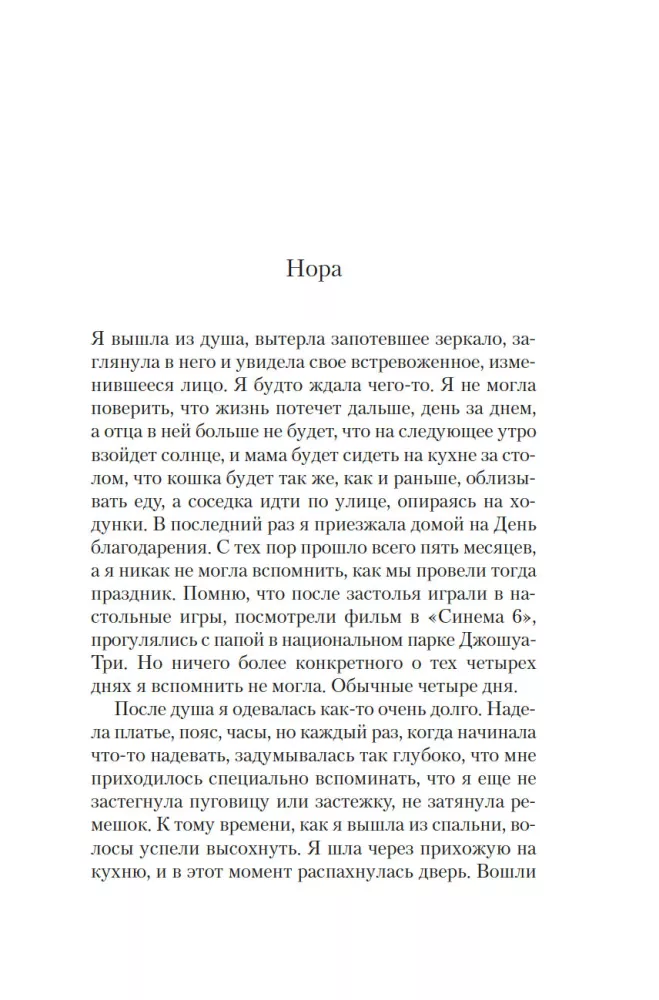
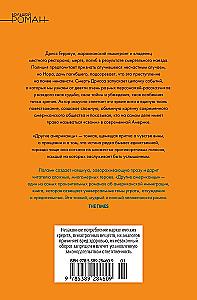
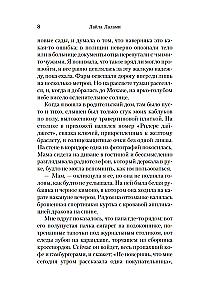
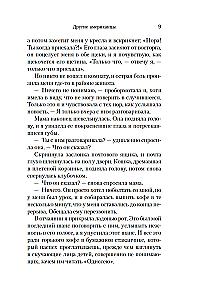
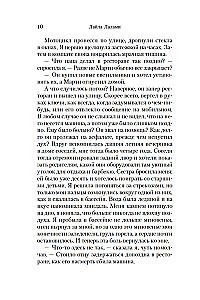
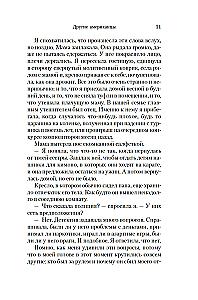
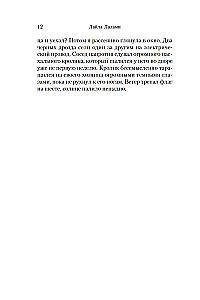
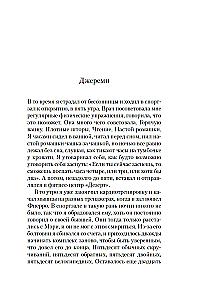
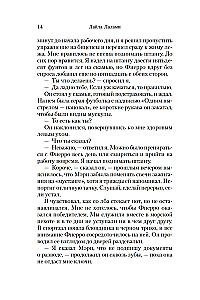
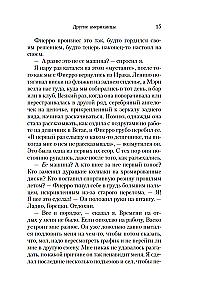
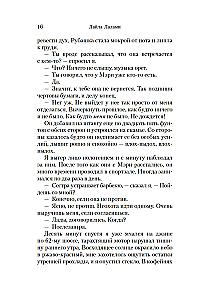
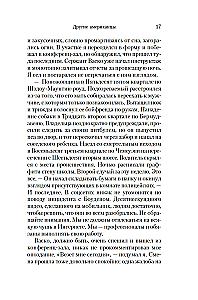
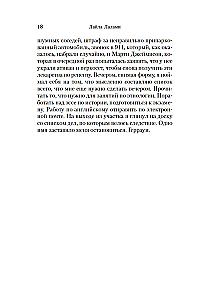
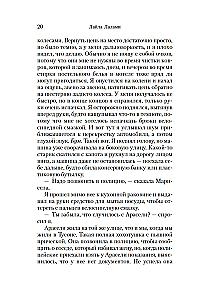
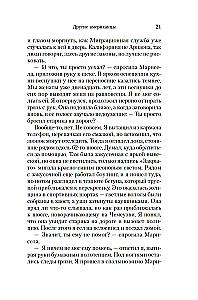
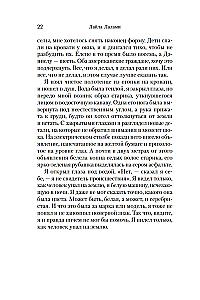
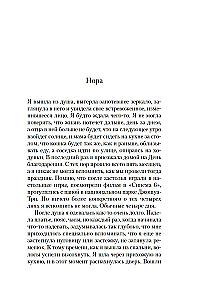
«Other Americans» — a contemporary novel about the demise of a Moroccan immigrant in a small California town and the people whose lives converge around this event. This is prose at the intersection of a family saga, a detective story,...
and a love story, where the focus is on the Guerawi family, the theme of home, and the feeling of alienation experienced differently by immigrants, their children, and those living nearby. Against the backdrop of an outwardly quiet town, fear, social inequality, cultural barriers, and attempts to find common ground where trust has long been undermined emerge.
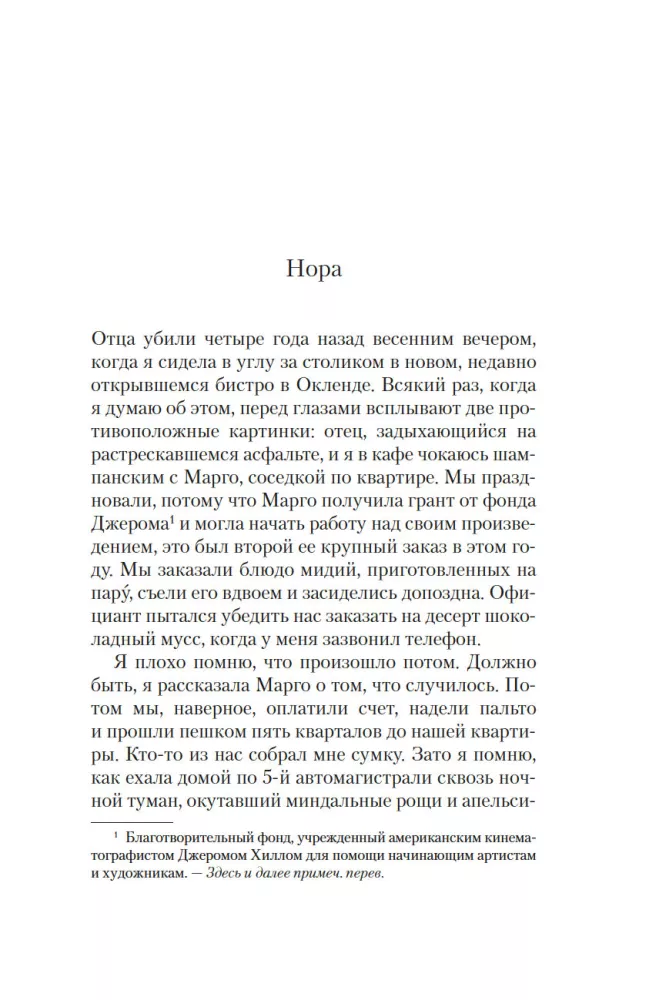
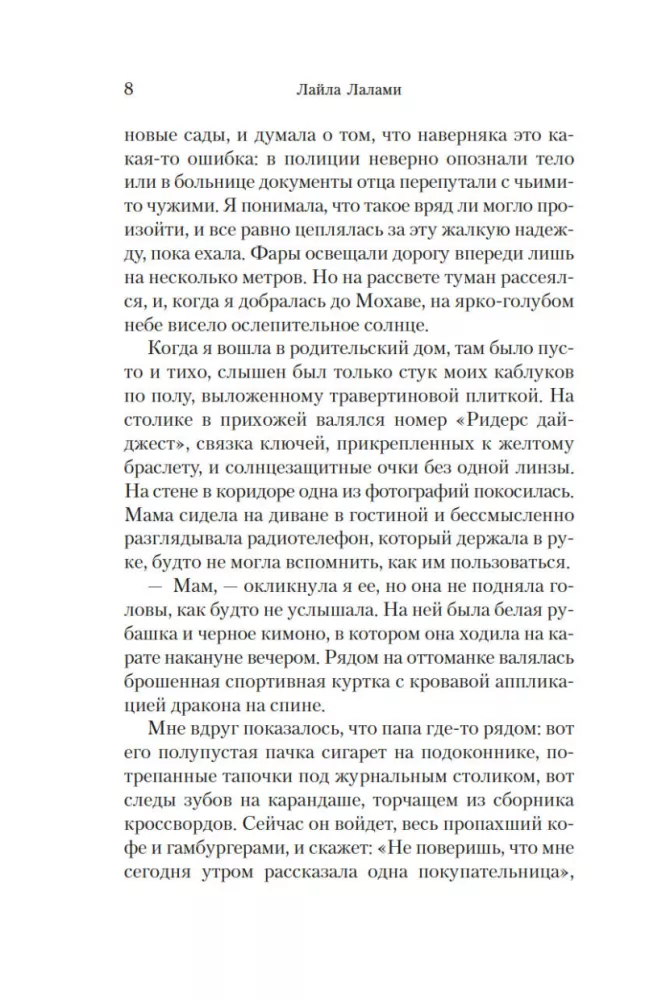
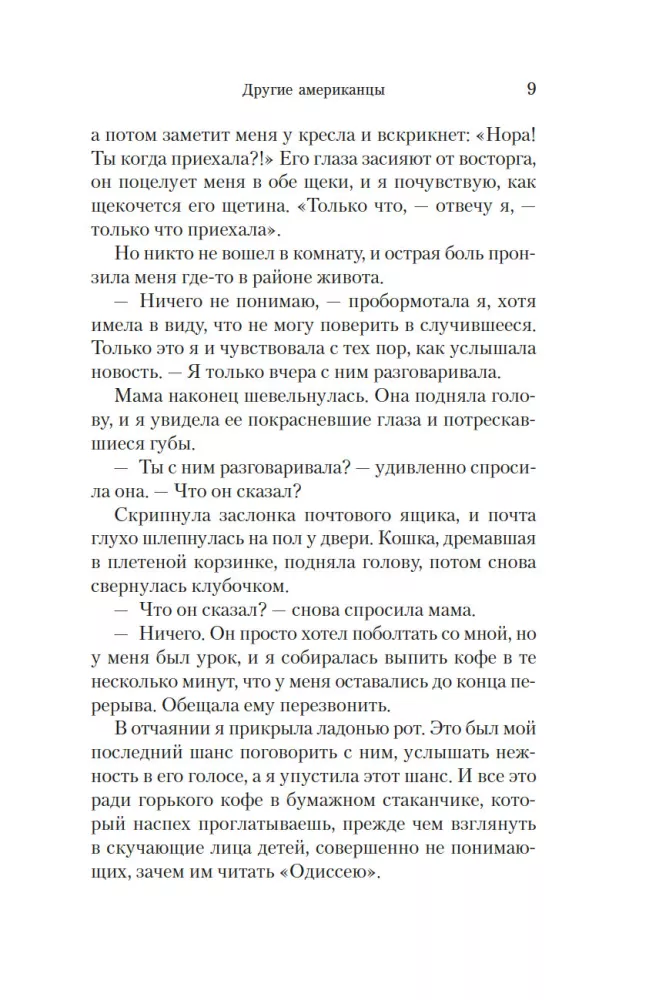
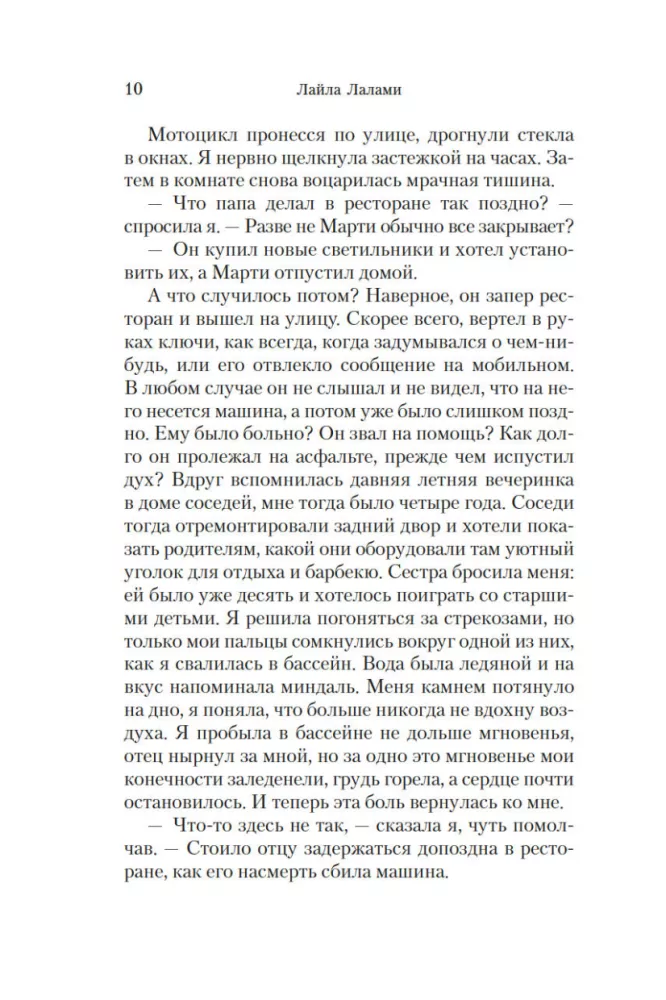
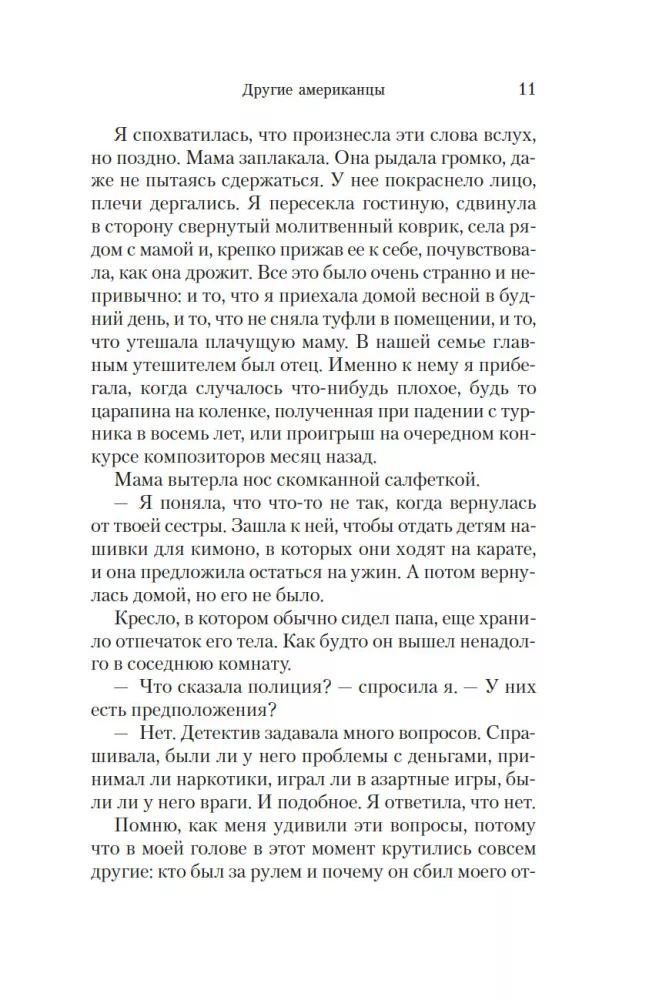
On a late spring evening, Driss Guerawi dies as a result of being hit by a car, and the driver flees the scene. After this, Nora returns home and tries to understand what happened to her father while also grappling with the tensions within the family. Several threads converge around this death: a witness fears deportation, a detective conducts the investigation under pressure from circumstances, and a neighbor and Nora's former classmate are drawn into the common story in their own way. As different characters speak in the first person, their connections, unspoken issues, and old grievances become visible.
Nora Guerawi — the youngest daughter of Driss, a jazz composer. She returns to her hometown after her father's death and finds herself caught between family pain, questions about the past, and her own sense of alienation.
Mariam Guerawi — Driss's widow. Her perspective is tied to memories of Morocco and a complicated relationship with life in the USA.
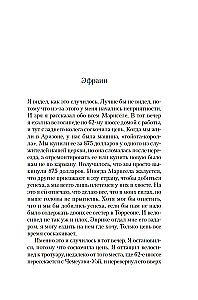
Efrain — a witness to the hit-and-run who remains silent out of fear of deportation. Through him, the author highlights the theme of the vulnerability of a person without protected status.
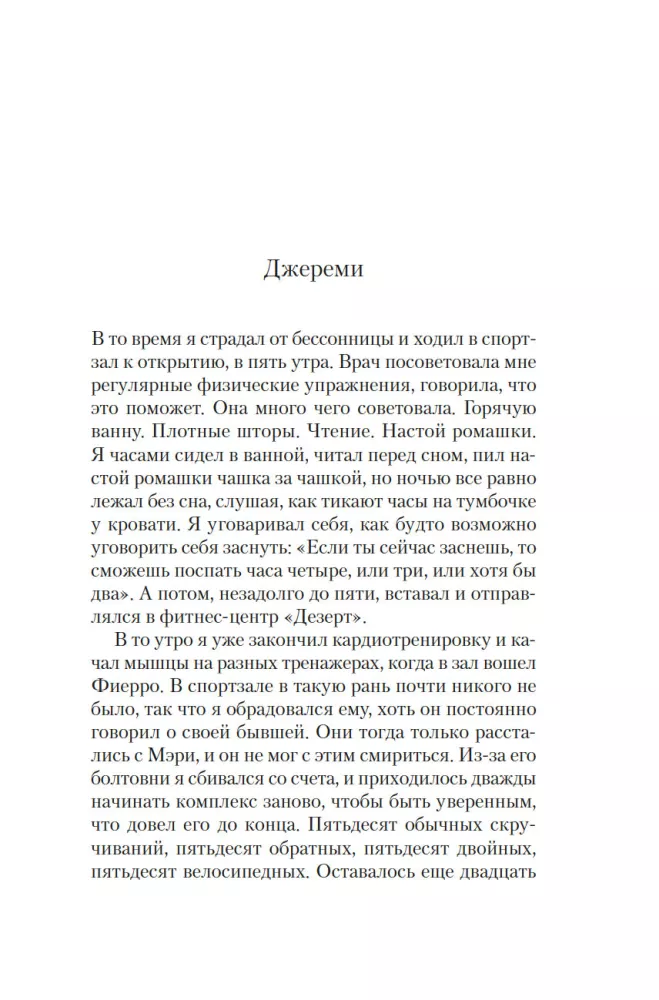
Jeremy — an Iraq War veteran and sheriff's assistant involved in the investigation. His storyline is connected not only to the case but also to his personal closeness to Nora.
Laila Lalami addresses migration not as an abstract problem but as the everyday experience of a family living between two worlds. Here, racial and religious differences are not the only important factors, but also class inequality, feelings of guilt, pressure from expectations, and attempts to maintain dignity in a foreign environment. A separate focus is on the theme of moral responsibility: who is willing to speak the truth, and who chooses silence when the price is too high.
On a late spring evening, Driss Guerawi dies as a result of being hit by a car, and the driver flees the scene. After this, Nora returns home and tries to understand what happened to her father while also grappling with the tensions within the family. Several threads converge around this death: a witness fears deportation, a detective conducts the investigation under pressure from circumstances, and a neighbor and Nora's former classmate are drawn into the common story in their own way. As different characters speak in the first person, their connections, unspoken issues, and old grievances become visible.
Nora Guerawi — the youngest daughter of Driss, a jazz composer. She returns to her hometown after her father's death and finds herself caught between family pain, questions about the past, and her own sense of alienation.
Mariam Guerawi — Driss's widow. Her perspective is tied to memories of Morocco and a complicated relationship with life in the USA.
Efrain — a witness to the hit-and-run who remains silent out of fear of deportation. Through him, the author highlights the theme of the vulnerability of a person without protected status.
Jeremy — an Iraq War veteran and sheriff's assistant involved in the investigation. His storyline is connected not only to the case but also to his personal closeness to Nora.
Laila Lalami addresses migration not as an abstract problem but as the everyday experience of a family living between two worlds. Here, racial and religious differences are not the only important factors, but also class inequality, feelings of guilt, pressure from expectations, and attempts to maintain dignity in a foreign environment. A separate focus is on the theme of moral responsibility: who is willing to speak the truth, and who chooses silence when the price is too high.
Author: Лайла Лалами
Printhouse: Azbuka
Series: Big Novel
Age restrictions: 16+
Year of publication: 2026
ISBN: 9785389284609
Number of pages: 448
Size: 210х140х32 mm
Cover type: hard
Weight: 582 g
ID: 1745643
Available from suppliers
Expected delivery time – up to 3 weeks
€ 15.99
Available from suppliers
Expected delivery time – up to 3 weeks
€ 15.99
Bestsellers






Bestseller
€ 12.19
In stock
Kanashibari. Until the Last Lantern Goes Out. Volume 1
Ангелина Шэн, Вероника Шэн