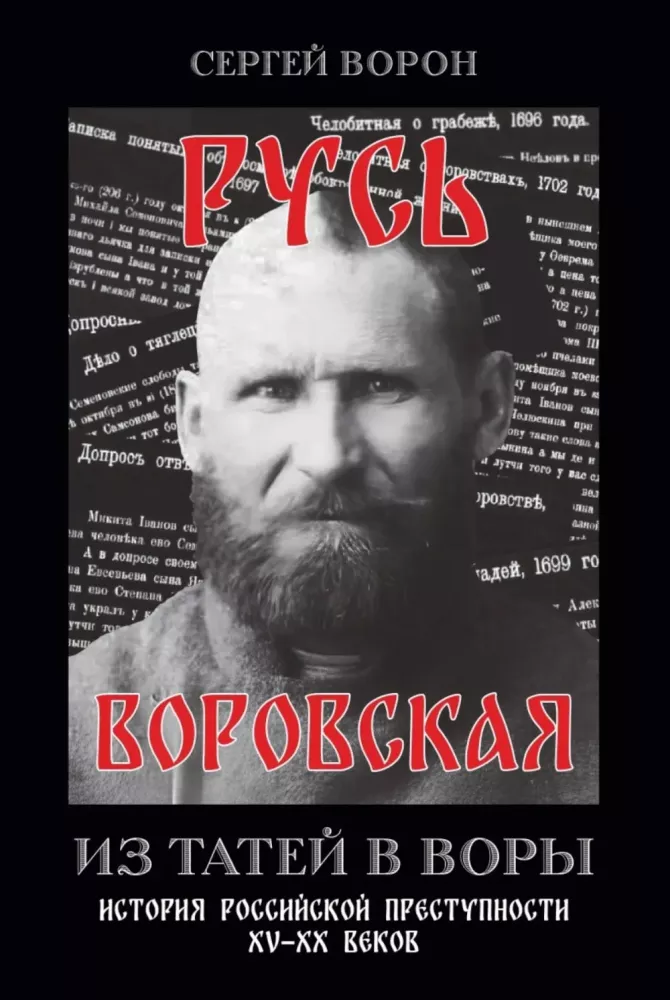
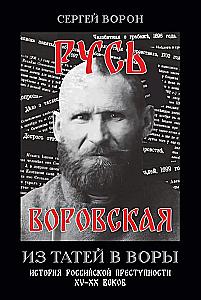
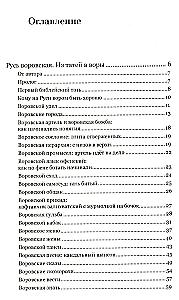
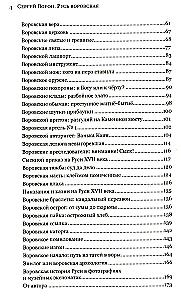
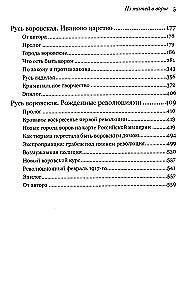
Thief Rus. From Taties to Thieves
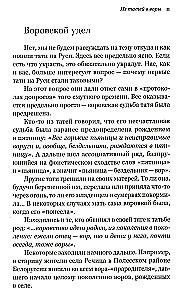
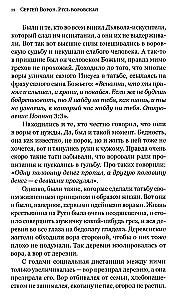
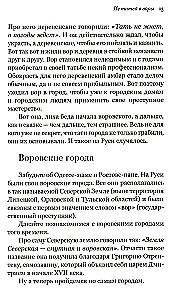
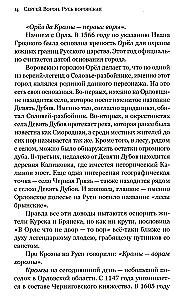
Modern crime is firmly rooted in our society, reflecting in all areas of life: from artistic works — films and books — to daily crime reports and, of course, real events on the streets of our cities. Thief jargon is...
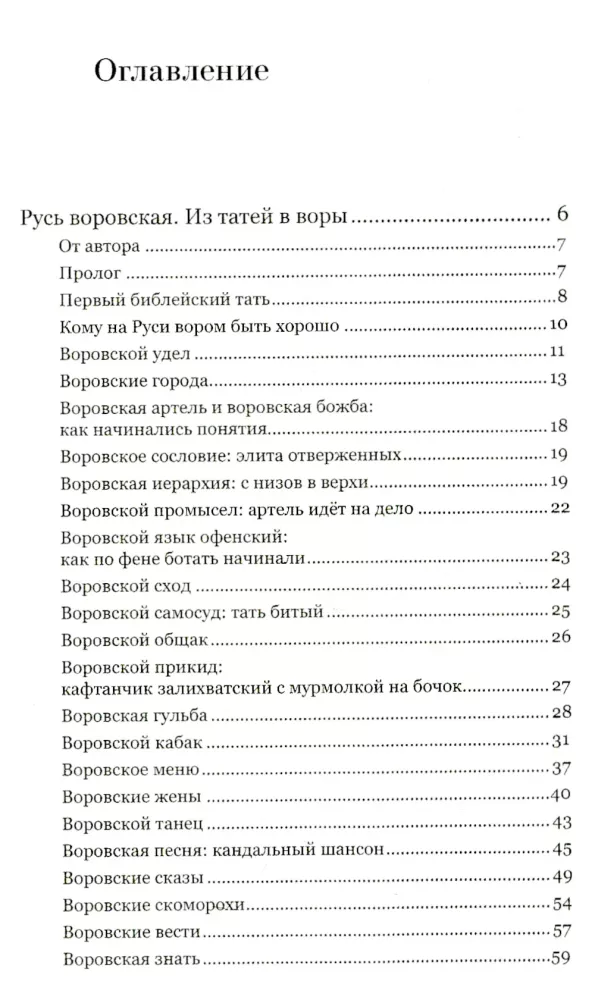
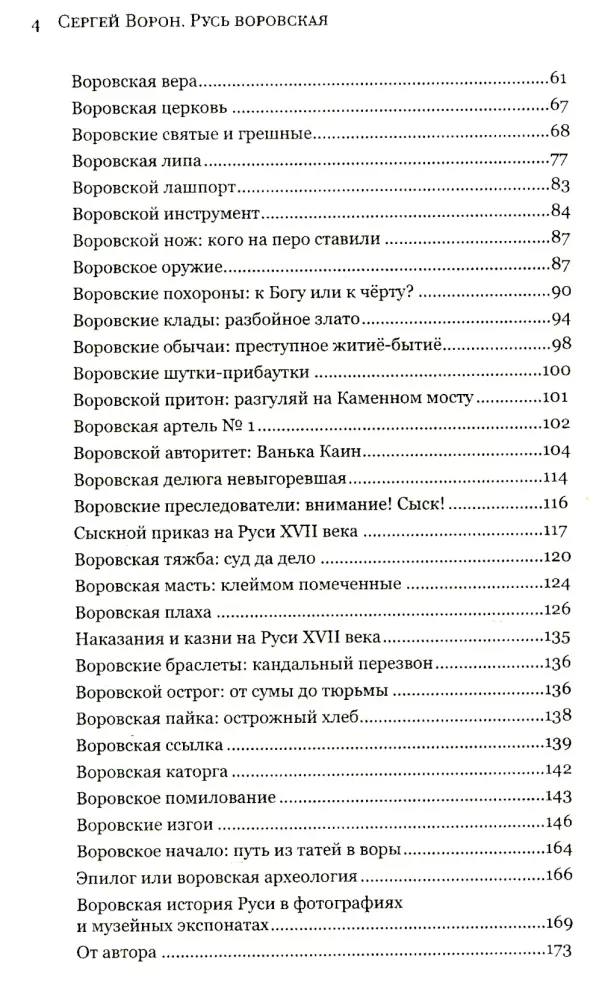
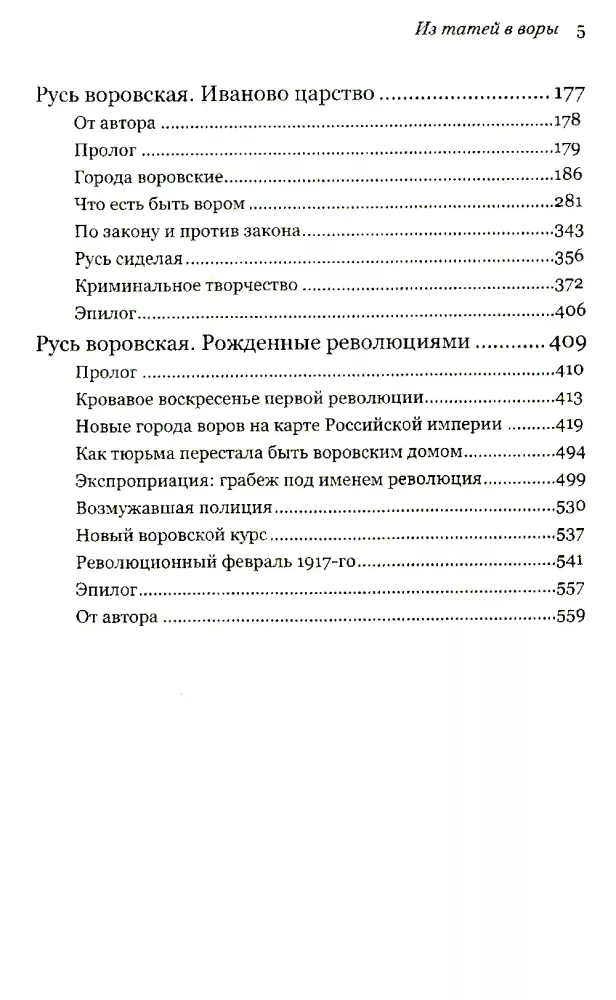
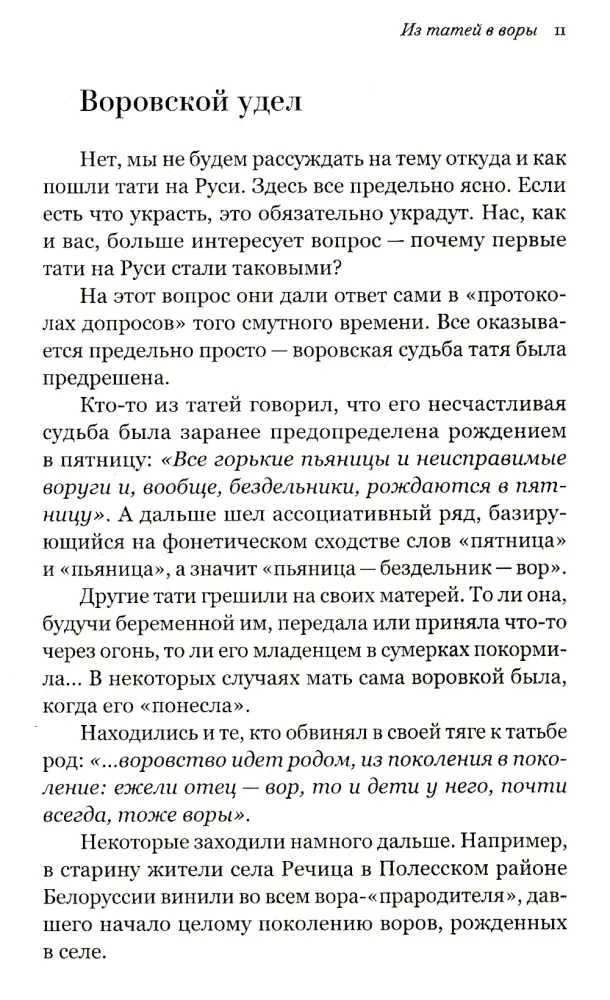
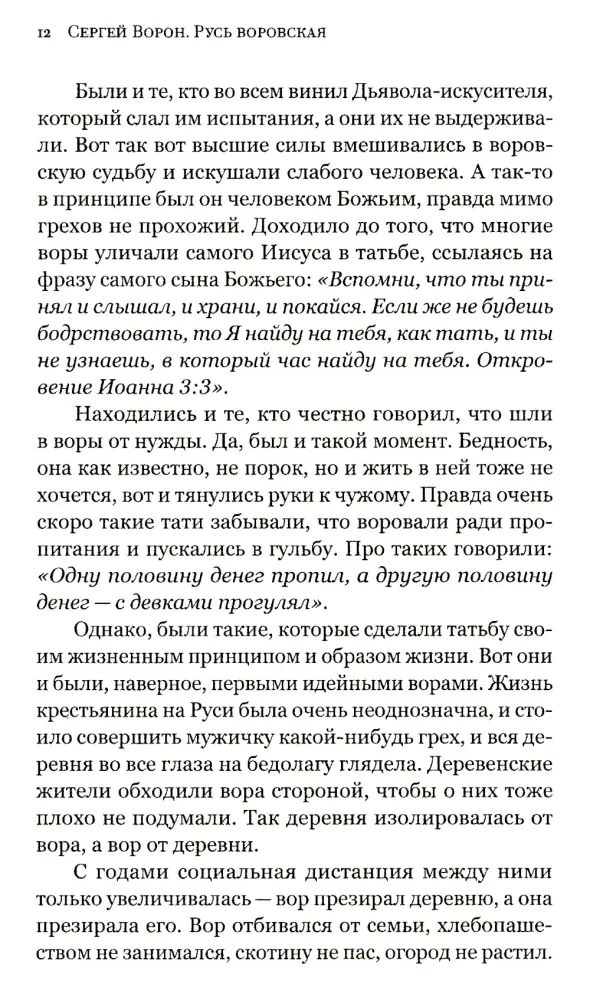
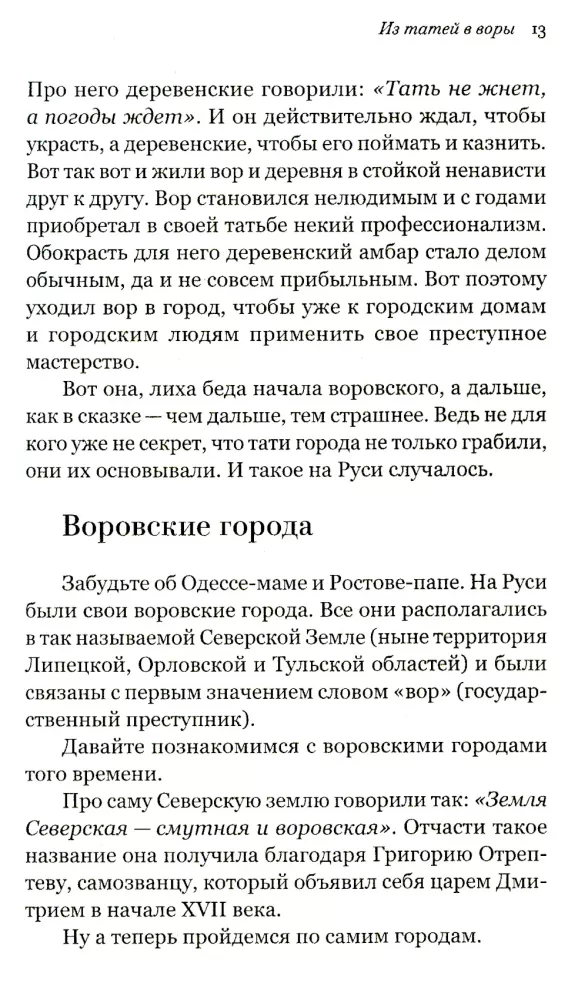
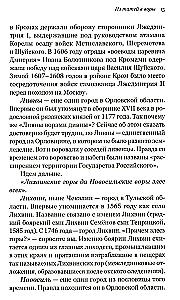
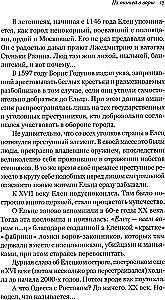
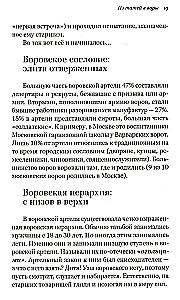
firmly embedded in everyday vocabulary, chanson remains one of the most popular musical genres, and the shadow economy continues to exert significant pressure on legitimate business. But what are the roots of this phenomenon? Who stands behind the history of the modern criminal world, and what traditions, developed over centuries, have led to the current state of affairs? Theft... To take and steal, to appropriate what does not belong to you, secretly, without violence, fully aware of the consequences. What is this? A national tradition? Something that has been formed over years, decades, centuries? Something that has become a national idea of the 'sixth part of the earth called briefly Rus'? All of this is encapsulated in the famous phrase: 'They steal!', which has become a characteristic of a fundamental phenomenon of Russian life and has not lost its relevance to this day. What can be said about 'then', when Rus was quite ancient and was just learning the art of theft? The book by Sergey Voron, dedicated to the history of the criminal world of Rus, the Russian Empire, and Russia, represents a valuable contribution to the study of this topic. The author, having studied a vast number of sources, from chronicles to investigation documents, shows the evolution of thief communities, the changes in their structure and methods of operation over the centuries (from the 15th to the early 20th). The author tells about famous thieves and bandits, their methods and fates, illustrating vibrant human stories against the backdrop of broad historical processes. Thanks to this approach, the book not only lists facts, but paints a vivid and memorable picture of the historical development of crime over the centuries. In this research, it is also important to consider the influence of socio-economic factors such as inequality, unemployment, and corruption, which have contributed to the rise of crime in different historical periods.
Author: Сергей Ворон
Printhouse: KNIZhNYI MIR
Age restrictions: 18+
Year of publication: 2024
ISBN: 9785605298632
Number of pages: 560
Size: 210х130х25 mm
Cover type: hard
Weight: 571 g
ID: 1744365
Sold out
€ 29.09
Sold out
€ 29.09
Bestsellers







€ 13.29
In stock
12 Weeks in a Year. How to Achieve More in 12 Weeks Than Others Do in 12 Months
Майкл Леннингтон, Брайан Моран


€ 7.89
In stock
Choice. On the Freedom and Inner Strength of a Person
Эдит Ева Эгер, Эсме Швалль-Вейганд


€ 14.99
In stock
The Body Remembers Everything: The Role of Psychological Trauma in a Person's Life and Techniques to Overcome It
Бессел ван дер Колк