

Gestalt Therapy: Key Aspects and Techniques
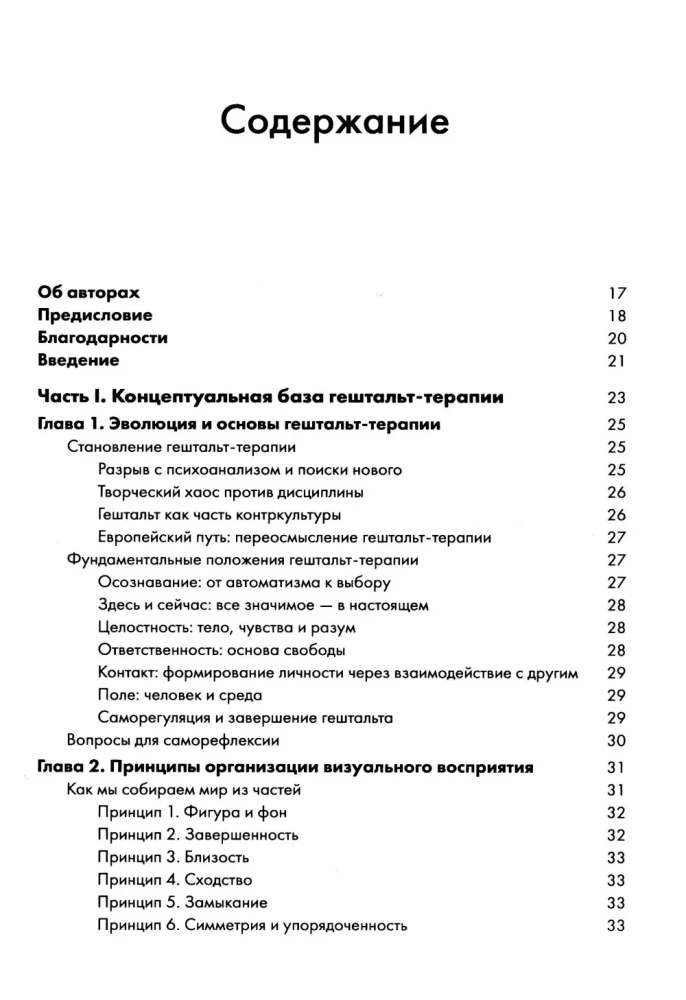
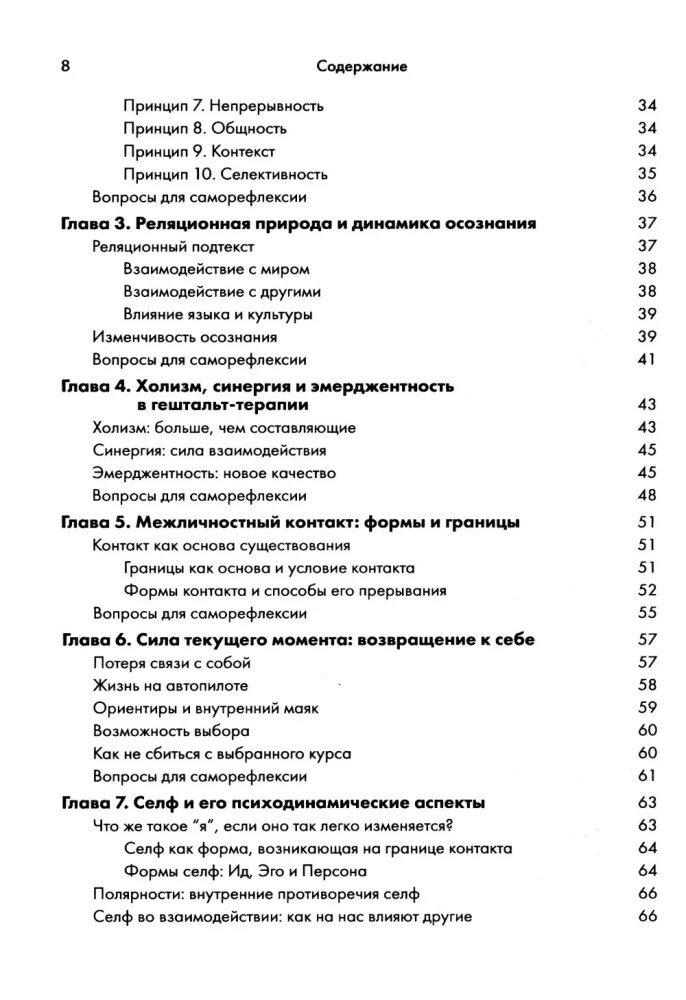
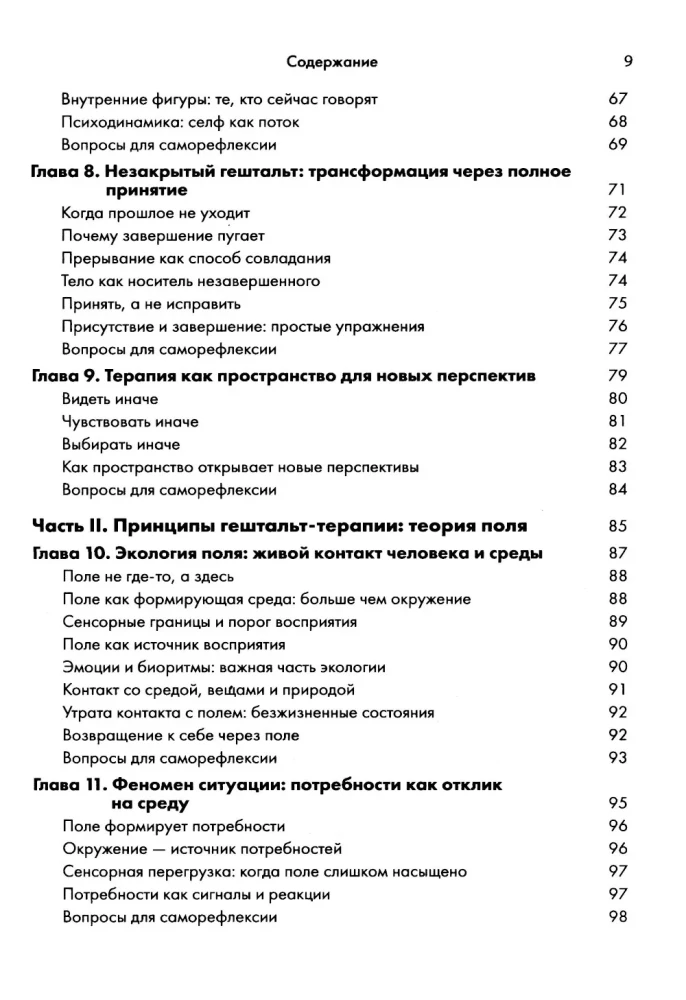
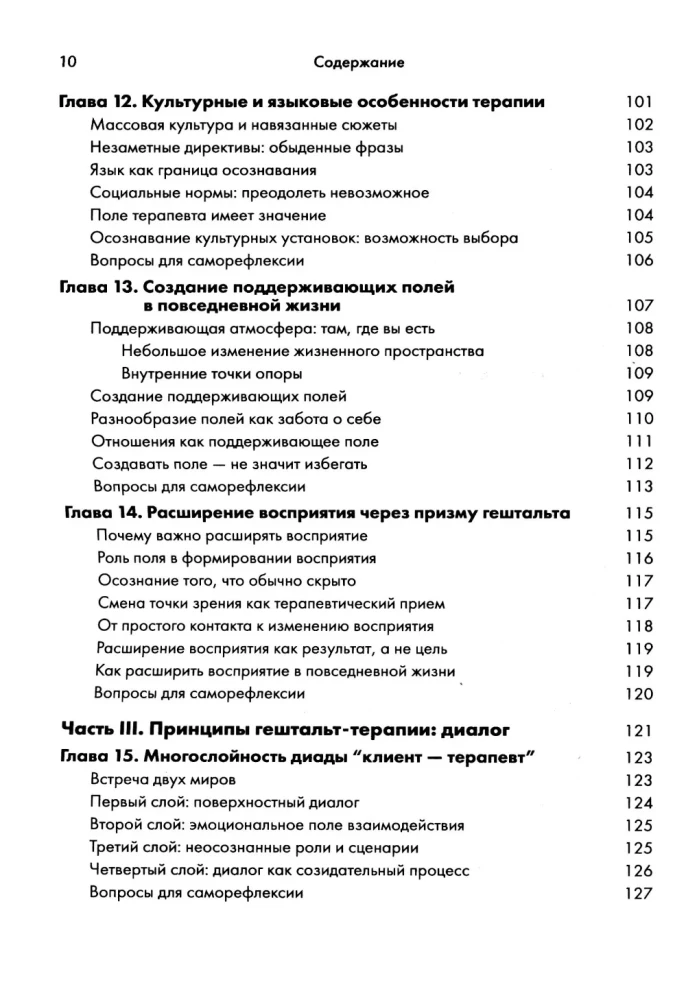
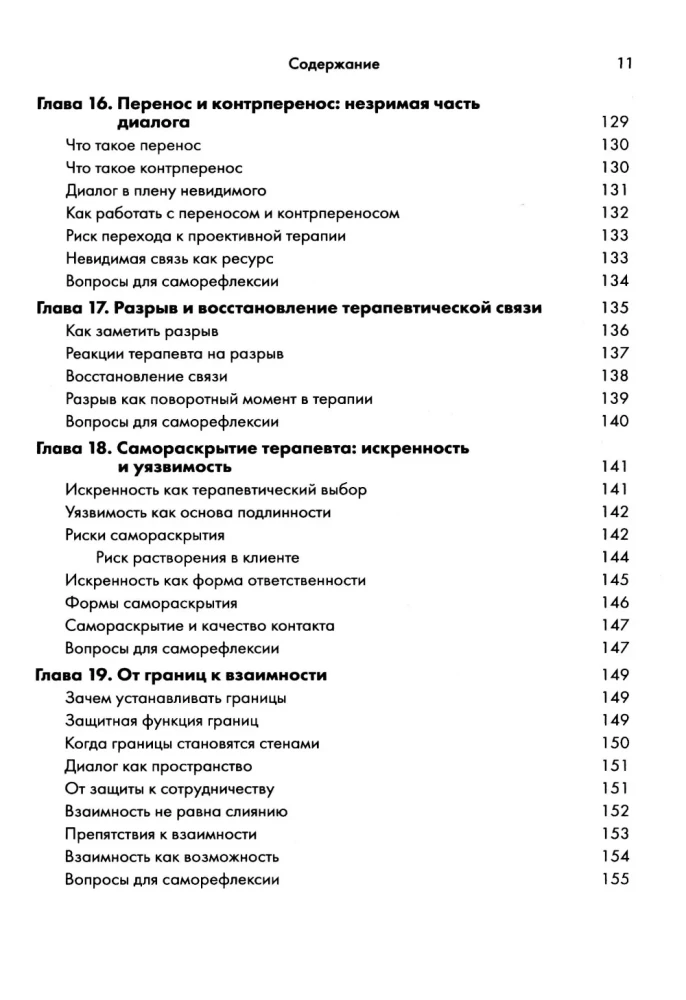
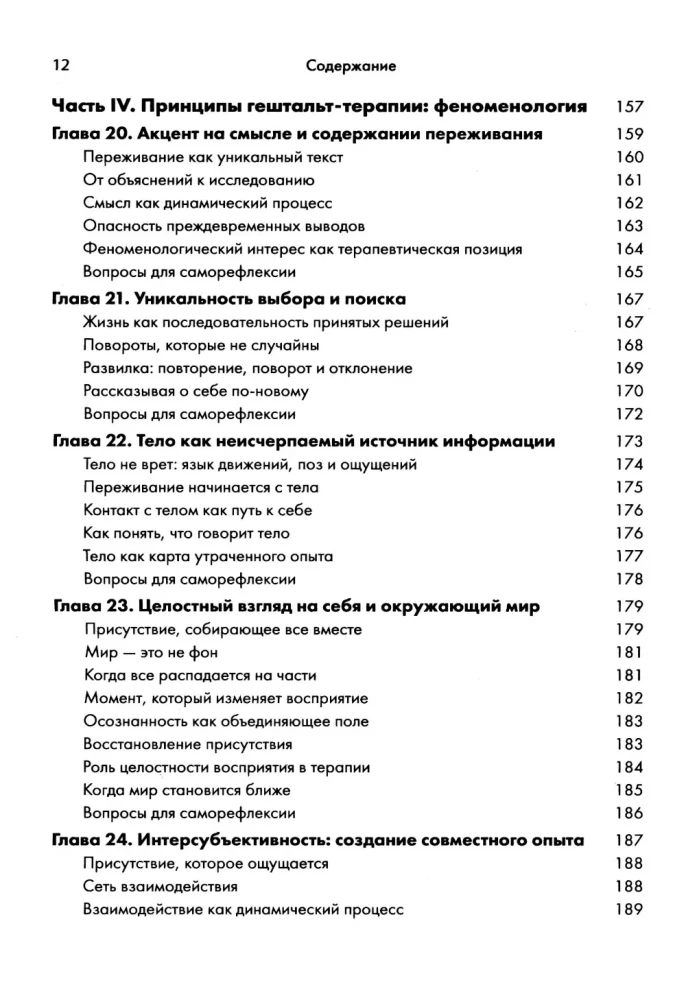
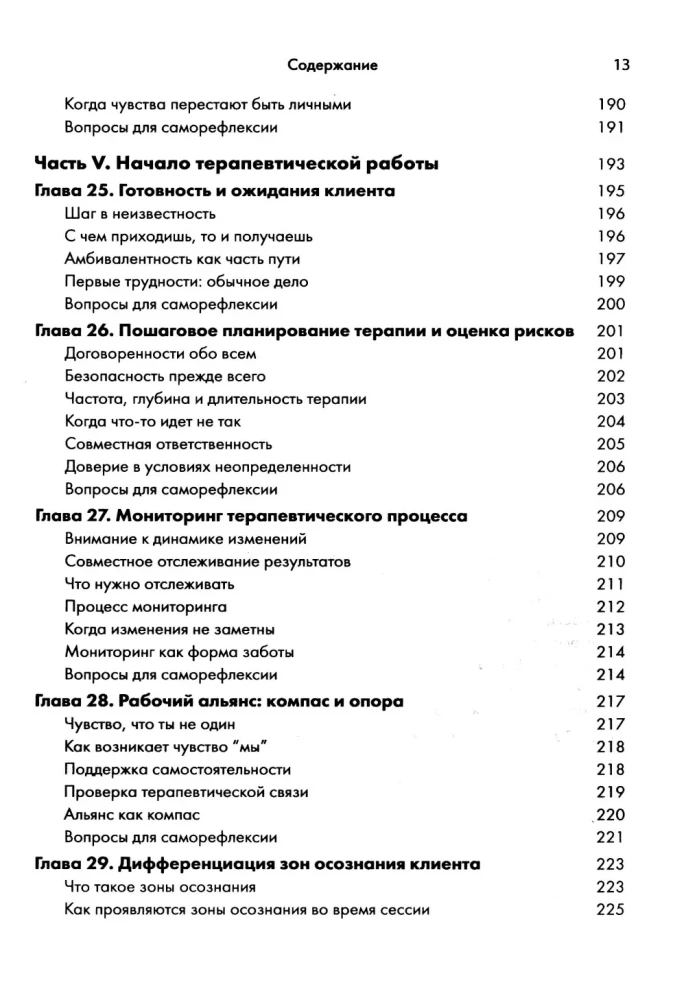
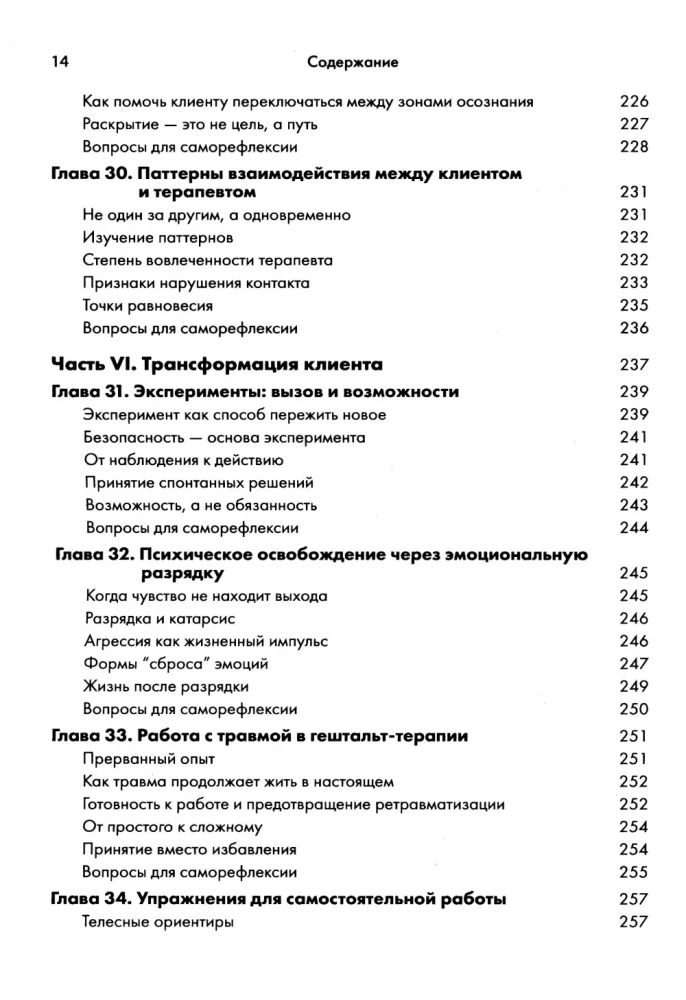
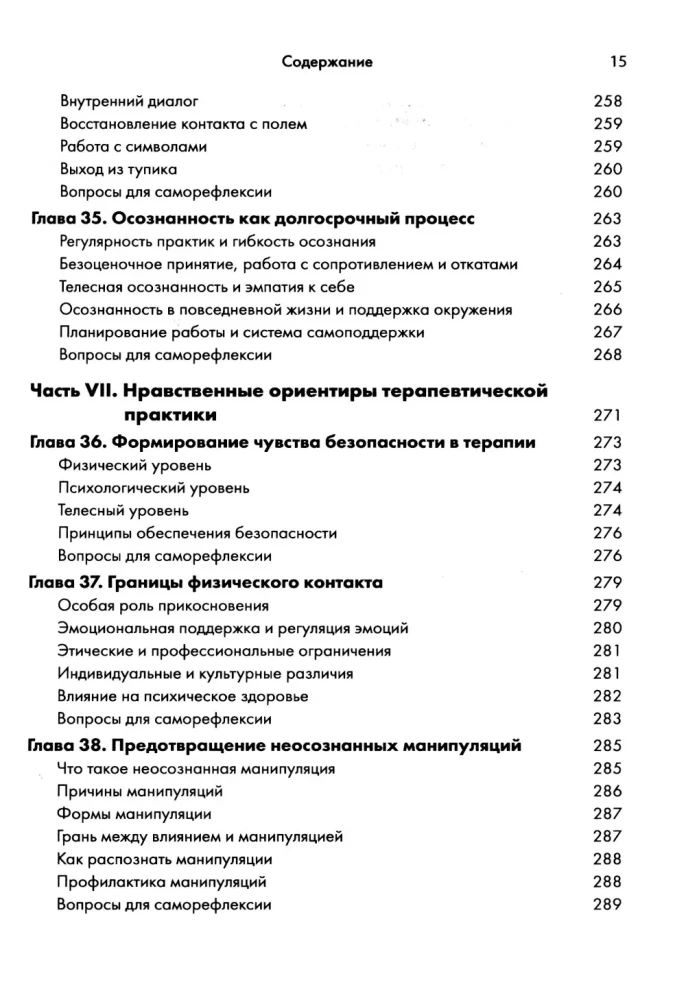
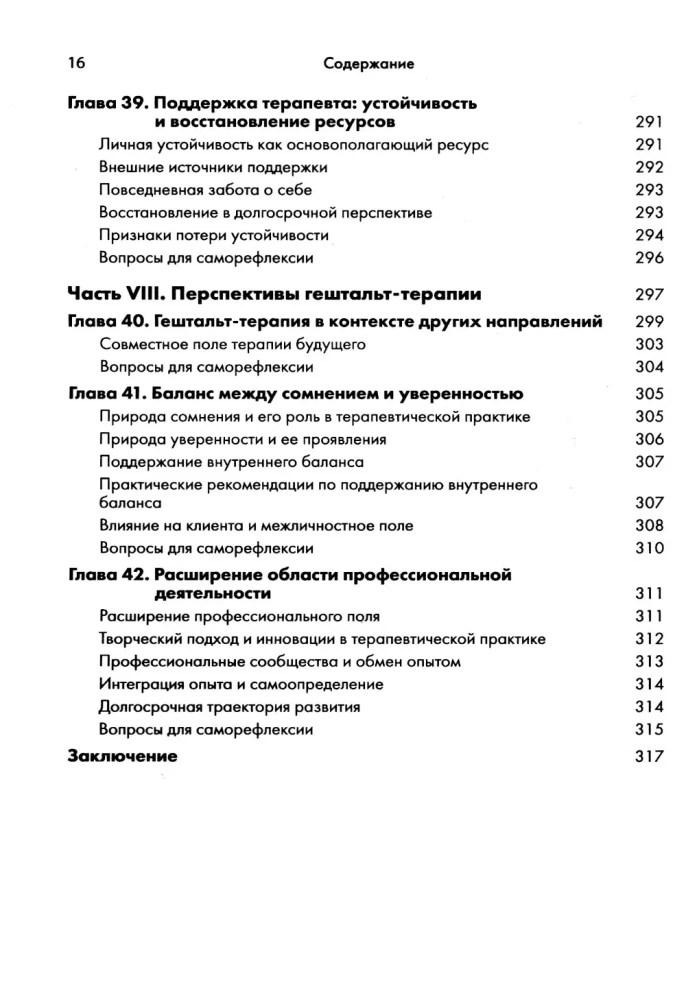
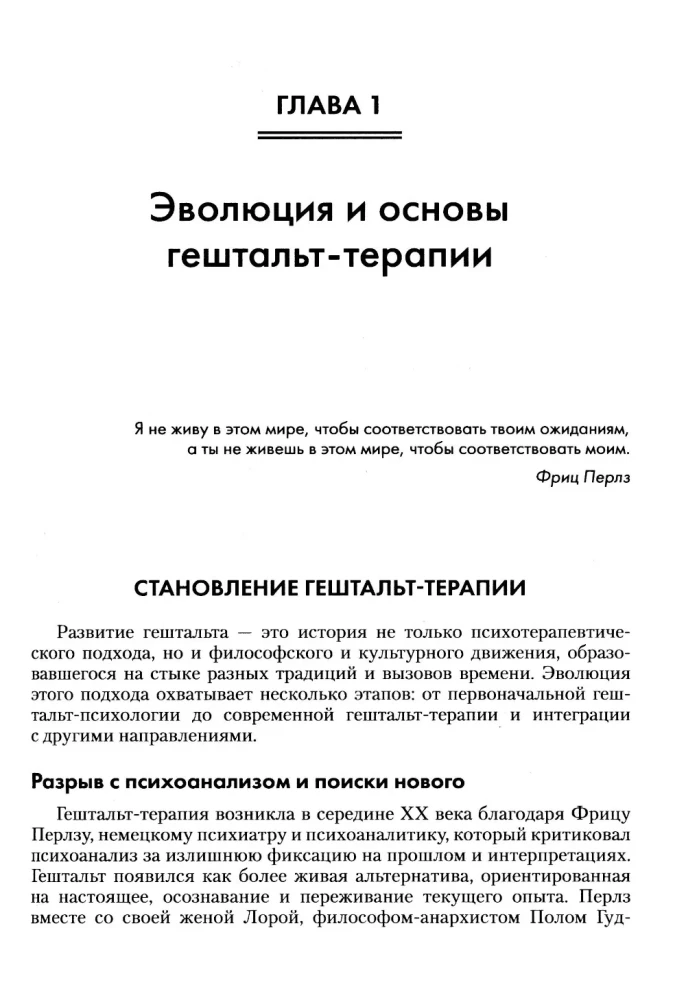
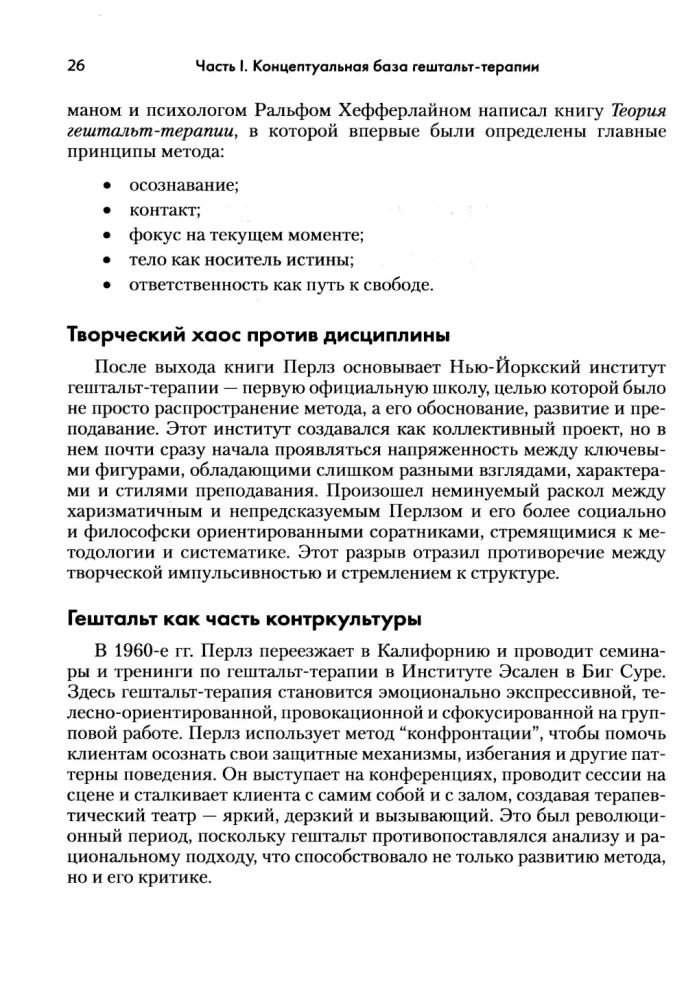
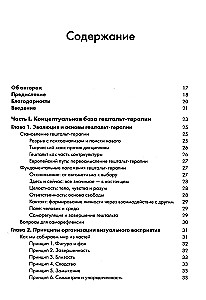
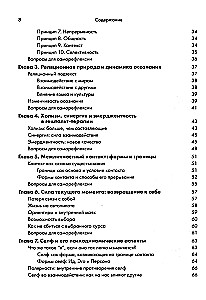
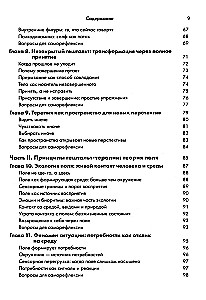
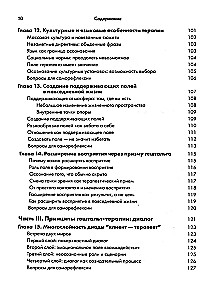
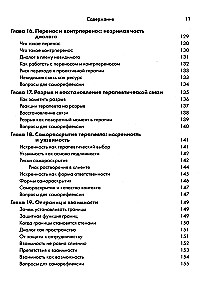
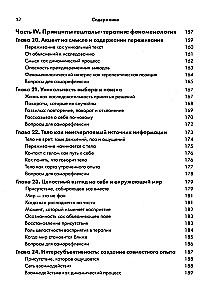
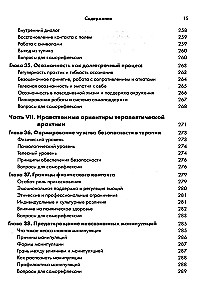
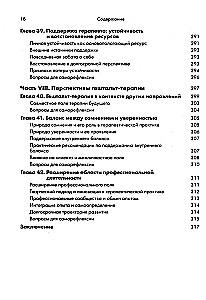
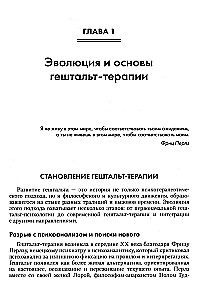
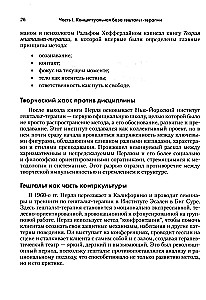
The book describes the history of the gestalt approach, examines classical laws of perception, and reveals the relational and holistic nature of the interaction between "person – environment". It explores topics such as contact boundaries, the relevance of awareness, the...
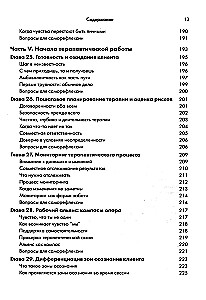
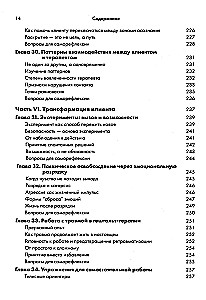
psychodynamics of self, and the importance of fully accepting oneself. Within the gestalt approach, it is emphasized that a person exists within complex systems (personal, social, and cultural), the environment shapes needs and interaction scenarios, and a safe therapeutic atmosphere is crucial for expanding the client's worldview. The authors focus on phenomenological studies of experience, existential approaches, body-oriented diagnostics, and intersubjective creation of new meanings. They also provide practical tools for assessing expectations and risks, step-by-step planning, monitoring the therapeutic process, forming a working alliance, and differentiating zones of awareness. The book details the stages of therapeutic work: from assessing the client's readiness for therapy to its completion. Exercises for self-implementation and self-reflection questions are presented. Special attention is paid to ethical aspects: boundaries, preventing manipulation, supporting the client and the therapist themselves.
Author: Кристин Дауман, Джошуа Деррик
Age restrictions: 16+
Year of publication: 2026
ISBN: 9785907911000
Number of pages: 320
Size: 250х170х15 mm
Cover type: soft
Weight: 413 g
ID: 1742640
In stock
€ 34.49
Will be delivered to United States on 29 September (Tu):
By courier
from € 38.94
Bestsellers




€ 13.29
In stock
12 Weeks in a Year. How to Achieve More in 12 Weeks Than Others Do in 12 Months
Майкл Леннингтон, Брайан Моран


€ 7.89
In stock
Choice. On the Freedom and Inner Strength of a Person
Эдит Ева Эгер, Эсме Швалль-Вейганд



€ 6.99
In stock



€ 5.29
In stock




€ 11.59
In stock
We Are Right for Each Other: How Attachment Theory Can Help Create Harmonious Relationships
Амир Левин, Рэйчел Хеллер