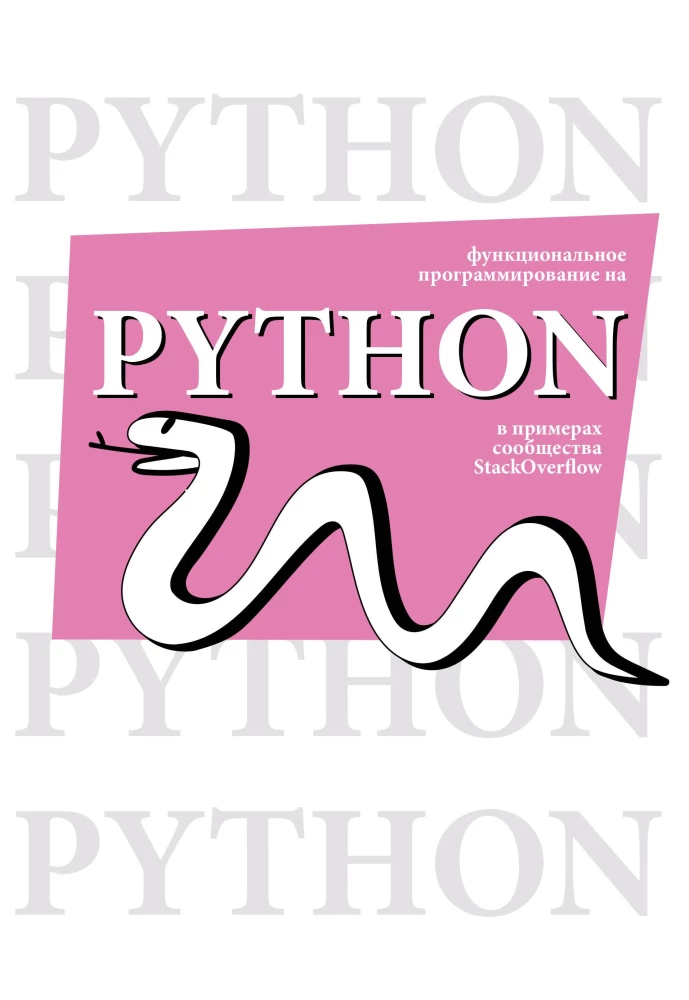
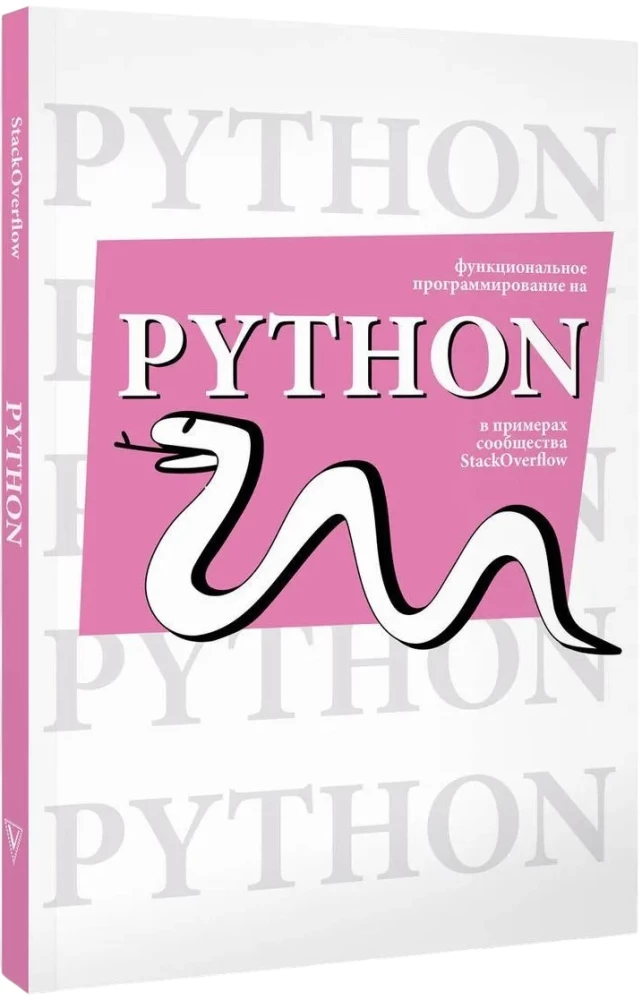
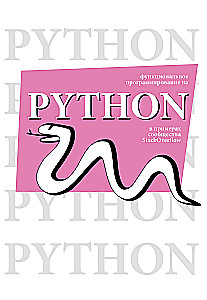
Functional Programming in Python
Printhouse: AST
Series: Programming. Offer for a Million
Age restrictions: 16+
Year of publication: 2026
ISBN: 9785171786304
Number of pages: 128
Size: 240х165х7 mm
Cover type: soft
Weight: 217 g
ID: 1731656
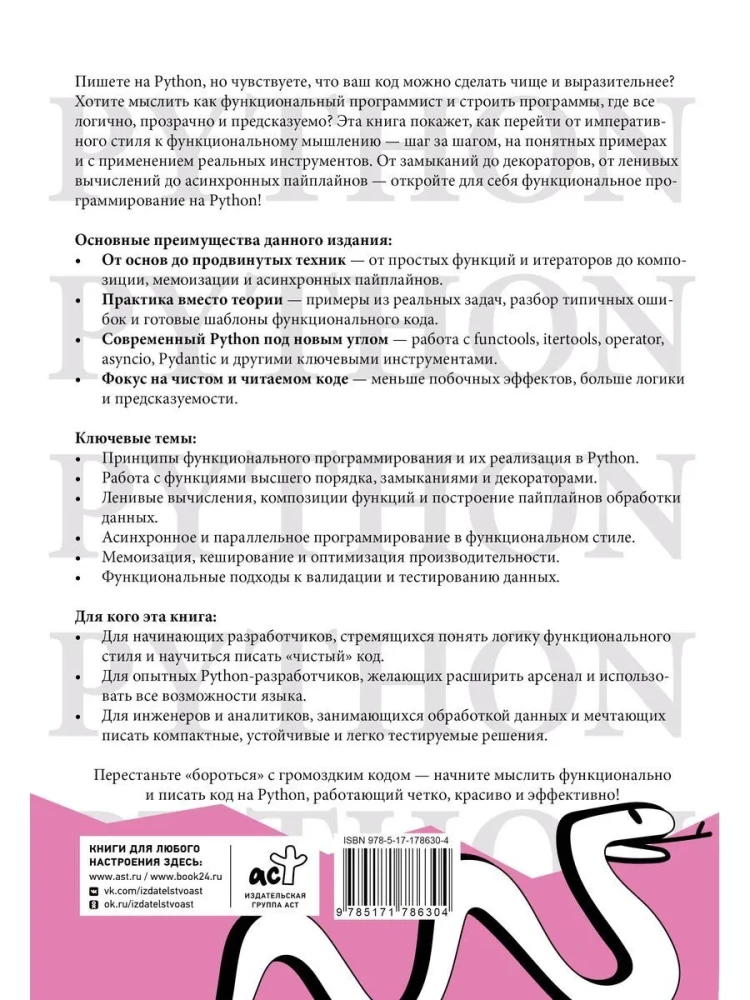
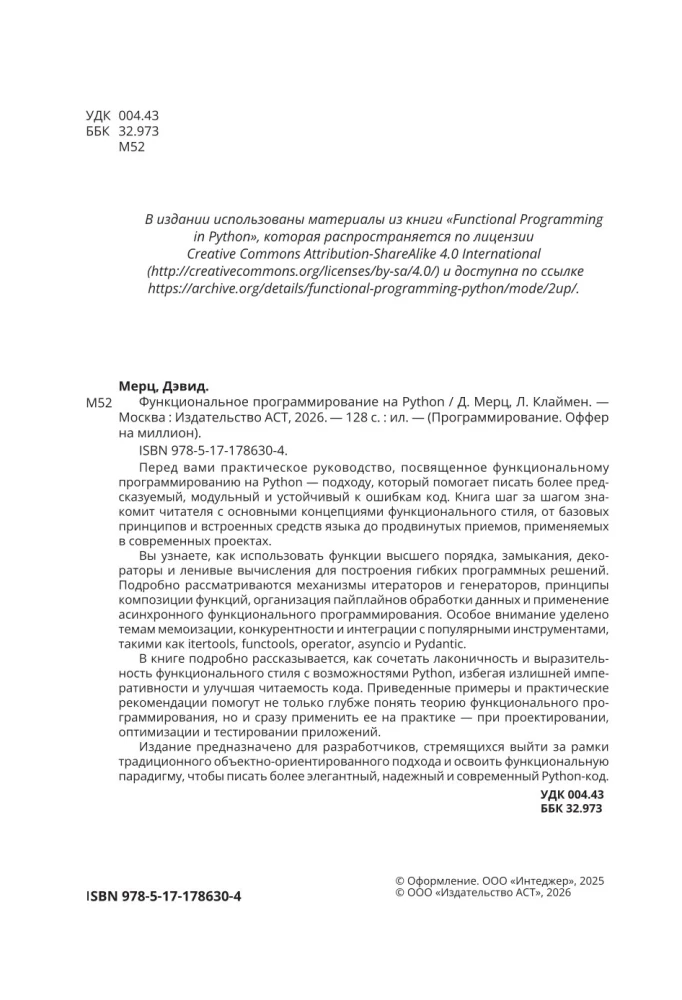
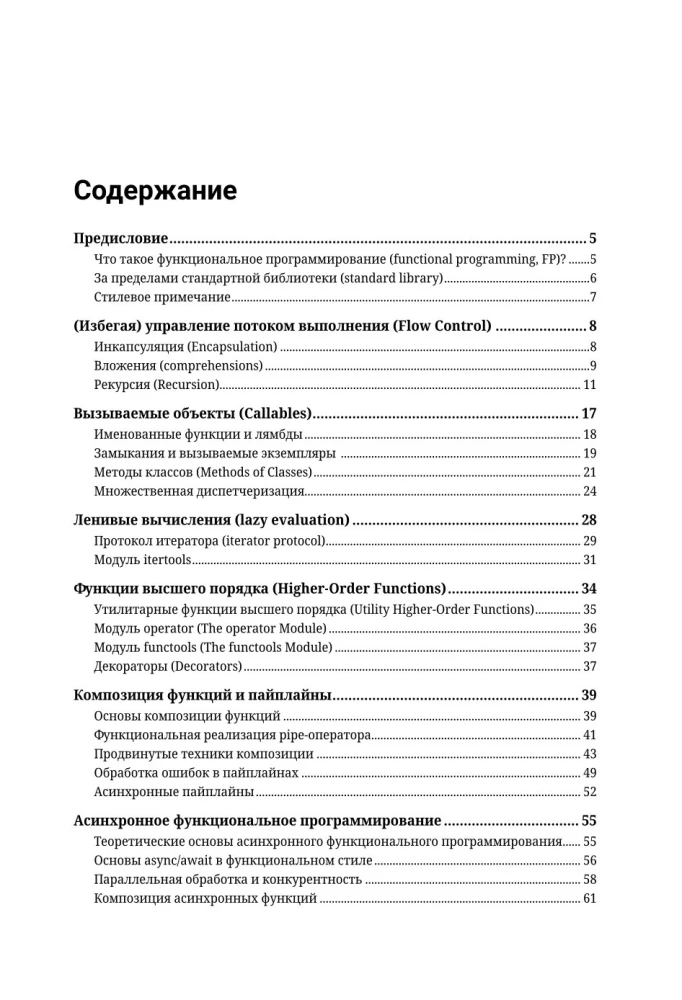
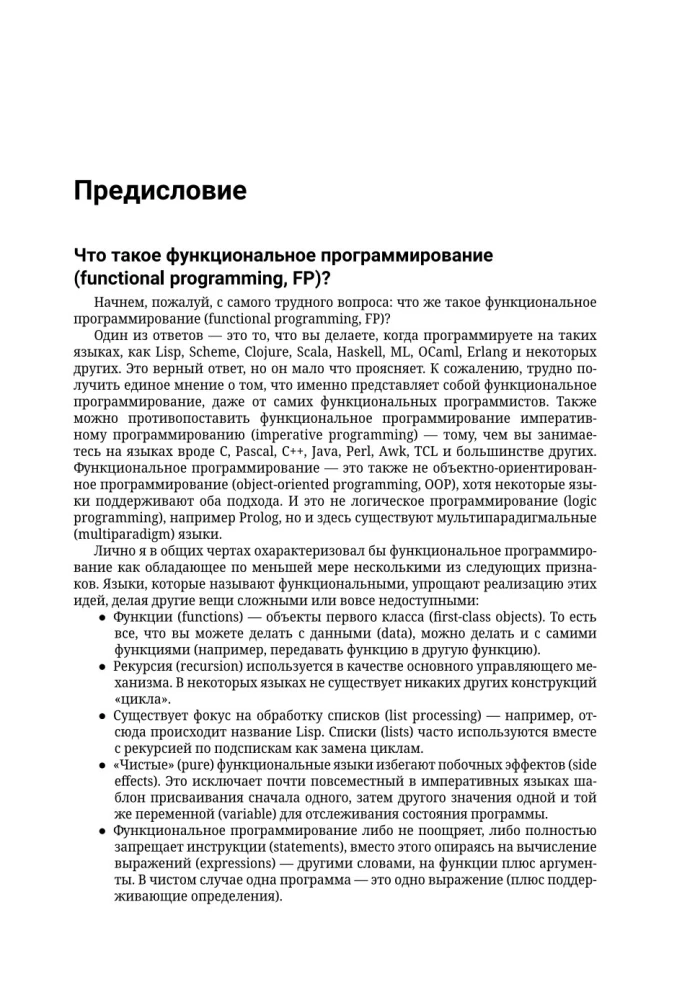
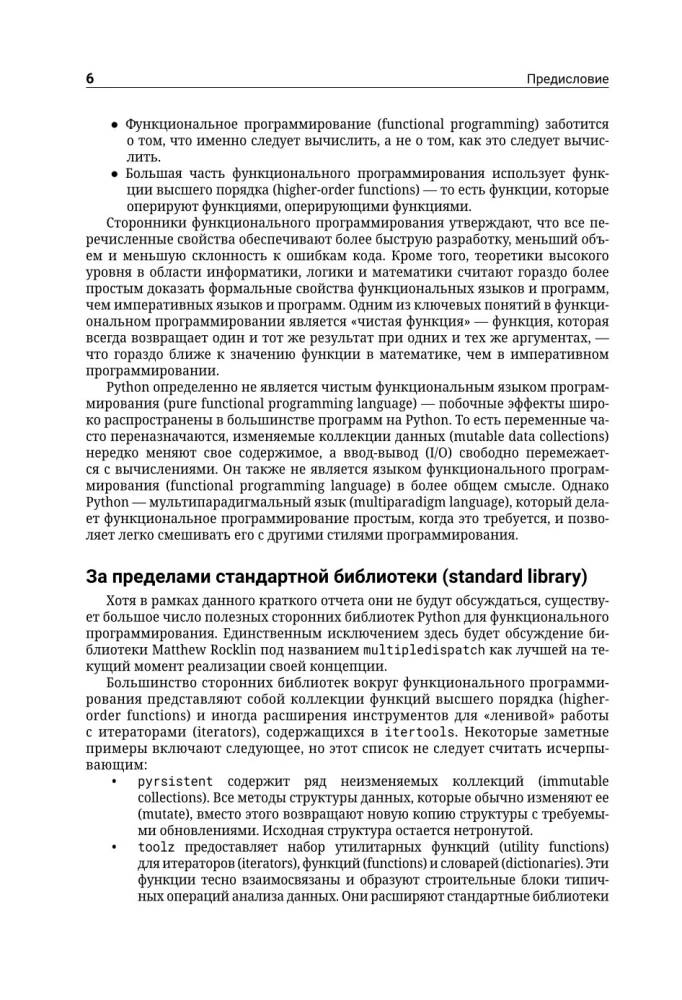
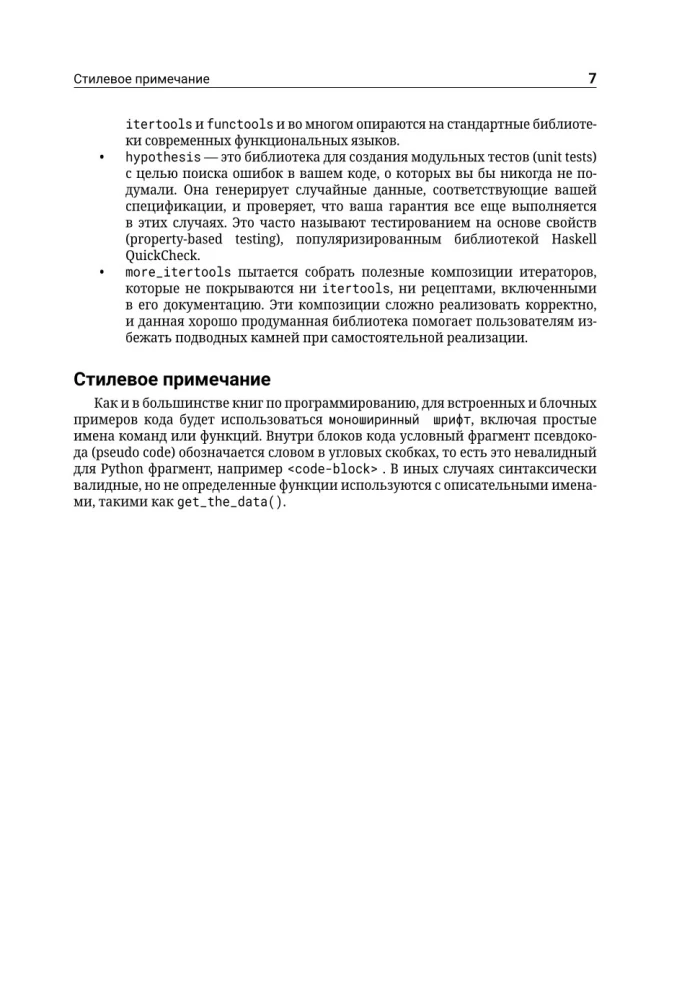
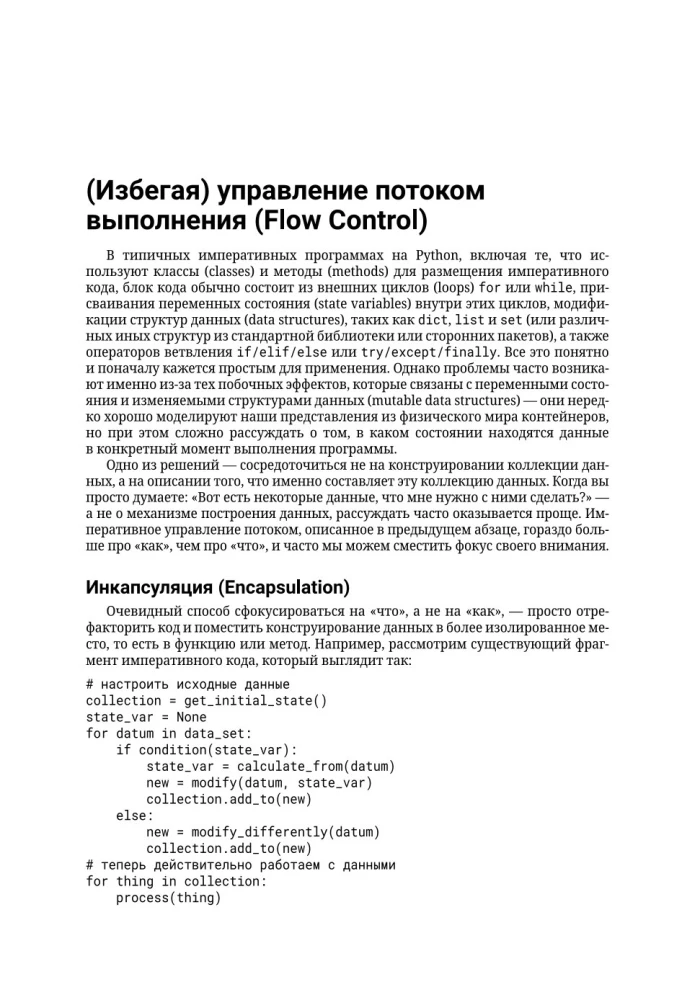
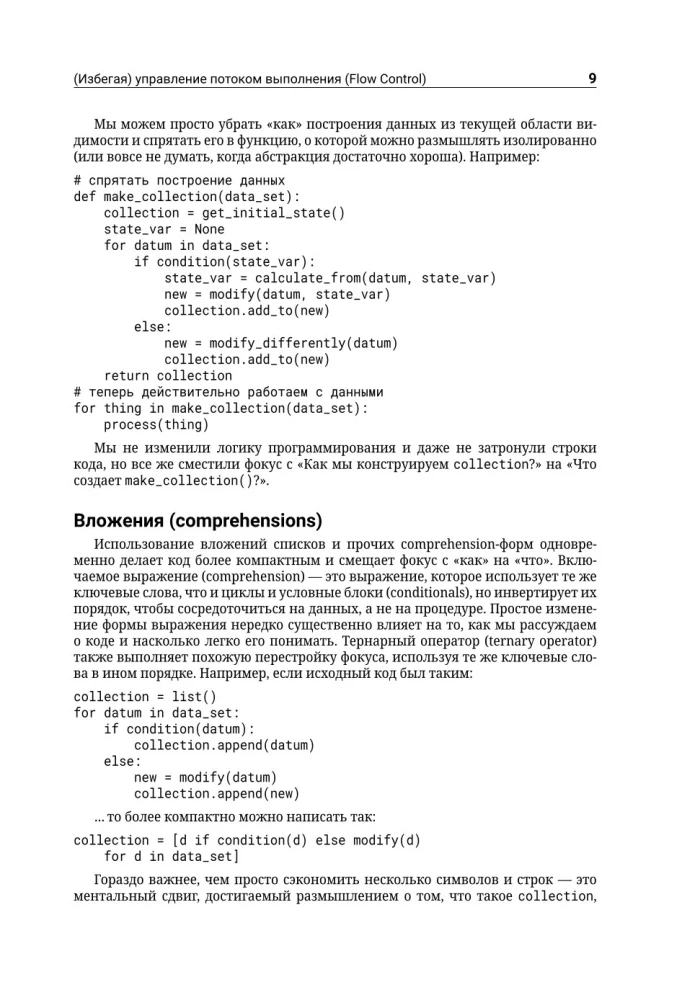
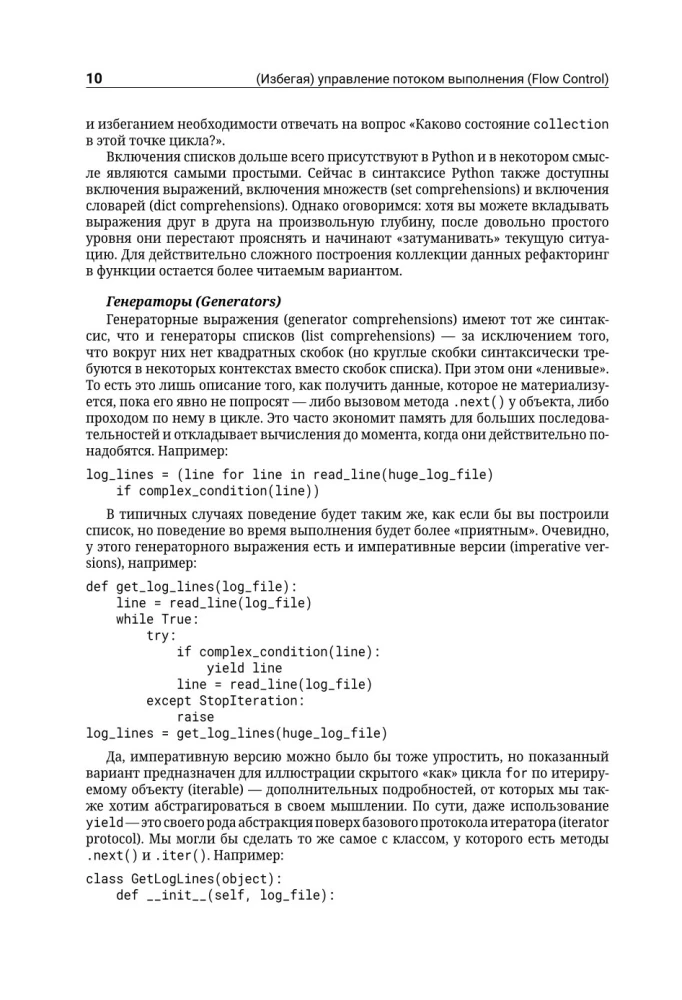
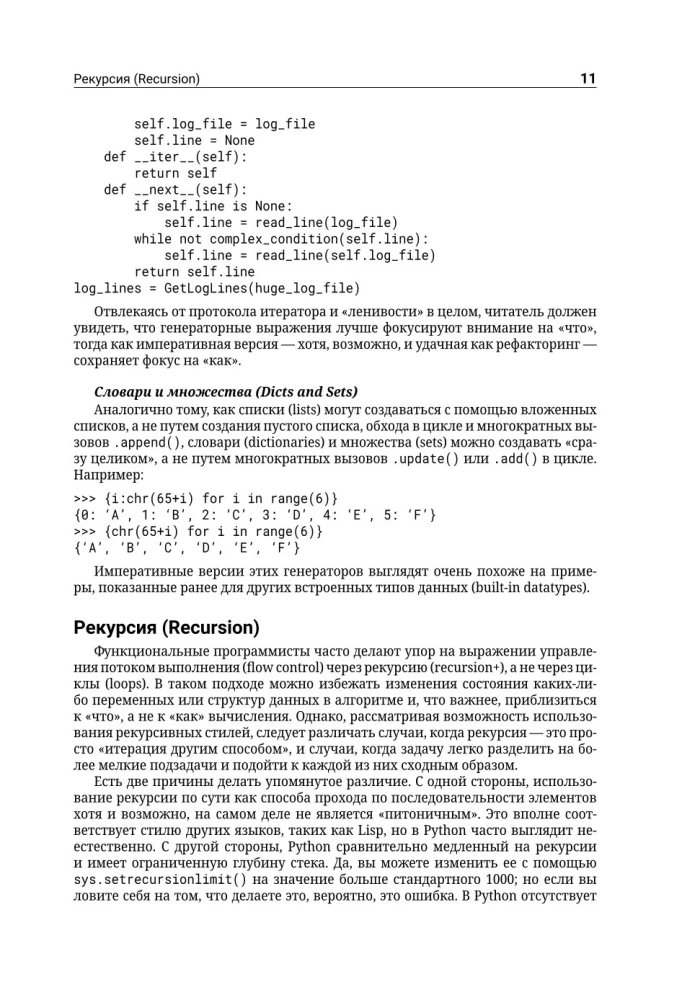
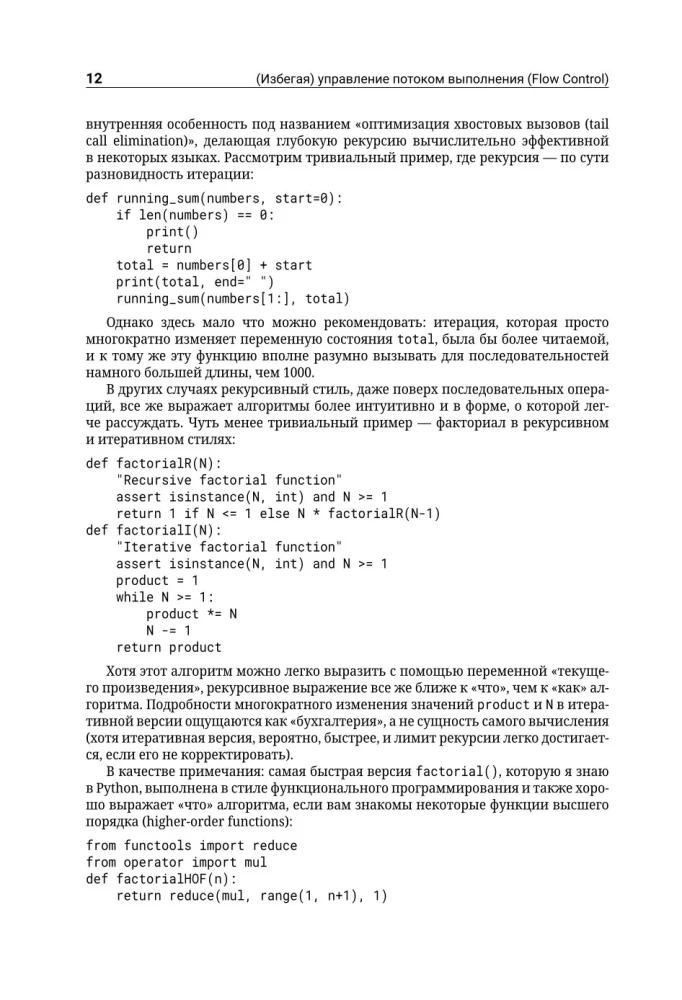
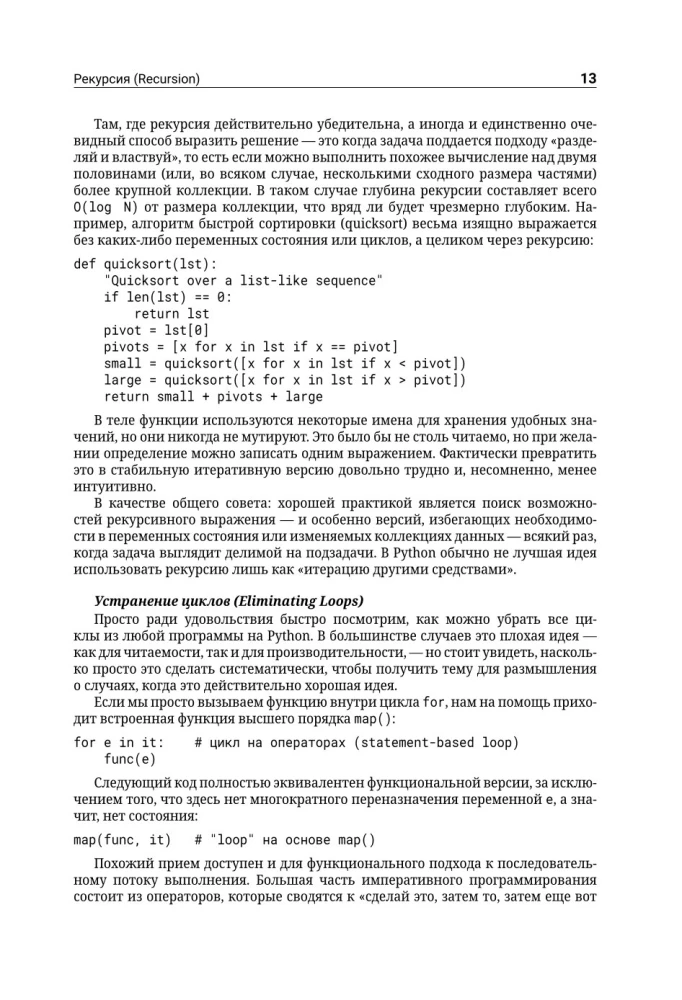
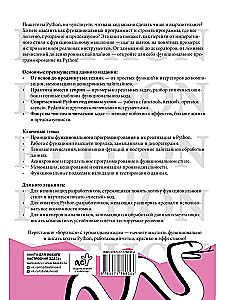
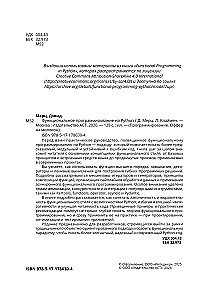
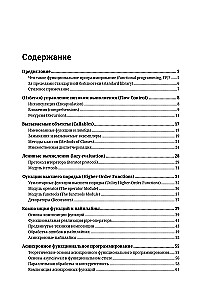
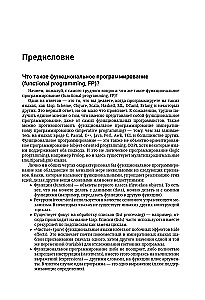
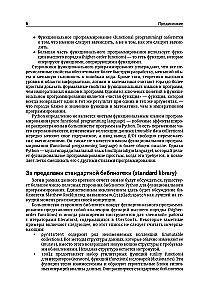
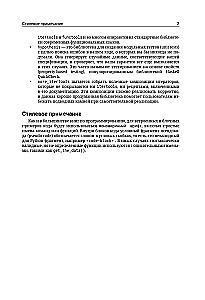
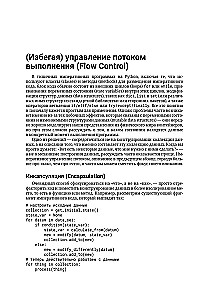
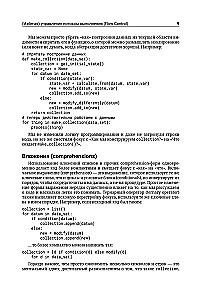
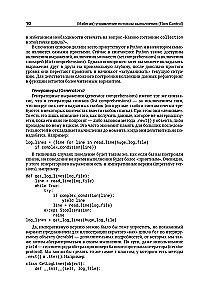
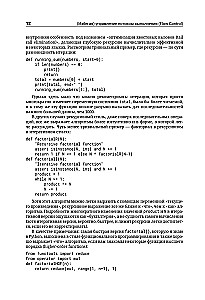
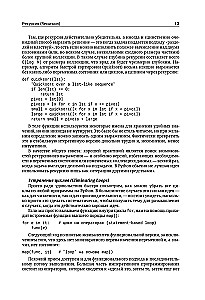
You have before you a practical guide dedicated to functional programming in Python — an approach that helps write more predictable, modular, and error-resistant code. The book introduces the reader step by step to the main concepts of functional style, from basic principles and built-in language features to advanced techniques used in modern projects. You will learn how to use higher-order functions, closures, decorators, and lazy evaluation to build flexible software solutions.
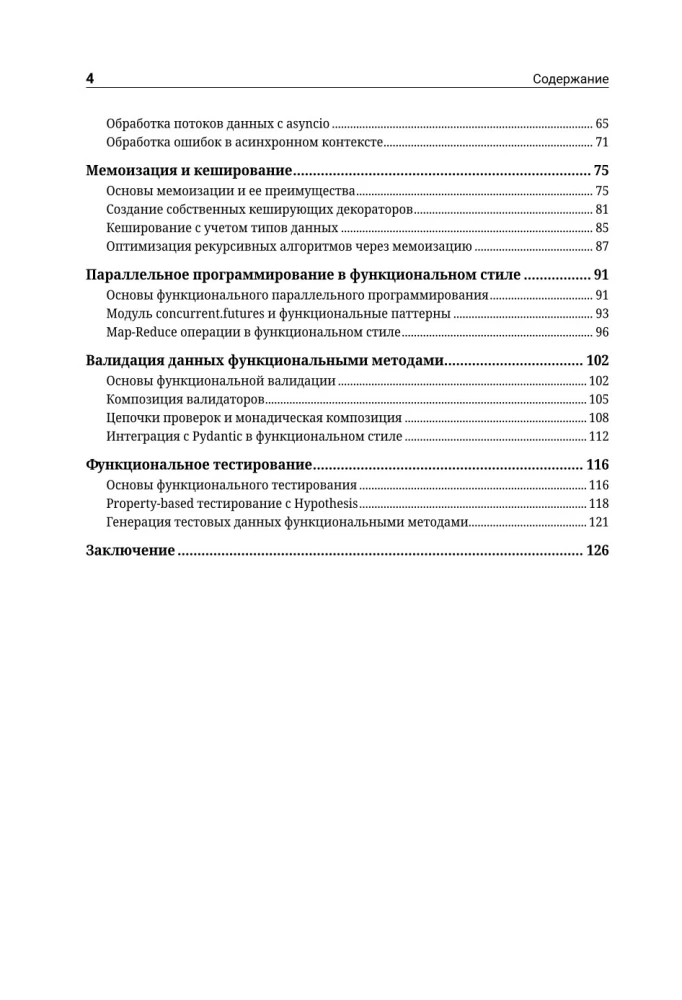
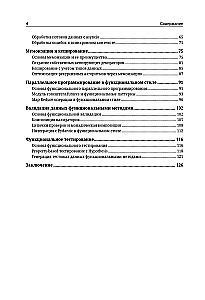
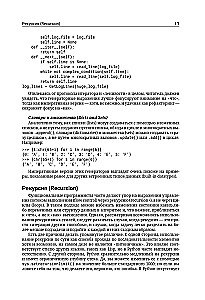
The mechanisms of iterators and generators, the principles of function composition, data processing pipeline organization, and the application of asynchronous functional programming are discussed in detail. Special attention is paid to topics such as memoization, concurrency, and integration with popular tools such as itertools, functools, operator, asyncio, and Pydantic.
The book details how to combine the conciseness and expressiveness of functional style with the capabilities of Python, avoiding excessive imperativeness and improving code readability.
The examples and practical recommendations provided will help not only to gain a deeper understanding of the theory of functional programming but also to apply it in practice — when designing, optimizing, and testing applications. The publication is intended for developers looking to go beyond the traditional object-oriented approach and master the functional paradigm to write more elegant, reliable, and modern Python code.
Bestsellers














![[НЕ]ВЕРНОСТЬ. Что делать, когда не знаешь, что делать](https://static.mnogoknig.com/media/372416/a9a59434-4a89-40ec-835d-0286347946cb.gif)