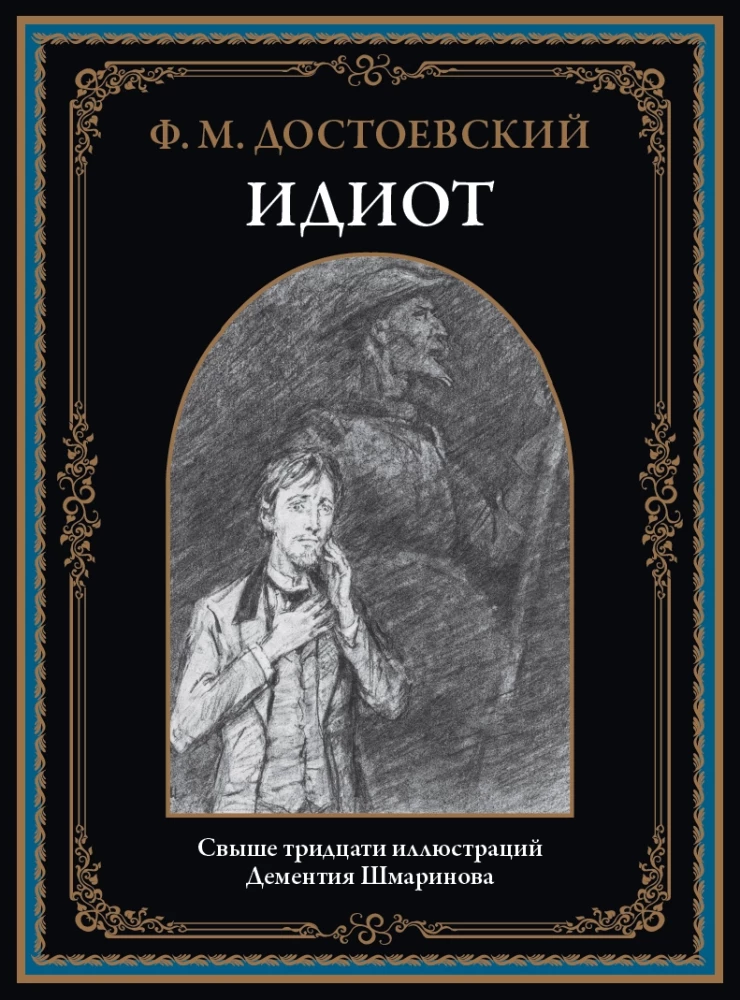
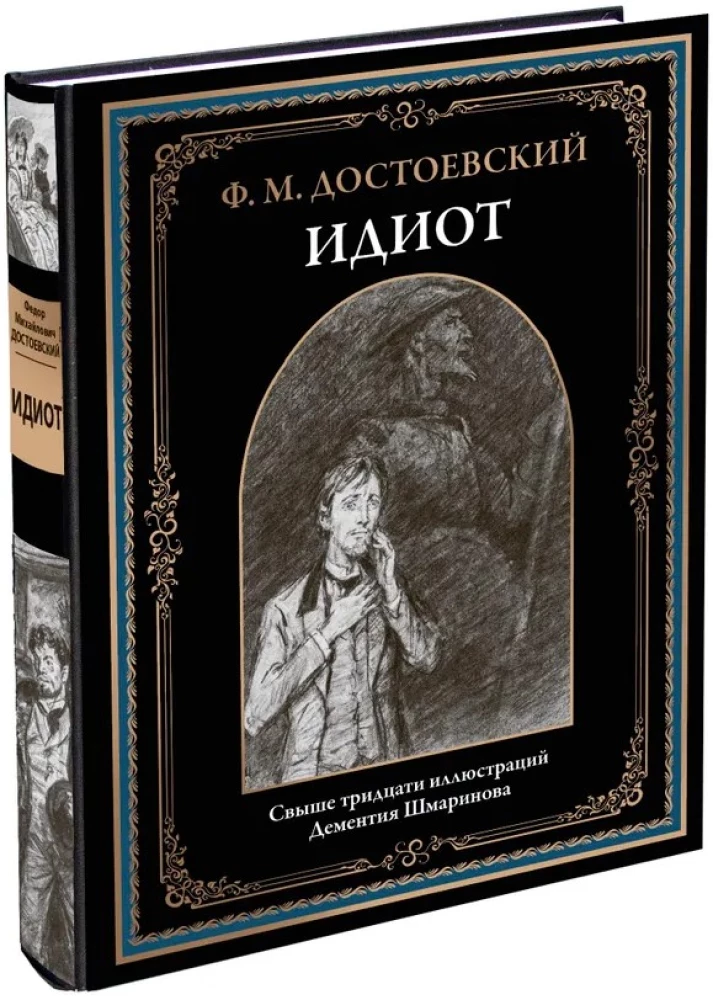
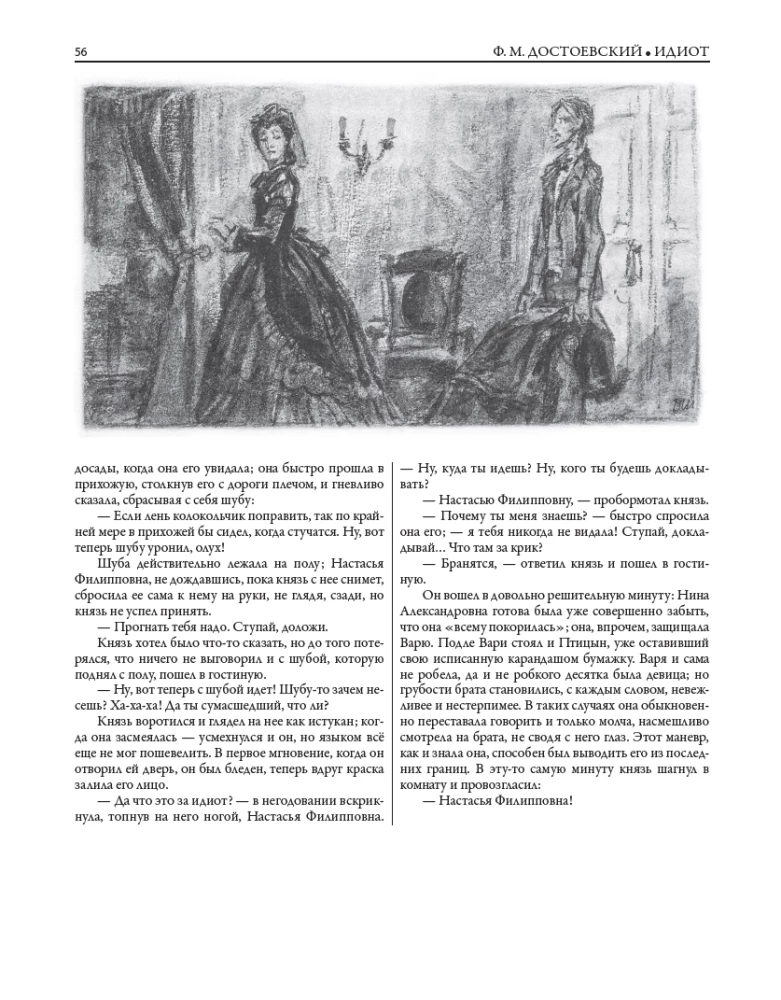
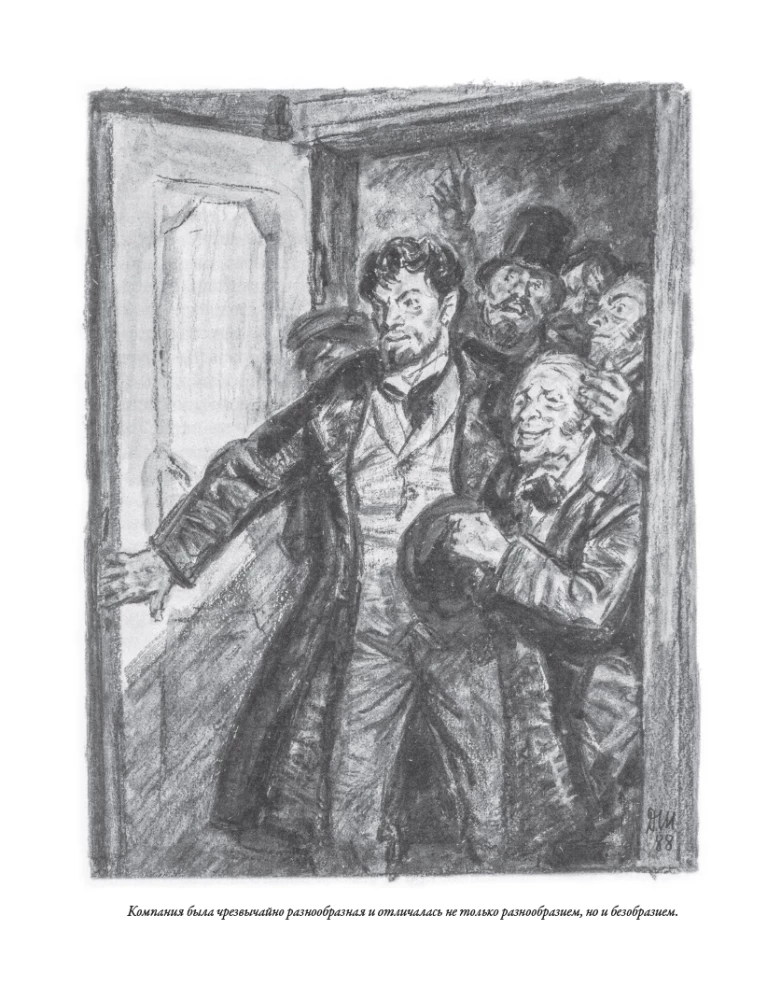
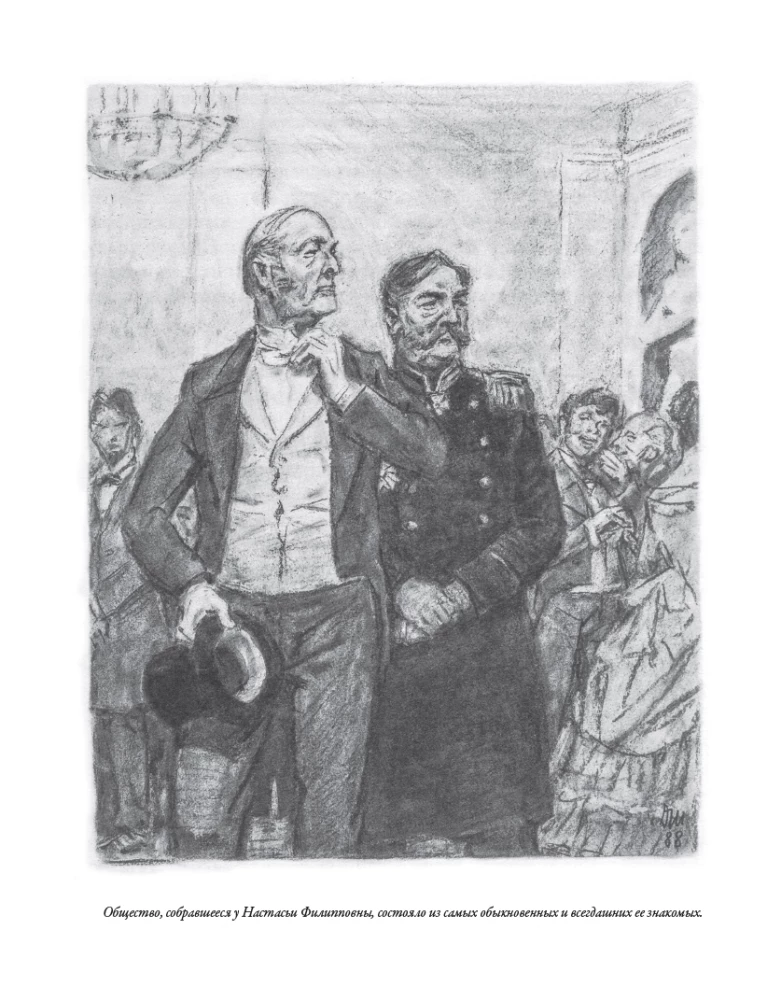
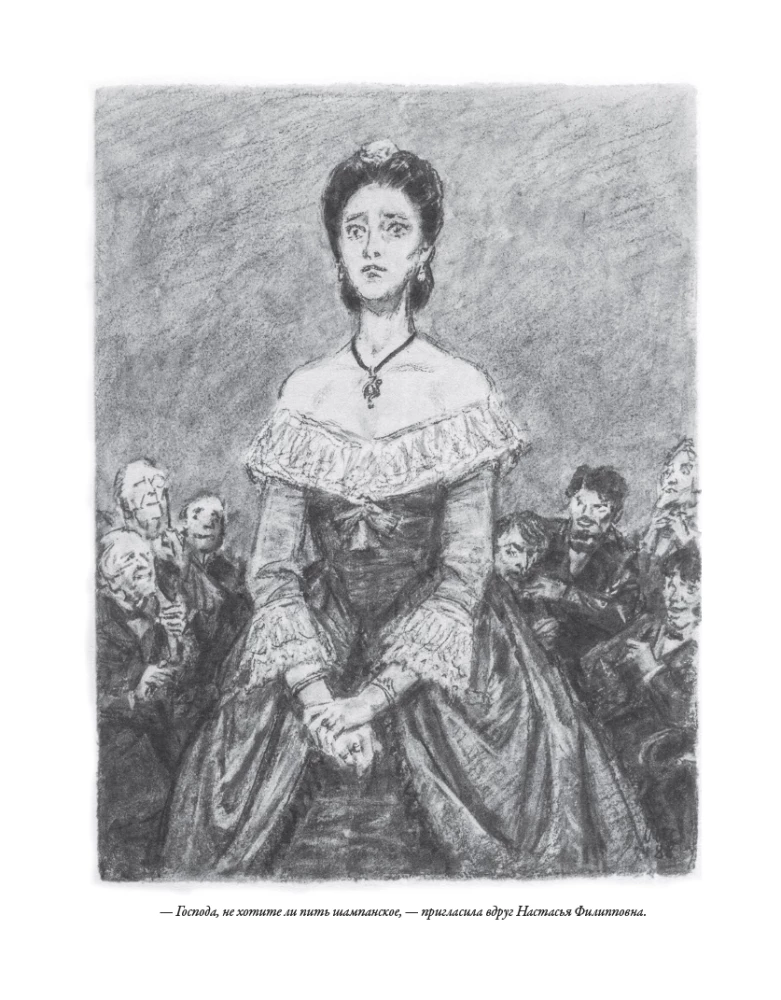
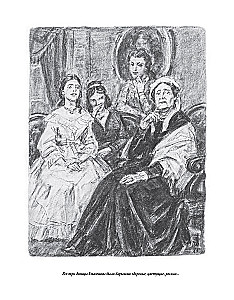
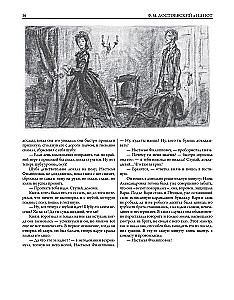
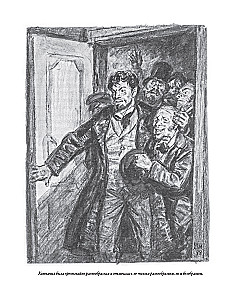
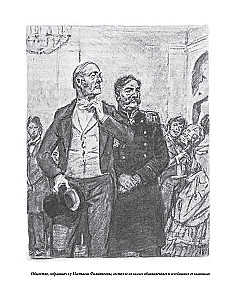
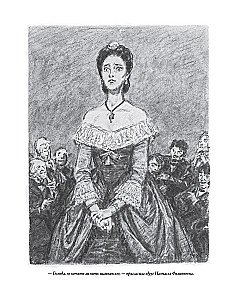
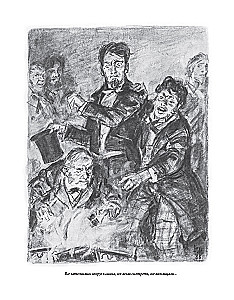
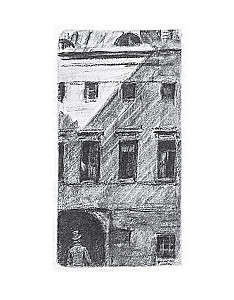
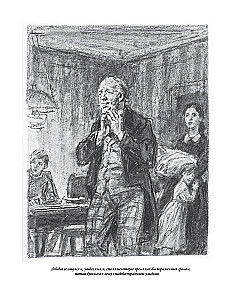
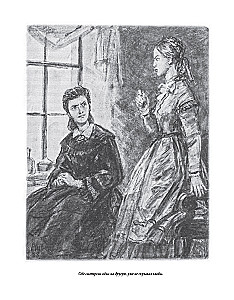
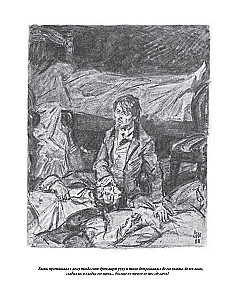
The Idiot (with illustrations by Dementiy Shmarinov)
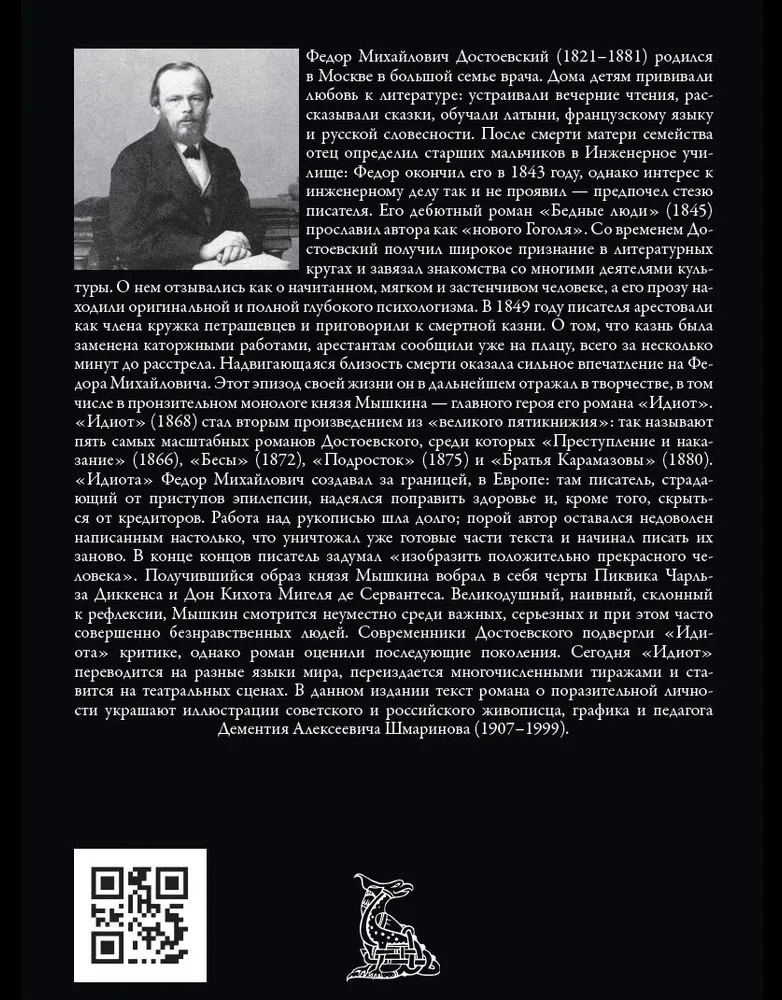
"The Idiot" (1868) became the second work in the "great five-book saga": this term refers to five of Dostoevsky's most significant novels, among which are "Crime and Punishment" (1866), "The Possessed" (1872), "The Adolescent" (1875), and "The Brothers Karamazov" (1880)....
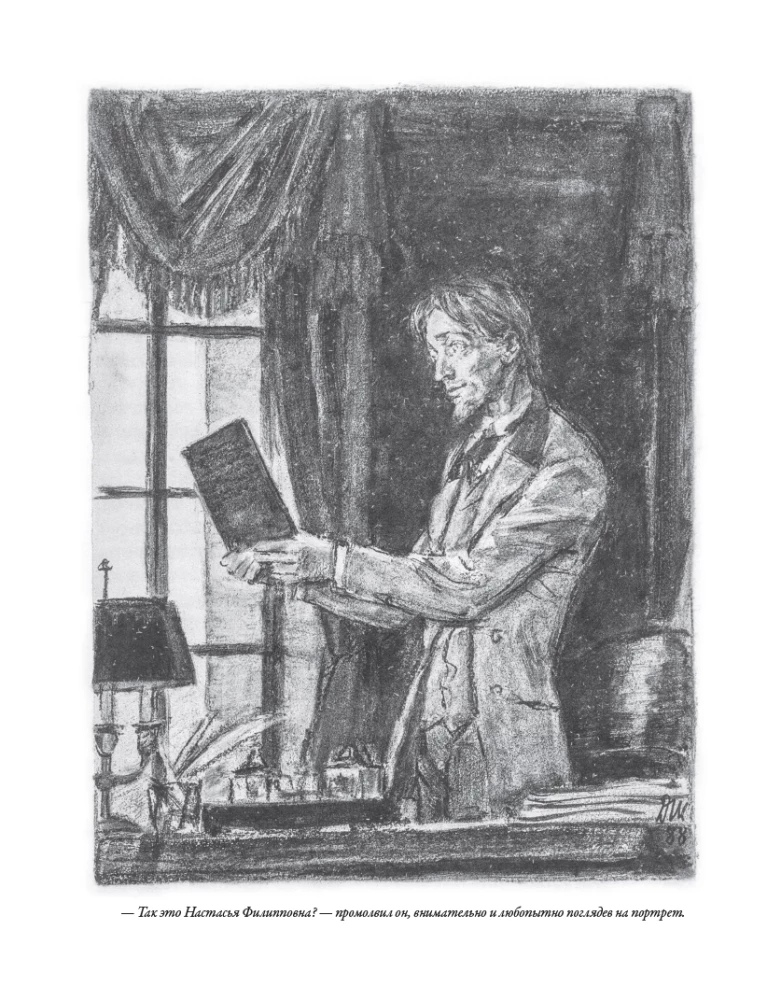
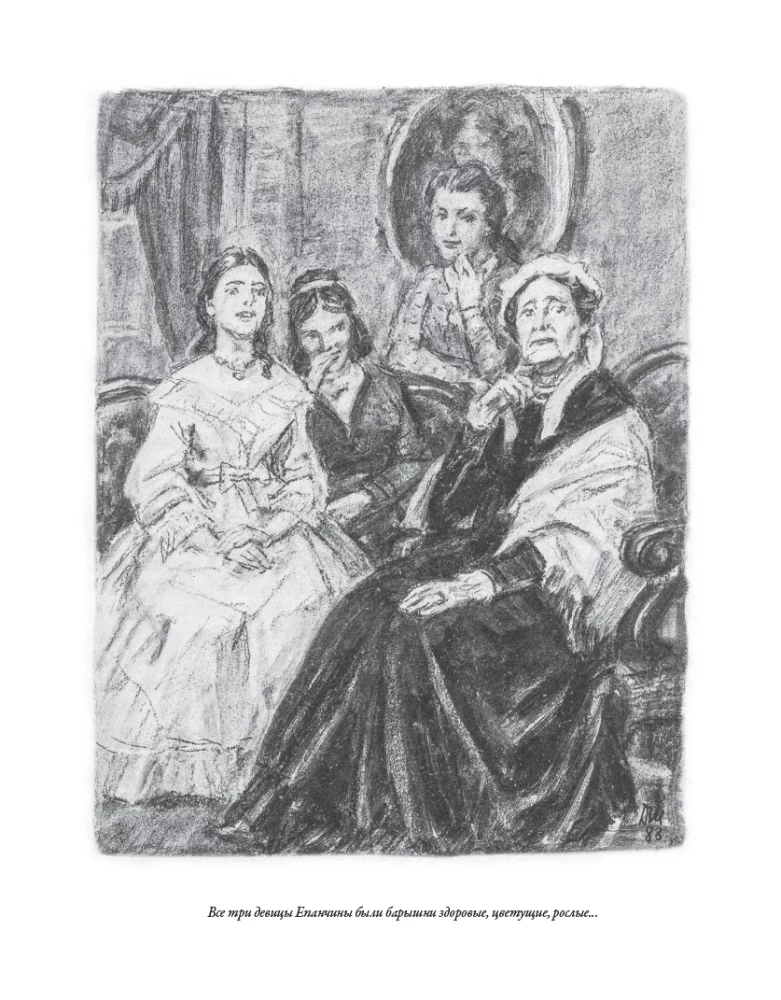
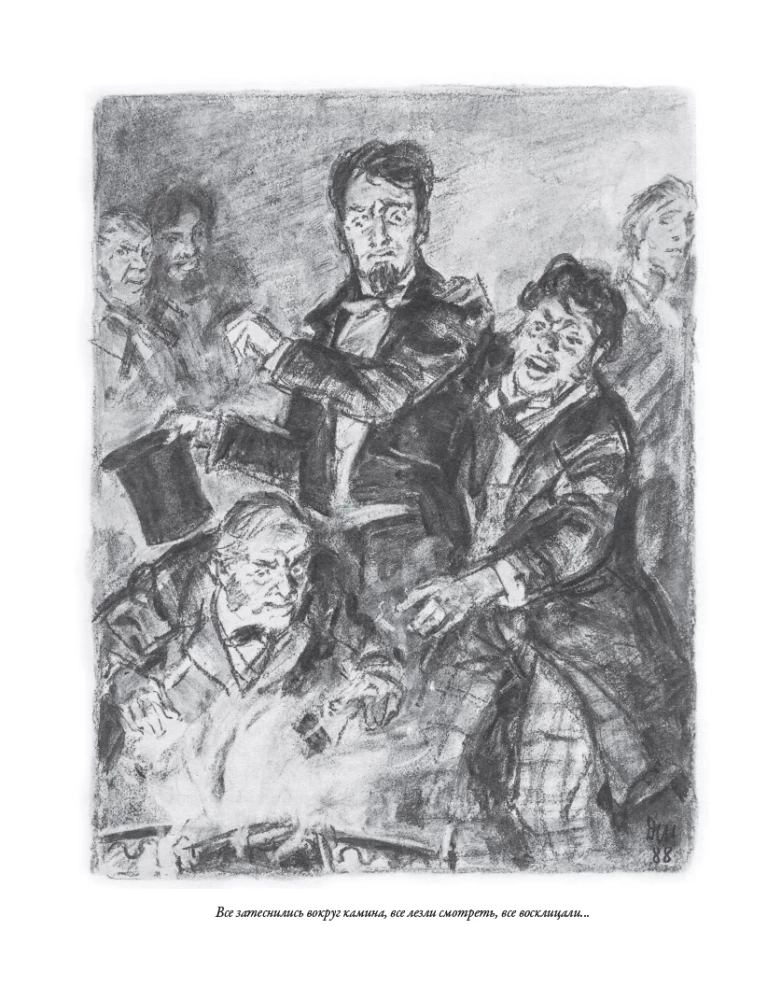
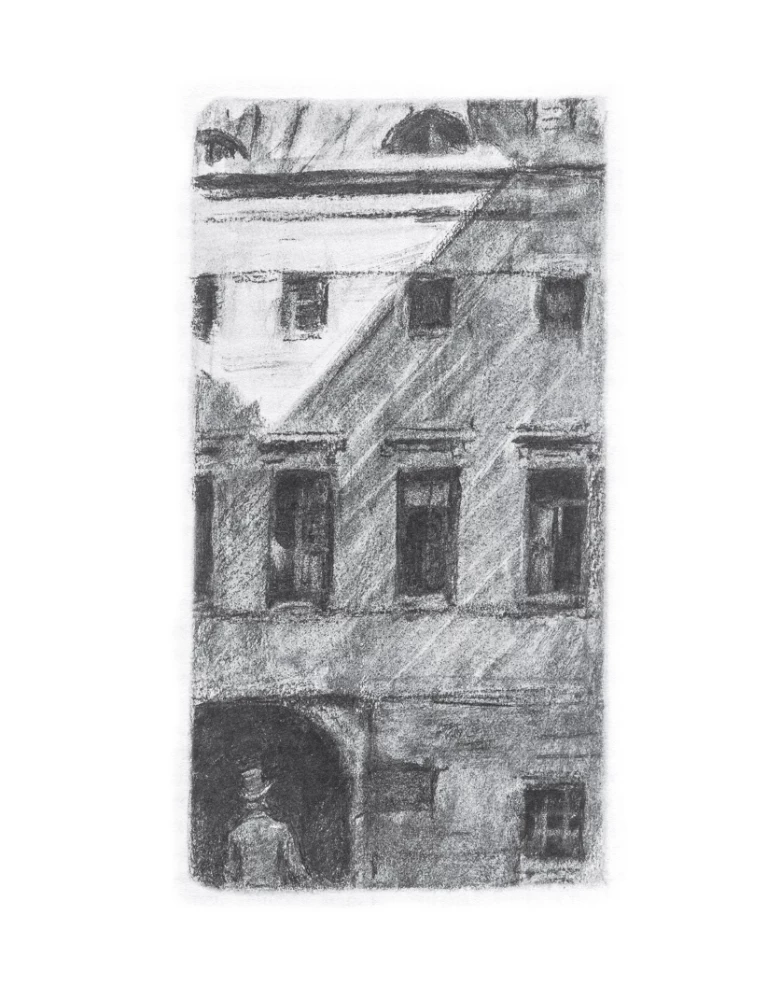
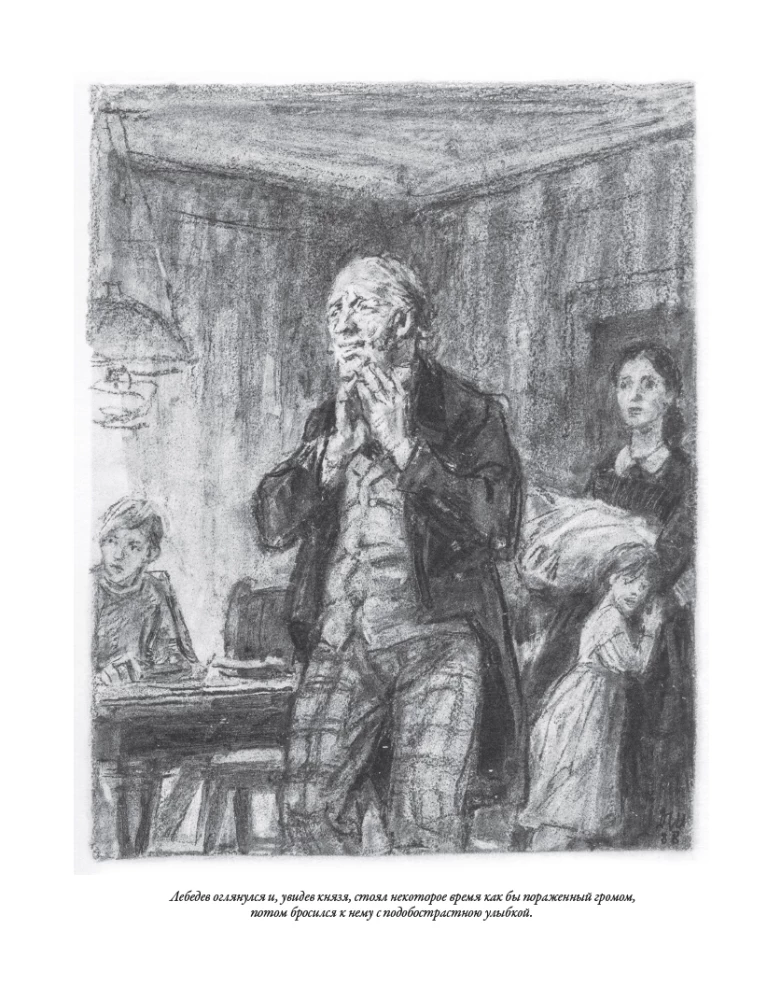
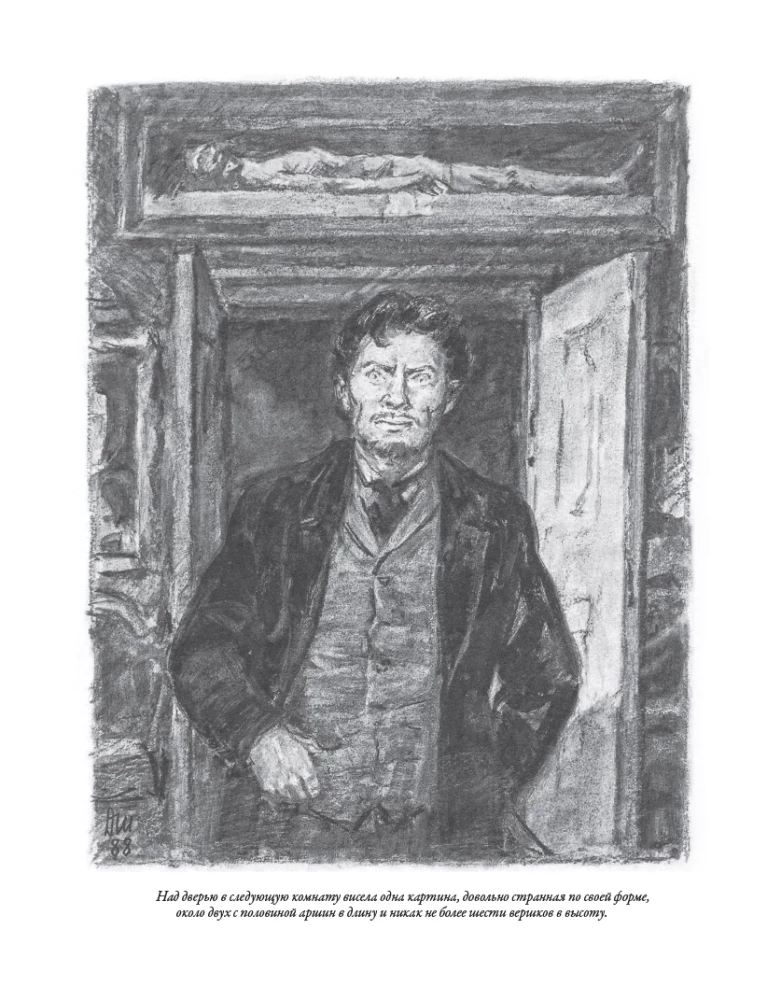
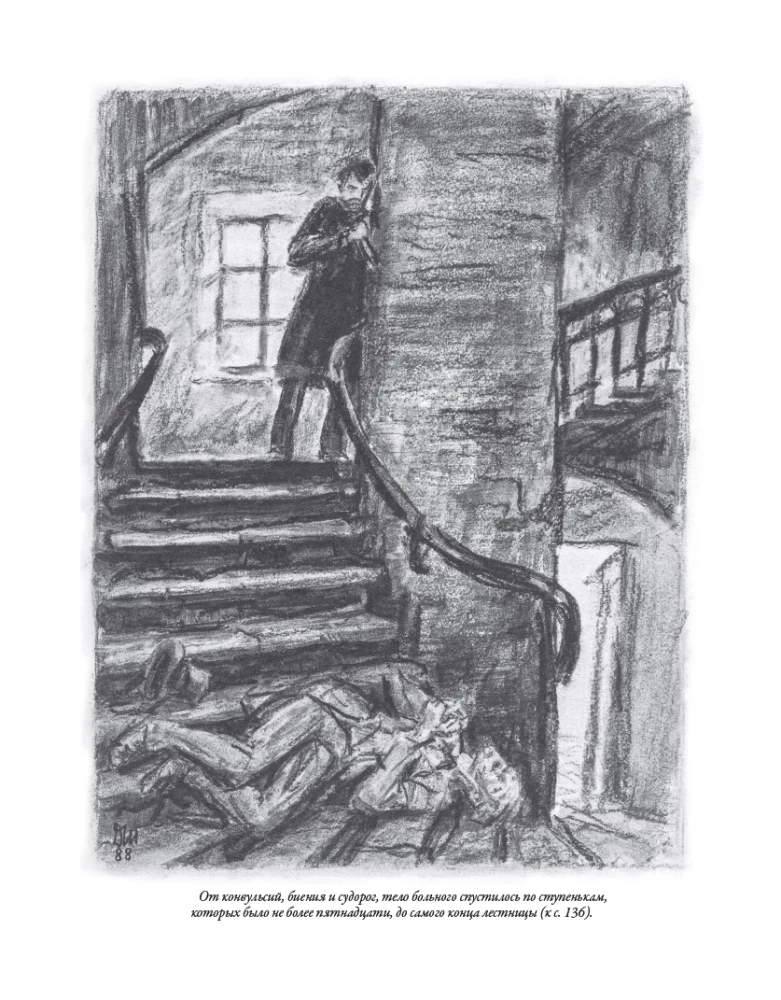
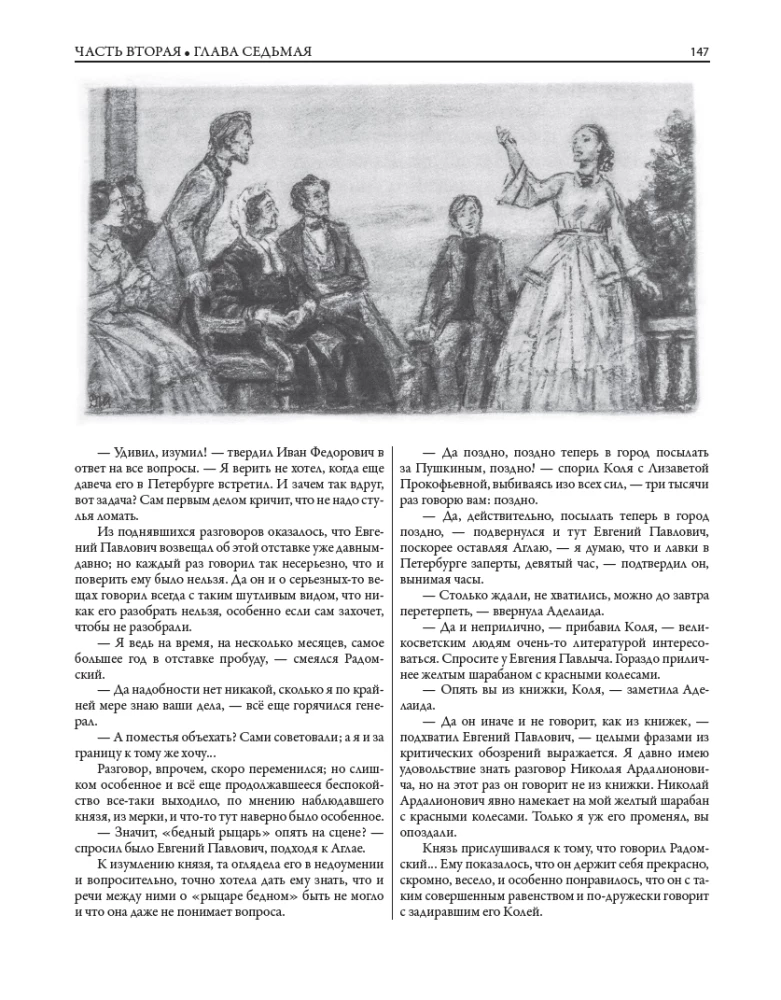
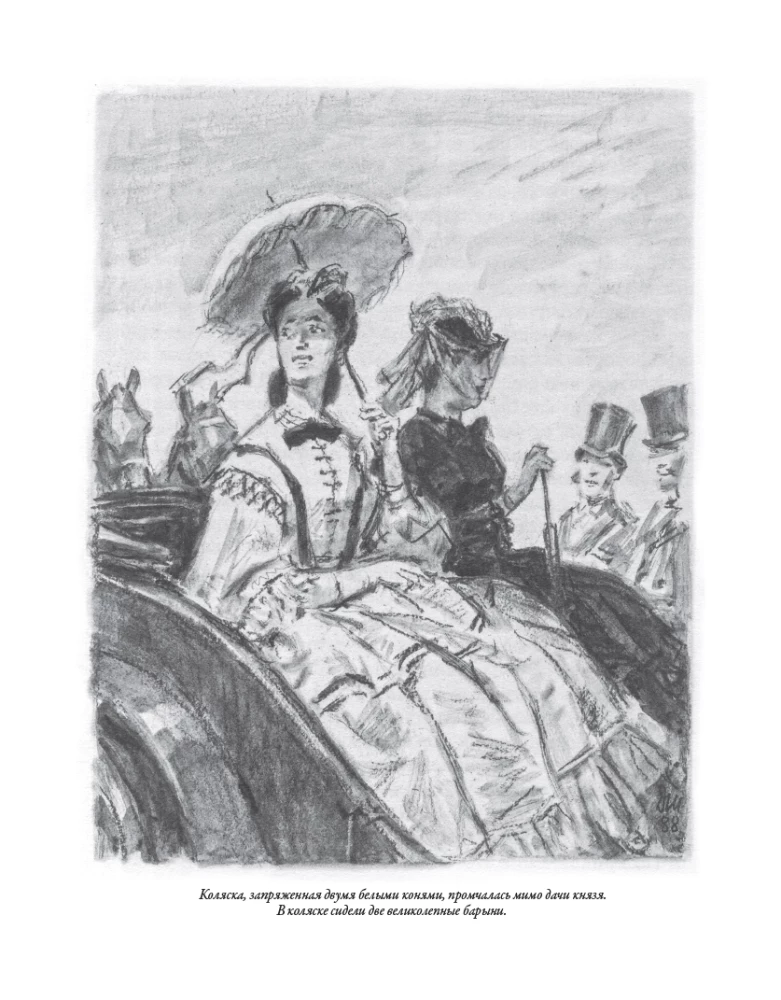
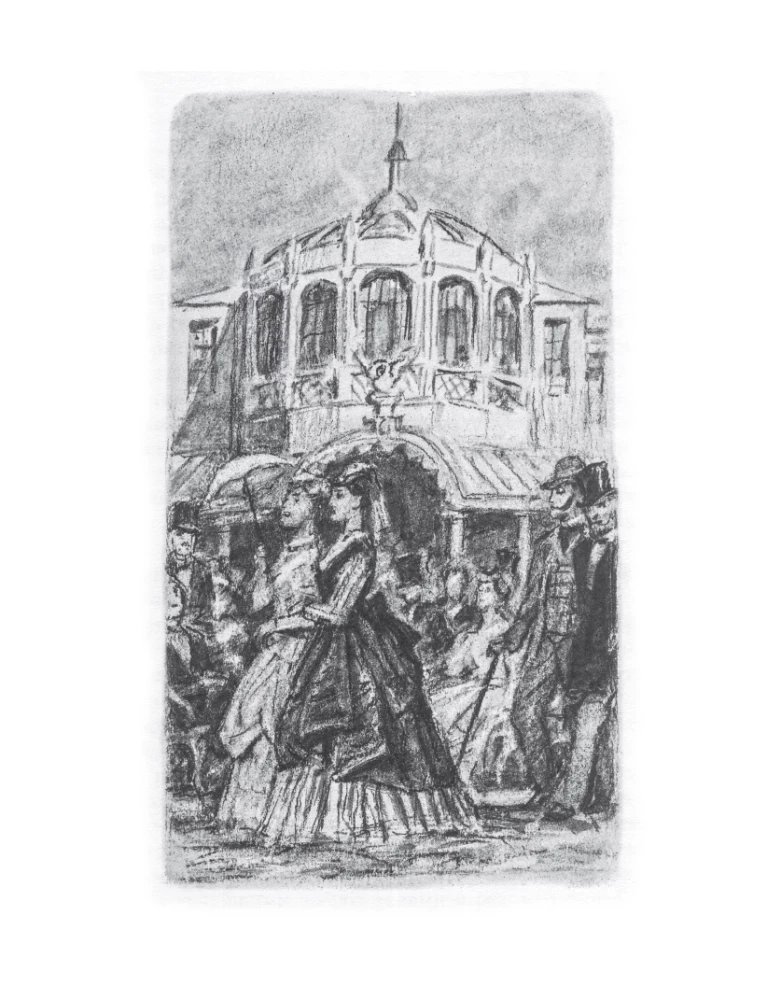
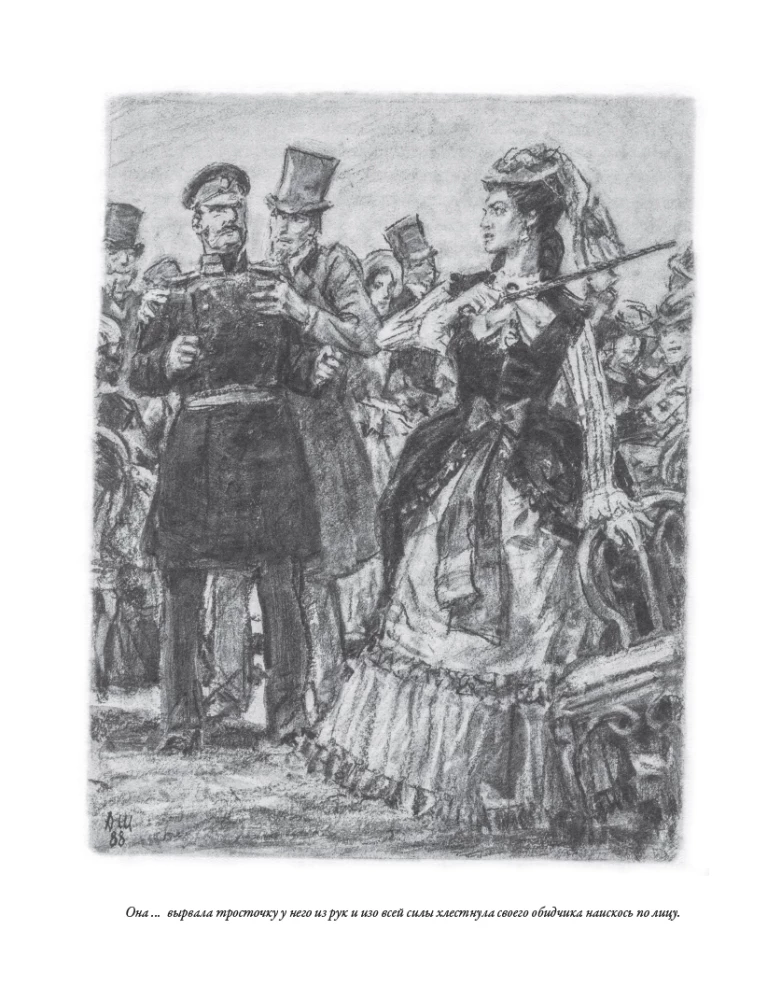
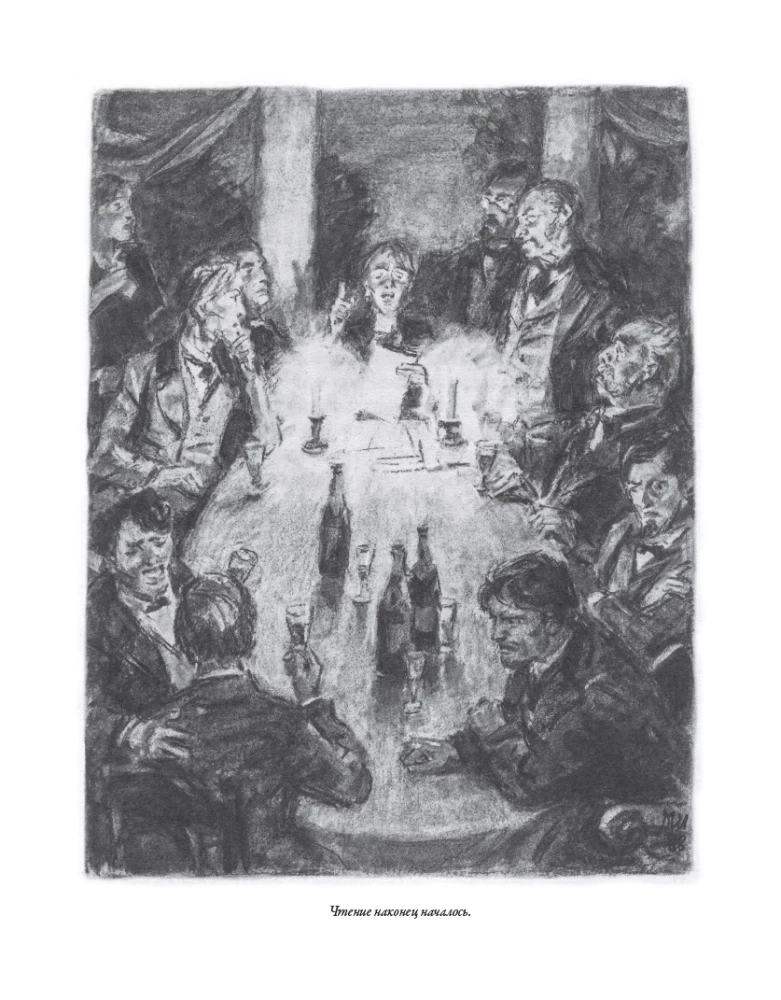
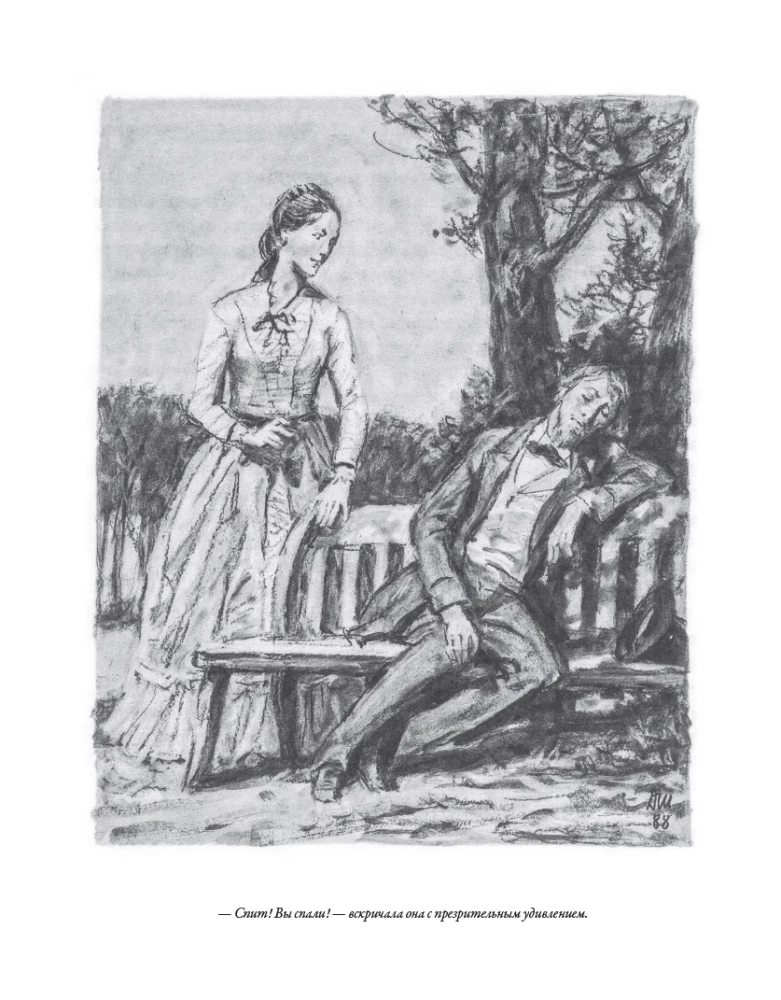
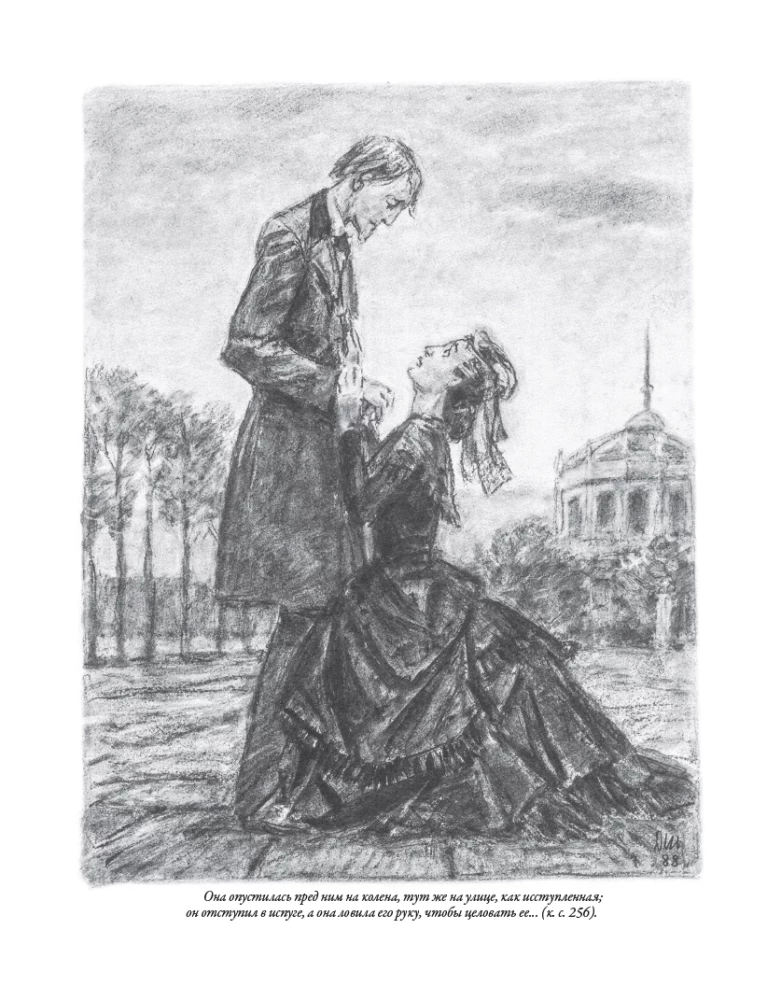
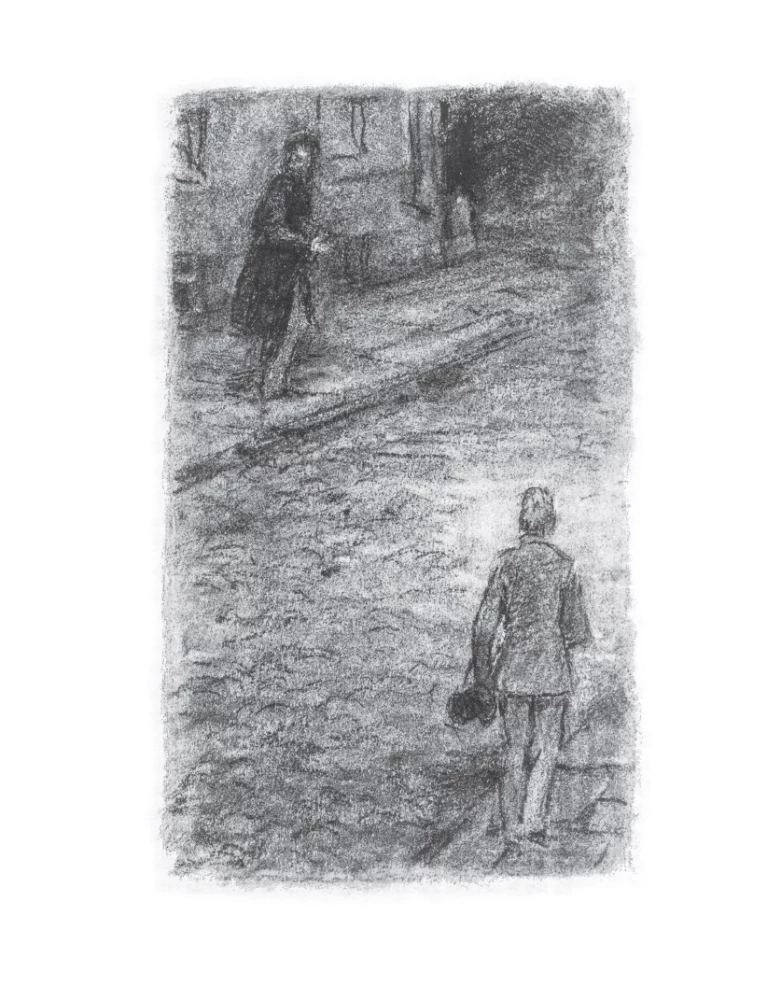
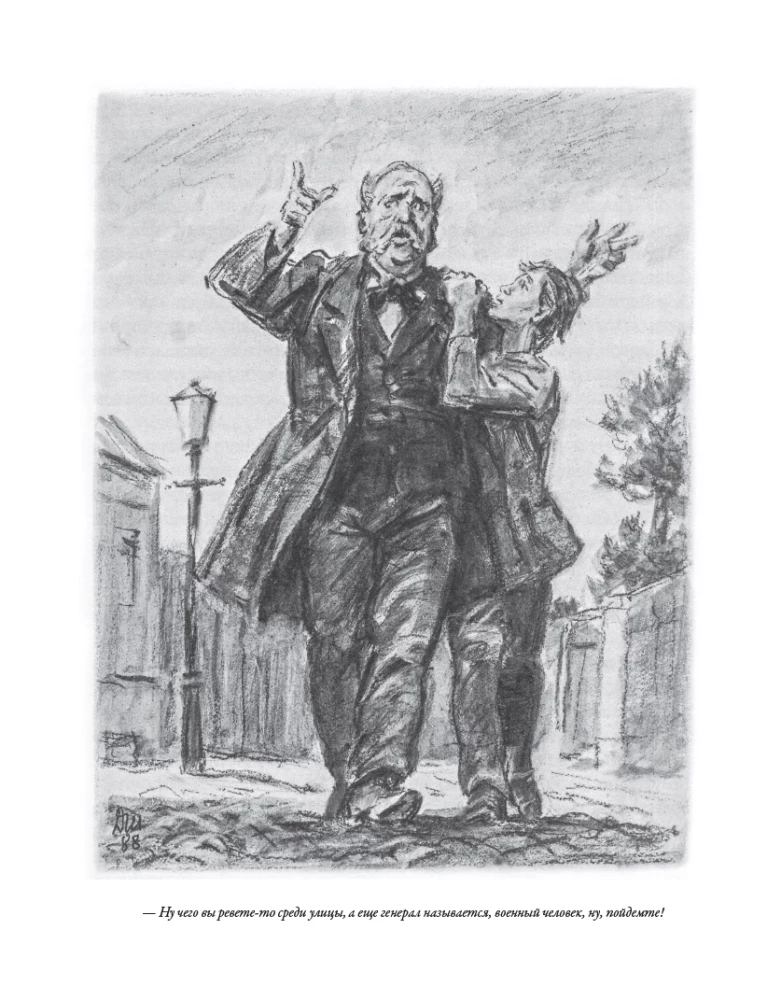
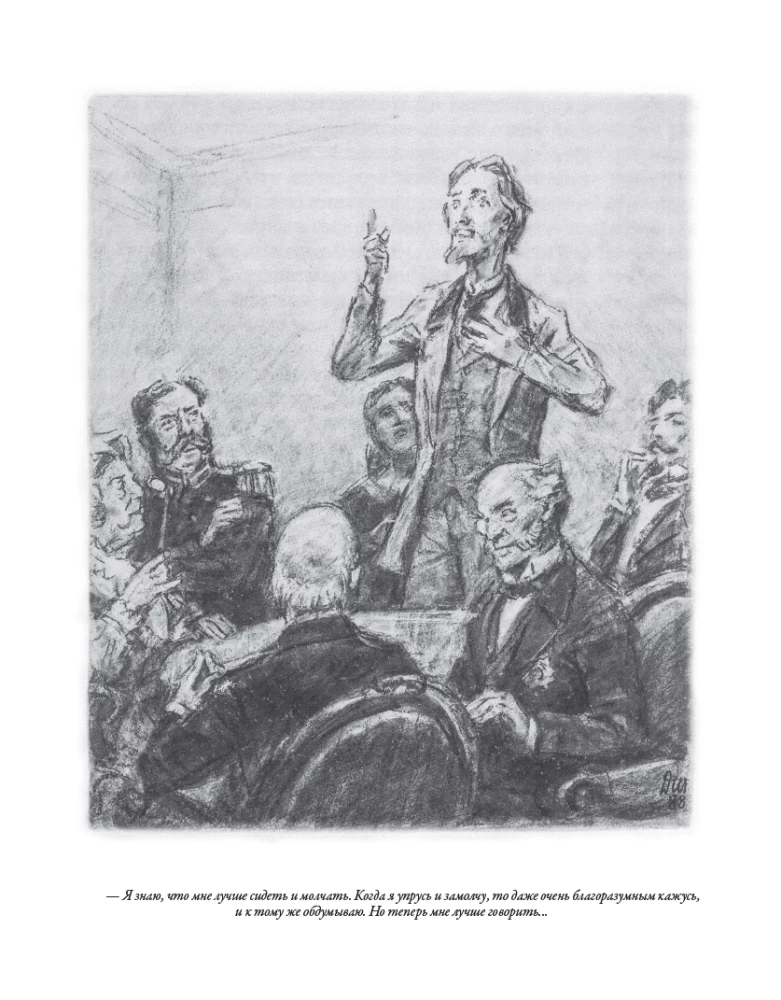
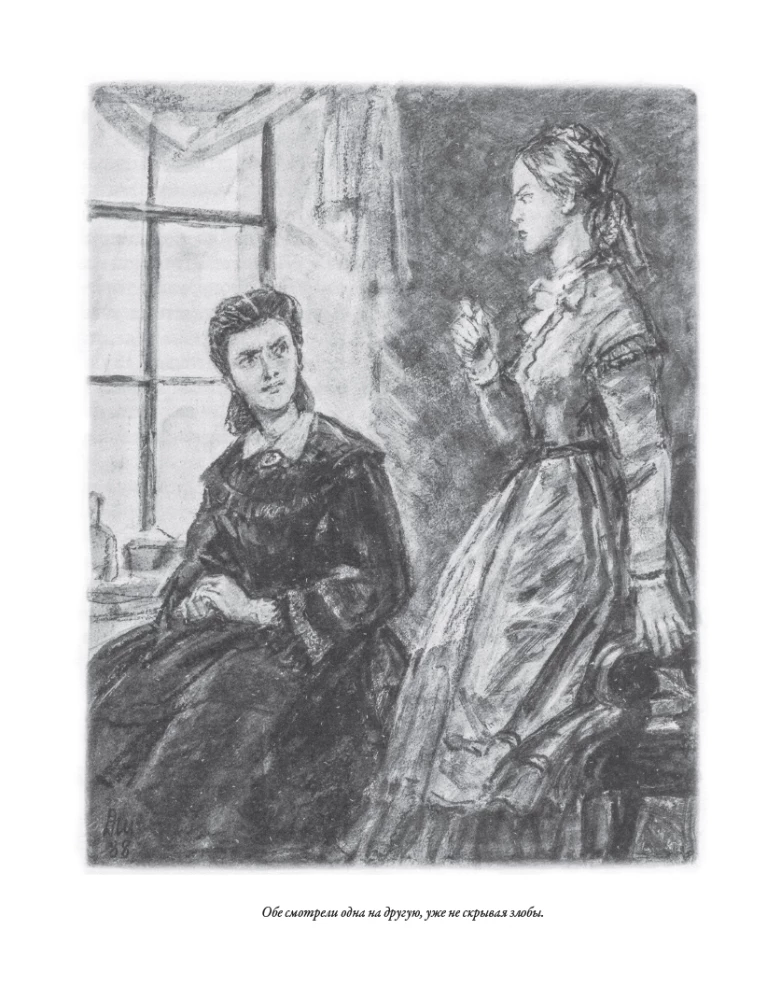
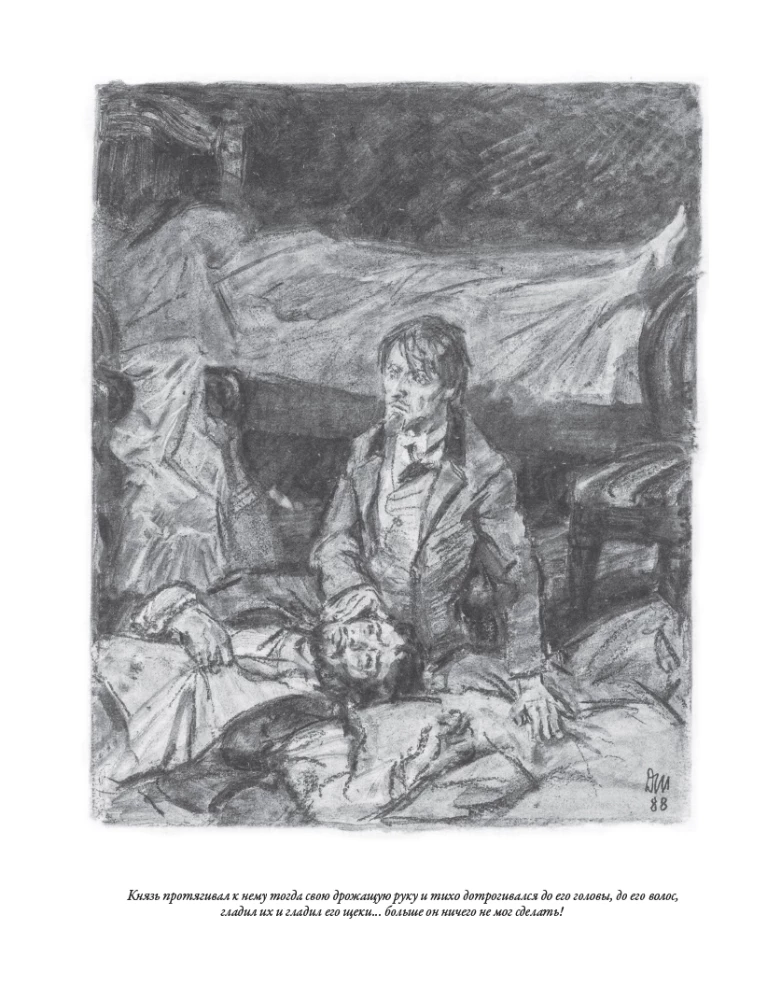
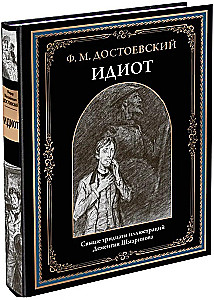
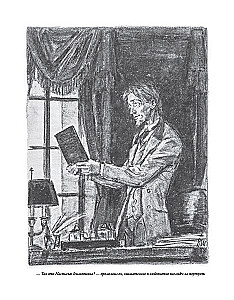
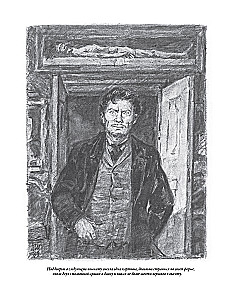
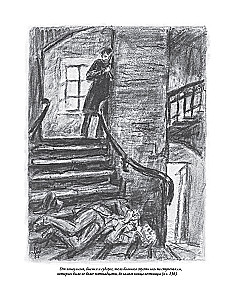
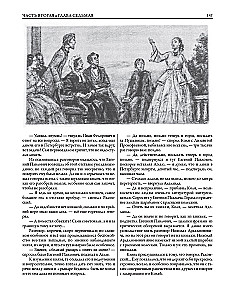
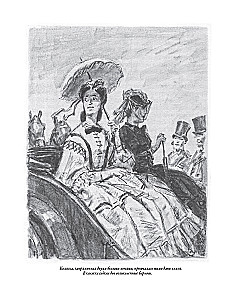
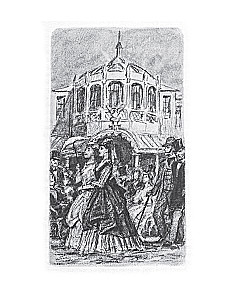
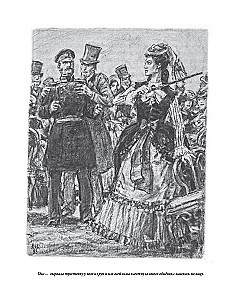
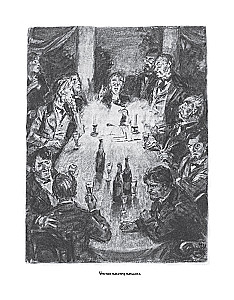
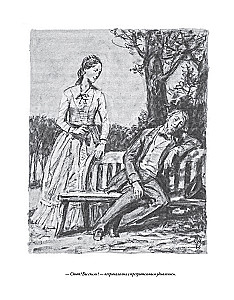
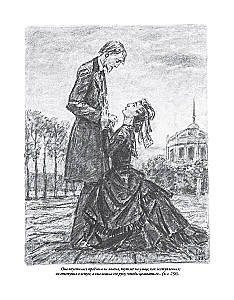
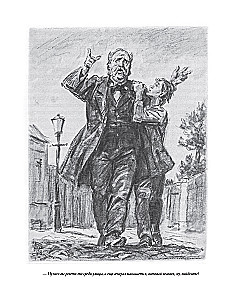
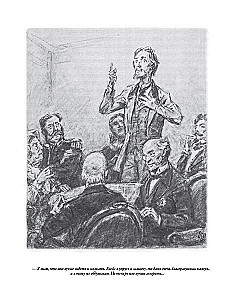
Dostoevsky created "The Idiot" abroad, in Europe: there, the writer, suffering from epileptic seizures, hoped to restore his health and, moreover, hide from creditors. The work on the manuscript took a long time; at times, the author was so dissatisfied with what he had written that he destroyed already completed parts of the text and began to write them anew. Eventually, the writer conceived the idea of "depicting a positively beautiful person." The resulting image of Prince Myshkin absorbed traits of Charles Dickens' Pickwick and Miguel de Cervantes' Don Quixote. Generous, naive, and prone to reflection, Myshkin appears out of place among important, serious, and often completely immoral people. Dostoevsky's contemporaries criticized "The Idiot"; however, the novel was appreciated by subsequent generations. Today, "The Idiot" is translated into various languages around the world, republished in numerous editions, and staged on theatrical stages. This edition of the text of the novel about an astonishing personality is adorned with illustrations by the Soviet and Russian painter, graphic artist, and educator Dementiy Alexeyevich Shmarinov (1907–1999).
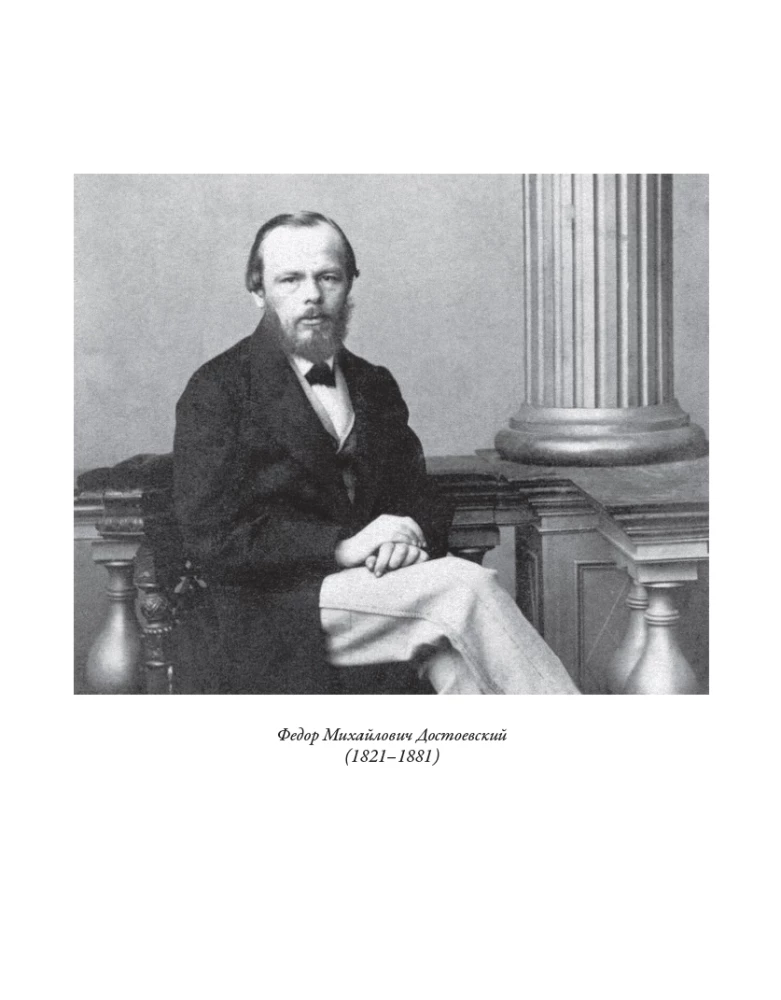
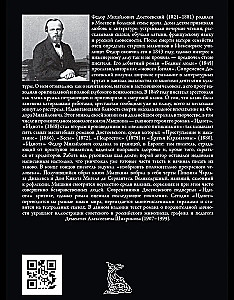
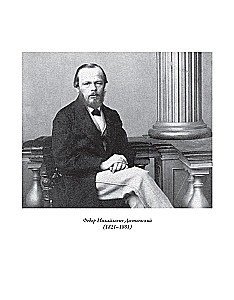
Fyodor Mikhailovich Dostoevsky (1821–1881) was born in Moscow into a large family of a doctor. At home, children were instilled with a love for literature: evening readings were organized, fairy tales were told, and they were taught Latin, French, and Russian literature. After his mother's death, their father sent the older boys to the Engineering School: Fyodor graduated in 1843, but did not show any interest in engineering — he preferred the path of a writer. His debut novel "Poor Folk" (1845) acclaimed the author as the "new Gogol." Over time, Dostoevsky gained wide recognition in literary circles and established relationships with many cultural figures. He was described as a well-read, gentle, and shy person, and his prose was found to be original and full of deep psychological insight. In 1849, the writer was arrested as a member of the Petrashevsky circle and sentenced to death. The news that his execution was commuted to hard labor was conveyed to the prisoners just on the parade ground, only a few minutes before the shooting. The imminent approach of death had a profound effect on Fyodor Mikhailovich. This episode of his life was later reflected in his work, including in the poignant monologue of Prince Myshkin — the main character of his novel "The Idiot."
Fyodor Mikhailovich Dostoevsky (1821–1881) was born in Moscow into a large family of a doctor. At home, children were instilled with a love for literature: evening readings were organized, fairy tales were told, and they were taught Latin, French, and Russian literature. After his mother's death, their father sent the older boys to the Engineering School: Fyodor graduated in 1843, but did not show any interest in engineering — he preferred the path of a writer. His debut novel "Poor Folk" (1845) acclaimed the author as the "new Gogol." Over time, Dostoevsky gained wide recognition in literary circles and established relationships with many cultural figures. He was described as a well-read, gentle, and shy person, and his prose was found to be original and full of deep psychological insight. In 1849, the writer was arrested as a member of the Petrashevsky circle and sentenced to death. The news that his execution was commuted to hard labor was conveyed to the prisoners just on the parade ground, only a few minutes before the shooting. The imminent approach of death had a profound effect on Fyodor Mikhailovich. This episode of his life was later reflected in his work, including in the poignant monologue of Prince Myshkin — the main character of his novel "The Idiot."
Author: Фёдор Достоевский
Printhouse: SZKEO
Series: Library of World Literature. Large Format
Age restrictions: 12+
Year of publication: 2025
ISBN: 9785960313636
Number of pages: 344
Size: 250х180х27 mm
Cover type: hard
Weight: 1350 g
ID: 1729141
In stock
€ 22.59
Will be delivered to United States on :
Unfortunately, we are currently unable to deliver orders to your region.
In stock
€ 22.59
Will be delivered to United States on :
Unfortunately, we are currently unable to deliver orders to your region.
Bestsellers


Bestseller
€ 12.19
In stock
Kanashibari. Until the Last Lantern Goes Out. Volume 1
Ангелина Шэн, Вероника Шэн