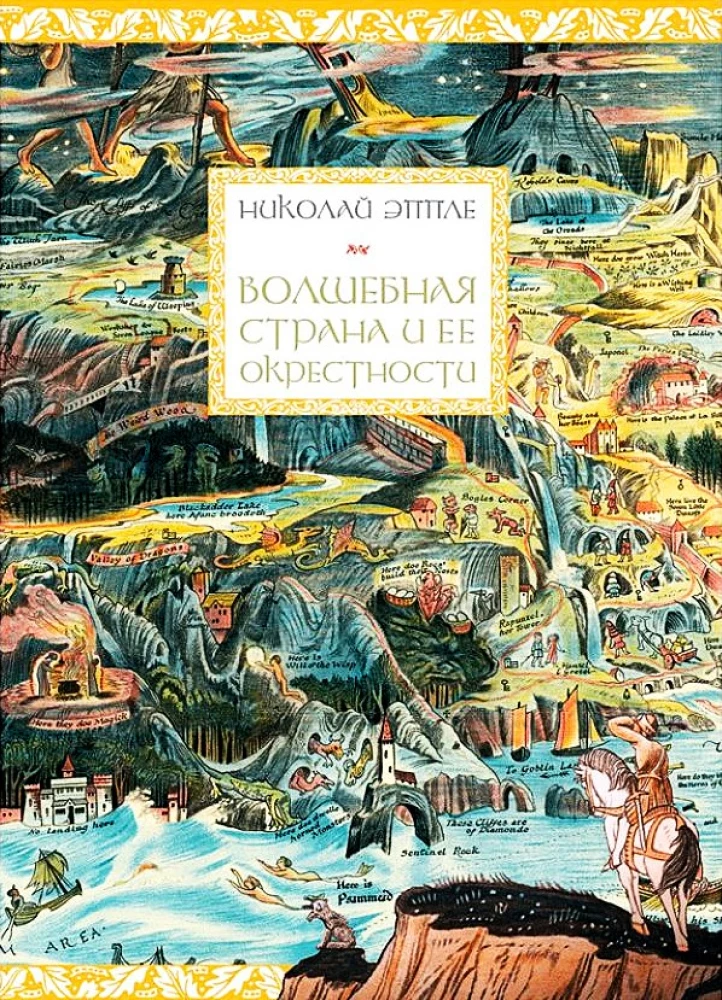
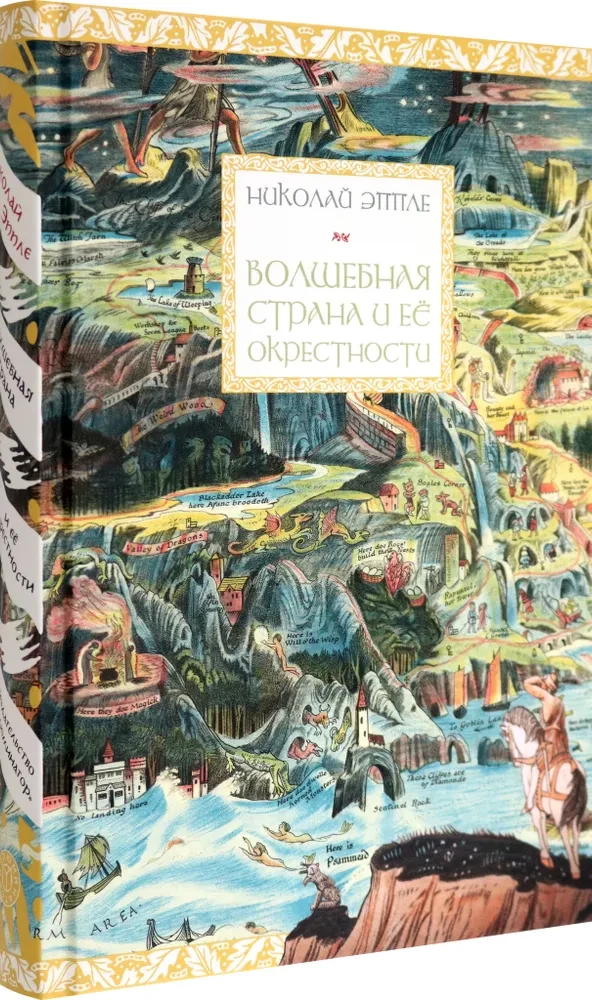
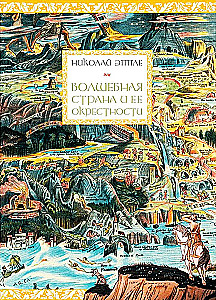
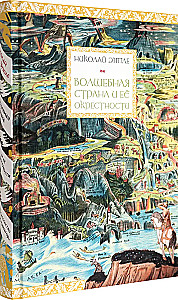
Волшебная страна и ее окрестности
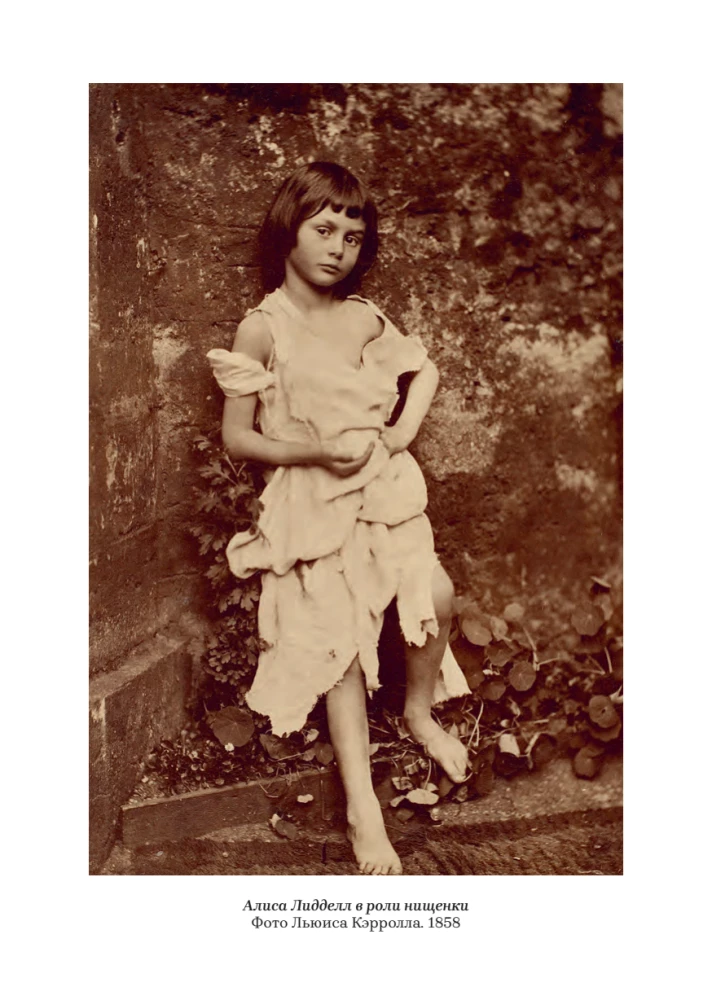
Traveling through the endless universe of the literature of the Magical Land, we resemble the mirror-like King and Queen, whose inhabited world fits in the room of a little girl named Alice Liddell. It is both vast and tiny at...
the same time. Just like the worlds of «The Chronicles of Narnia», «Harry Potter», «The Wind in the Willows», «Winnie-the-Pooh», «Peter Pan», «The Lord of the Rings» — we have all visited them in childhood and youth. Nikolai Epplе’s book «The Magical Land and Its Surroundings» is a way to return to this universe as adults. To see its structure, to understand what has been long known well, and to discover many new things. And also to pick up the keys for its next guests — our children.
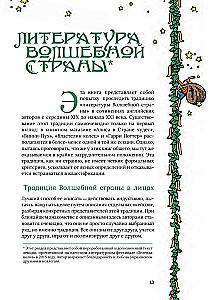
The literature of the Magical Land is a direction that eludes strict genre definitions. Philologist, translator, and specialist in English literature Nikolai Epplе tells about it as a history of an intensive internal dialogue among very different authors, but belonging to a unified, clearly traceable tradition. Rowling, when inventing platform 9 and 3/4, held in her mind the Wardrobe from Lewis's «Narnia». Pratchett was a fan of Tolkien. One of the strongest theatrical impressions for Tolkien himself was the production of «Peter Pan» by Barrie — who was also a friend and mentor to Milne… Literature of imagination, secondary reality, was born from these subtle interconnections, sought after in difficult times. «When the landmarks are lost, black becomes white and white becomes black, the Magical Land, where, as Macdonald says, everything is arbitrary except for the moral law — is a means not to escape from reality, but to remind oneself and others about it,» — Nikolai Epplе.
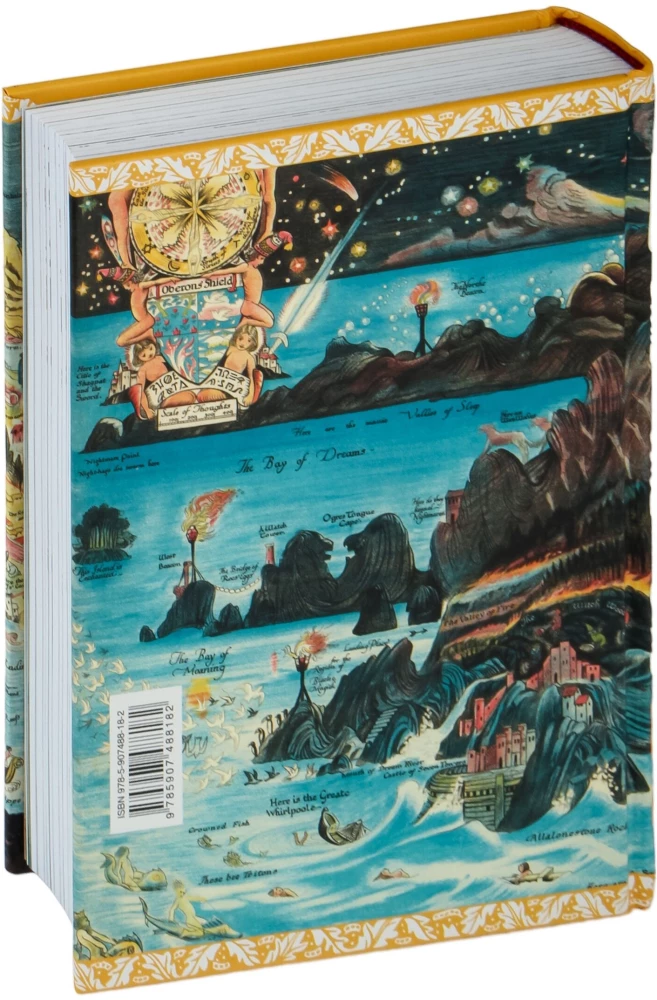
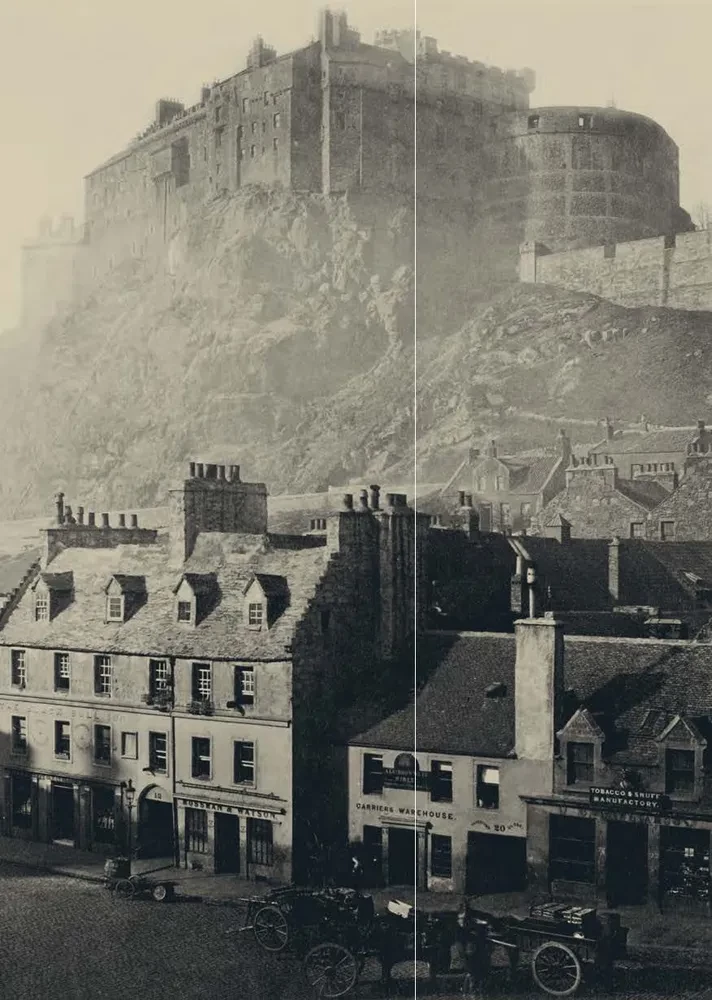
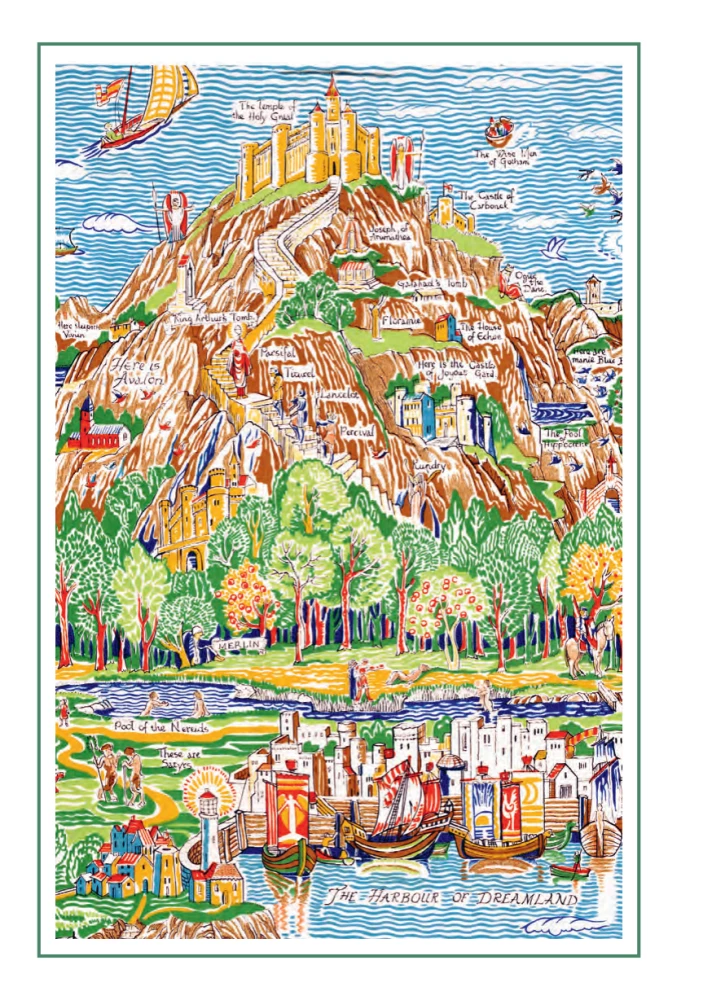
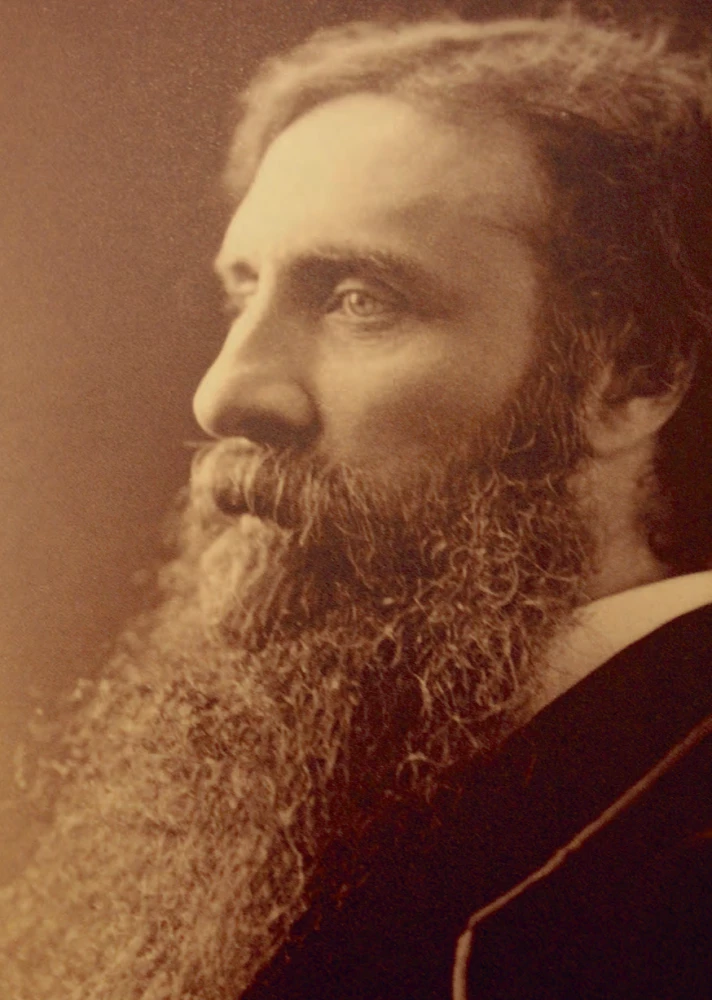
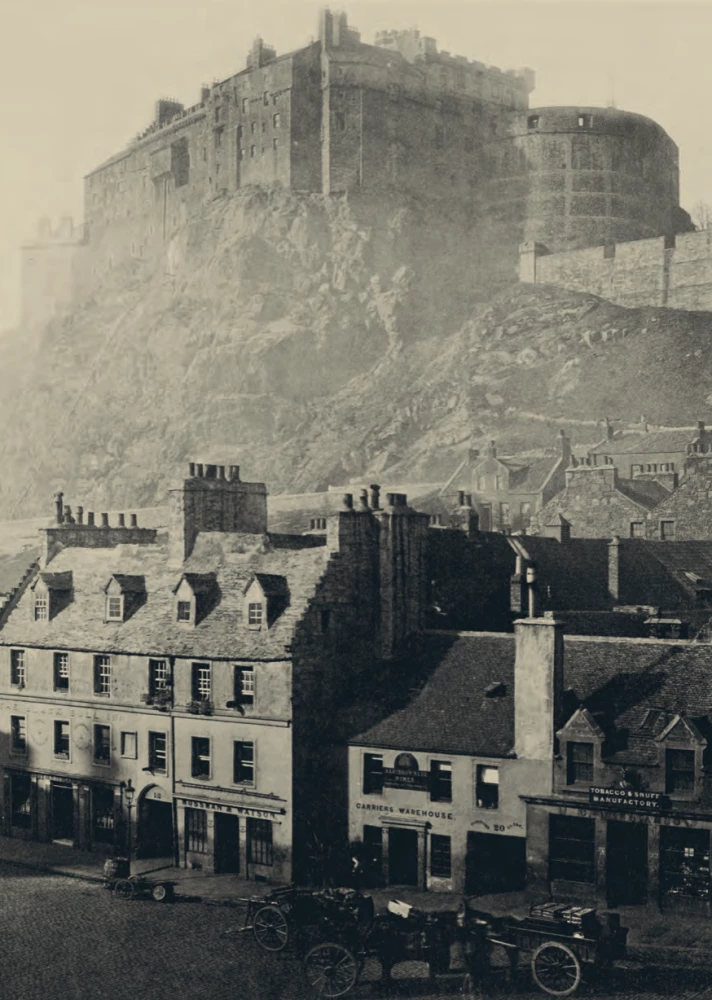
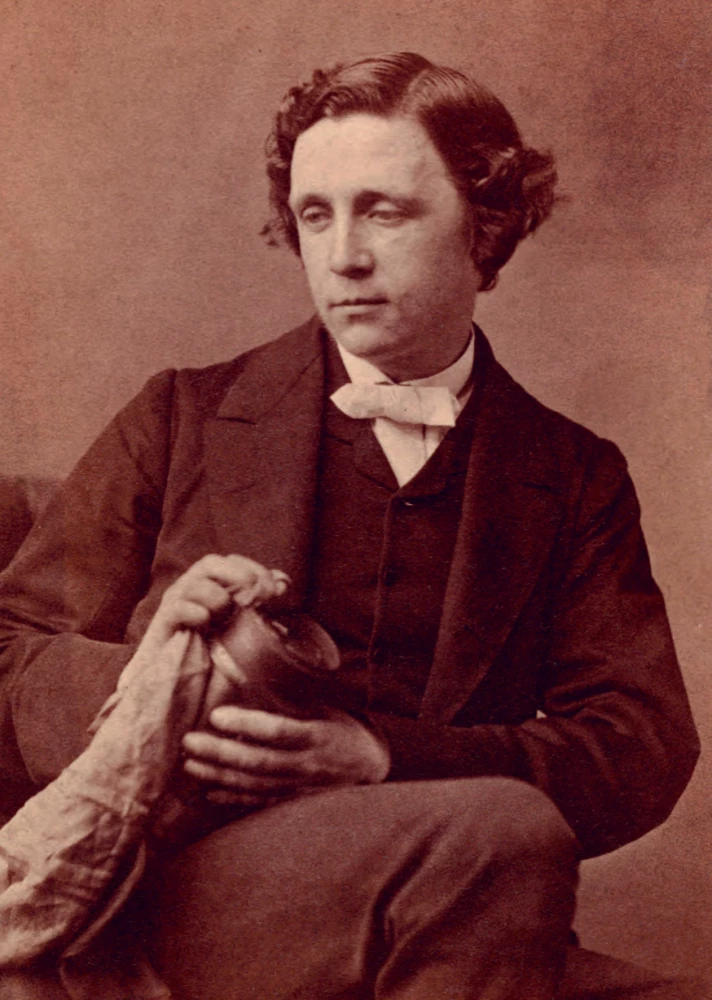
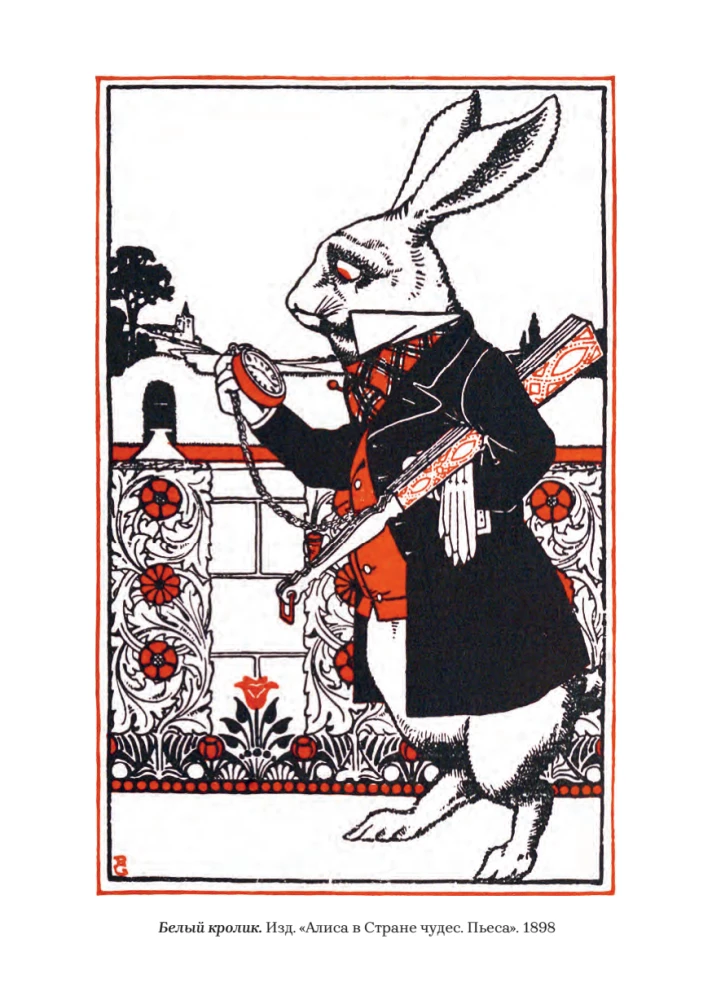
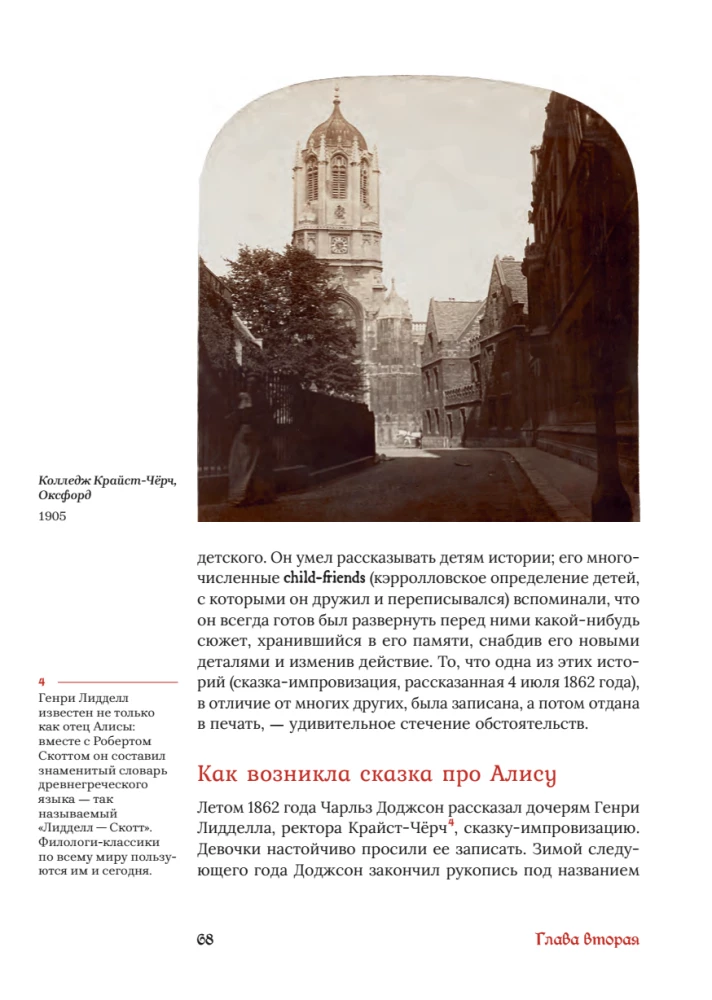
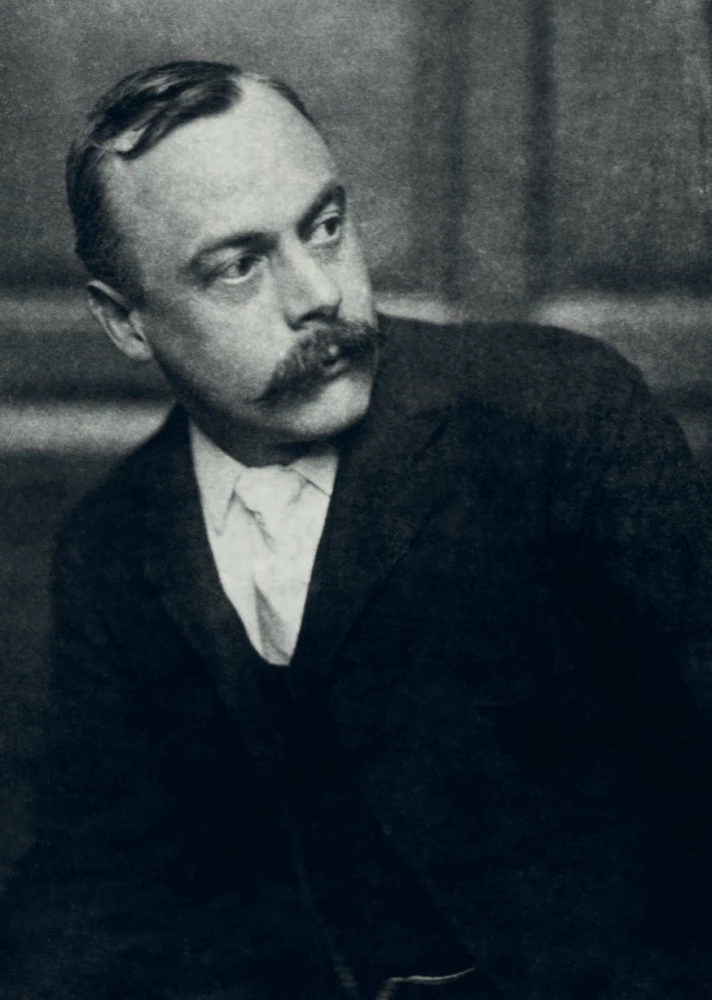
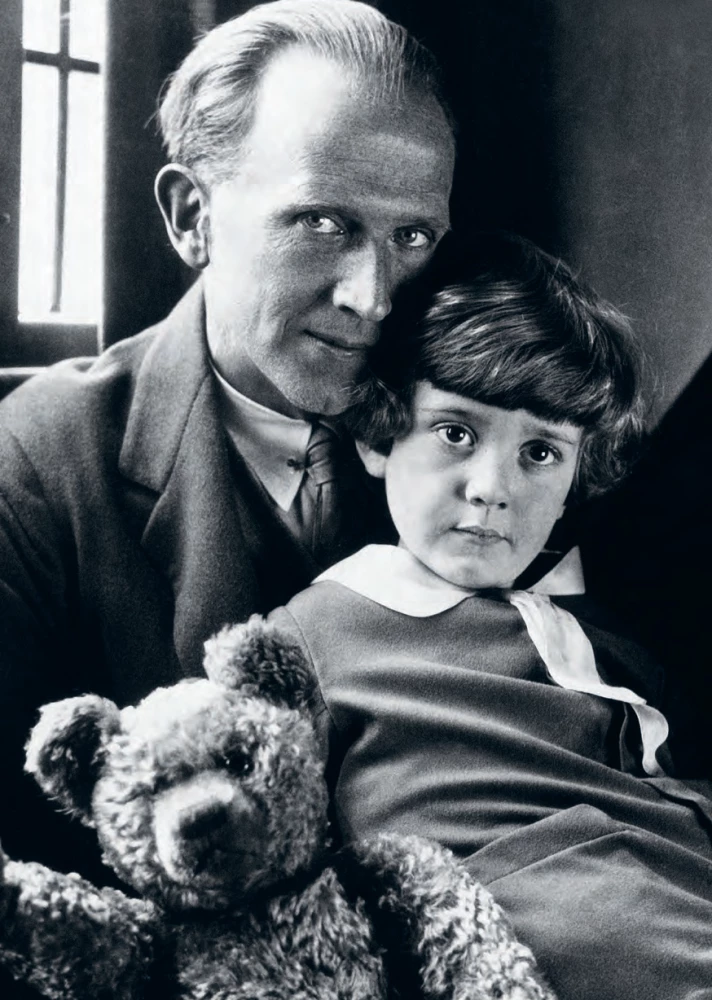
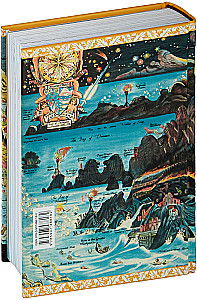
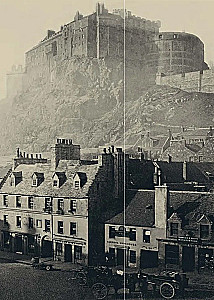
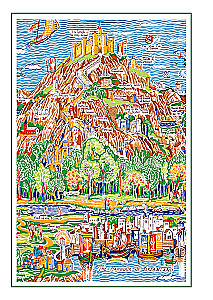
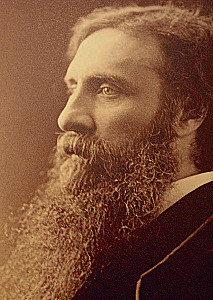
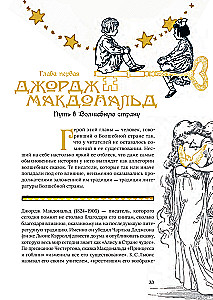
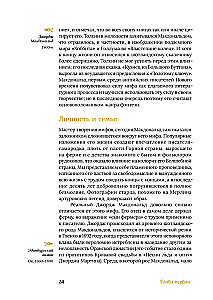
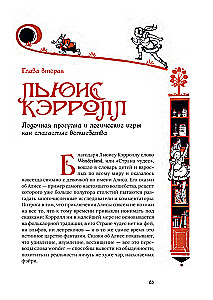
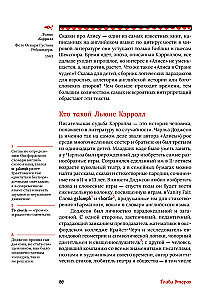
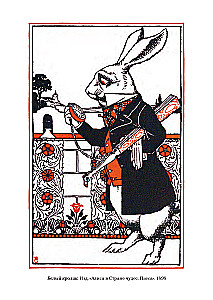
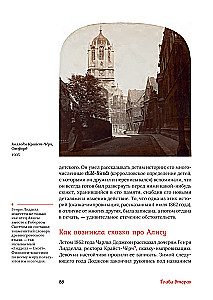
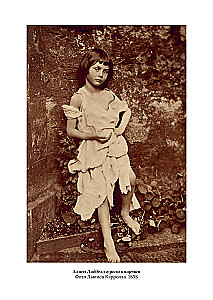
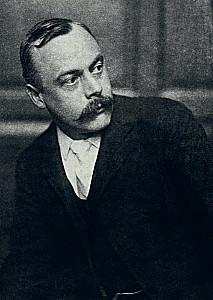
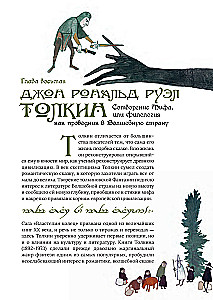
The reissue is adorned with photographs of English writers, illustrations of their works, reproductions of graphics and paintings, manuscripts, and covers of the first editions.
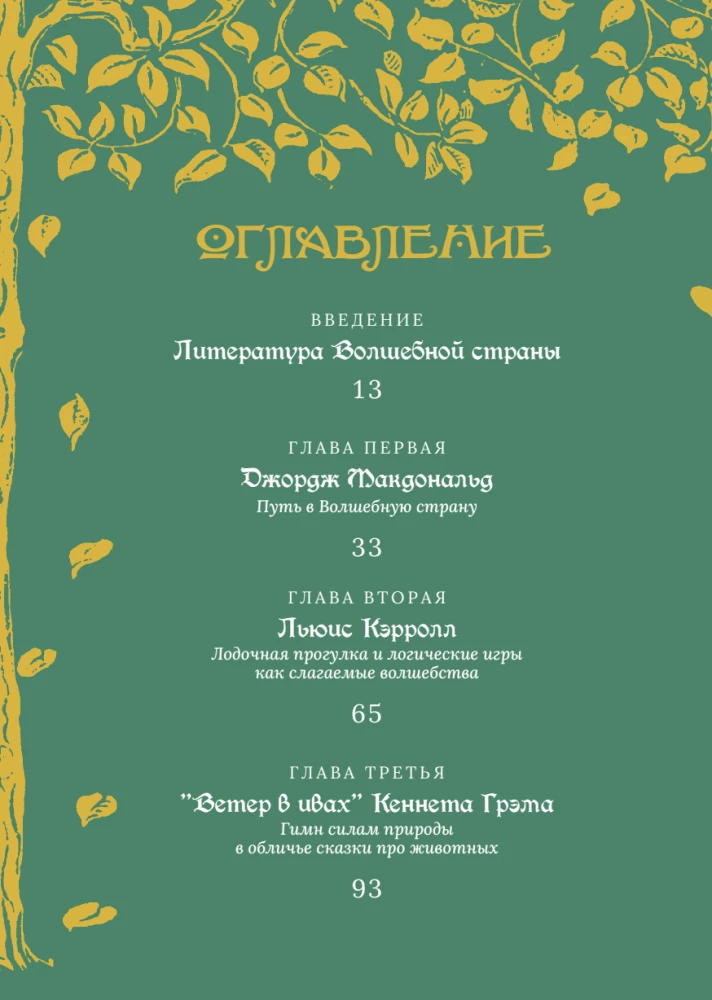
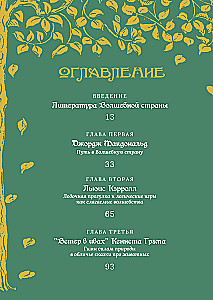
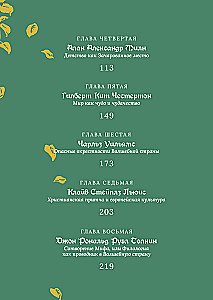
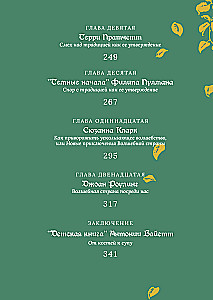
CONTENTS
Introduction. The Literature of the Magical Land
Chapter 1. George MacDonald. The Way to the Magical Land
Chapter 2. Lewis Carroll. Boating and Logical Games as Components of Magic
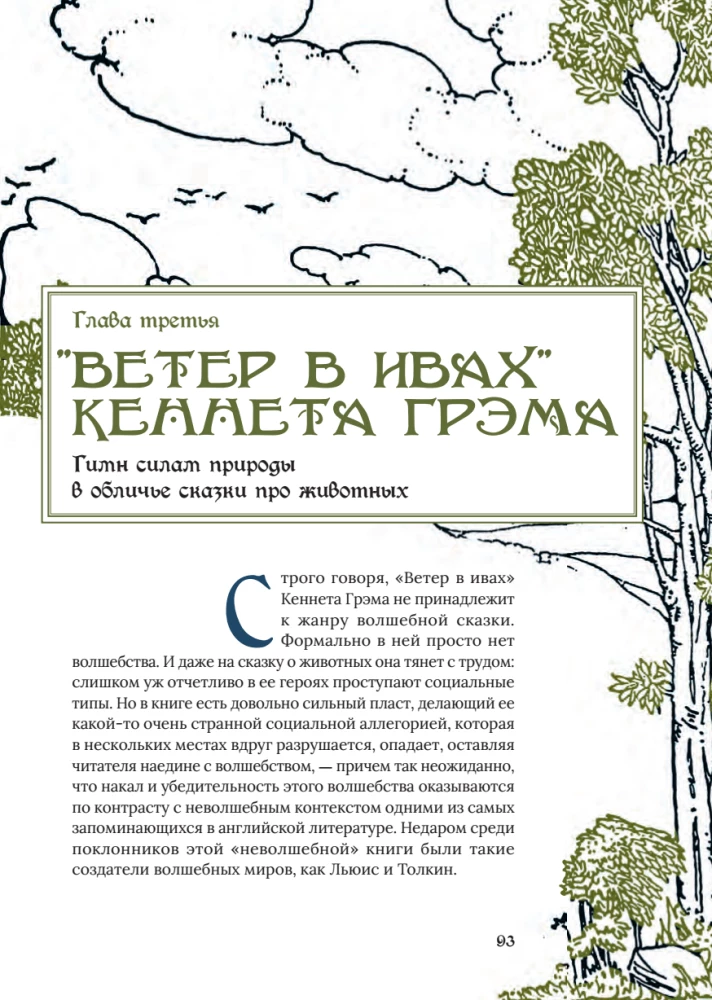
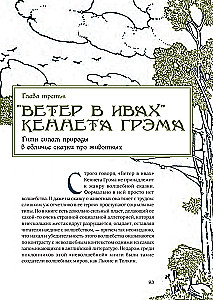
Chapter 3. «The Wind in the Willows» by Kenneth Grahame. The Tribute to the Forces of Nature in the Guise of a Fable about Animals
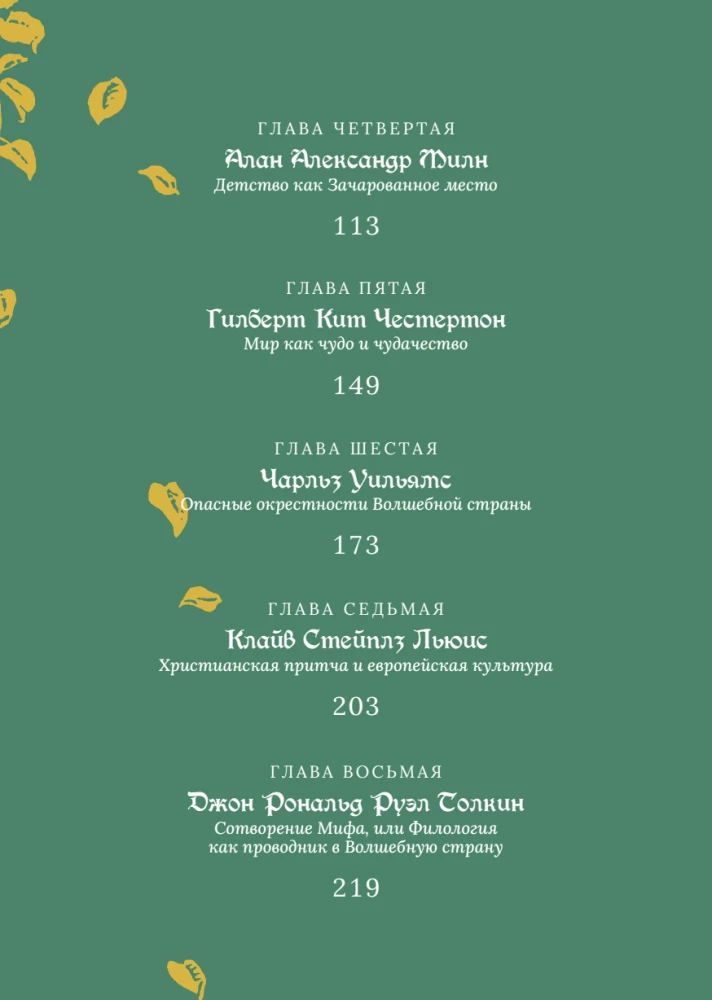
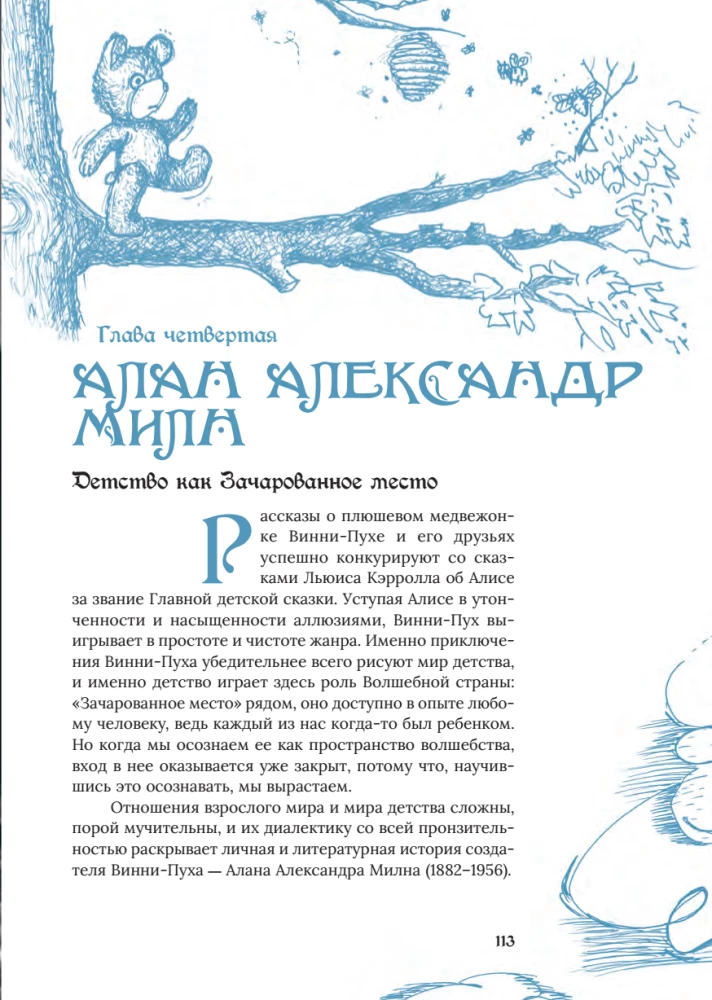
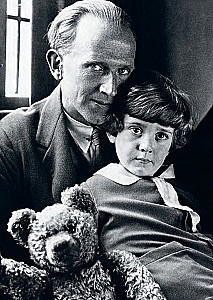
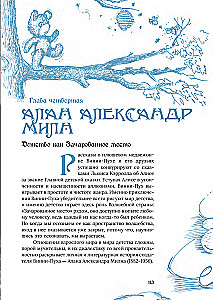
Chapter 4. Alan Alexander Milne. Childhood as an Enchanted Place
Chapter 5. Gilbert Keith Chesterton. The World as Wonder and Eccentricity
Chapter 6. Charles Williams. Dangerous Neighborhoods of the Magical Land
Chapter 7. Clive Staples Lewis. Christian Parable and European Culture
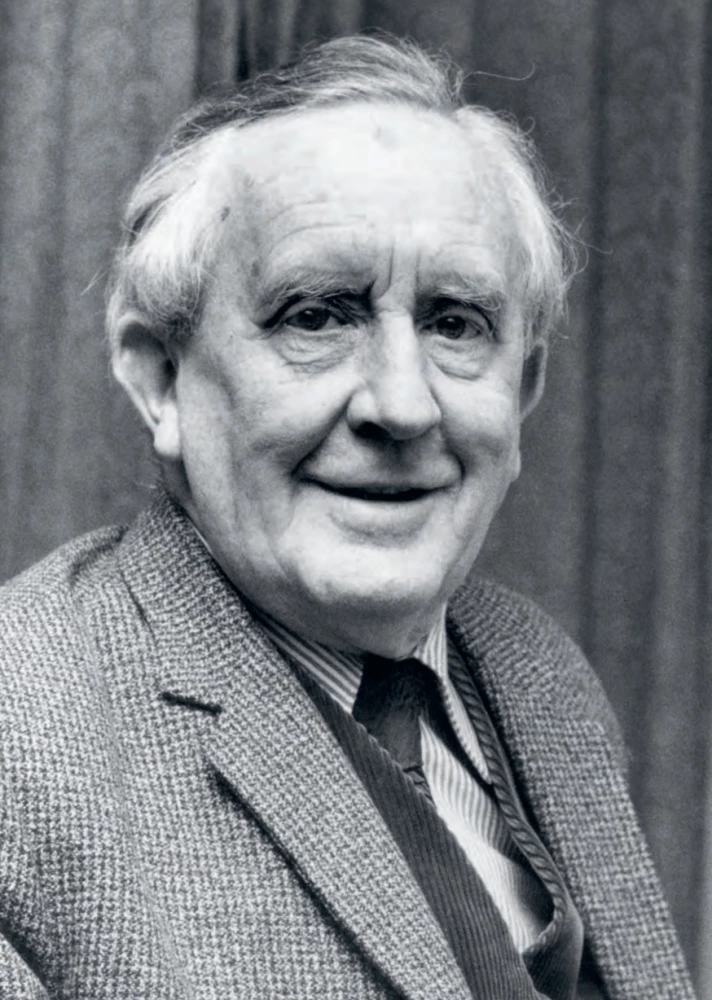
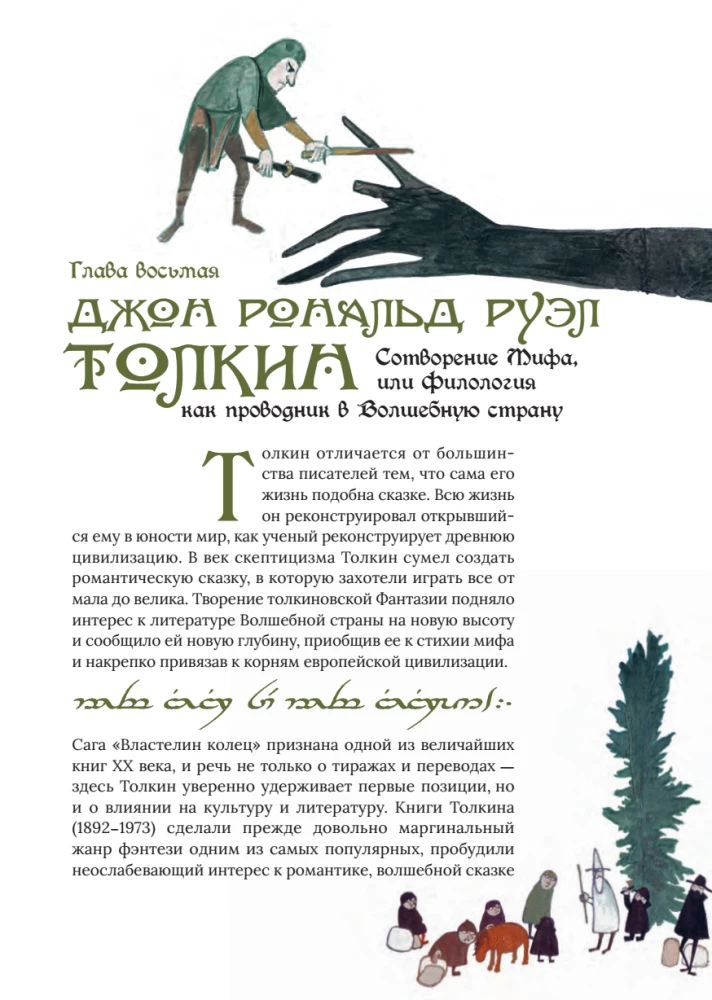
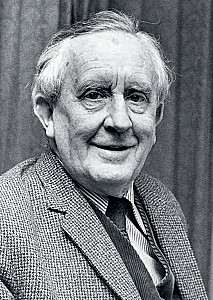
Chapter 8. John Ronald Reuel Tolkien. The Creation of Myth, or Philology as a Guide to the Magical Land
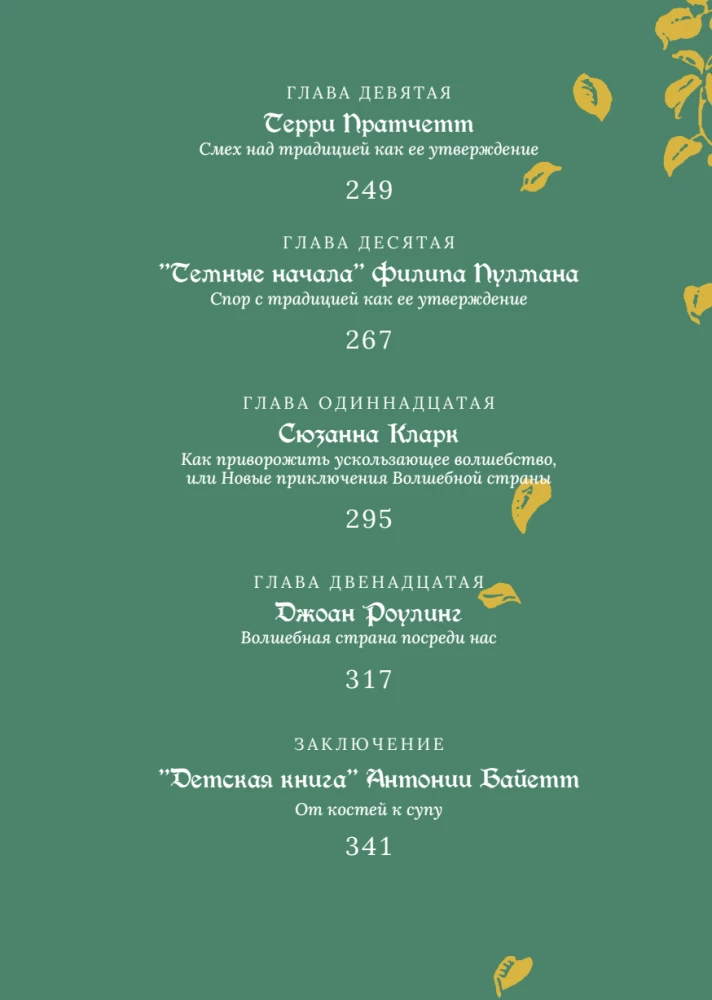
Chapter 9. Terry Pratchett. Laughter at Tradition as Its Affirmation
Chapter 10. «His Dark Materials» by Philip Pullman. A Dispute with Tradition as Its Affirmation
Chapter 11. Susanna Clarke. How to Enchant Elusive Magic, or New Adventures of the Magical Land
Chapter 12. Joanne Rowling. The Magical Land Among Us
Conclusion. «The Children's Book» by Antonia Byatt. From Bones to Soup
The literature of the Magical Land is a direction that eludes strict genre definitions. Philologist, translator, and specialist in English literature Nikolai Epplе tells about it as a history of an intensive internal dialogue among very different authors, but belonging to a unified, clearly traceable tradition. Rowling, when inventing platform 9 and 3/4, held in her mind the Wardrobe from Lewis's «Narnia». Pratchett was a fan of Tolkien. One of the strongest theatrical impressions for Tolkien himself was the production of «Peter Pan» by Barrie — who was also a friend and mentor to Milne… Literature of imagination, secondary reality, was born from these subtle interconnections, sought after in difficult times. «When the landmarks are lost, black becomes white and white becomes black, the Magical Land, where, as Macdonald says, everything is arbitrary except for the moral law — is a means not to escape from reality, but to remind oneself and others about it,» — Nikolai Epplе.
The reissue is adorned with photographs of English writers, illustrations of their works, reproductions of graphics and paintings, manuscripts, and covers of the first editions.
CONTENTS
Introduction. The Literature of the Magical Land
Chapter 1. George MacDonald. The Way to the Magical Land
Chapter 2. Lewis Carroll. Boating and Logical Games as Components of Magic
Chapter 3. «The Wind in the Willows» by Kenneth Grahame. The Tribute to the Forces of Nature in the Guise of a Fable about Animals
Chapter 4. Alan Alexander Milne. Childhood as an Enchanted Place
Chapter 5. Gilbert Keith Chesterton. The World as Wonder and Eccentricity
Chapter 6. Charles Williams. Dangerous Neighborhoods of the Magical Land
Chapter 7. Clive Staples Lewis. Christian Parable and European Culture
Chapter 8. John Ronald Reuel Tolkien. The Creation of Myth, or Philology as a Guide to the Magical Land
Chapter 9. Terry Pratchett. Laughter at Tradition as Its Affirmation
Chapter 10. «His Dark Materials» by Philip Pullman. A Dispute with Tradition as Its Affirmation
Chapter 11. Susanna Clarke. How to Enchant Elusive Magic, or New Adventures of the Magical Land
Chapter 12. Joanne Rowling. The Magical Land Among Us
Conclusion. «The Children's Book» by Antonia Byatt. From Bones to Soup
Autors: Nikolaj Epple
Izdevniecība: Vidim Books
Vecuma ierobežojumi: 6+
Izdošanas gads: 2026
ISBN: 9788069096806
Lappušu skaits: 352
Izmērs: 215×155×32 mm
Vāka tips: ciets vāks
Svars: 804 g
ID: 1736643
Nav noliktavā
€ 39.99
Nav noliktavā
€ 39.99
Populārakas
€ 6.59
Ir uz vietas
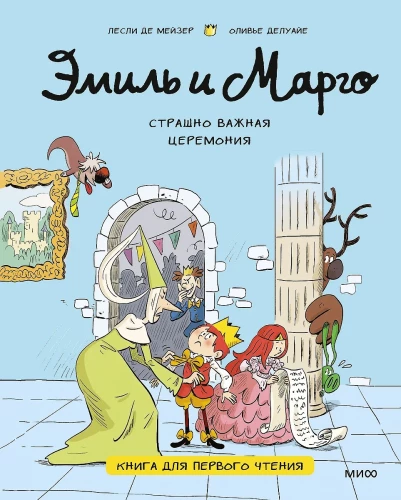
Emīls un Margo. Ļoti svarīga ceremonija. Grāmata pirmajai lasīšanai
Olive Deluaje, Lesli de Mejzer