








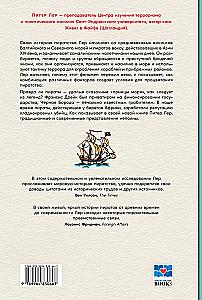


«The History of Piracy: From Vikings to the Present Day» — a compact yet thorough work by Peter Lehr, one of the world's leading experts on maritime security and counter-terrorism. The scholar avoids the romanticization of pirate life common in modern culture and examines piracy as a business, exploring the interests behind it. The author analyzes the motives for choosing this risky profession and the economic reasons for the phenomenon, highlighting the role of the state in encouraging piracy throughout history: from privateers sanctioned by Queen Elizabeth I to modern-day bandits operating off the coast of Africa.
In three parts, Lehr provides a detailed and expansive picture of the emergence, development, and decline (albeit incomplete) of global piracy — discussing crusader pirates, exotic vokoos and orang-louts, buccaneers and privateers, pirate ports and lairs, raids on cities and «the good life», robotic ships, rules of conduct for hostages, and advanced strategies for protecting vessels from attack.
Review
Pirates rarely acted alone: behind maritime raids were trade interests, poverty, wars, and sometimes the support of rulers. Peter Lehr illustrates these connections by comparing the stories of maritime marauders from different eras and corners of the world.
Especially interesting is the author's broad perspective: the Caribbean Sea, familiar from novels, becomes just a part of a story that encompasses Europe, Africa, and Asia. Such comparisons help to understand why piracy resurfaces even when it seems to have been long defeated.
The book will appeal to those who love historical non-fiction and want to understand how the world operates beyond familiar legends. It is filled with facts and unexpected parallels that allow for a new perspective on maritime trade, power, and the struggle for wealth.
Bestsellers