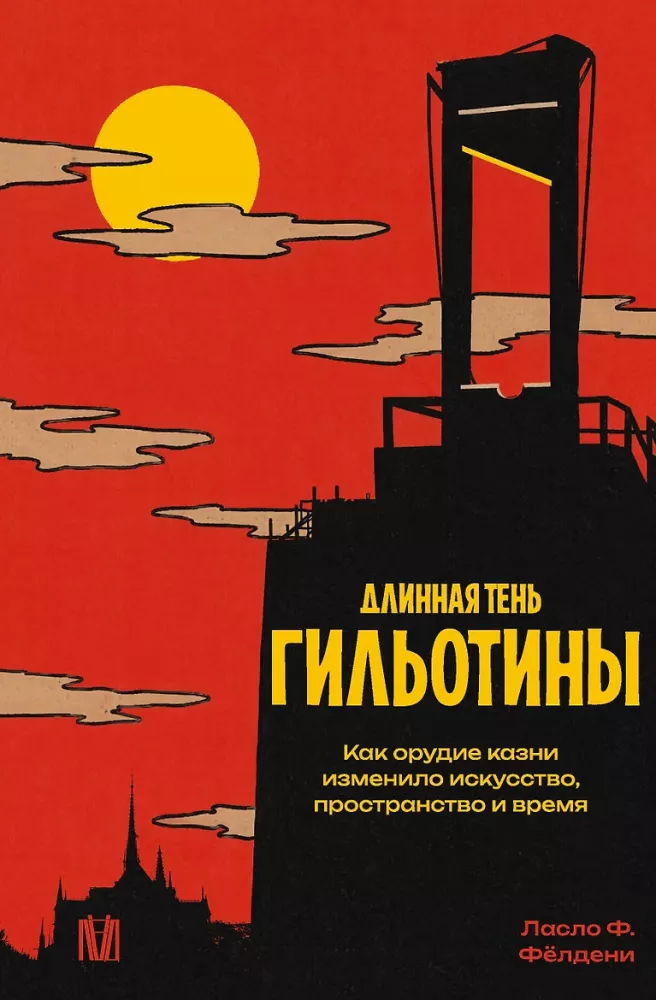
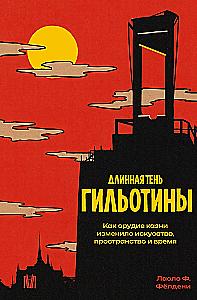
The Long Shadow of the Guillotine. How the Instrument of Execution Changed Art, Space, and Time
Author: Ласло Ф. Фёлдени
Printhouse: AST
Series: Nonfiction. Meanings and Contexts
Age restrictions: 16+
Year of publication: 2026
ISBN: 9785171762827
Number of pages: 320
Size: 218x145x22 mm
Cover type: твердая
Weight: 487 g
ID: 1751474
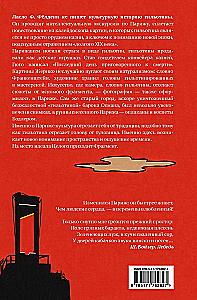
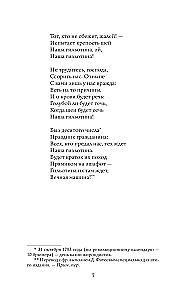
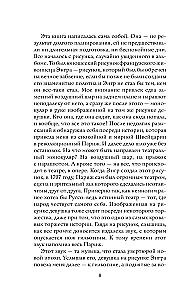
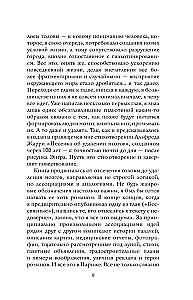
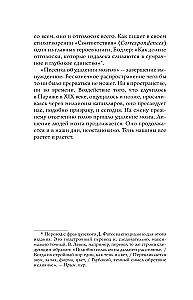
Laszlo F. Feldenyi does not write a cultural history of the guillotine. He conducts an intellectual tour of Paris, weaving a narrative from a kaleidoscope of images in which the guillotine is not just an instrument of execution, but a key to understanding a new era, a latent reflection of the «long 19th century». Parisian women wore earrings in the shape of guillotines, guillotines were sold as children's toys. Witnessing the conveyor of executions, Hugo wrote «The Last Day of the Condemned». Gericault's paintings are frightening in their naturalism for a reason: like Frankenstein, the artist kept the heads of the guillotined in his studio. Art, where the camera, like a guillotine, severs stories from the sought-after fragment, — photography — also took shape in Paris. The old city itself, soon to be destroyed by the ruthless «guillotine» of Baron Haussmann, was inadvertently immortalized in photographs, and the ruins of demolished Paris were mourned and celebrated by Baudelaire. It is in Paris that culture cuts itself off from tradition, just as the guillotine severs the head from the body. It is here that a new understanding of space and a sense of time emerges. The Ideal of the Whole is replaced by the Fragment. Laszlo F. Feldenyi (born 1952) is a Hungarian writer, essayist, literary critic, and cultural theorist. His areas of interest include the history of ideas, the interconnection of literature, art, and philosophy.
Bestsellers





Publishers "AST" recommends