

Fundamentals of Violin Fingering
Author: Израиль Ямпольский
Printhouse: Muzyka
Age restrictions: 6+
Year of publication: 2023
ISBN: 9785714014727
Number of pages: 184
Size: 215х145х9 mm
Cover type: soft
Weight: 240 g
ID: 1746765
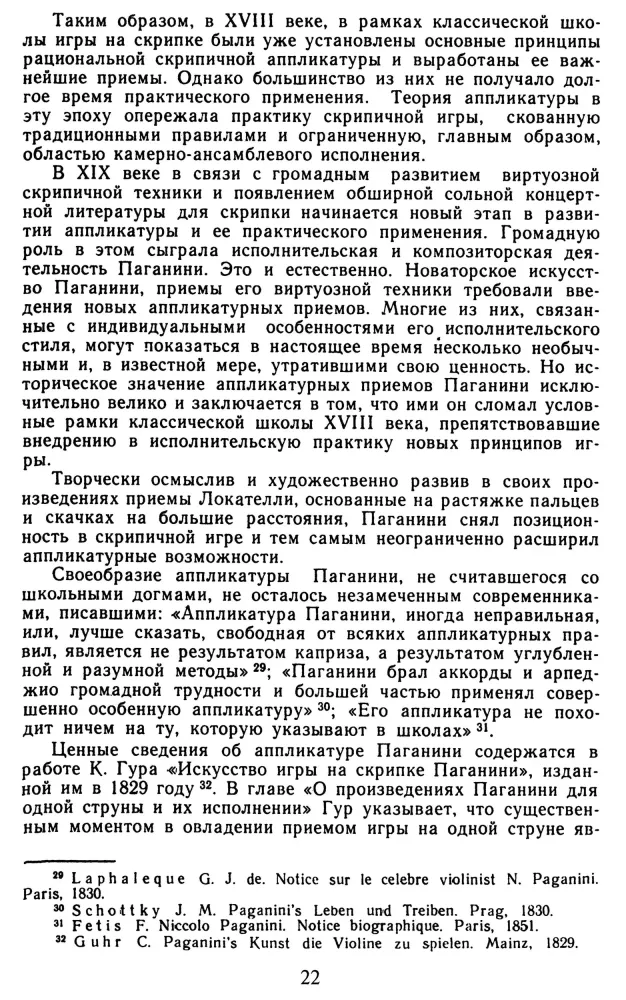
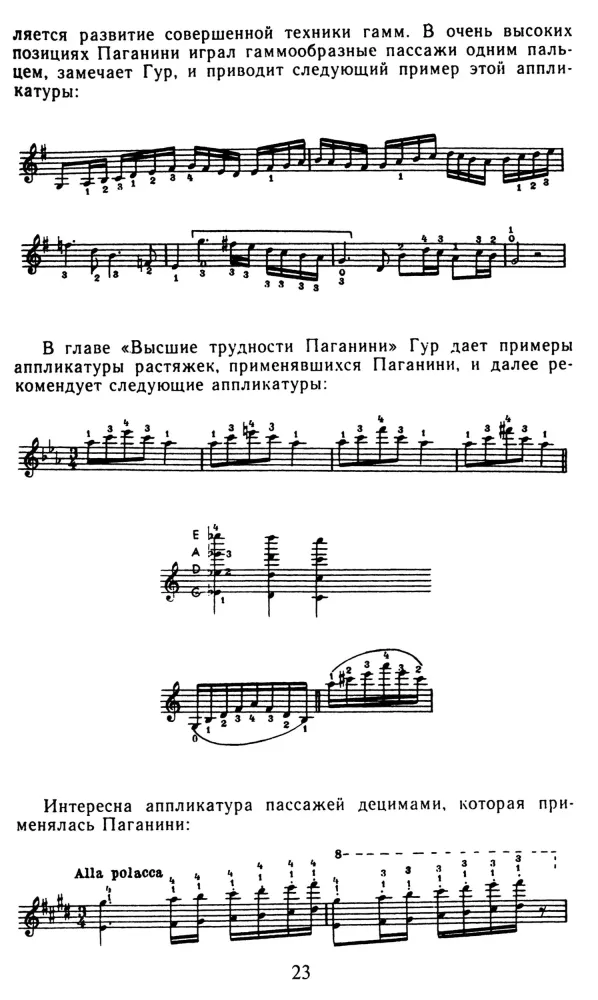
This edition is dedicated to a significant performance issue — fingering, the basic principles of which are rooted in artistic methodological experience, including that of the national violin school. The work has gained wide recognition and has been used for decades as one of the main educational and methodological aids.
Intended for teachers at all levels of music education.
Printed according to: Yampolsky I. M. Fundamentals of Violin Fingering. Moscow, Muzyka, 1977
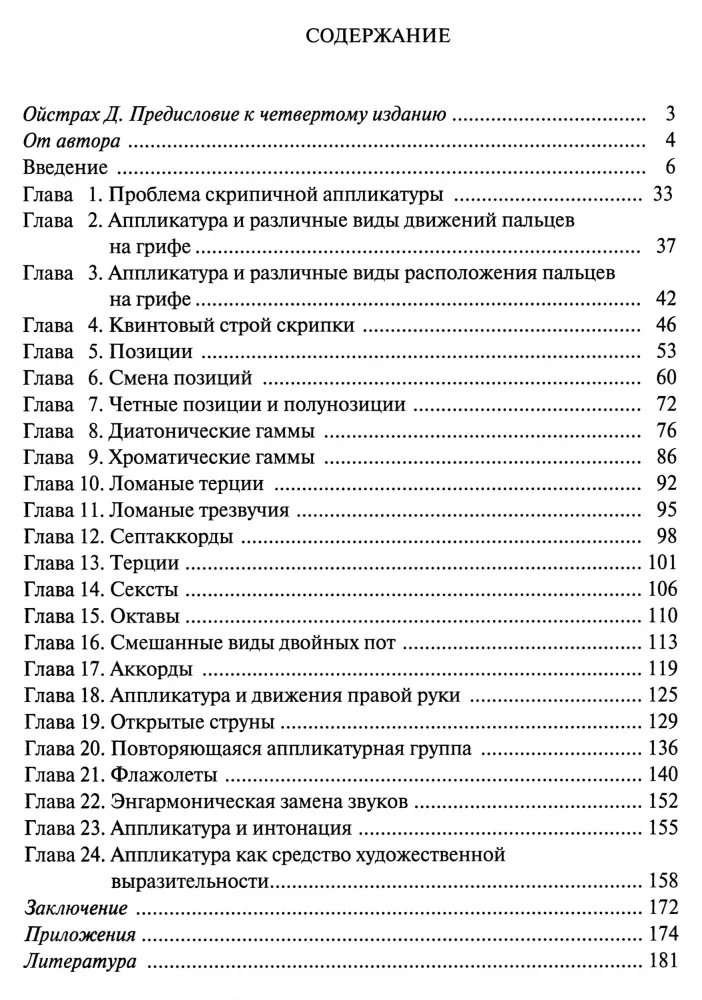
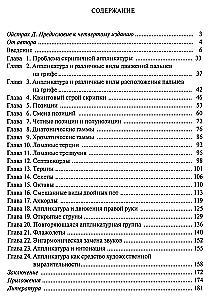
CONTENTS:
Oistrakh D. Preface to the Fourth Edition
From the Author
Introduction
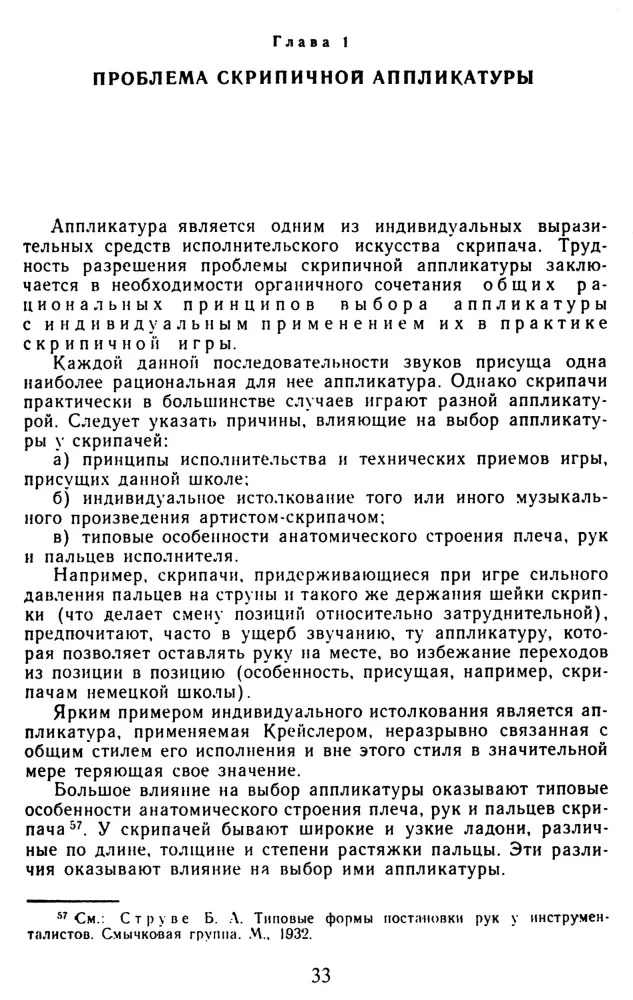
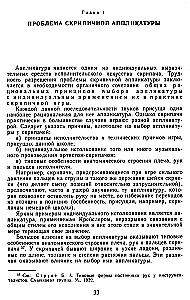
Chapter 1. The Problem of Violin Fingering
Chapter 2. Fingering and Various Types of Finger Movements on the Fingerboard
Chapter 3. Fingering and Various Types of Finger Placement on the Fingerboard
Chapter 4. The Fifths Tuning of the Violin
Chapter 5. Positions
Chapter 6. Changing Positions
Chapter 7. Even Positions and Half-Positions
Chapter 8. Diatonic Scales
Chapter 9. Chromatic Scales
Chapter 10. Broken Thirds
Chapter 11. Broken Triads
Chapter 12. Seventh Chords
Chapter 13. Thirds
Chapter 14. Texts
Chapter 15. Octaves
Chapter 16. Mixed Types of Double Stops
Chapter 17. Chords
Chapter 18. Fingering and Right Hand Movements
Chapter 19. Open Strings
Chapter 20. Repeating Fingering Groups
Chapter 21. Harmonics
Chapter 22. Enharmonic Substitution of Notes
Chapter 23. Fingering and Intonation
Chapter 24. Fingering as a Means of Artistic Expressiveness
Conclusion
Appendices
Literature
Bestsellers