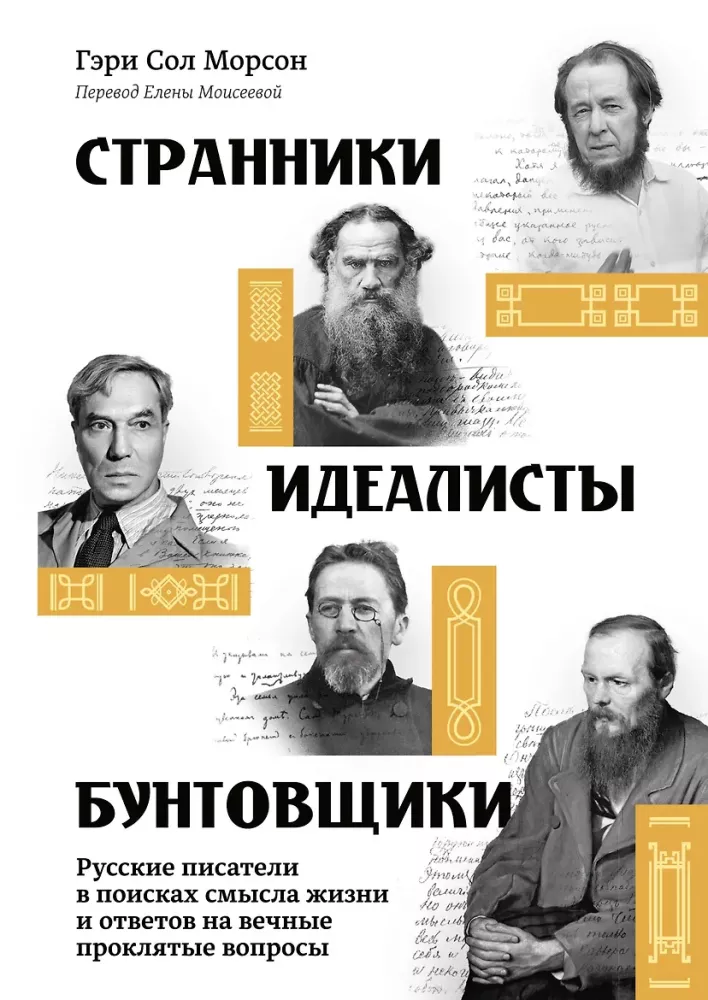
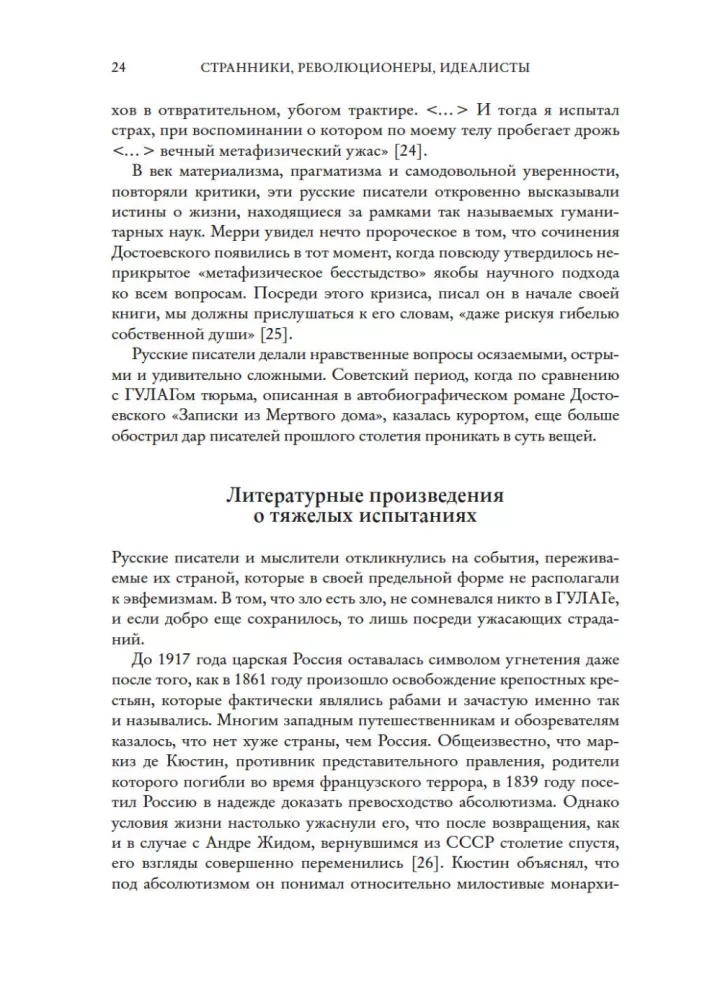
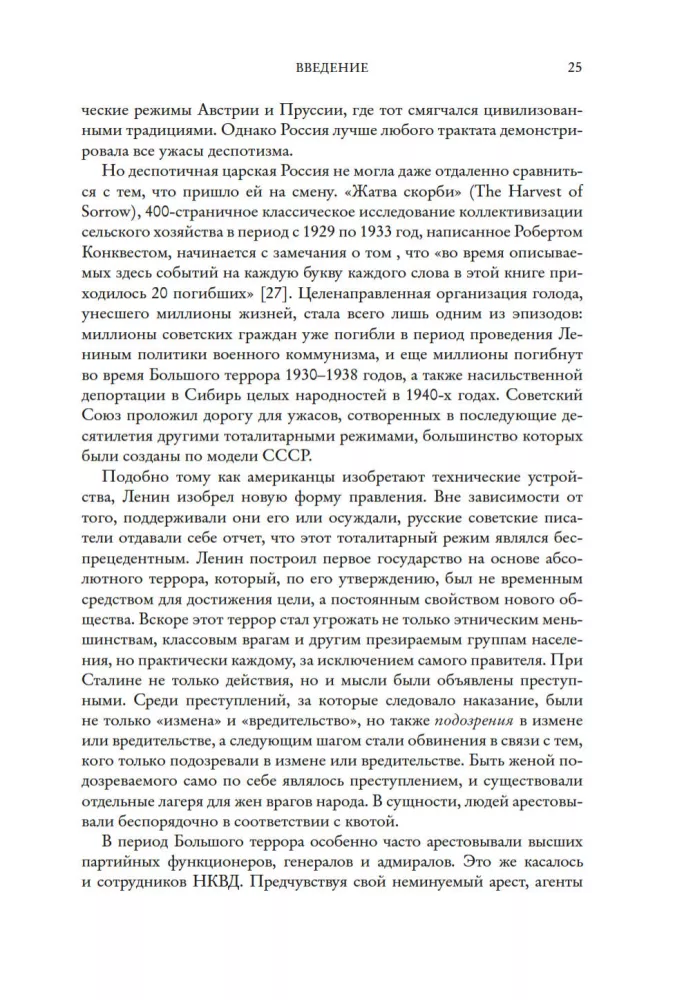
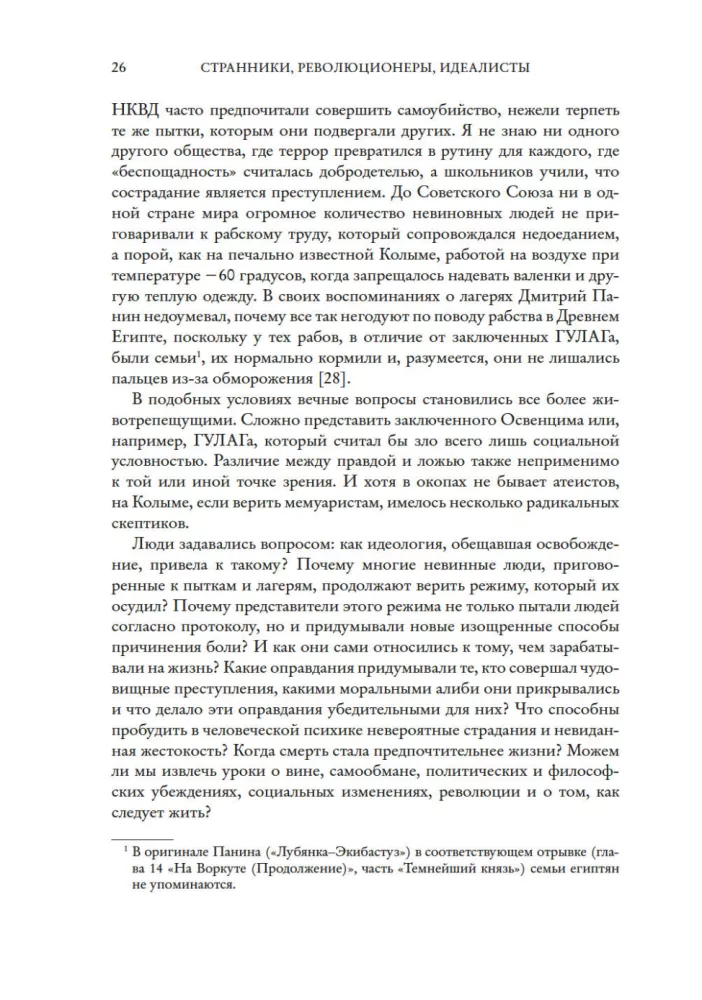
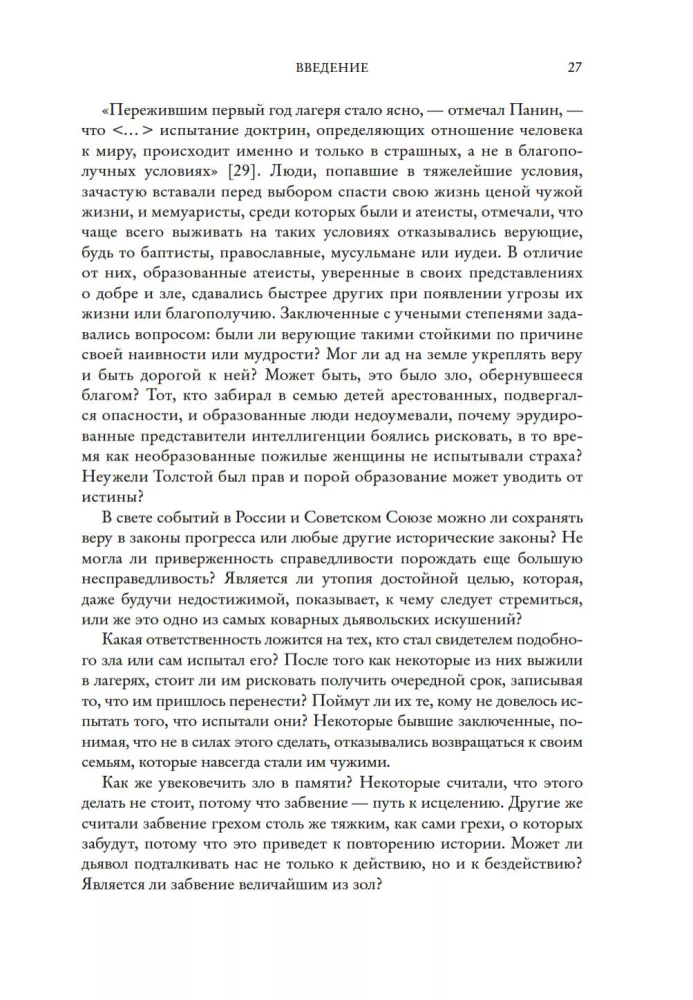
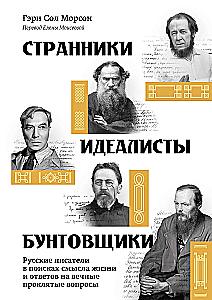
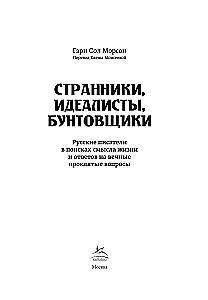
Wanderers, Idealists, Rebels. Russian Writers in Search of the Meaning of Life and Answers to Eternal Damned Questions
Author: Гэри Соул Морсон
Printhouse: Azbuka
Series: The Thinking Human. Ideas That Can Change the World
Age restrictions: 16+
Year of publication: 2026
ISBN: 9785389292208
Number of pages: 560
Size: 240х170х29 mm
Cover type: hard
Weight: 888 g
ID: 1745645
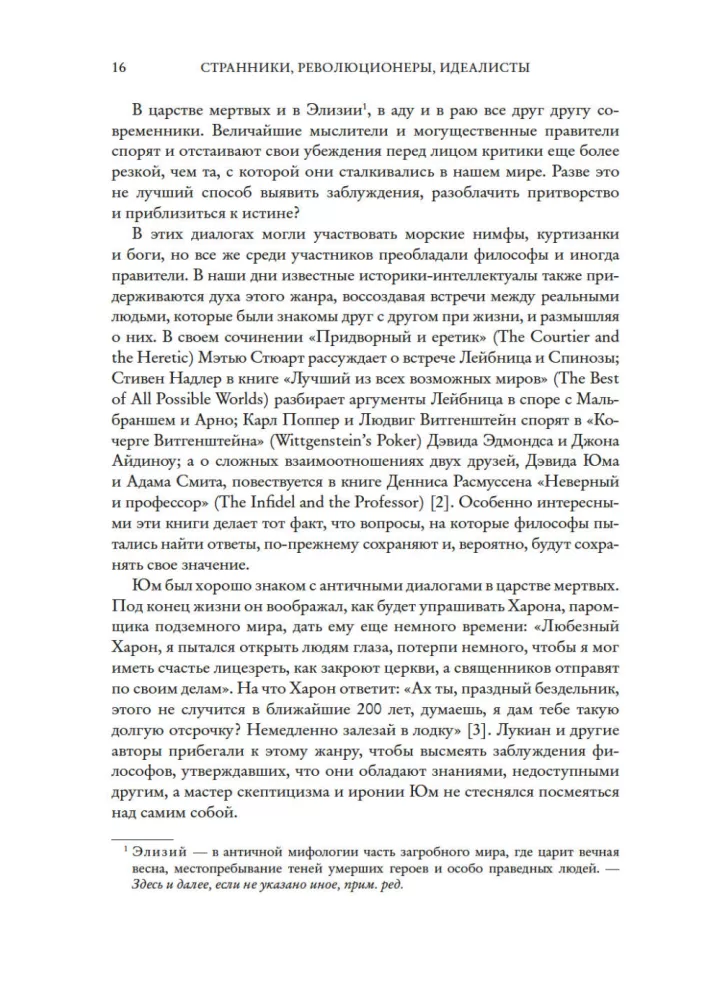
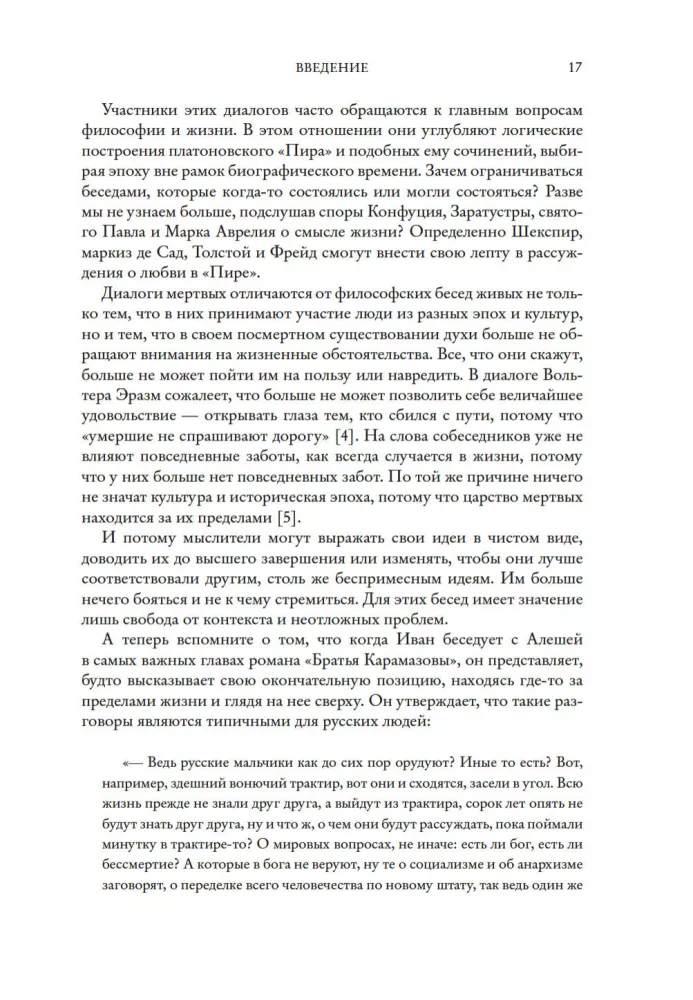
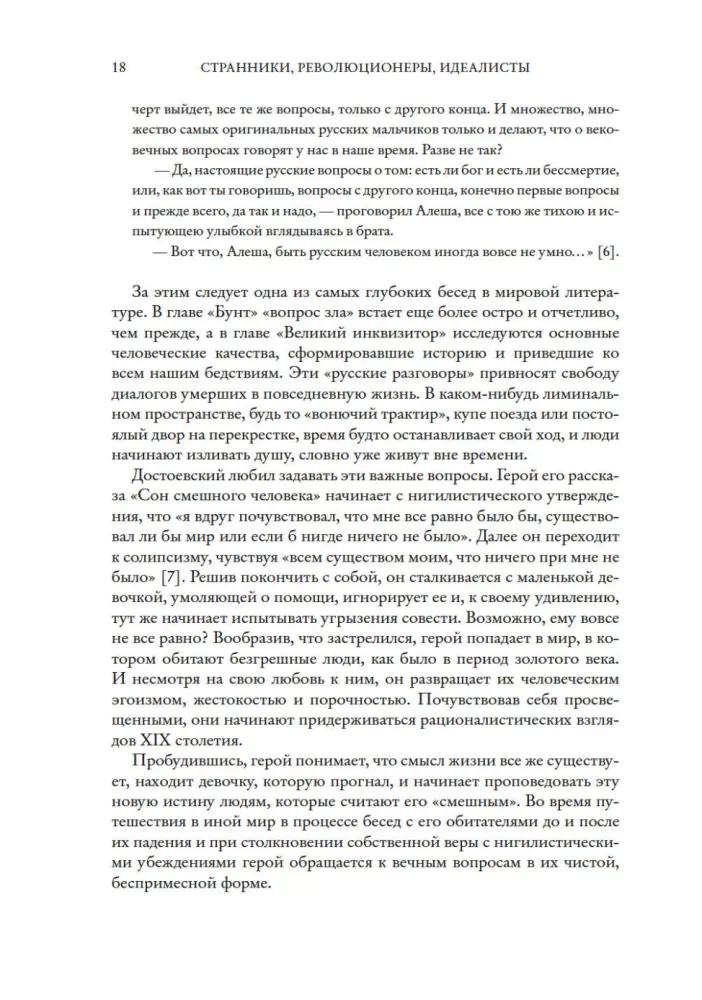
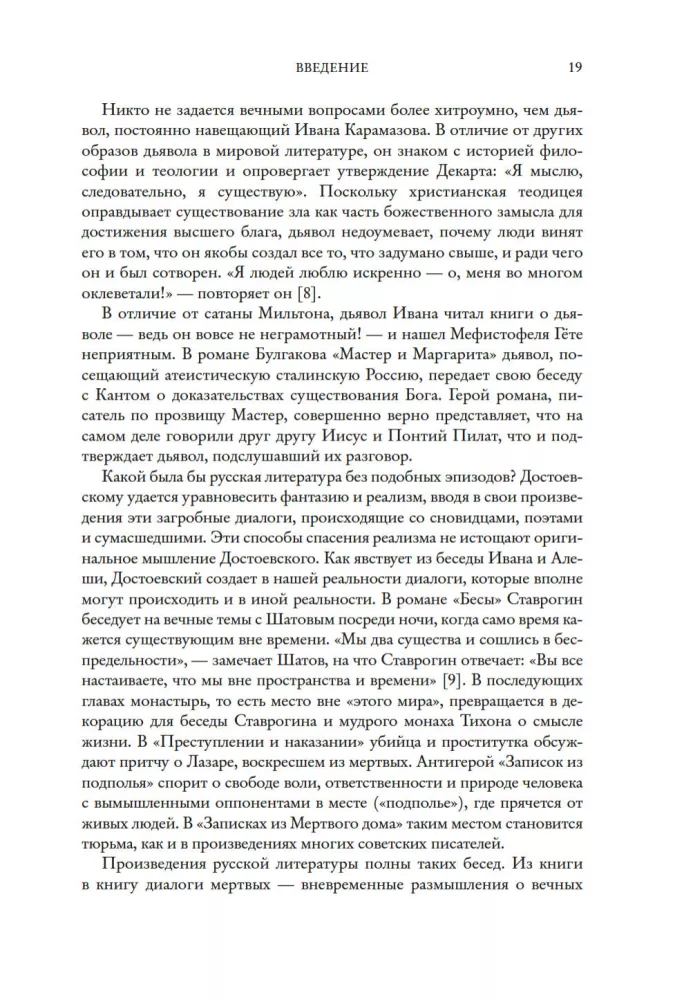
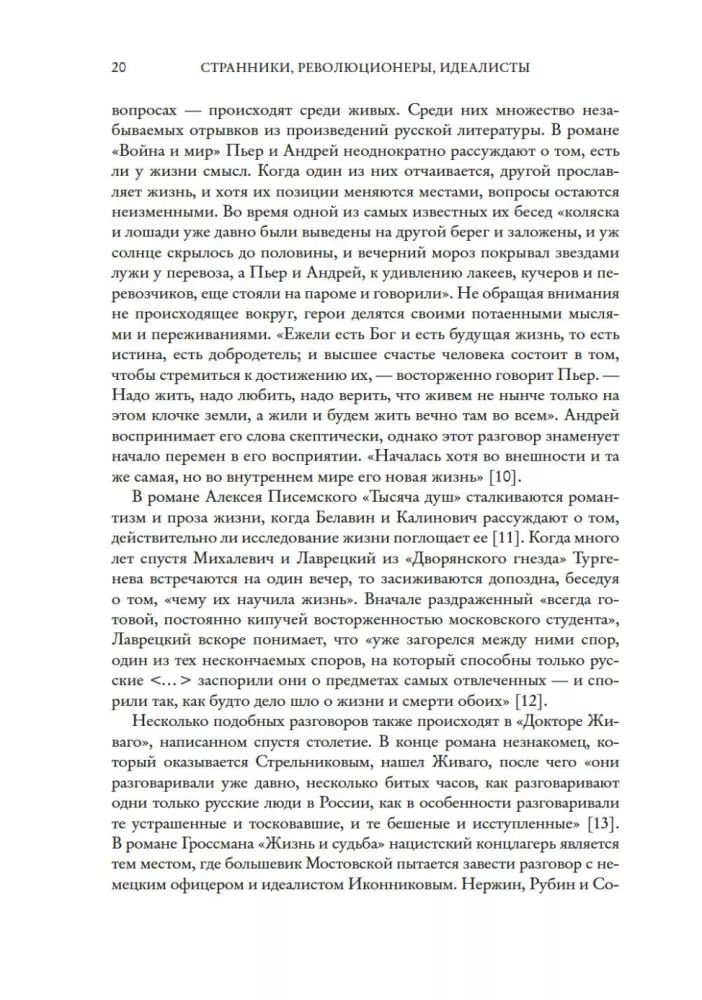
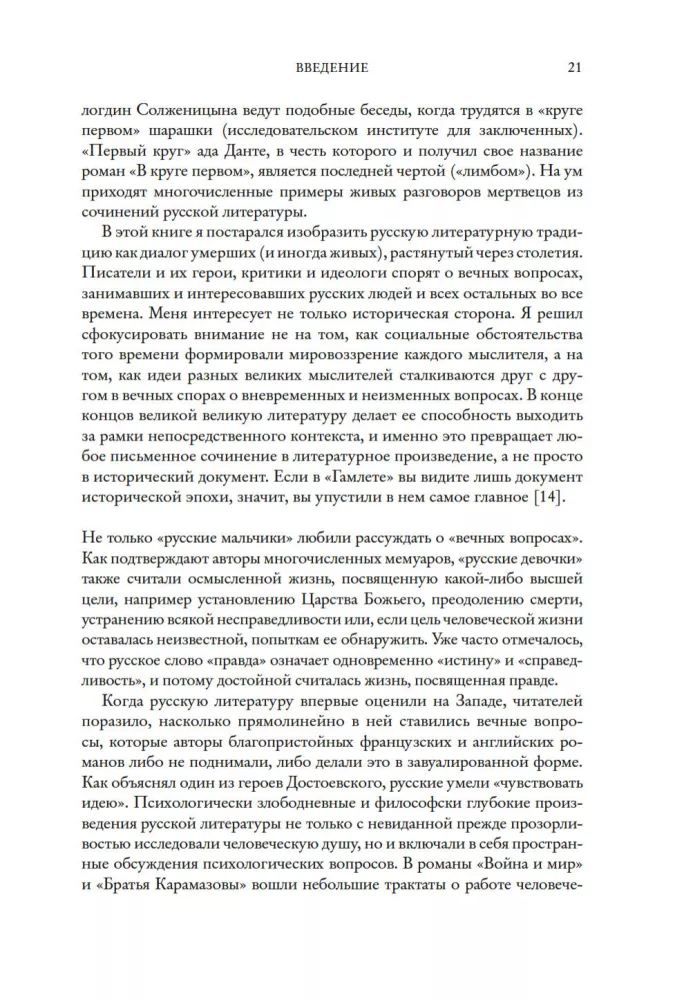
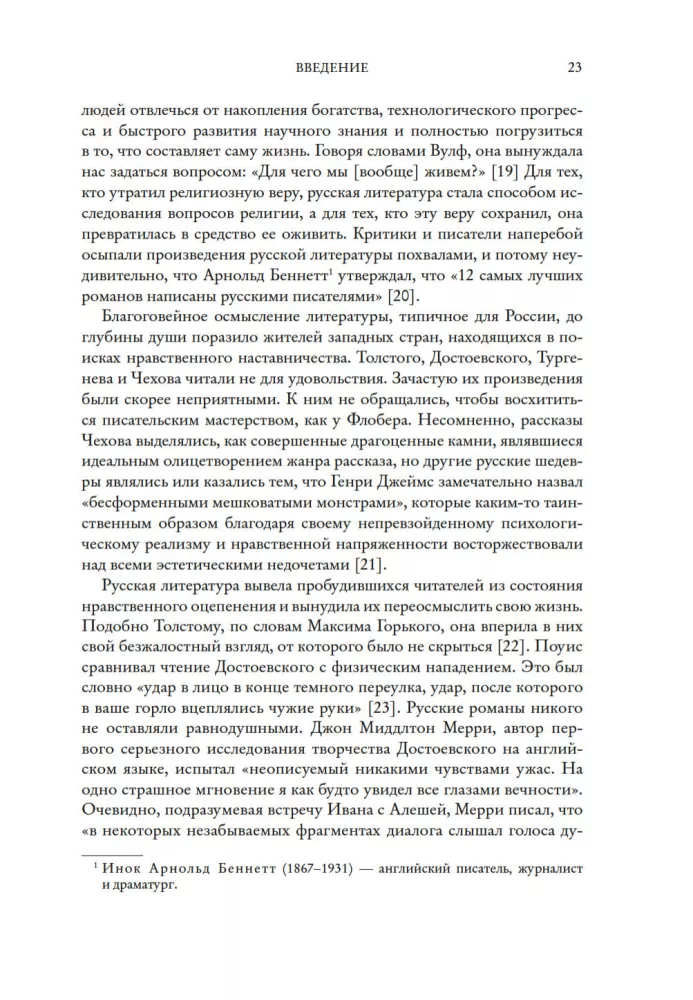
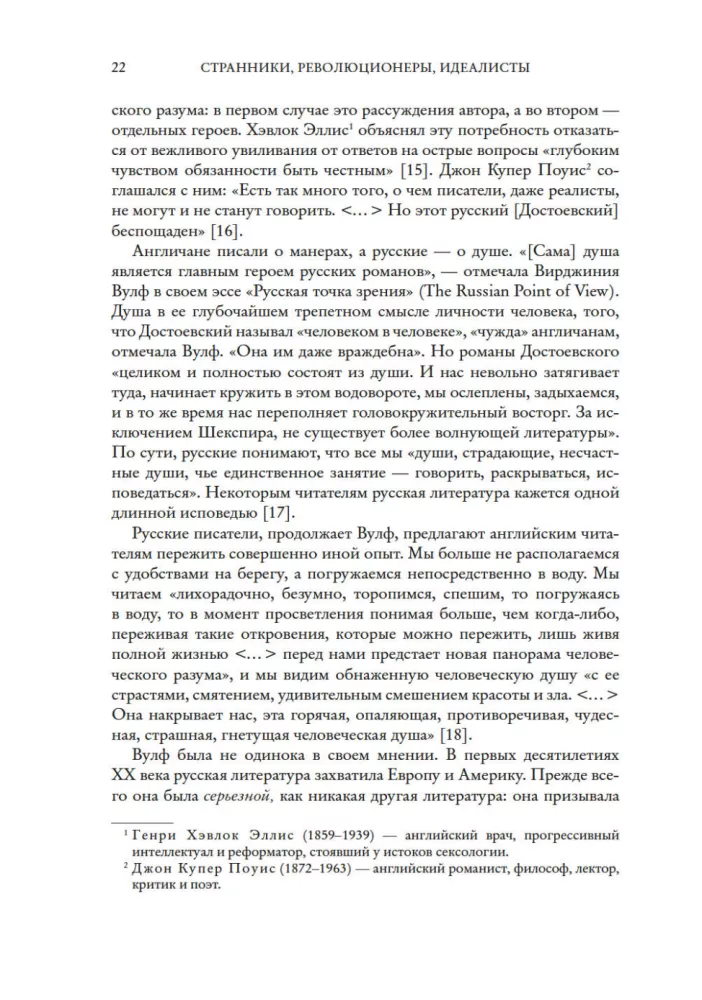
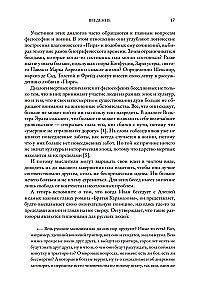
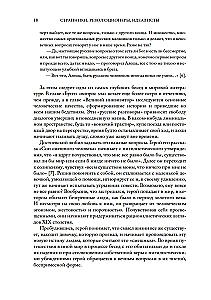
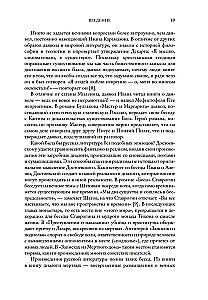
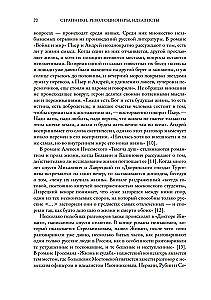
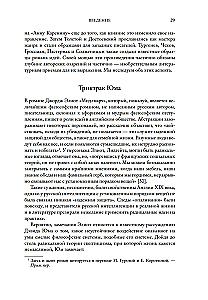
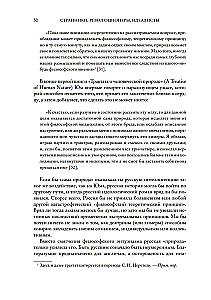
Russian literature has had an invaluable impact on world culture and continues to occupy the minds of readers both at home and abroad. Immersing in the canon of Russian classics, in his extensive study "Wanderers, Idealists, Rebels: Russian Writers in Search of the Meaning of Life and Answers to Eternal Damned Questions," Slavist Gary Saul Morson offers a new perspective on Russian classics and their authors and traces how ideas about good, evil, freedom, and moral responsibility migrated from noble estates to revolutionary circles and Soviet reality.
Under the sky of Austerlitz, Andrei Bolkonsky realizes what he had not realized before. Ivan Turgenev captures idealists in his works – young thinkers, romantics, Don Quixotes. The heroes of Fyodor Dostoevsky endlessly ponder questions of life and death and seek answers. Yevgeny Zamyatin's novel "We" becomes a pioneer of the dystopian genre, while recollections of the horrors of the Gulag or Stalinism, such as "Tight Route" by Evgenia Ginzburg or "Memories" by Nadezhda Mandelstam, are recognized masterpieces of world literature.
Since the 19th century, Russian classics have posed questions such as: what is good and evil? Is there freedom of choice? How did an ideology that promised liberation lead to torture and the NKVD's basements? Why did innocent people condemned to camps continue to believe in the regime that sentenced them? Can one maintain faith in progress in the face of a repressive machine? Russian literature is full of such conversations and deep reflections. Many moral questions that philosophers have struggled with for centuries were made tangible, sharp, and remarkably complex by Russian writers, transforming literature into a rich source of revelations. From book to book, timeless reflections on eternal questions stir the minds of readers, touching the most sacred strings of the soul and placing the works of the greatest Russian writers at the epicenter of world literature. Prominent literary scholar and Slavist Gary Saul Morson invites the reader on a journey through the great literary canon of the past, exploring how ideas of good, evil, freedom, and moral responsibility migrated from noble estates to revolutionary circles and Soviet reality. This book is a profound study and captivating panorama of Russian thought, at the center of which lies the very essence of human nature.
• A deep analysis of the texts of famous Russian classics.
• The book examines Tolstoy, Dostoevsky, Chekhov, Turgenev, Belinsky, Herzen, Uspensky, Lenin, Solzhenitsyn, Bakunin, Blok, and others. Great attention is also paid to women of Russian classics: Vera Zasulich, Sofia Kovalevskaya, Vera Figner, Evgenia Ginzburg, Nadezhda Mandelstam, and others.
• An interesting opportunity to view native culture through the eyes of a foreigner.
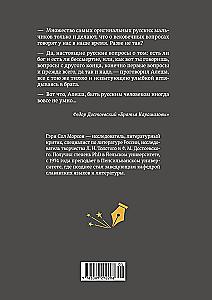
• The cover is decorated with embossing and glossy varnish, as well as samples of the writers' handwriting.
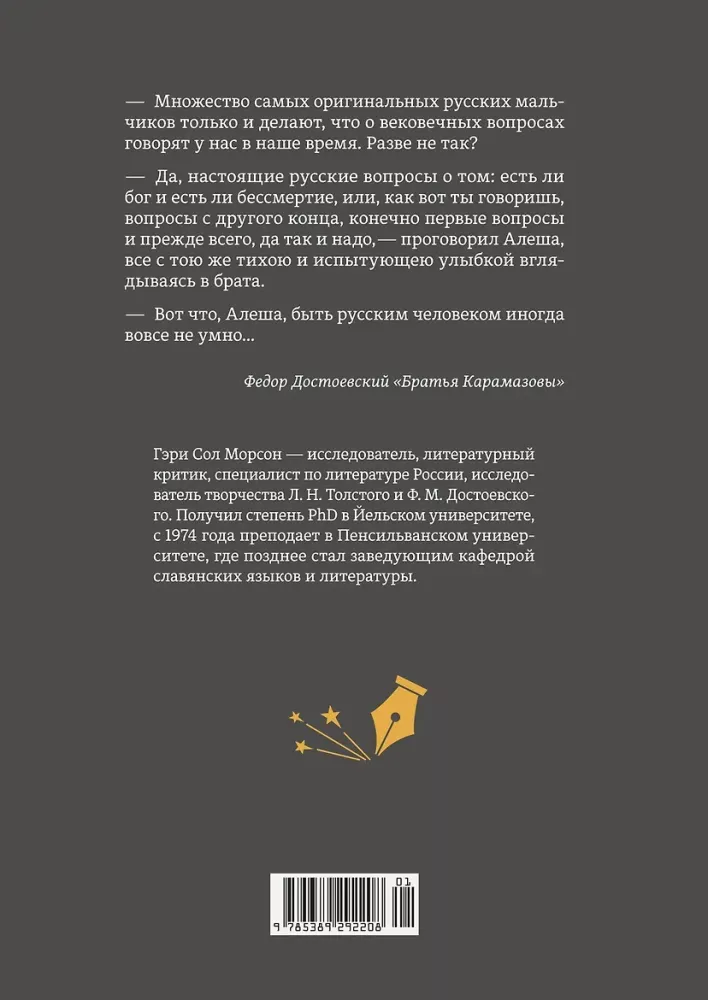
• Gary Saul Morson (PhD) is a researcher, literary critic, specialist in Russian literature, and an expert on the works of Tolstoy and Dostoevsky. He is the head of the Department of Slavic Languages and Literatures at the University of Pennsylvania.
Bestsellers