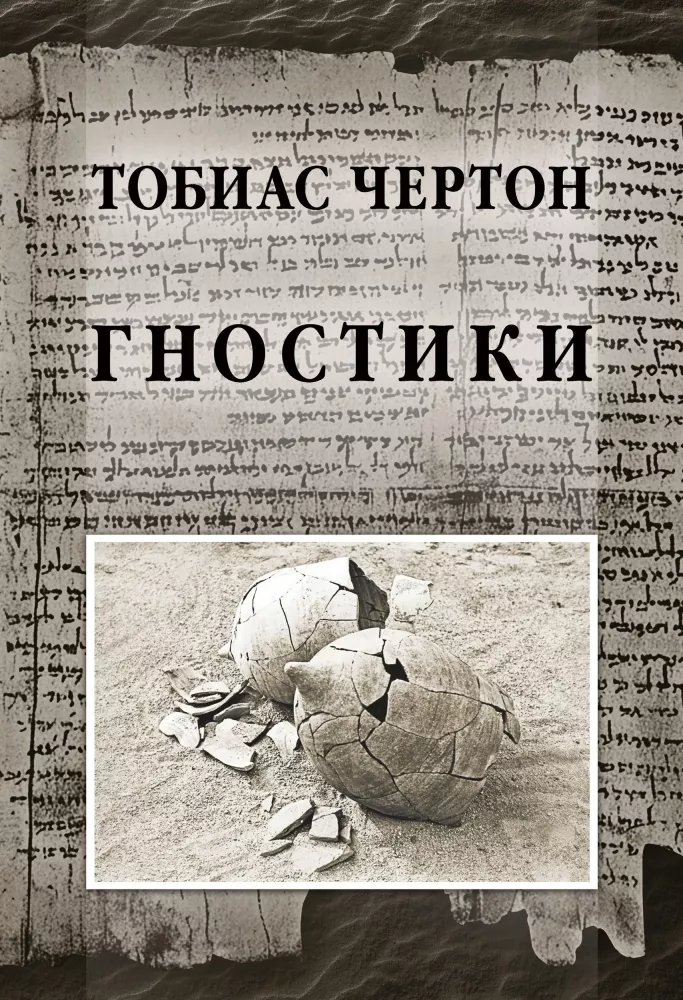

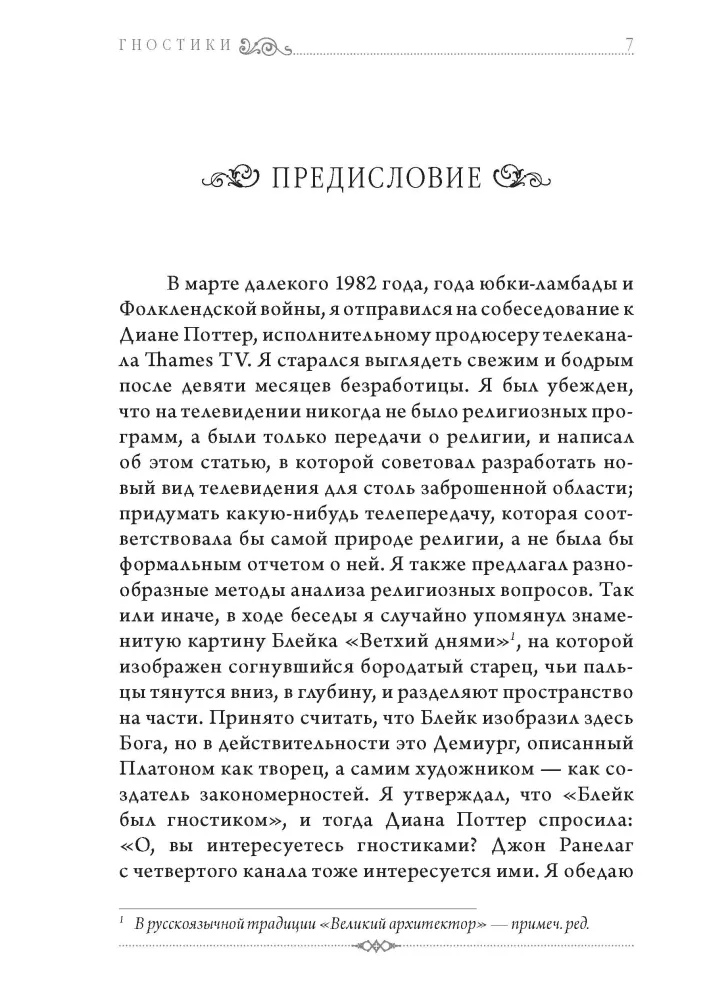
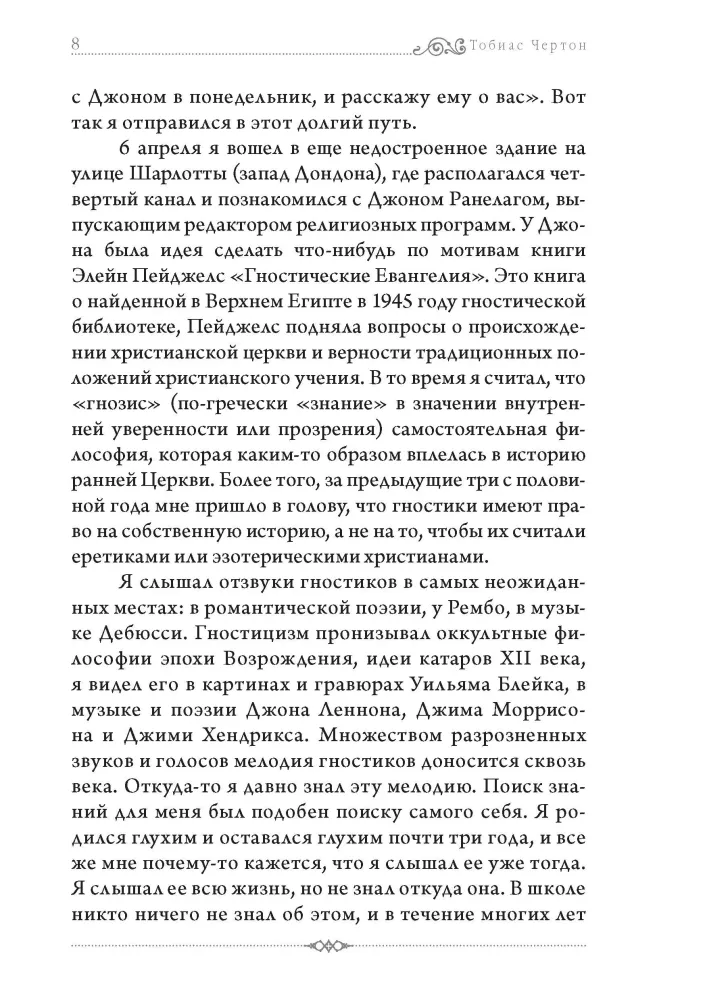
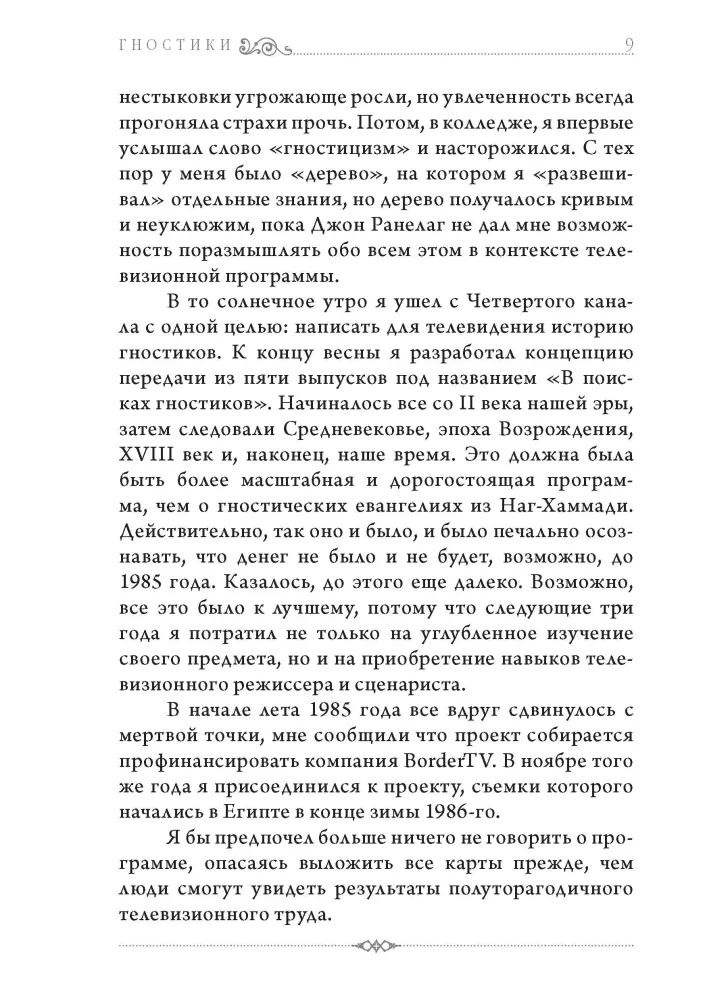
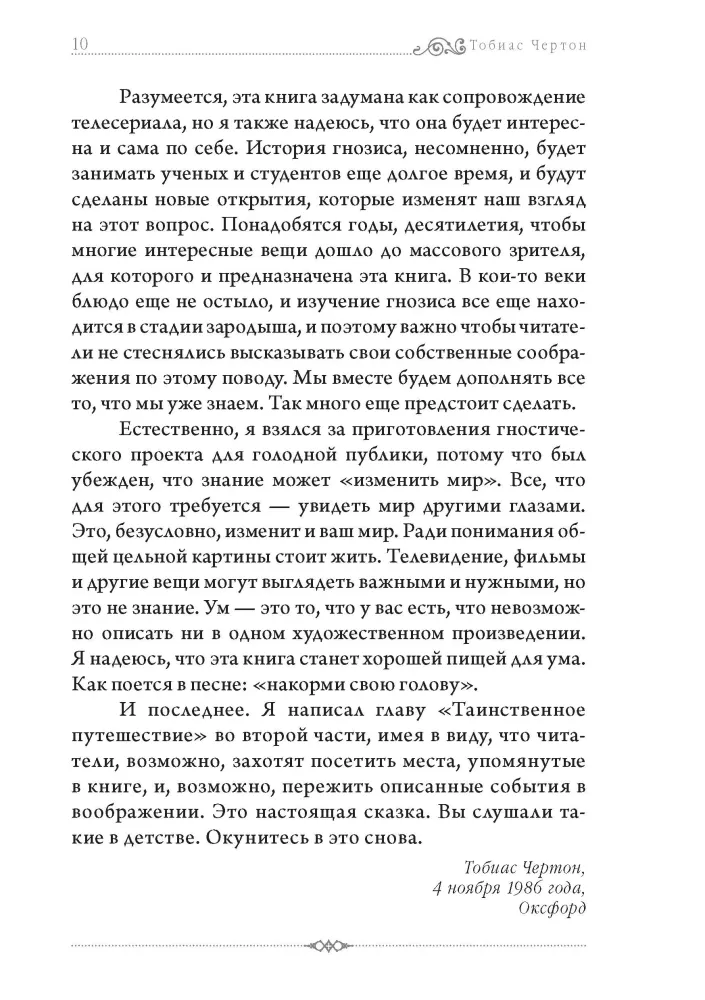

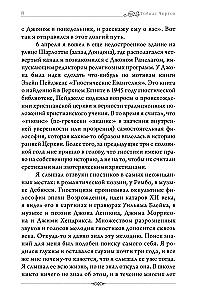
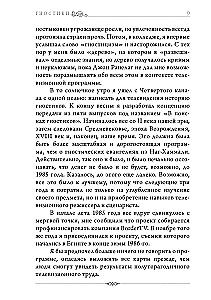
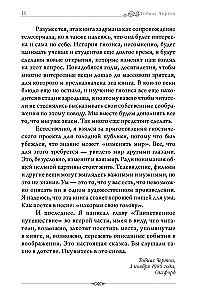
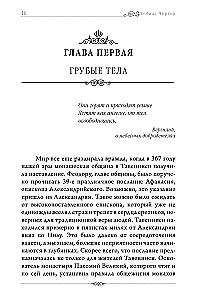
In Greek, the word «gnosis» means «knowledge». The Gnostics used it to denote spiritual knowledge. They believed that knowledge could free them from the evils of the material universe. As a mystical version of the Christian tradition, Gnosticism was pressured...
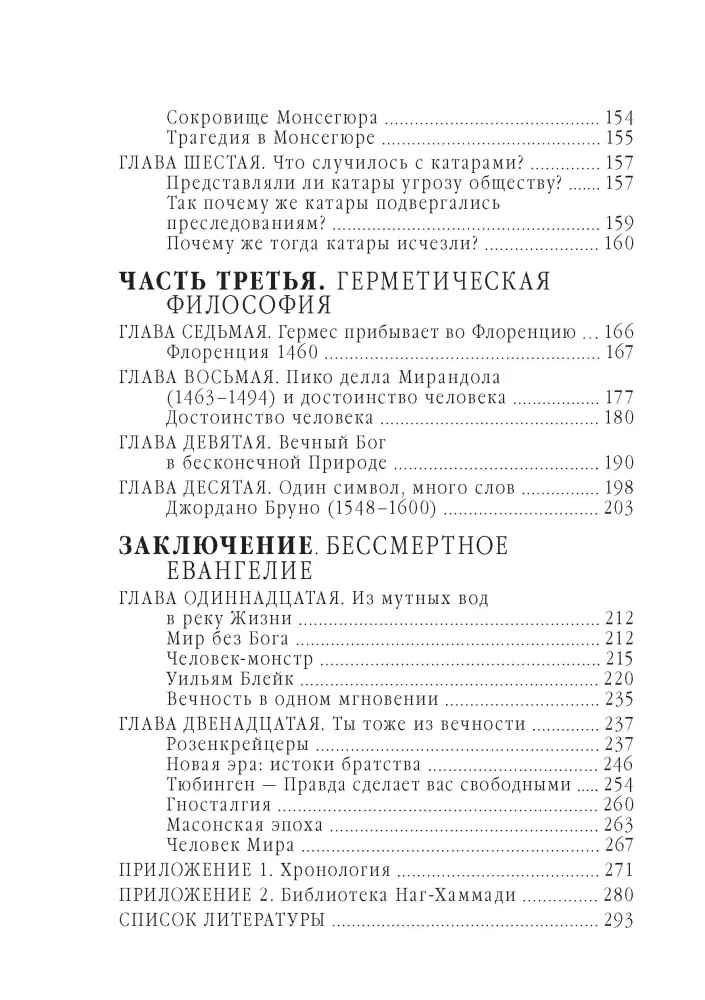
by the official church and, as a consequence, remains little known or misunderstood to this day. Tobias Churton opens up gnosis to a wide circle of inquisitive readers and hopes to restore Gnosticism's own history, not reducing it to heretical chapters of orthodoxy. The «Gnostic gospels», buried in the 4th century in Nag Hammadi, Egypt, and discovered in 1945, become the starting point of a spiritual journey that stretched over two millennia and across Europe. He pays special attention to Southern France in the 12th and 13th centuries, as it was there that Gnosticism, on the verge of extinction, was revived as the Cathar movement, a heresy so abhorrent to the church that it established the Inquisition specifically to destroy it. But fire and sword could not eradicate the ideas of the Gnostics. They are an integral and compelling part of our culture, for the influence of the Gnostics spread even further, to figures such as humanist philosopher Pico della Mirandola, poet William Blake, and composer John Lennon, who admired the Gnostics because they «became Christ themselves».
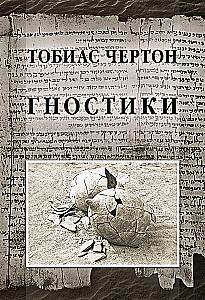
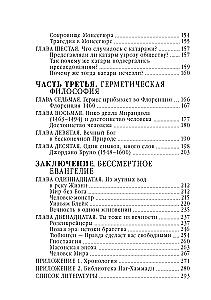
In Greek, the word «gnosis» means «knowledge». The Gnostics used it to denote spiritual knowledge. They believed that knowledge could free them from the evils of the material universe. As a mystical version of the Christian tradition, Gnosticism was pressured by the official church and, as a consequence, remains little known or misunderstood to this day. Tobias Churton opens up gnosis to a wide circle of inquisitive readers and hopes to restore Gnosticism's own history, not reducing it to heretical chapters of orthodoxy. The «Gnostic gospels», buried in the 4th century in Nag Hammadi, Egypt, and discovered in 1945, become the starting point of a spiritual journey that stretched over two millennia and across Europe. He pays special attention to Southern France in the 12th and 13th centuries, as it was there that Gnosticism, on the verge of extinction, was revived as the Cathar movement, a heresy so abhorrent to the church that it established the Inquisition specifically to destroy it. But fire and sword could not eradicate the ideas of the Gnostics. They are an integral and compelling part of our culture, for the influence of the Gnostics spread even further, to figures such as humanist philosopher Pico della Mirandola, poet William Blake, and composer John Lennon, who admired the Gnostics because they «became Christ themselves».
In stock
€ 23.89
Will be delivered to United States on 12 August (We):
By courier
from
€ 38.94
In stock
€ 23.89
Will be delivered to United States on 12 August (We):
Be the first to know about our current discounts, offers and new products!
Check icon
You have added to your basket
Check icon
You have added to favourites
Sold out
The item is currently out of stock.
In stock
Available in warehouse. You will receive the exact delivery date from the operator after the order confirmation.
To order
The product is delivered directly from the publisher. The order processing time is up to 14 days, you will receive the exact delivery date from the operator after the order confirmation.
No circulation
Unfortunately, the print run of the book has ended, it is currently unavailable for order.