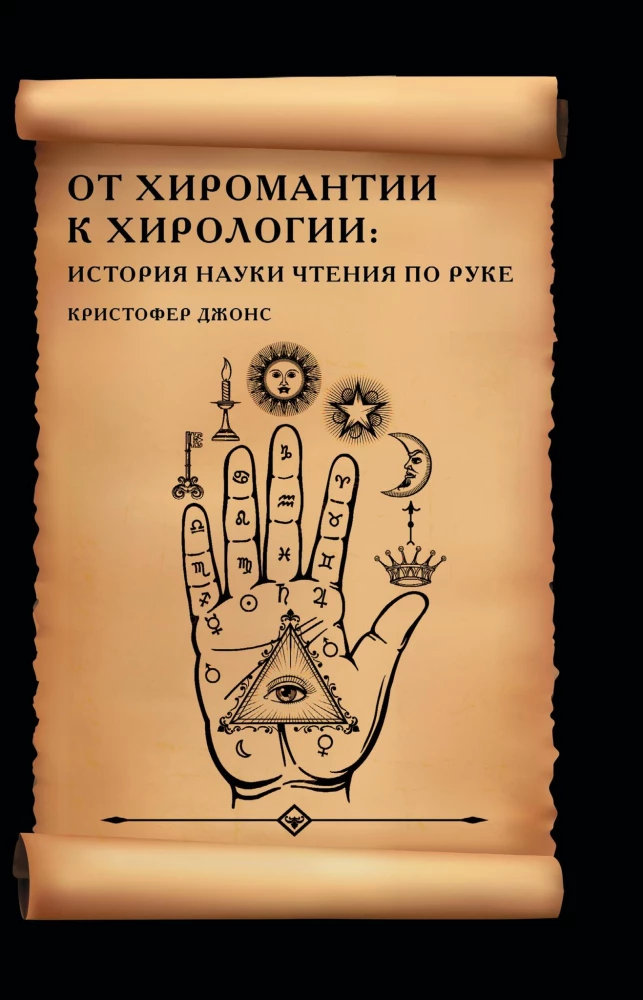
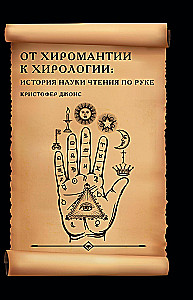

From Chiromancy to Chirophology
Author: Кристофер Джонс
Printhouse: KASTALIIa
Age restrictions: 16+
Year of publication: 2018
ISBN: 9785519658607
Number of pages: 268
Size: 242х172х17 mm
Cover type: hard
Weight: 560 g
ID: 1744116
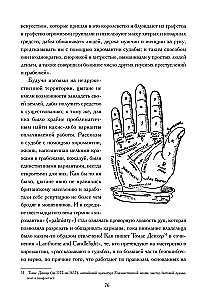
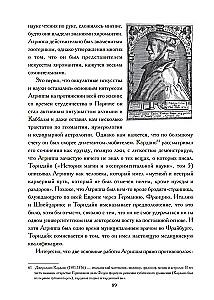
Christopher Jones is a significant figure in the history of modern chirophology. As a former head of the London Chirophological Society and a Master of Arts (Oxford), he has conducted research for many years on the history of the palm reading tradition, relying not only on scientific works but also on primary sources stored in European libraries and museums. However, unlike other researchers in the history of occult sciences—of which chiromancy is a part—C. Jones is himself a high-class specialist in palm reading, having nurtured a number of talented students known both in England and beyond, including notable chiromancers such as Johnny Fincham and Lynn Seal.
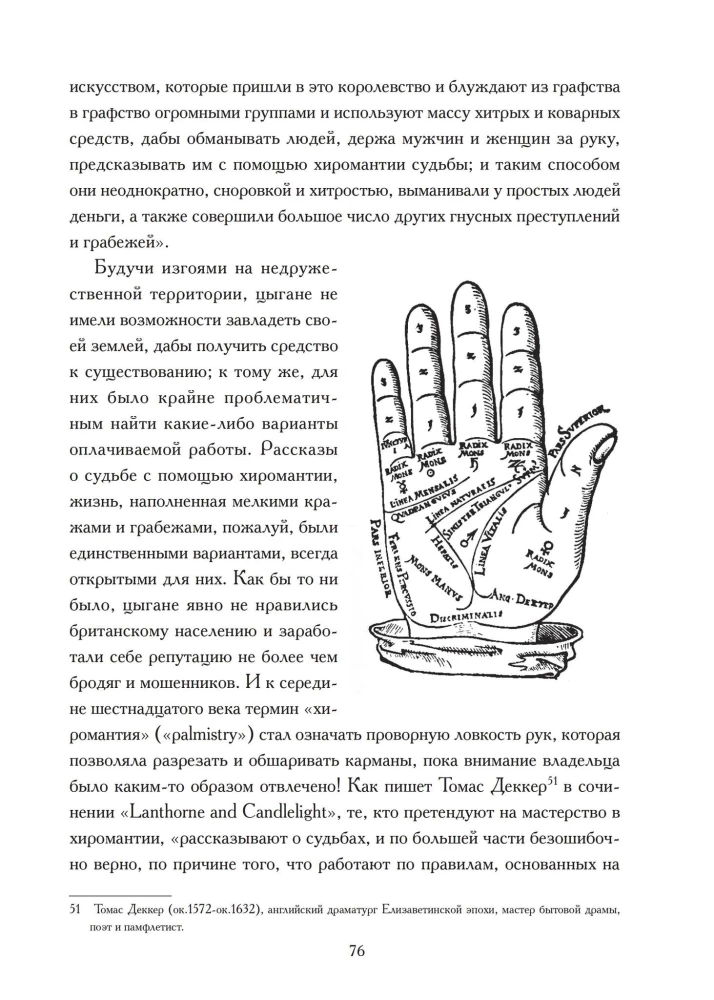
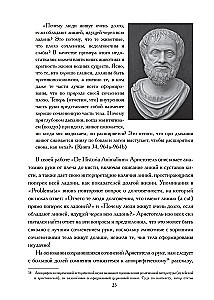
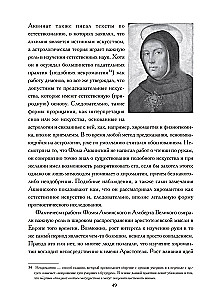
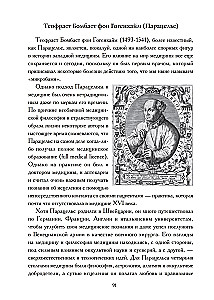
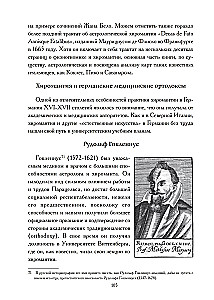
With the aim of debunking baseless myths, C. Jones traces the history of palm reading from its inception thousands of years ago in the vastness of India up to the mid-20th century. Based on scientific research, sources on chiromancy, and his own experience, he seeks to identify the most important works of various periods, and to understand the historical context in which the views of different representatives of the tradition were formed. In Jones's book, detailed descriptions of outdated methods and views, which may still hold certain interest for us, are repeatedly provided.
As a practicing master, Jones does not regard chiromancy as a dead or stagnant art, but instead draws readers' attention to the fact that in the 20th century, chirophology emerged—psychologically oriented palm reading, to which many scholars and researchers have paid tribute. Through his student Julius Spier, Carl Jung became acquainted with chirophology, even writing a foreword to Spier's only book dedicated to children’s hands. Maria-Louise von Franz recalled an impressive palm consultation with Spier in one of her works. Since then, chirophology, like astrology, has garnered the interest of psychologists and psychoanalysts, becoming one of the unconventional methods for diagnosing personal changes.
Bestsellers