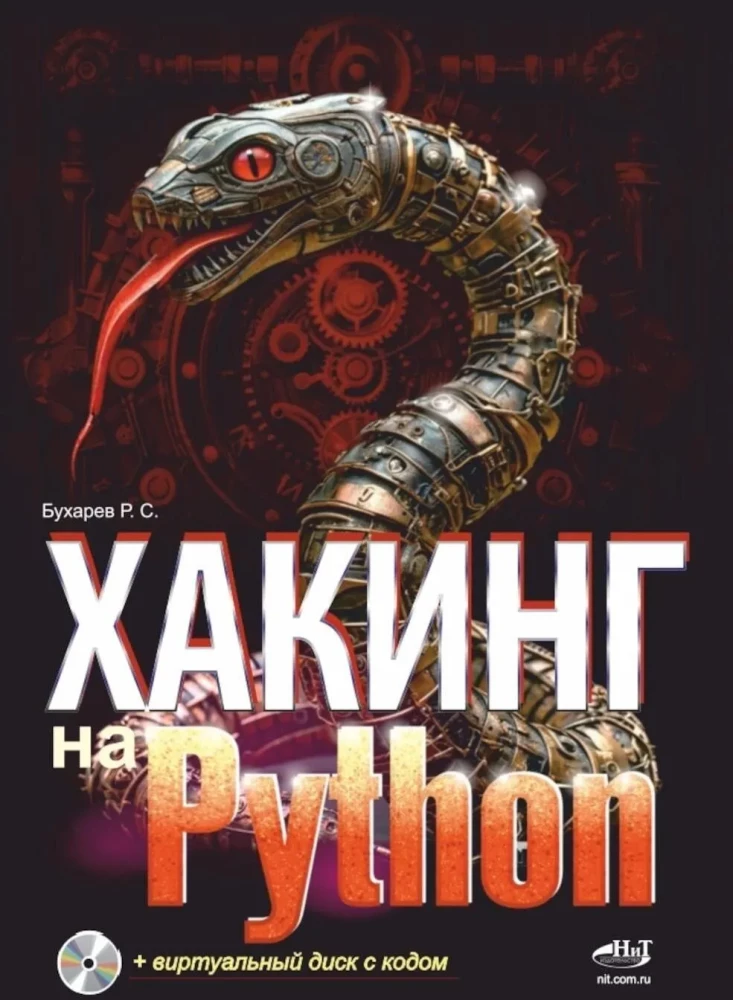
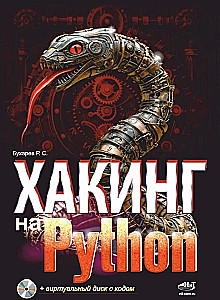
Hacking in Python
Author: Руслан Бухарев
Printhouse: Nauka i tekhnika
Age restrictions: 12+
Year of publication: 2025
ISBN: 9785907592612
Number of pages: 368
Size: 250х170х15 mm
Cover type: soft
Weight: 339 g
ID: 1740425
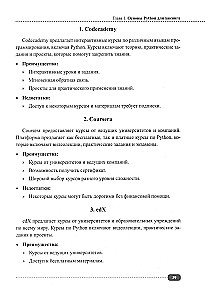
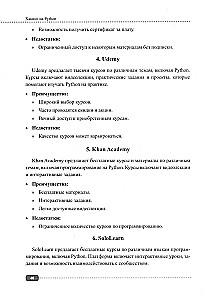
This practical guide to hacking in Python will immerse you in the exciting world of cybersecurity and explore the fundamental aspects of using Python in this field.
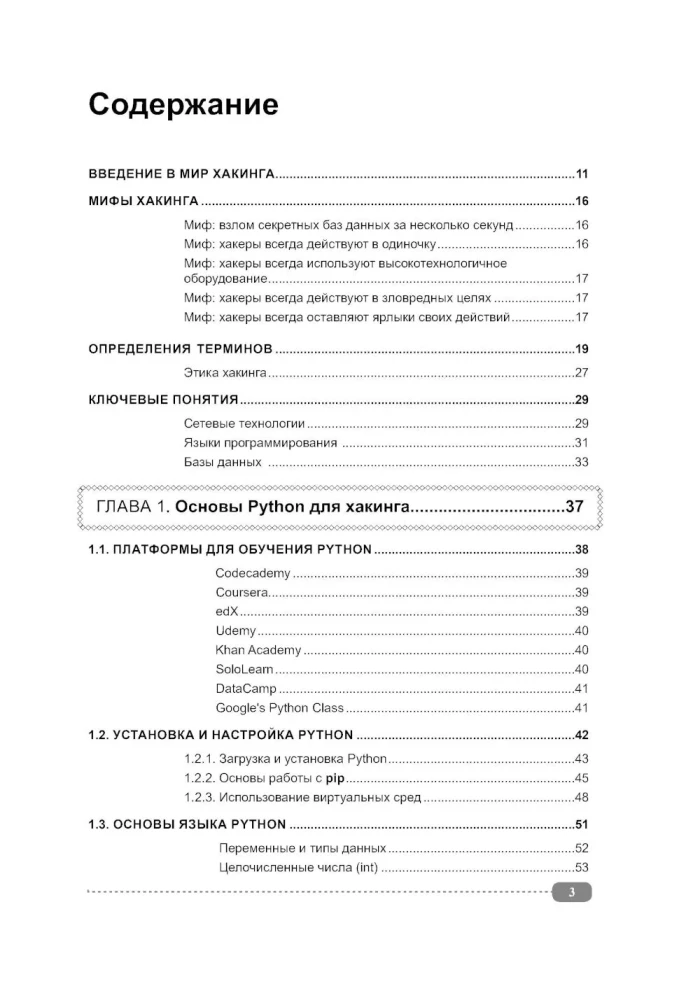
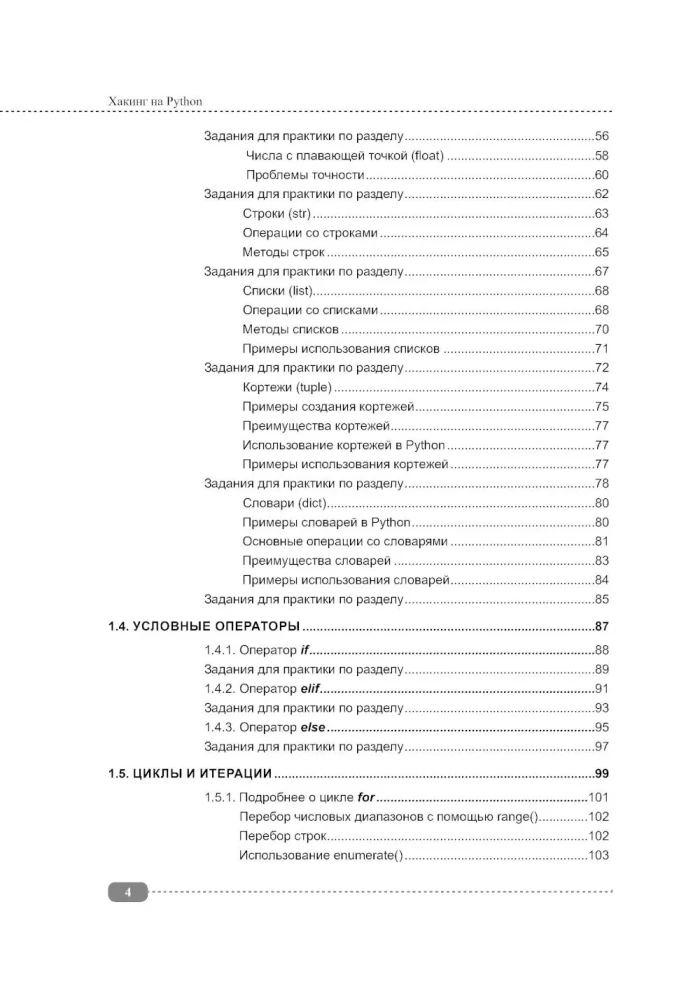
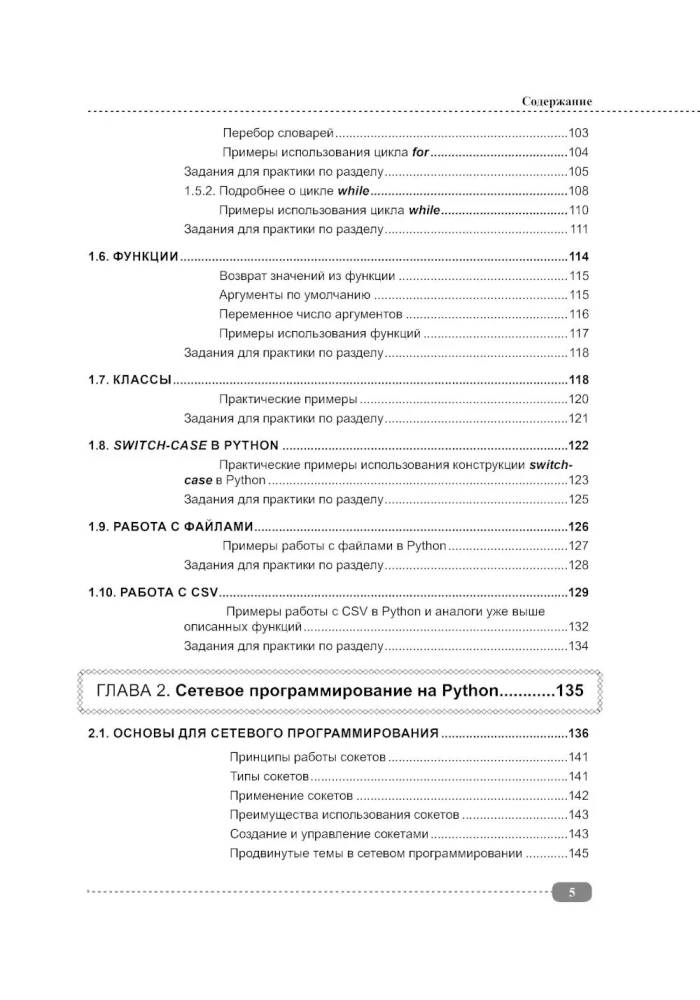
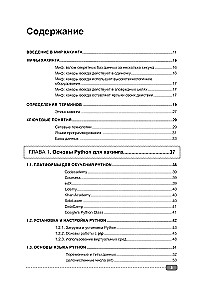
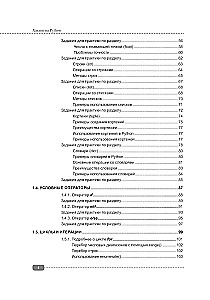
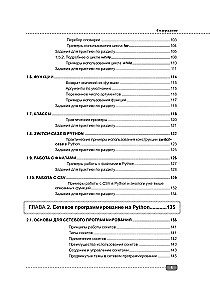
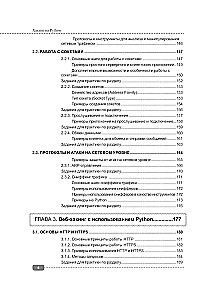
The book consists of 6 main sections:
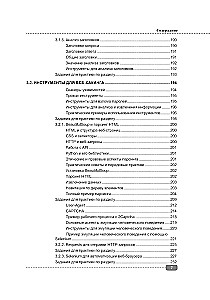
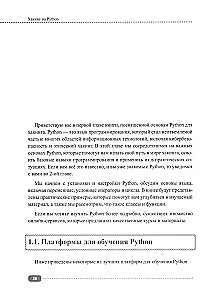
1. Fundamentals of the Python language: its application for various hacking tasks, setting up the development environment, including installation of necessary libraries and tools.
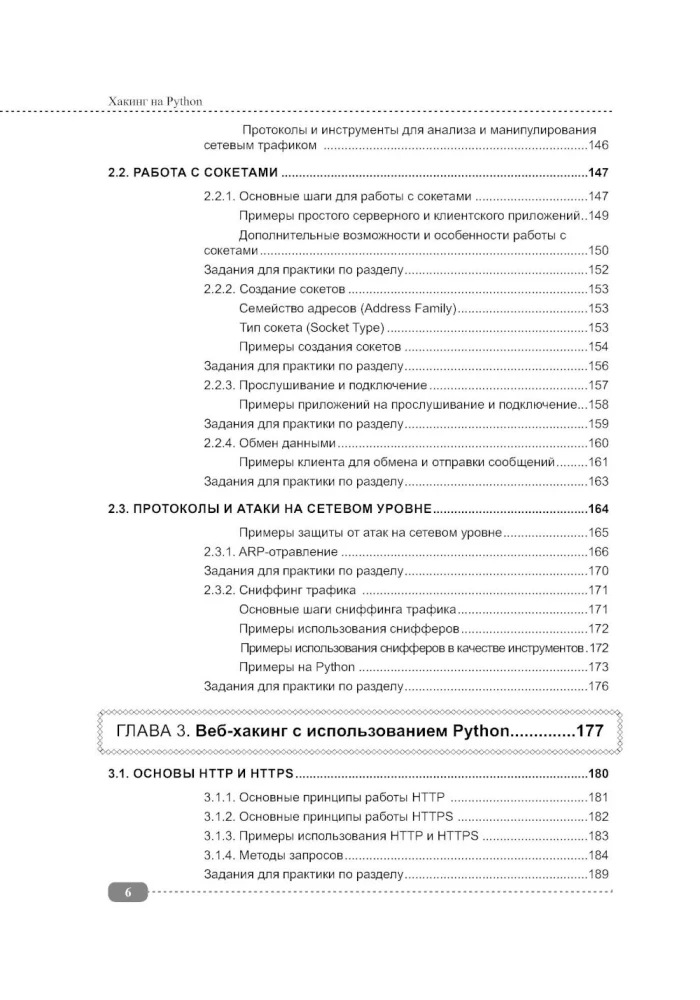
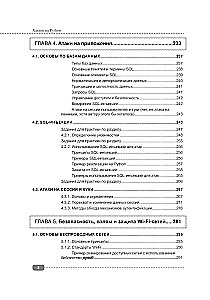
2. Network programming: working with sockets, protocols, and attacks at the network level (ARP poisoning and traffic sniffing), creating a simple server and client to understand how to establish network connections, send and receive data between devices.
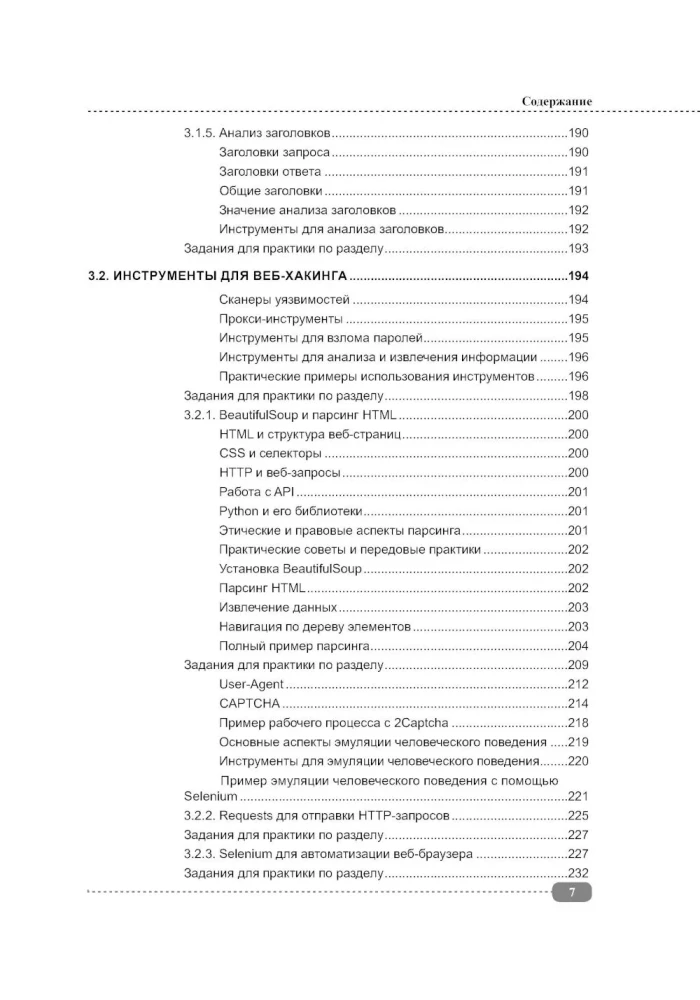
3. Web hacking in Python: tools for web hacking (vulnerability scanners, password crackers, etc.), methods of interacting with web servers, including sending HTTP requests, parsing HTML pages, and automating interactions with web applications.
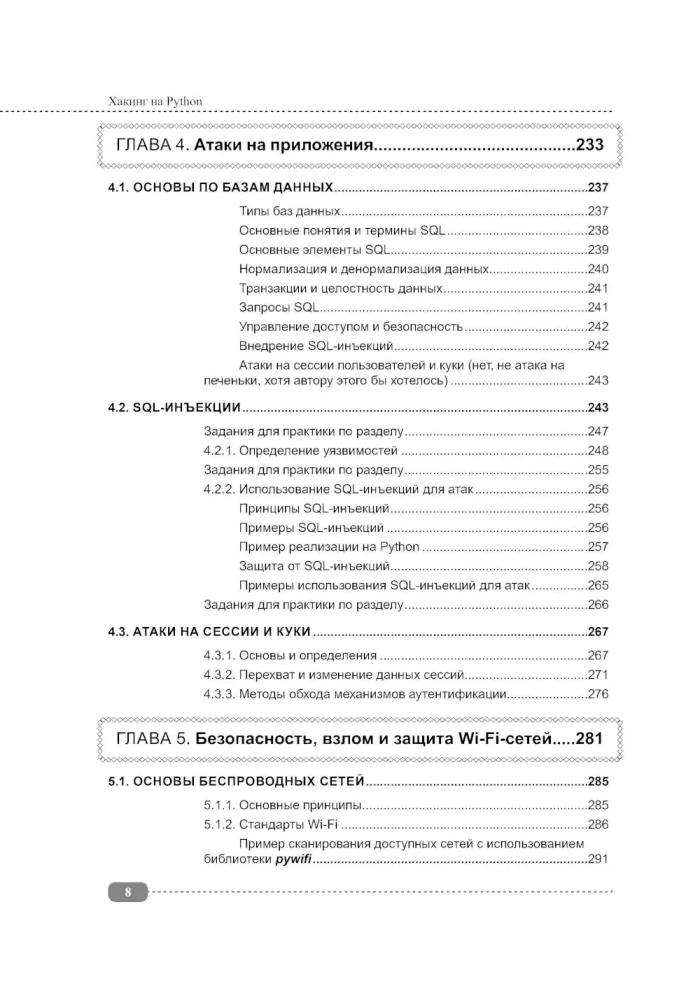
4. Application attacks: SQL injections, session and cookie attacks, cross-site scripting (XSS).
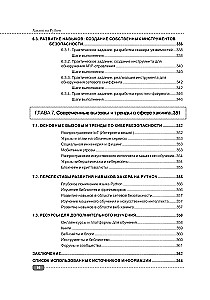
5. Wi-Fi network protection and hacking: tools for auditing and protecting Wi-Fi networks, cracking Wi-Fi passwords, scanning networks using the pywifi library.
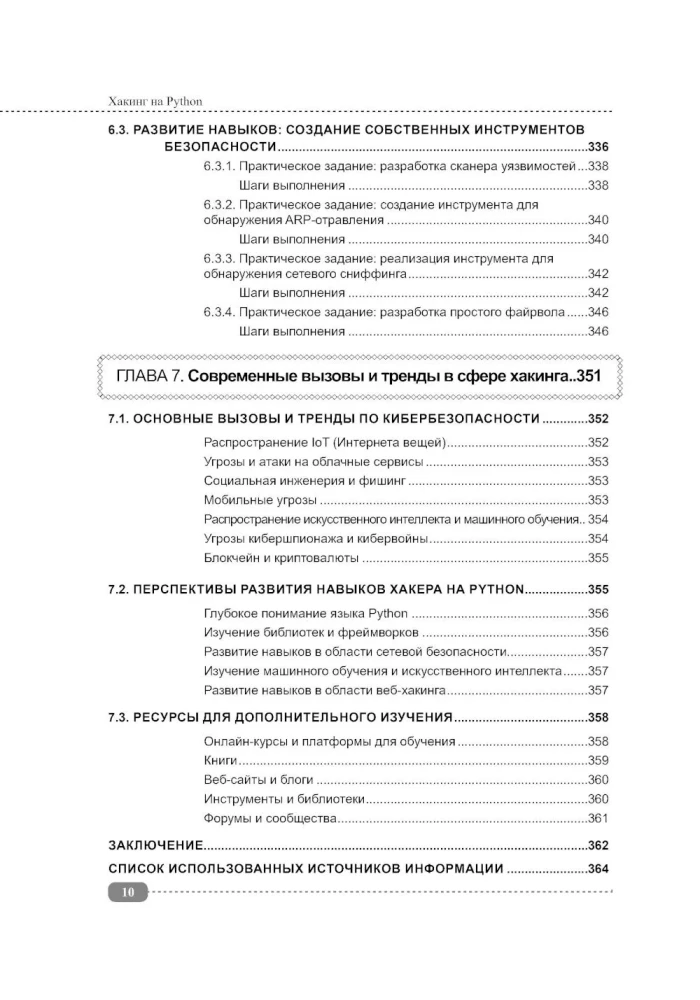
6. Protection against hacking in Python: libraries for data encryption, creating tools for protecting networks and systems, including simple firewalls and intrusion detection systems, monitoring and analyzing network activity and threats.
At the beginning of each section, there is a list of key terms, tools, and services that will be covered in this chapter and may be useful for further study of the topic. You will also find numerous practical examples and tasks in the book that are intended for independent completion, which will help you learn to solve real-world problems and effectively apply the knowledge gained in practical activities, namely:
— writing scripts for automating cybersecurity tasks;
— analyzing network traffic and identifying potential threats;
— developing your own tools for penetration testing;
— using cryptography to protect data;
— creating intrusion detection systems and incident response.
The book is intended for a wide range of users and does not require extensive knowledge for most tasks, apart from confident computer skills. For those who want to master more serious techniques, a basic understanding of programming will be necessary.
Bestsellers