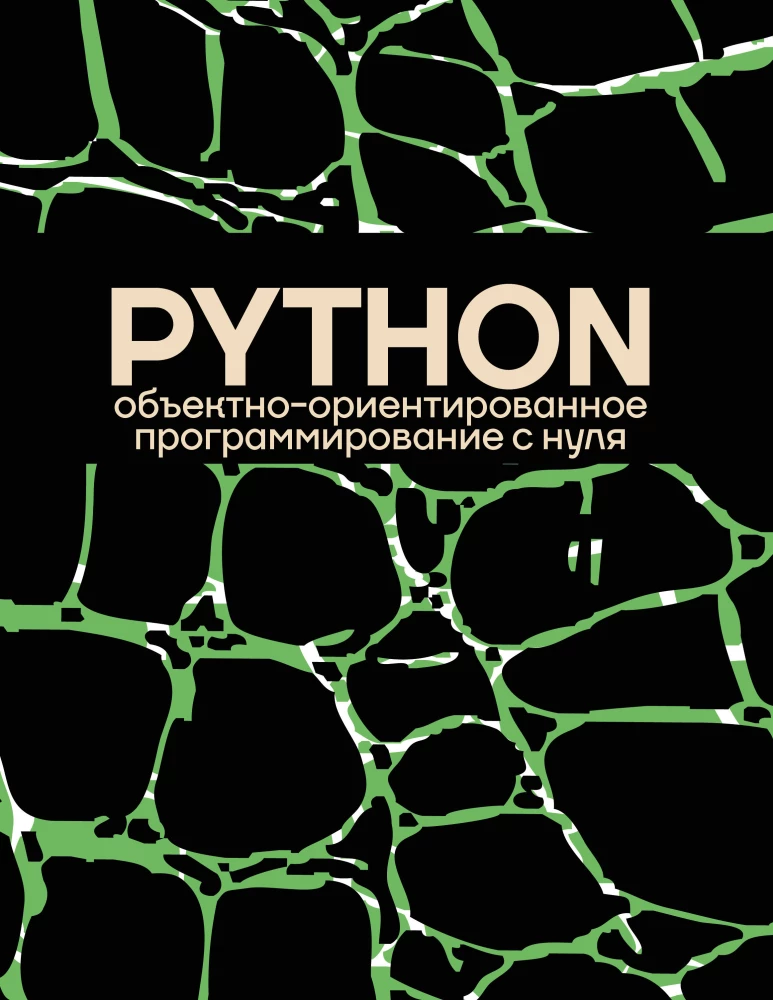
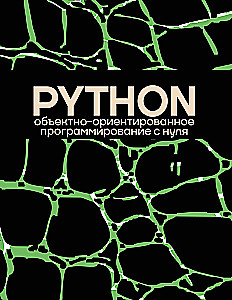
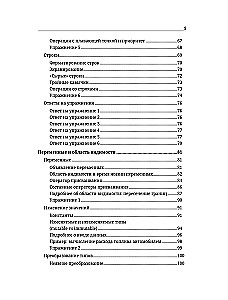
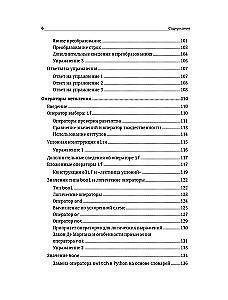
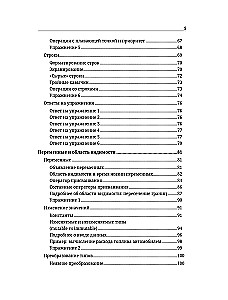
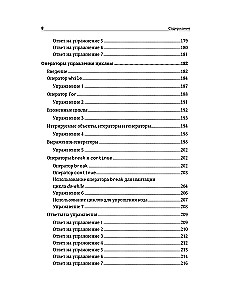
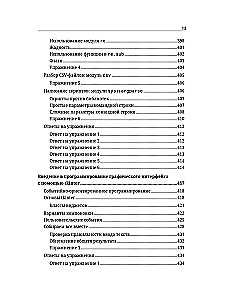
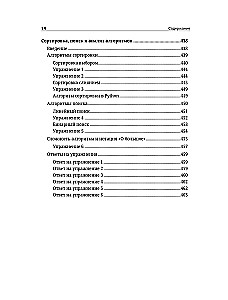
Object-Oriented Programming in Python from Scratch
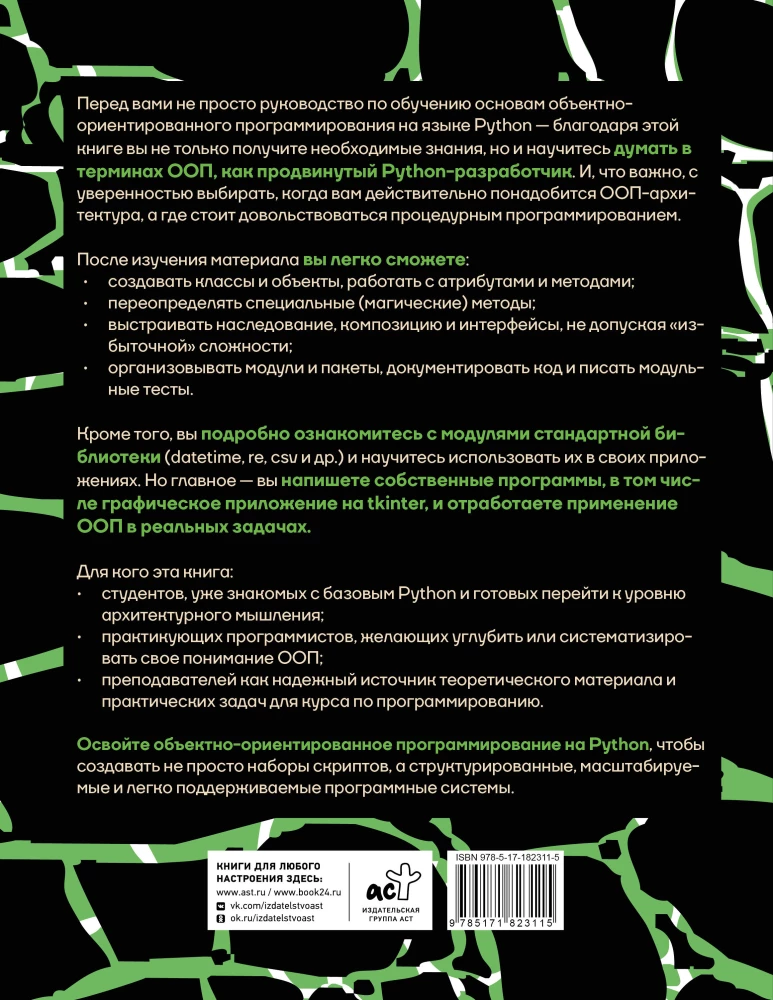
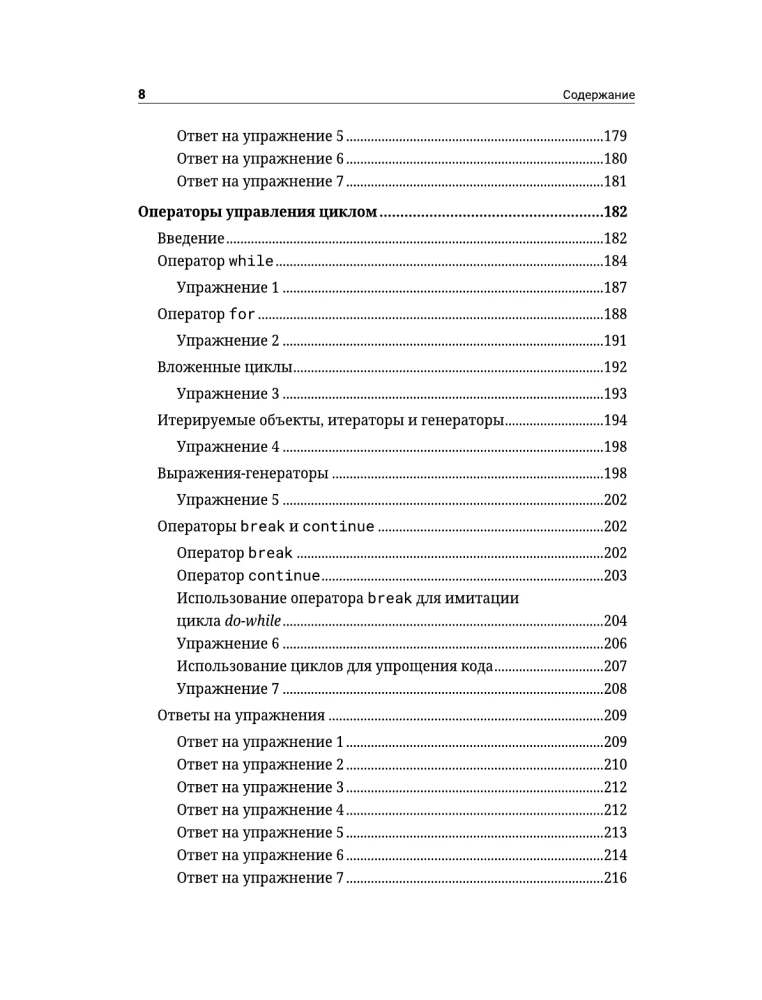
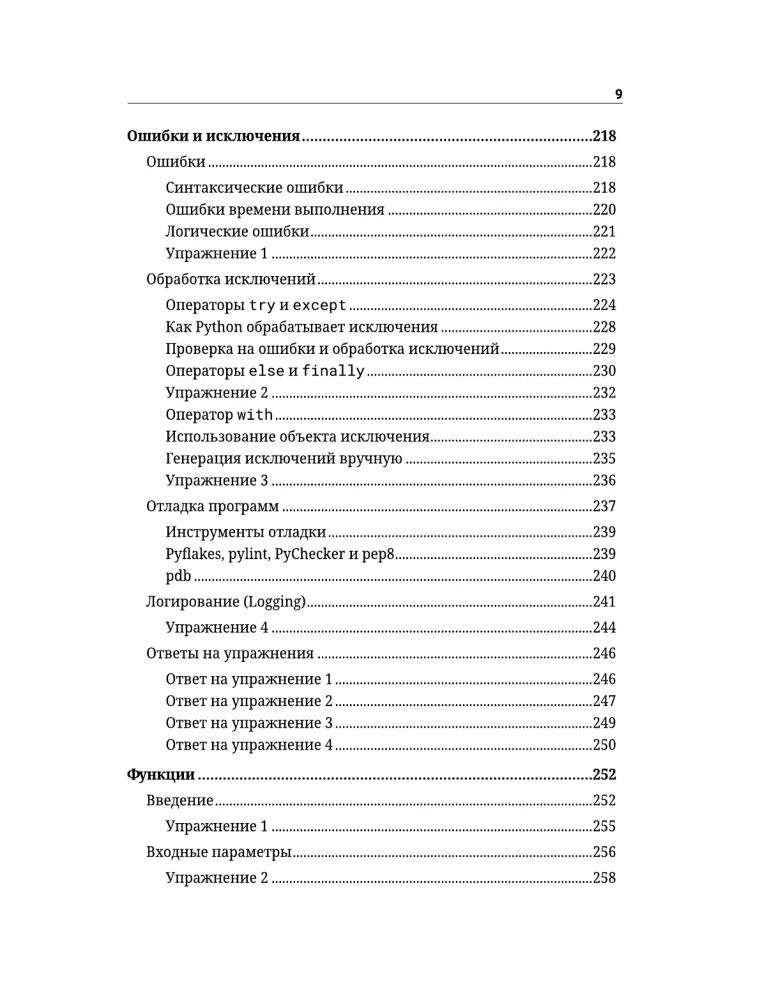
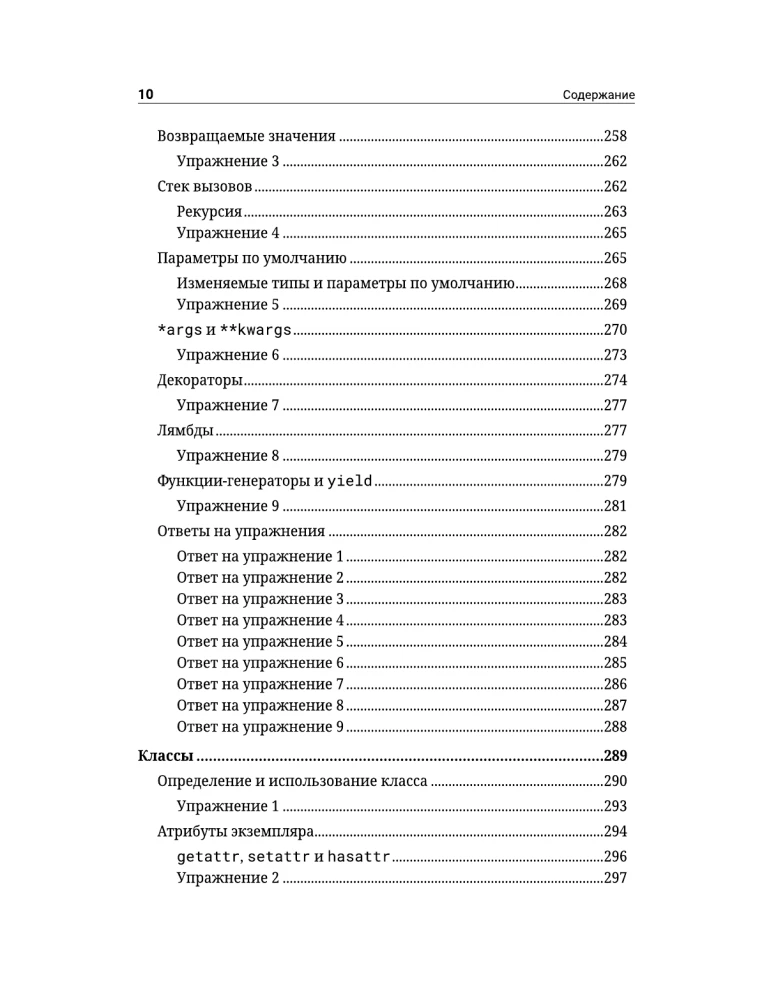
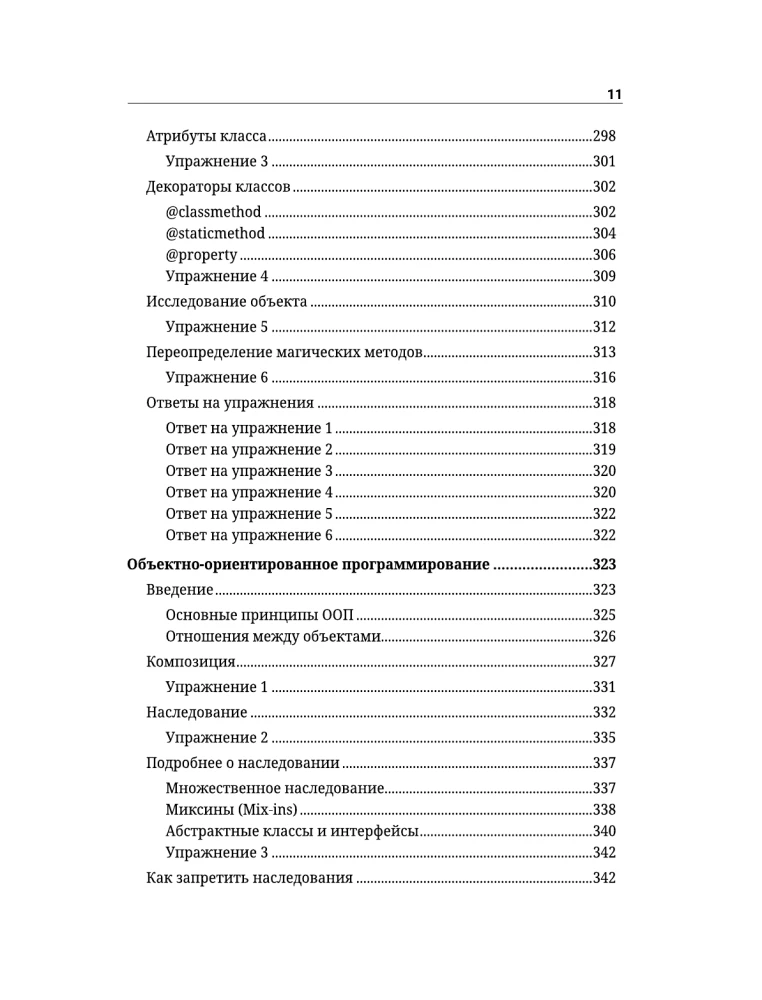
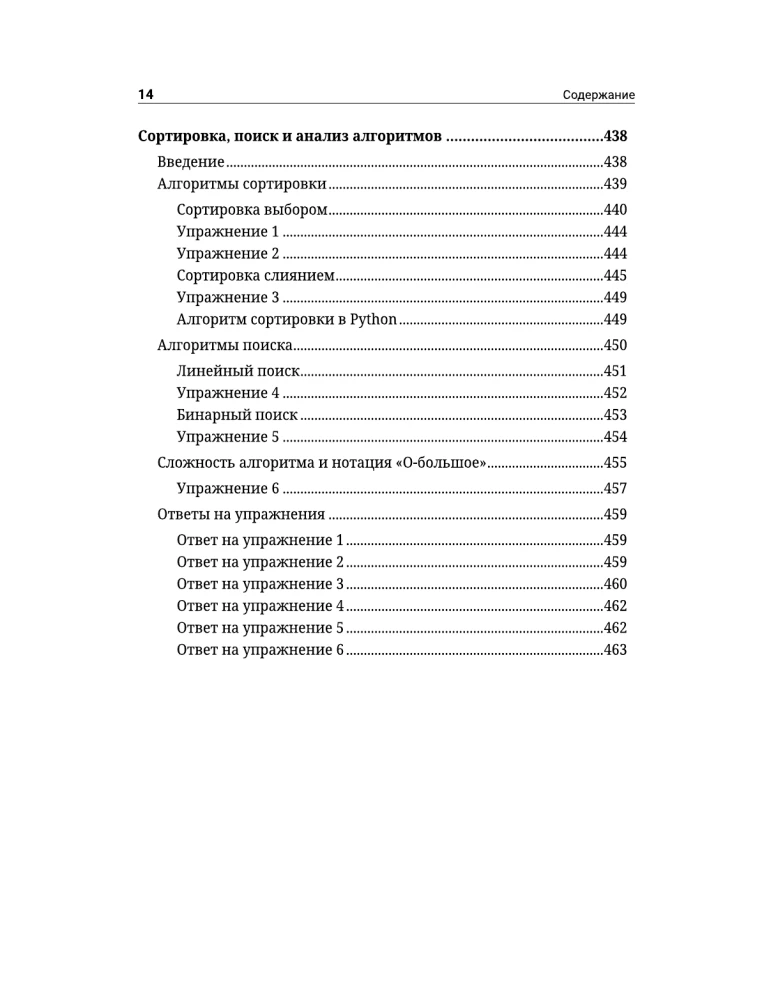
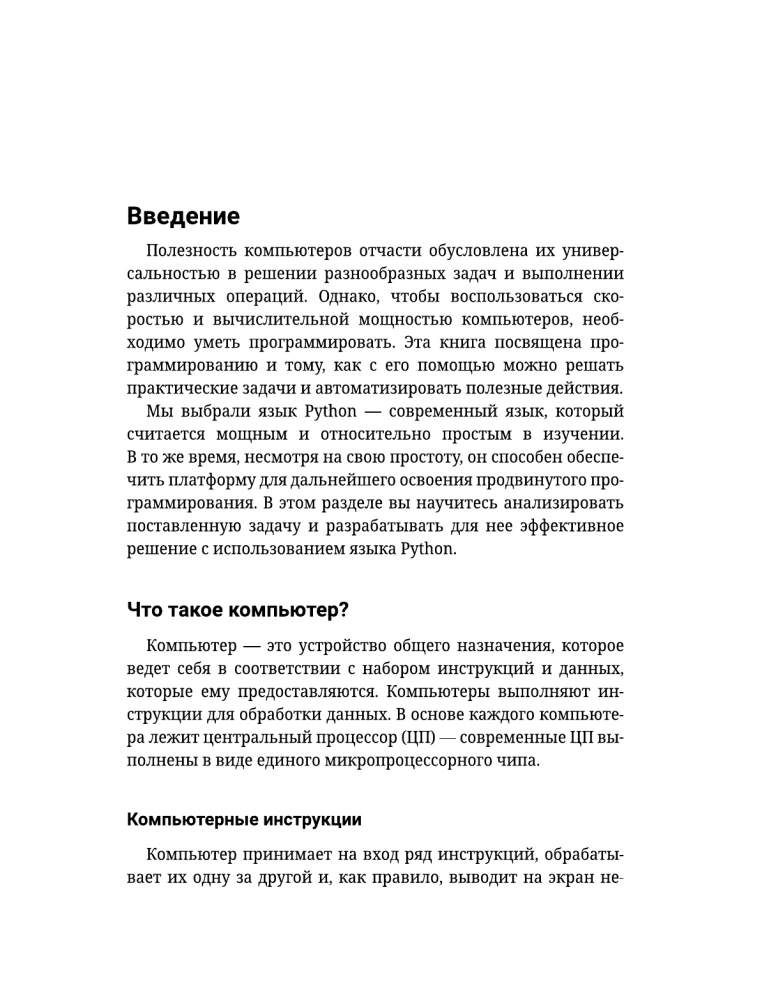
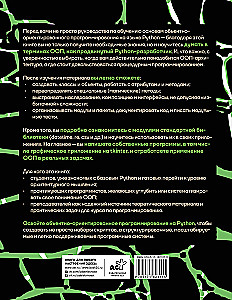
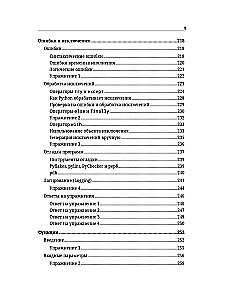
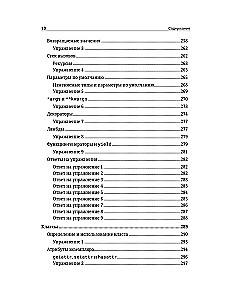
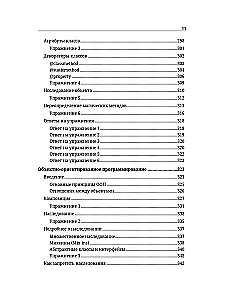
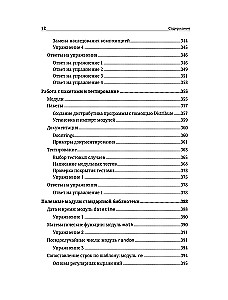
You have before you not just a guide to learning the basics of object-oriented programming in the Python language — thanks to this book, you will not only gain the necessary knowledge but also learn to think in terms of...
OOP, like an advanced Python developer. And, importantly, you will confidently decide when you actually need OOP architecture and when it’s sufficient to stick to procedural programming.
After studying the material, you will easily be able to:
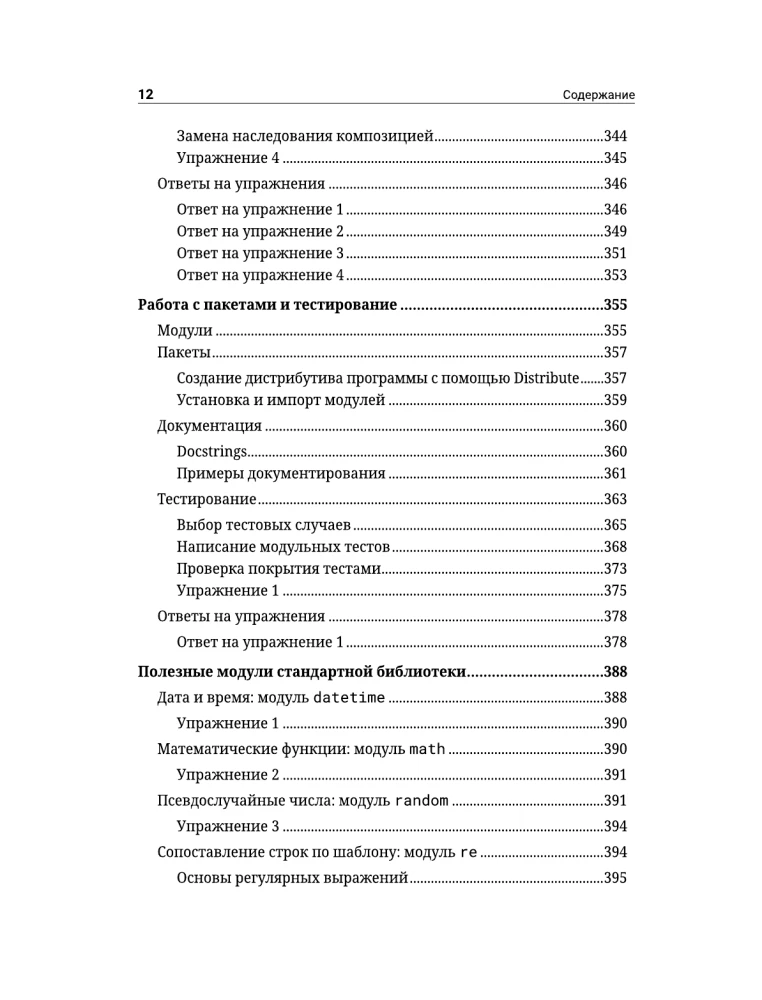
— create classes and objects, work with attributes and methods;
— override special (magic) methods;
— build inheritance, composition, and interfaces without allowing "excessive" complexity;
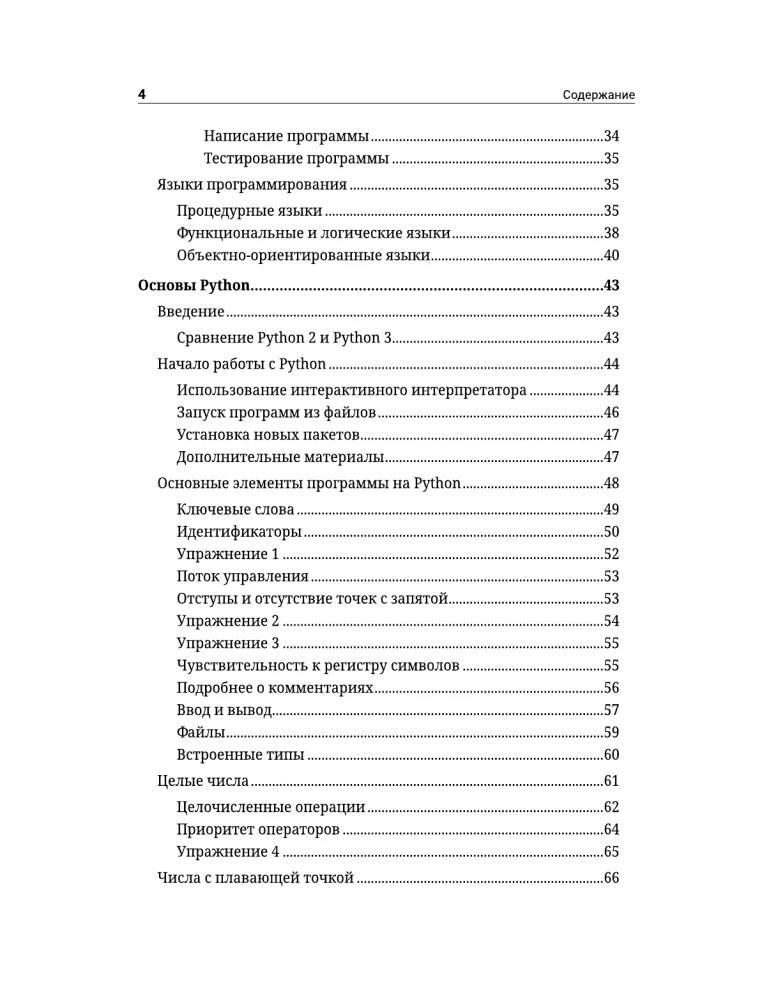
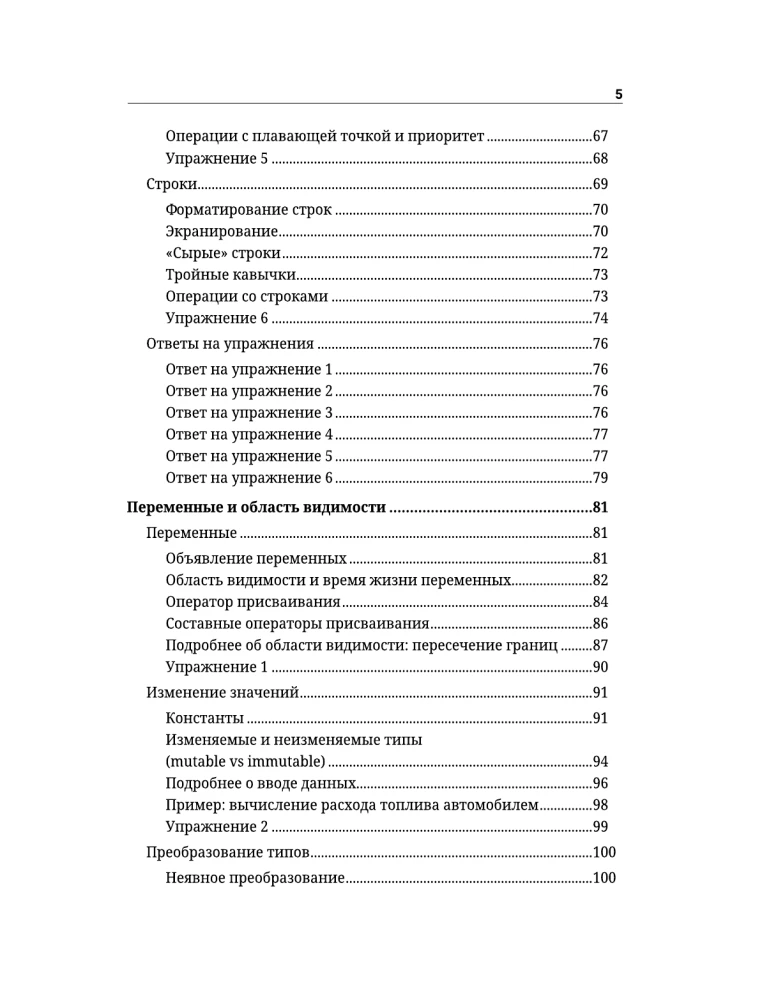
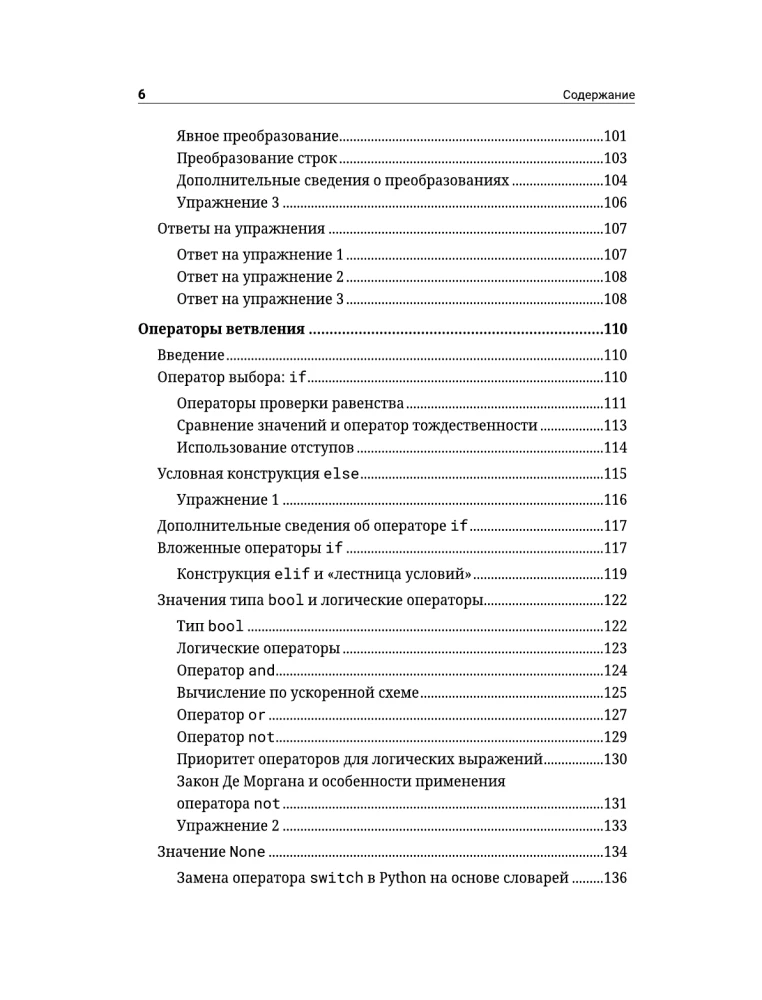
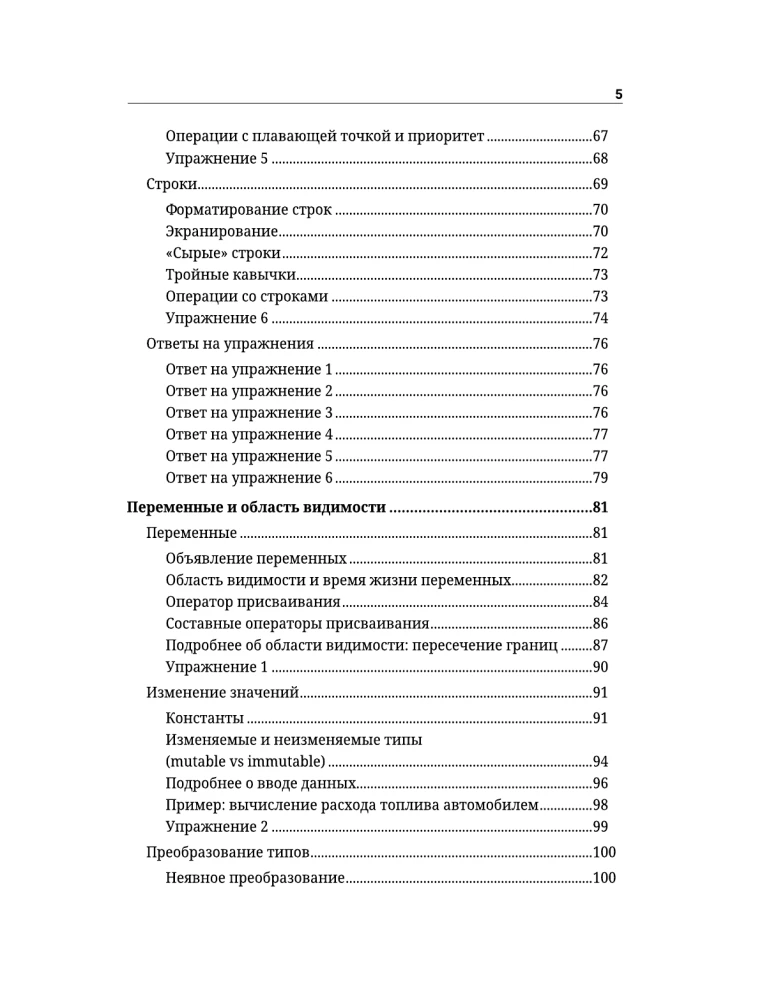
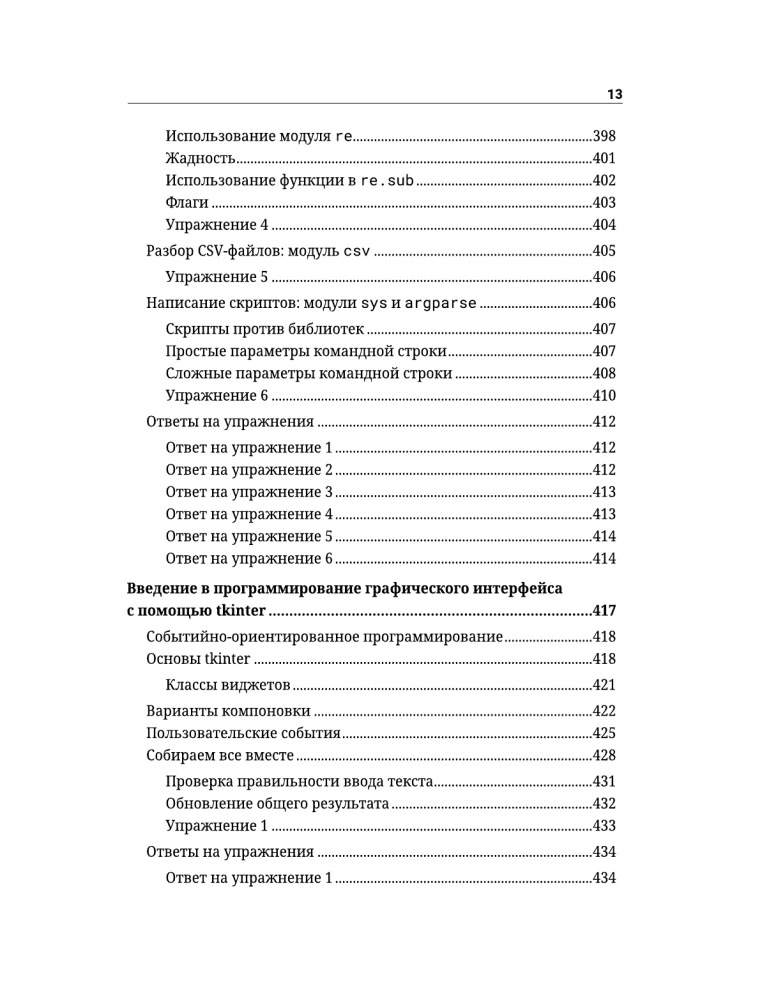
— organize modules and packages, document code, and write unit tests.
Furthermore, you will become familiar with the modules of the standard library (datetime, re, csv, etc.) and learn to use them in your applications. But most importantly — you will write your own programs, including a graphical application using tkinter, and practice applying OOP to real-world tasks.
Who this book is for:
— students who are already familiar with basic Python and are ready to move to the level of architectural thinking;
— practicing programmers who wish to deepen or systematize their understanding of OOP;
— teachers as a reliable source of theoretical material and practical tasks for a programming course.
Master object-oriented programming in Python to create not just sets of scripts but structured, scalable, and maintainable software systems.
After studying the material, you will easily be able to:
— create classes and objects, work with attributes and methods;
— override special (magic) methods;
— build inheritance, composition, and interfaces without allowing "excessive" complexity;
— organize modules and packages, document code, and write unit tests.
Furthermore, you will become familiar with the modules of the standard library (datetime, re, csv, etc.) and learn to use them in your applications. But most importantly — you will write your own programs, including a graphical application using tkinter, and practice applying OOP to real-world tasks.
Who this book is for:
— students who are already familiar with basic Python and are ready to move to the level of architectural thinking;
— practicing programmers who wish to deepen or systematize their understanding of OOP;
— teachers as a reliable source of theoretical material and practical tasks for a programming course.
Master object-oriented programming in Python to create not just sets of scripts but structured, scalable, and maintainable software systems.
Printhouse: AST
Series: Programming from A to C++
Age restrictions: 16+
Year of publication: 2026
ISBN: 9785171823115
Number of pages: 464
Size: 255x200x23 mm
Cover type: мягкая
Weight: 785 g
ID: 1736452
In stock
€ 23.69
Will be delivered to United States on 5 October (Mo):
By courier
from € 38.94
Bestsellers
€ 13.29
In stock
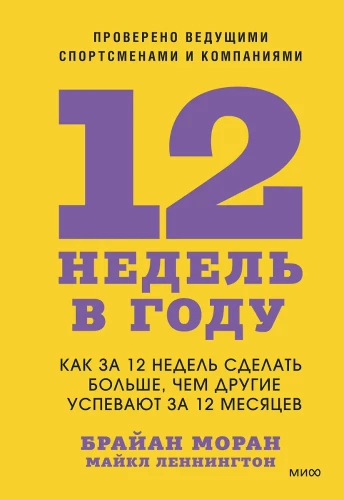
12 Weeks in a Year. How to Achieve More in 12 Weeks Than Others Do in 12 Months
Майкл Леннингтон, Брайан Моран
€ 7.89
In stock
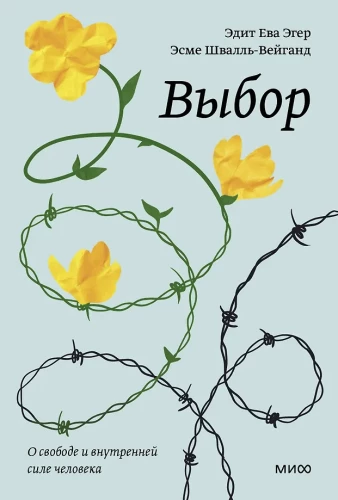
Choice. On the Freedom and Inner Strength of a Person
Эдит Ева Эгер, Эсме Швалль-Вейганд
€ 6.99
In stock