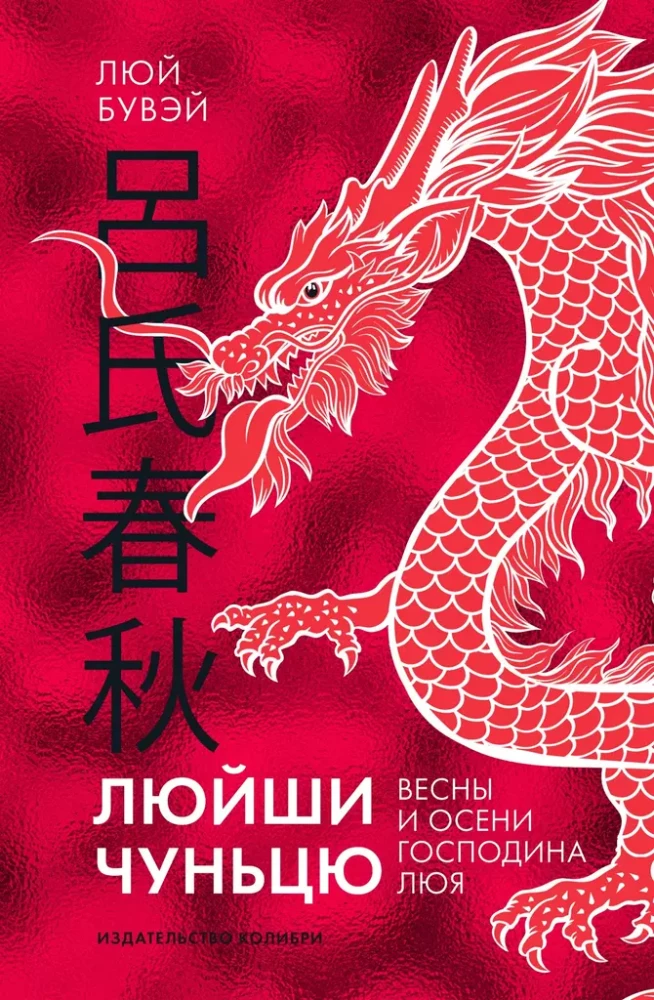
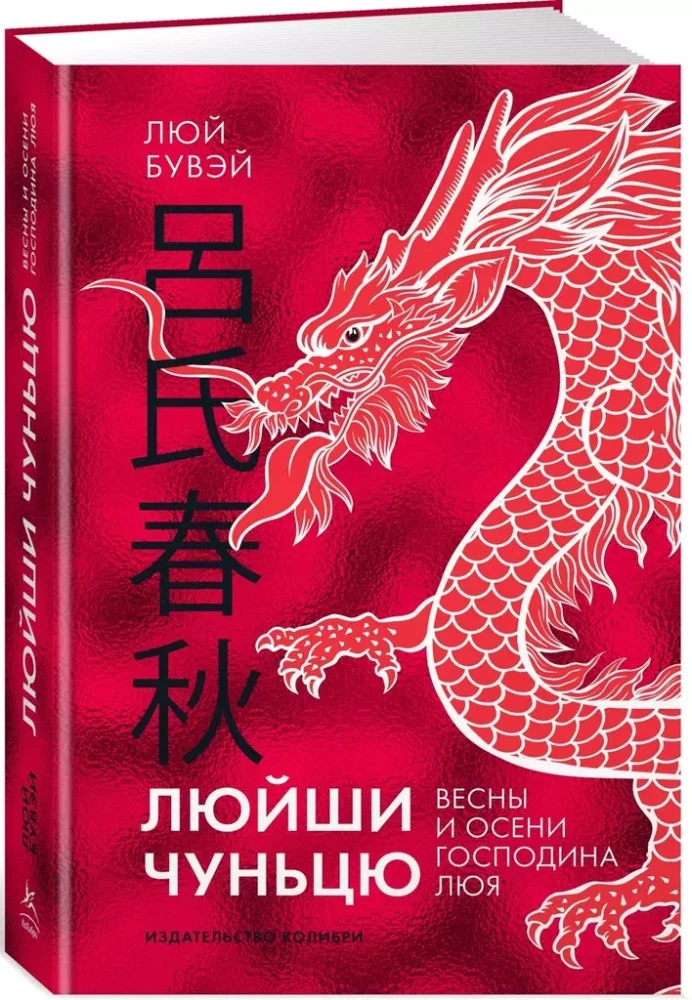

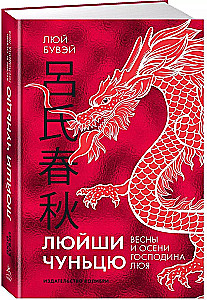
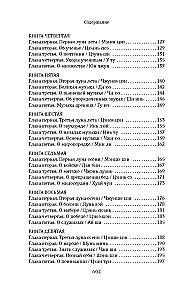
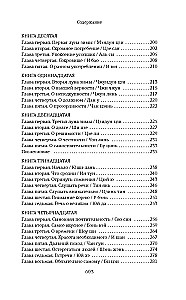
Lüshi Chunqiu (The Spring and Autumn Annals of Lord Lü)
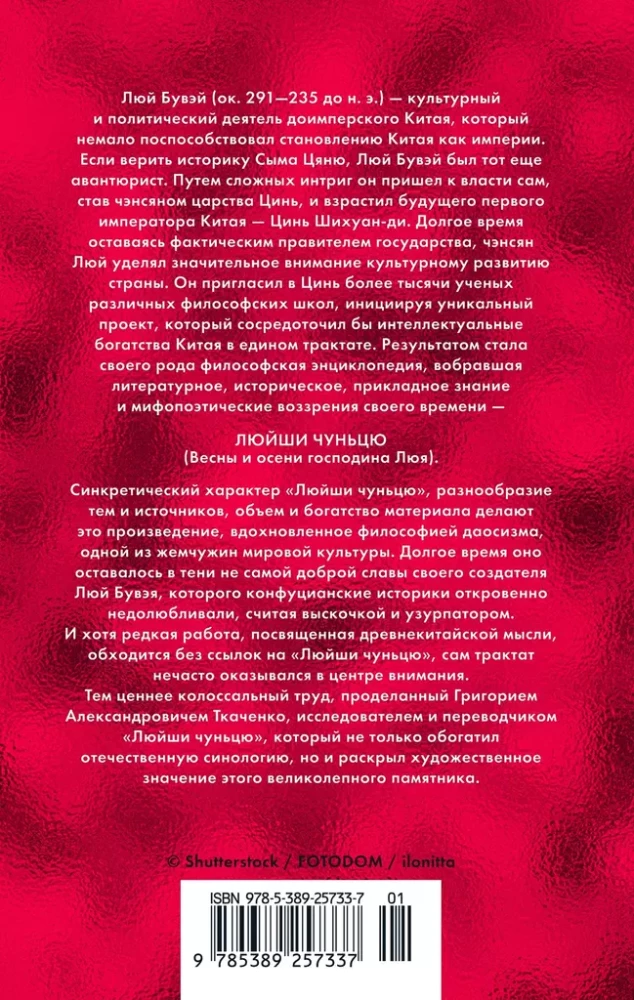
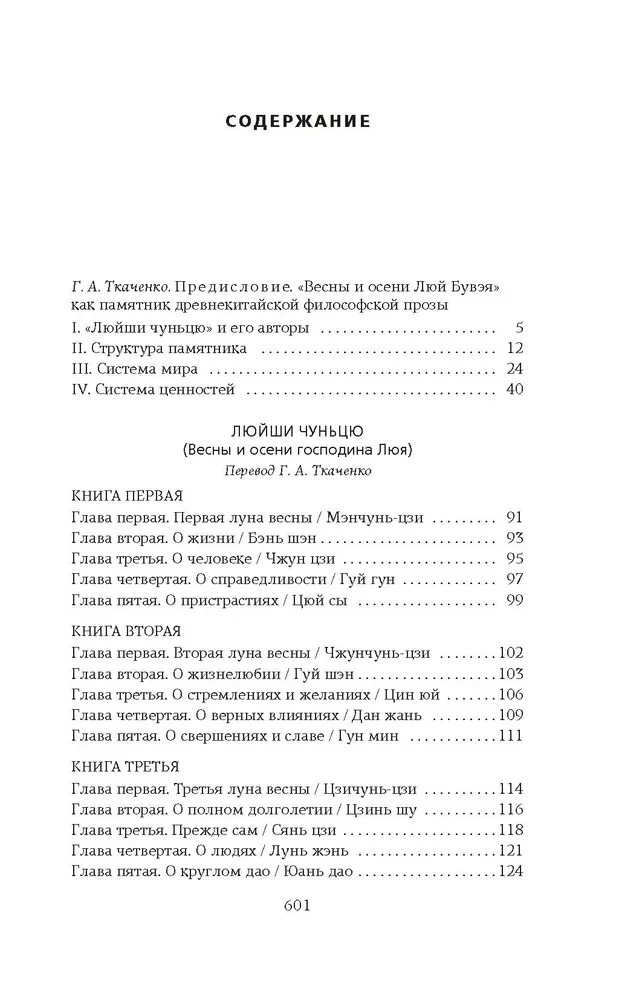
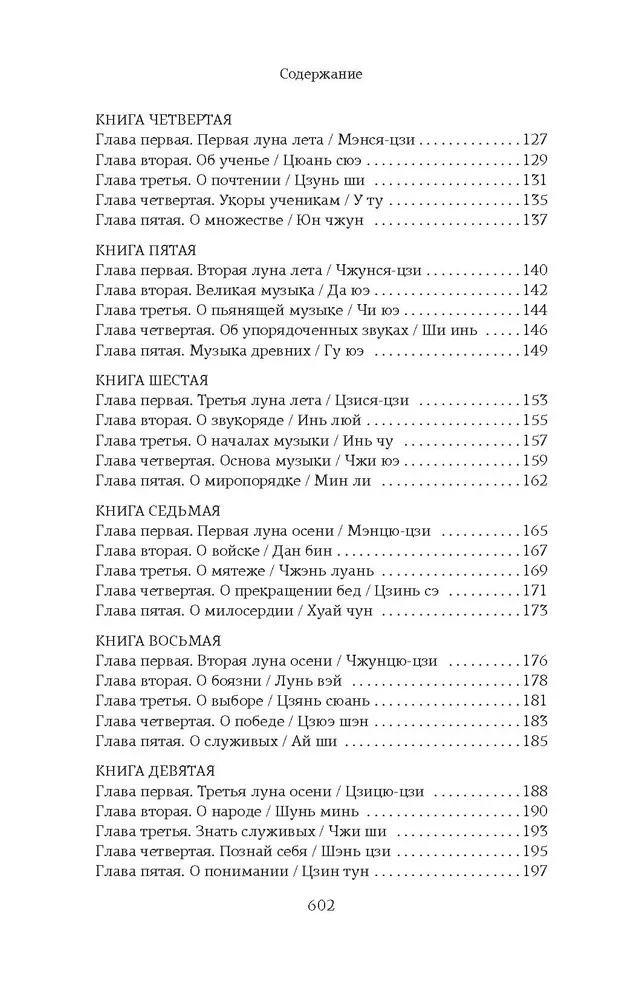
Lü Buwei (circa 291–235 BC) was a cultural and political figure of pre-imperial China, a bright and ambitious man who came to power through complex intrigues and bold adventures, becoming the chancellor at the court of the Qin kingdom, and nurturing the future first emperor of China—Qin Shi Huangdi. For a long time, remaining the de facto ruler of the state, Lü Buwei paid significant attention to culture. He invited over a thousand scholars from various philosophical schools and directions of thought to Qin, initiating a unique project aimed at concentrating and unifying the intellectual wealth of China into a single treatise, creating a kind of philosophical encyclopedia that encompassed literary, historical, applied knowledge and mythopoetic views of his time—the "Lüshi Chunqiu" (The Spring and Autumn Annals of Lord Lü). The "Lüshi Chunqiu" can be classified as a work of philosophical eclecticism. Military affairs and agriculture, astronomical observations, music, rituals, laws, and traditions—all found reflection in this ancient monument, inspired by the philosophy of Daoism. The syncretic nature and artistic merits of the "Lüshi Chunqiu", the variety of themes, the volume, and the richness of the material make it an invaluable source of information about Ancient China and one of the precious jewels of world cultural heritage.
Bestsellers