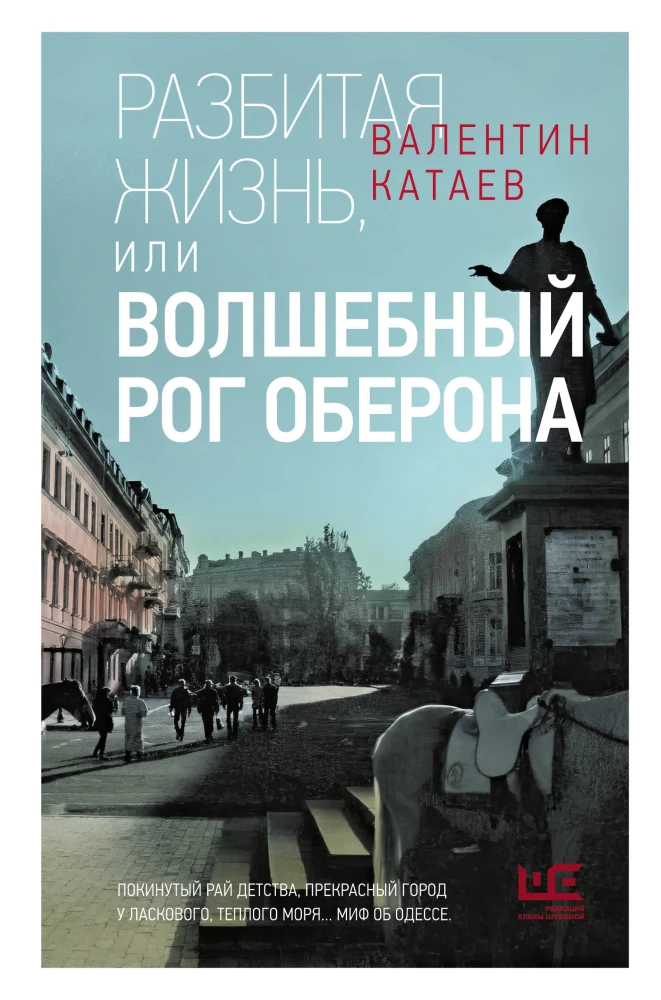
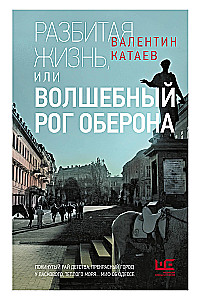
Разбитая жизнь, или Волшебный рог Оберона
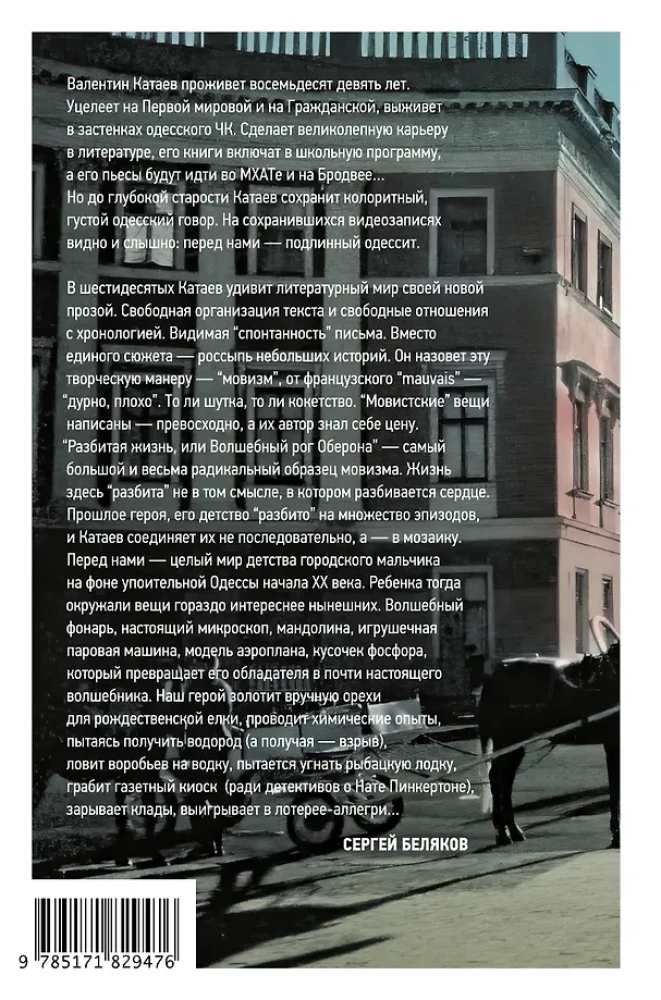
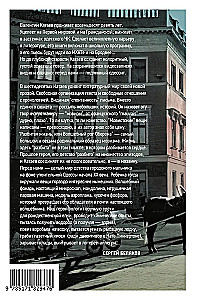
Valentin Kataev will live for eighty-nine years. He will survive World War I and the Civil War, endure in the dungeons of the Odessa Cheka. He will make a magnificent career in literature, his books will be included in the...
school curriculum, and his plays will be performed at the MKhAT and on Broadway… But until old age, Kataev will retain his colorful, rich Odessa dialect. In preserved video recordings, it is evident that before us is a genuine Odessite.
In the sixties, Kataev will surprise the literary world with his new prose. A free organization of text and free relationships with chronology. Visible "spontaneity" of writing. Instead of a singular plot, there is a scattering of small stories. He will call this creative manner "movism," from the French "mauvais" - "bad, poorly." Whether a joke or a flirtation. "Movist" works are written - excellently, and their author knew his worth. "Broken Life, or Oberon's Magical Horn" - the largest and quite radical example of movism. Here life is "broken" not in the sense that a heart is broken.
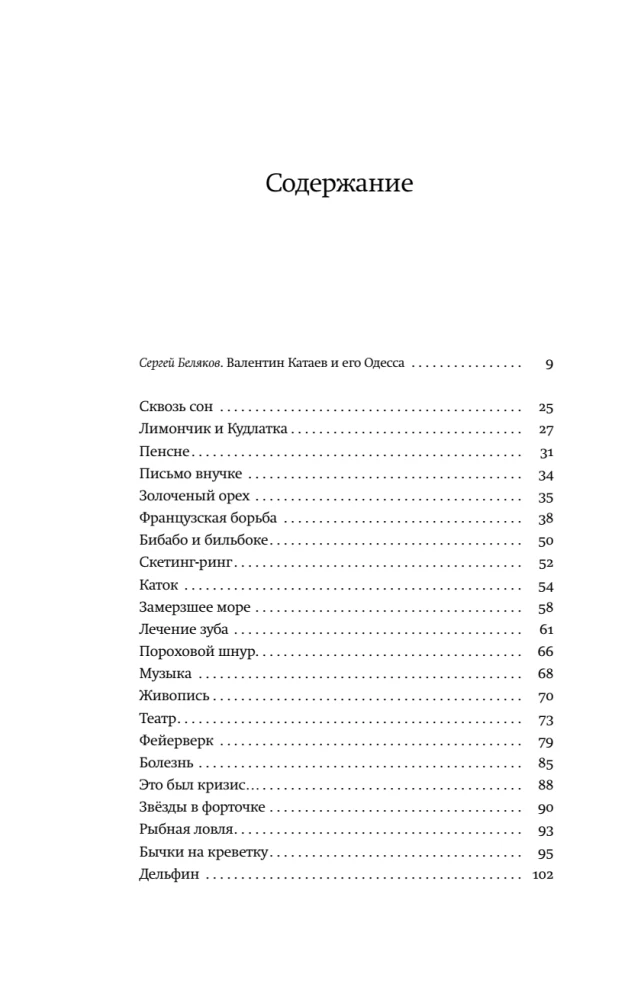
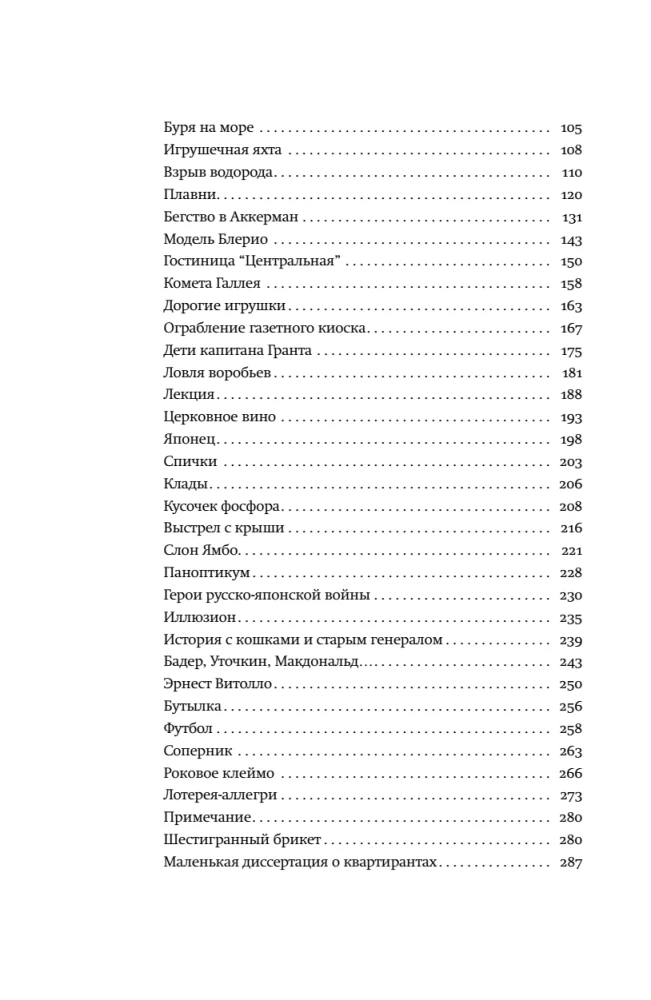
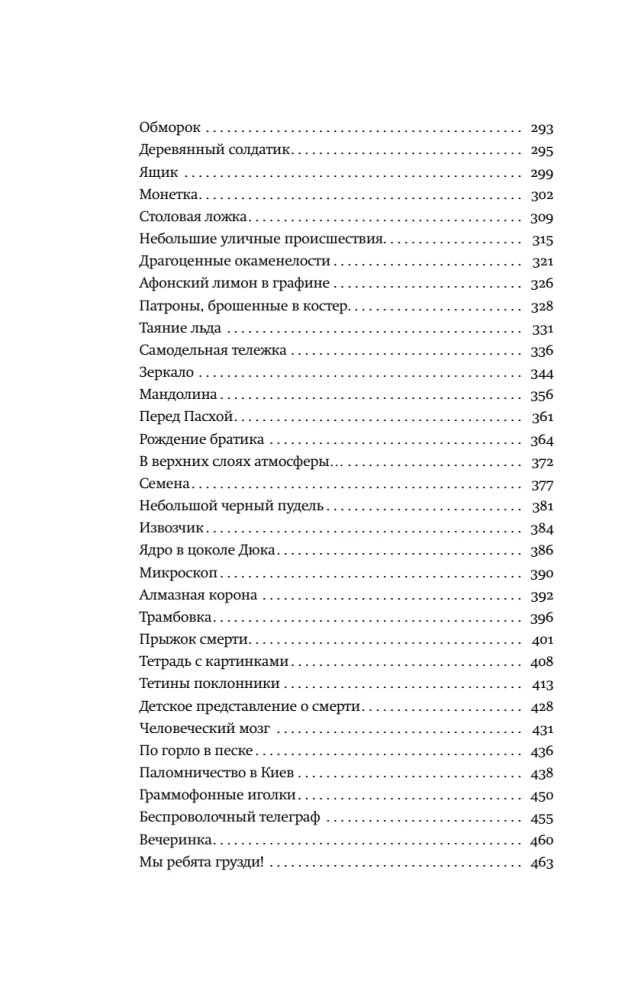
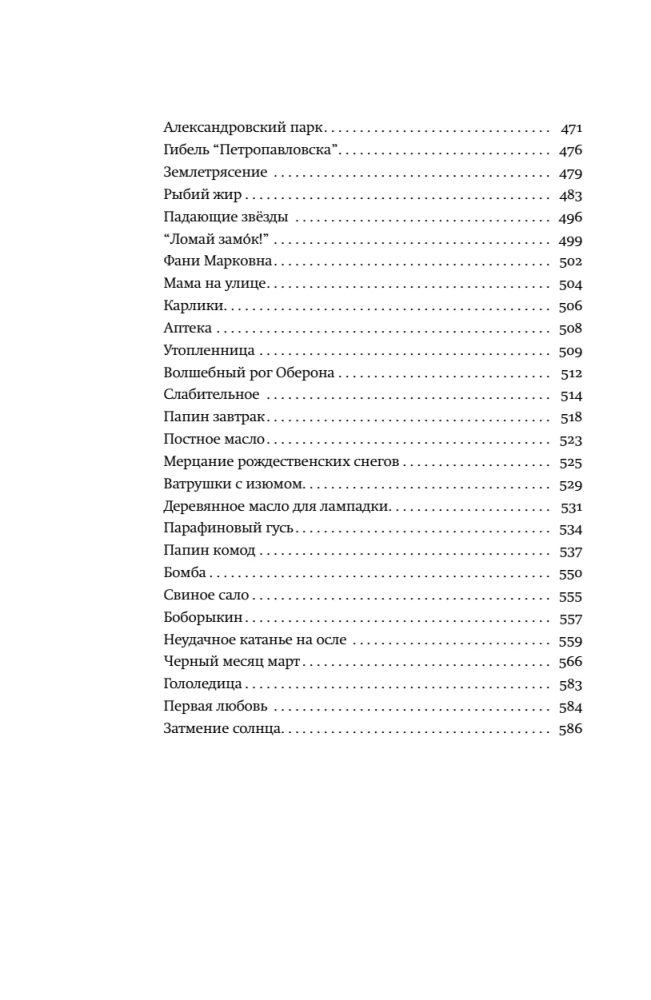
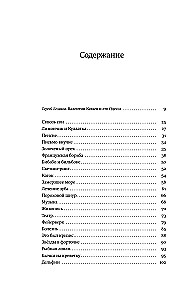
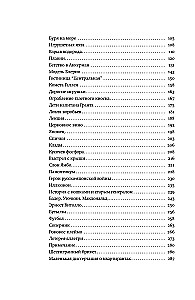
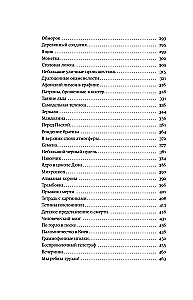
The hero's past, his childhood is "broken" into many episodes, and Kataev connects them not sequentially, but - into a mosaic. Before us is the entire world of a city boy's childhood against the backdrop of the intoxicating Odessa of the early 20th century. The child was surrounded by things much more interesting than today's. A magic lantern, a real microscope, a mandolin, a toy steam engine, a model airplane, a piece of phosphorus that turns its owner into an almost real wizard. Our hero manually gilds nuts for the Christmas tree, conducts chemical experiments trying to produce hydrogen (and producing an explosion instead), catches sparrows for vodka, tries to steal a fishing boat, robs a newspaper kiosk (for detective stories about Nate Pinkerton), buries treasures, wins in the allegra lottery…
In the sixties, Kataev will surprise the literary world with his new prose. A free organization of text and free relationships with chronology. Visible "spontaneity" of writing. Instead of a singular plot, there is a scattering of small stories. He will call this creative manner "movism," from the French "mauvais" - "bad, poorly." Whether a joke or a flirtation. "Movist" works are written - excellently, and their author knew his worth. "Broken Life, or Oberon's Magical Horn" - the largest and quite radical example of movism. Here life is "broken" not in the sense that a heart is broken.
The hero's past, his childhood is "broken" into many episodes, and Kataev connects them not sequentially, but - into a mosaic. Before us is the entire world of a city boy's childhood against the backdrop of the intoxicating Odessa of the early 20th century. The child was surrounded by things much more interesting than today's. A magic lantern, a real microscope, a mandolin, a toy steam engine, a model airplane, a piece of phosphorus that turns its owner into an almost real wizard. Our hero manually gilds nuts for the Christmas tree, conducts chemical experiments trying to produce hydrogen (and producing an explosion instead), catches sparrows for vodka, tries to steal a fishing boat, robs a newspaper kiosk (for detective stories about Nate Pinkerton), buries treasures, wins in the allegra lottery…
Autor: Валентин Катаев
Väljaandja: AST
Seeria: Objects of Cult
Vanusepiirangud: 16+
avaldamise aasta: 2026
ISBN: 9785171829476
lehekülgede arv: 592
Suurus: 220x148x33 mm
Kaanetüüp: твердая
Kaal: 618 g
ID: 1733209
Saadaval tarnijatelt
Eeldatav tarneaeg – kuni 2 nädalat
€ 21.89
Saadaval tarnijatelt
Eeldatav tarneaeg – kuni 2 nädalat
€ 21.89
Bestsellers







Väljaandja „AST“ soovitab





Bestseller
€ 9.69
Laos
Korea keel. Täielik grammatika skeemide ja tabelite järgi
Чун Ин Сун, Анастасия Погадаева