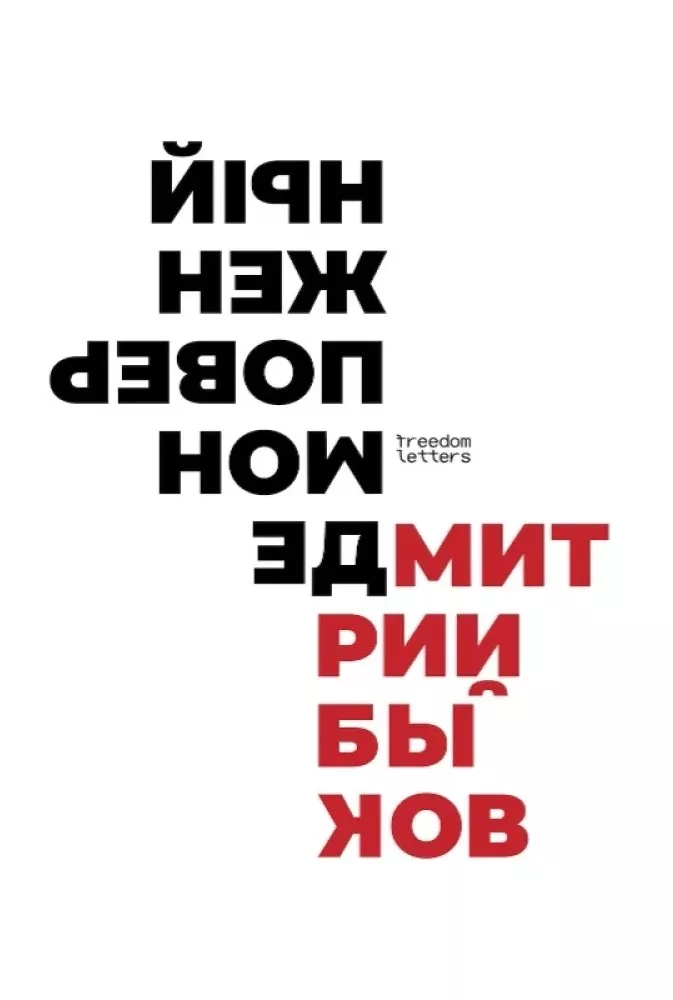
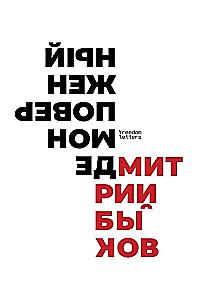
Langev demon
See raamat mõeldi autor poolt õpikuna, kuid muutus selle kallal töötamise käigus inimese ülestunnistuseks, kes on pannud elu hukkunud, kuid seetõttu mitte vähem huvitavasse ettevõtmisse — Venemaa kultuuri uurimisse. Haige süsteemi haige lapsena on Venemaa kultuur hukule määratud koos süsteemiga....
Venemaa tsivilisatsioon, nagu mõtleb Dmitri Bykov, võib veel mõnda aega funktsioneerida — institutsionaalselt või füüsiliselt, kuid mitte sisuliselt. Projekti sisu on ammendatud, see on jõudnud loogilise ja vältimatu enesetapuni. Venemaalt on täielikult kadunud, lahkunud või lihtsalt välja surnud see, mille pärast Issand teda talus. Seega peab autor tegelema lõpetatud protsessiga — selles on pakutava uurimise põhimõtteline uuendus. Ainult lõpetatud protsess on uurimiseks kergesti kättesaadav: Venemaa kultuuri analüüsimiseks on täna optimaalne aeg, mida kinnitab ka maailmas suurenenud huvi selle vastu. Kas iga kirjanduse — sealhulgas biograafilise — lõppeesmärk ei ole mõista, miks see nii lõppes? Dmitri Bykovi uus raamat — äärmiselt kibedalt valus, kuid samas nii elav, nii kirglik ja kuum, et tekib kahtlus: kas see on tõeliselt lõppenud
Autor: Дмитрий Быков
Väljaandja: Freedom letters
Vanusepiirangud: 0+
avaldamise aasta: 2024
ISBN: 9781300802068
lehekülgede arv: 352
Suurus: 210х150х20 mm
Kaanetüüp: Soft
Kaal: 470 g
ID: 1729997
Laos
€ 18.40
Riiki Ameerika Ühendriigid kättetame :
Kahjuks ei saa me hetkel tellimust teie piirkonda kohale toimetada.
Laos
€ 18.40
Riiki Ameerika Ühendriigid kättetame :
Kahjuks ei saa me hetkel tellimust teie piirkonda kohale toimetada.
Bestsellers
Bestseller
€ 14.99
Laos
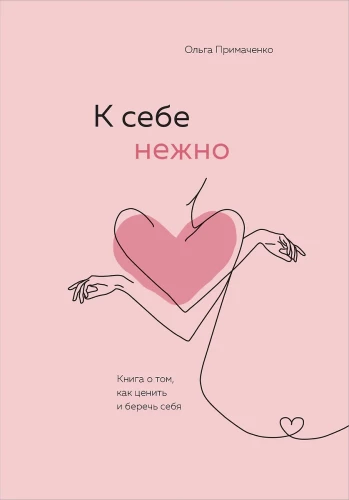
Enesele õrnalt. Raamat sellest, kuidas end väärtustada ja hoida
Ольга Примаченко
€ 13.29
Laos
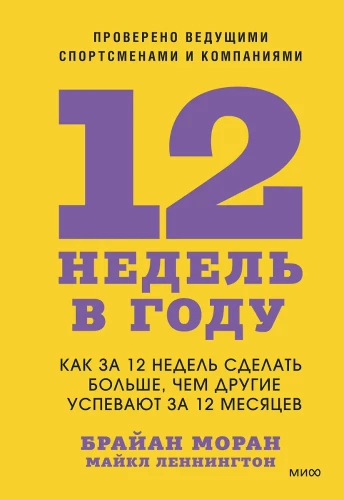
12 nädalat aastas. Kuidas 12 nädalaga saavutada rohkem, kui teised jõuavad 12 kuuga
Майкл Леннингтон, Брайан Моран
€ 14.99
Laos
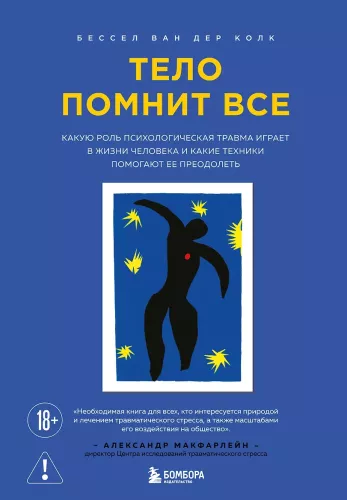
Keha mäletab kõike: millist rolli mängib psühholoogiline trauma inimese elus ja millised tehnikad aitavad sellest üle saada
Бессел ван дер Колк