



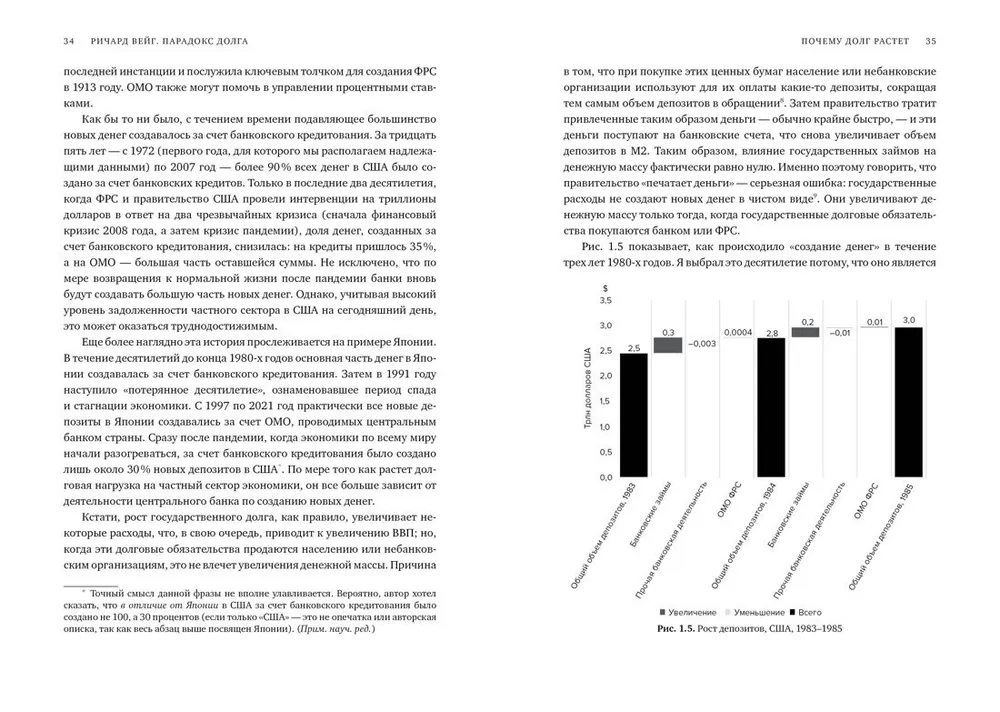



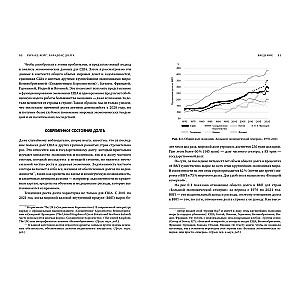
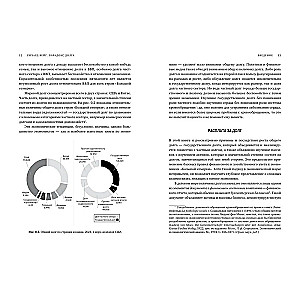
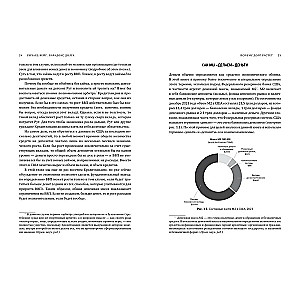
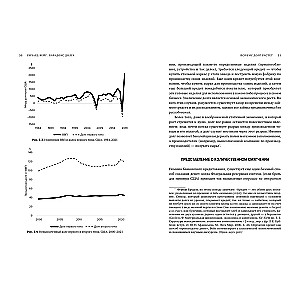
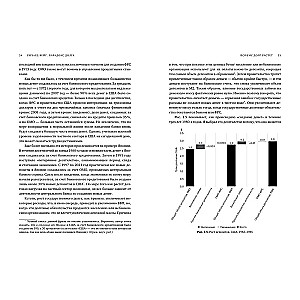

In his iconoclastic book, Richard Veigh explores the assets, liabilities, and incomes of the United States and six other leading economies (China, Germany, Japan, the United Kingdom, India, France), their public and private debt, to reveal the "net worth of countries." Veigh's holistic analysis shows that the real factor driving both financial crises and growing inequality, and paradoxically, economic growth, is the constantly rising private debt. The paradox is that while debt is crucial for increasing GDP, it also brings instability unless there is a periodic reduction in the share of borrowed funds—which is quite difficult to achieve. However, debt can be managed, and at the end of the book, Veigh shows how this can be done in various sectors of the economy, from trade and real estate to student loans for education.